ADVERT
US3 min(s) read
Published 21:01 10 Jan 2026 GMT
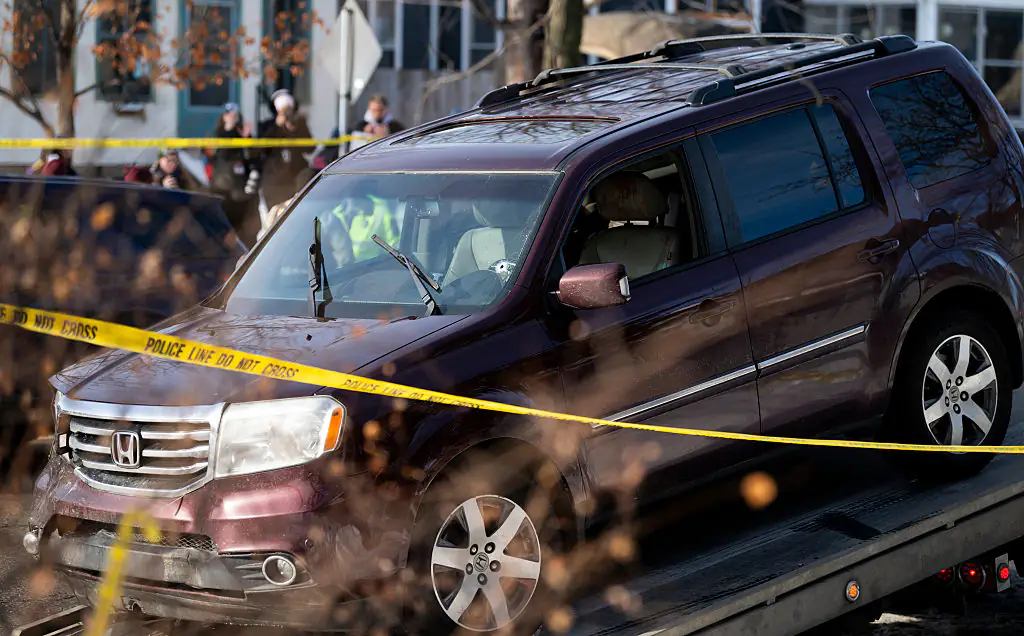
More than 1,000 protests and vigils are set to take place across the United States this weekend following two separate shootings involving Immigration and Customs Enforcement (ICE) agents in Minneapolis and Portland earlier this week. The full list can be found at the bottom of the article.
The demonstrations come after the fatal shooting of Renee Nicole Good, a US citizen, during an ICE immigration operation in Minneapolis on 7 January.
Video footage recorded by bystanders during the incident spread rapidly online, prompting public anger and sparking protests in multiple cities within hours.
By the evening of the shooting, thousands of people had gathered near the scene, while demonstrations also took place in cities including New York, Oakland and Kansas City.
A day later, ICE agents shot two Venezuelan immigrants, Yorlenys Betzabeth Zambrano-Contreras and Luis David Nico Moncada, outside a hospital in Portland, Oregon.
Both survived the incident. Protests in Portland continued into the following day, with police confirming that six people were arrested during clashes between demonstrators and authorities.
The shootings have intensified scrutiny of federal immigration enforcement tactics, particularly in communities where large numbers of ICE and other federal agents have recently been deployed. Organisers say the weekend of action is intended to honour those affected by the incidents and to demand accountability and policy change.
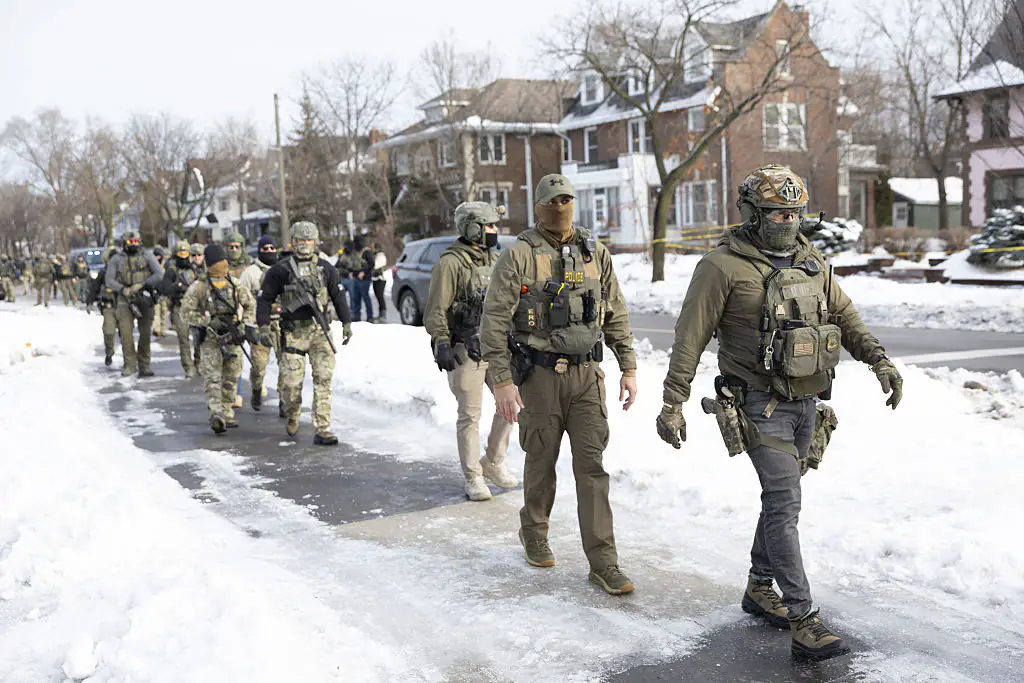
“This weekend, people all over are coming together not just to mourn the lives lost to ICE violence, but to confront a pattern of harm that has torn families apart and terrorised our communities,” said Leah Greenberg, co-executive director of Indivisible, one of the groups organising the demonstrations.
Greenberg added that protesters are calling for justice for those involved in the shootings, the removal of ICE from local communities, and action from elected officials. “Enough is enough,” she said.
Some attendees have described the shootings as a turning point. Steven Eubanks, 51, told the Associated Press that he felt compelled to attend a protest in Durham, North Carolina, describing the killing of Good as “horrifying”. “We can’t allow it,” he said. “We have to stand up.”
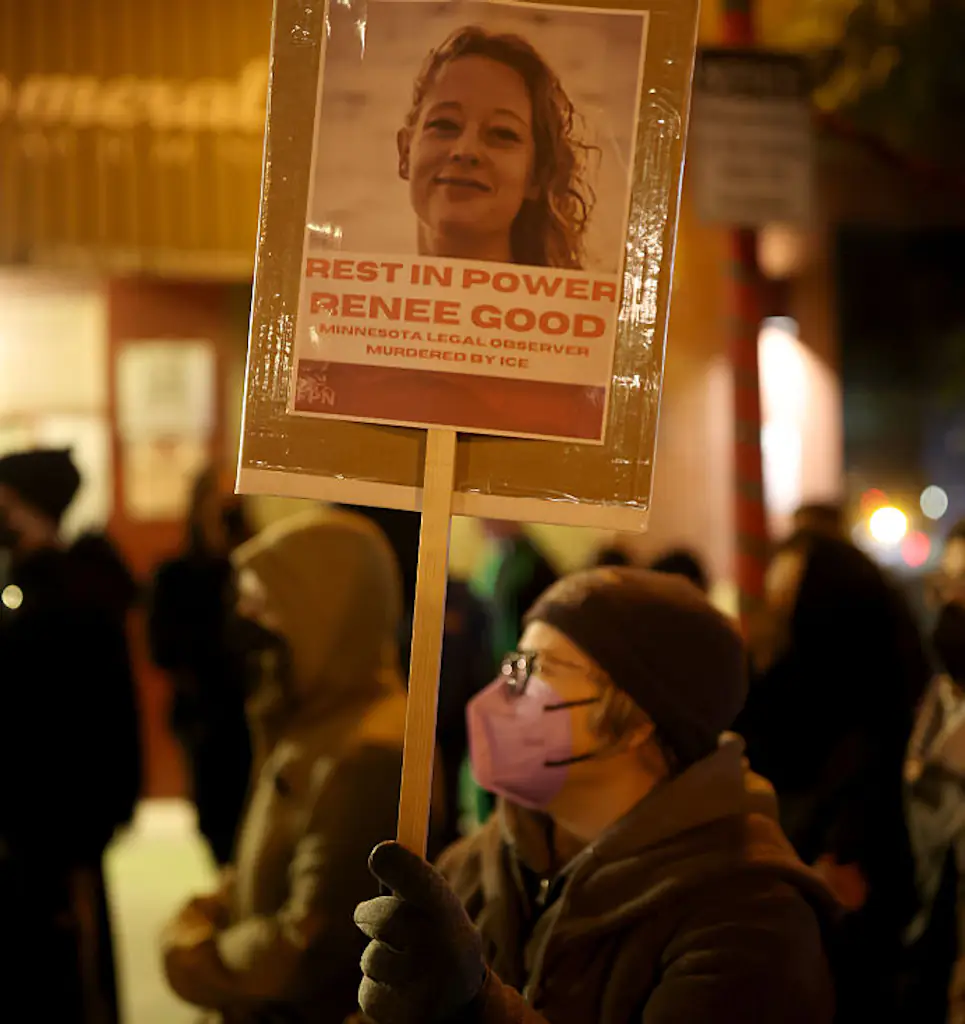
As part of the “ICE Out for Good Weekend of Action”, events are planned in every state, ranging from large city rallies to smaller community vigils. Cities where protests have already been confirmed include:
Organisers stress that this is not a complete list and say new events are being added throughout the weekend. The actions are being coordinated by several advocacy groups, including Indivisible, alongside organisations such as the American Civil Liberties Union and the National Day Laborer Organizing Network.
A full, continuously updated list of protests and vigils, including exact locations and timings, is available online via Mobilize.
Protests are expected to continue throughout the weekend as communities across the country respond to the recent shootings and broader concerns around immigration enforcement.
us4 min(s) read
Published 14:34 10 Jan 2026 GMT
Credit: Fox News
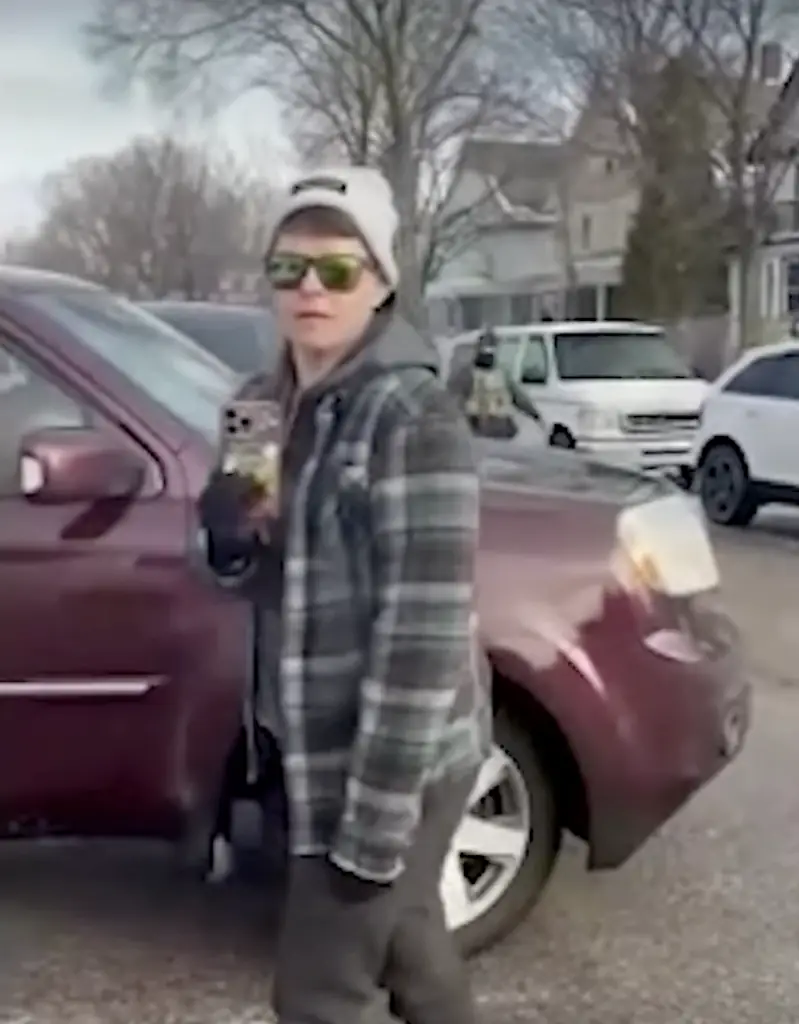
As he approached Renee Good’s car on a Minneapolis street on Wednesday, Immigration and Customs Enforcement agent Jonathan Ross held up his phone and started to record a video.
Less than a minute later he was still recording when he drew his weapon and fatally shot Good as she shifted her SUV forward during the confrontation.
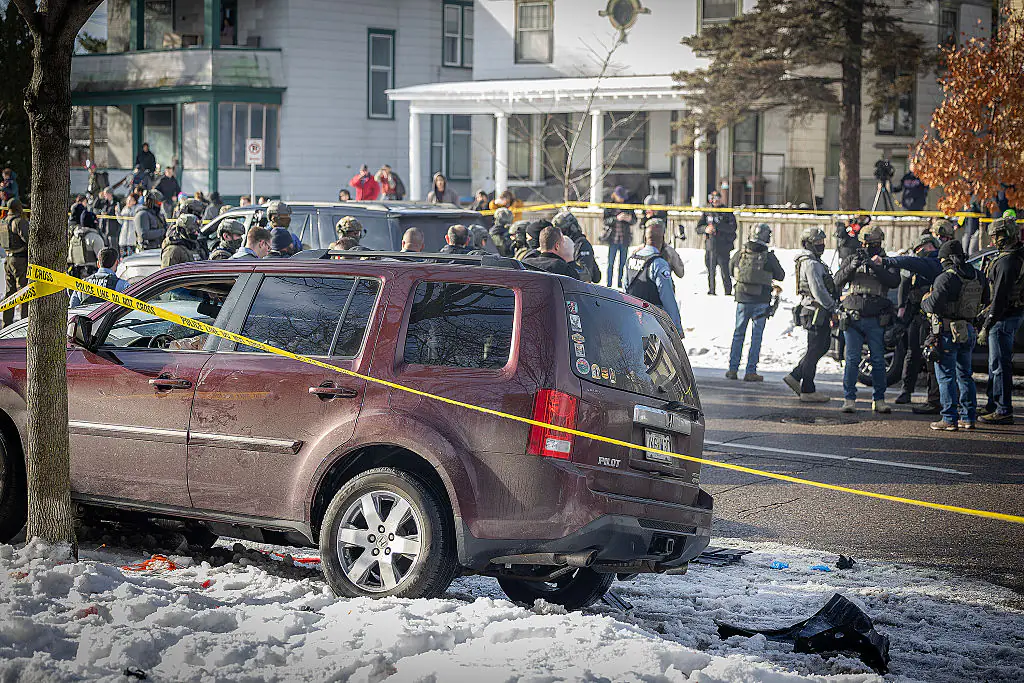
The newly released 47-second clip, taken from the perspective of the agent who fired the shots, begins with Ross walking toward Good’s maroon SUV, which was stopped diagonally across the road.
Good is seated behind the wheel with the window down and can be heard speaking calmly as the agent films around the front and side of her vehicle.
Another ICE agent, off camera, then approaches the driver’s side and repeatedly orders Good to exit the SUV, shouting, “Get out of the f****** car.” The command echoes in the recording, and voices overlap as the agents position themselves around the vehicle.
Good’s wife, Rebecca Good, is visible outside the car. She holds her own phone and at one point shouts to Renee, urging her to drive away from the confrontation. “Drive, drive,” she says just before Good begins to move the vehicle. As the SUV reverses slightly and then turns forward, the camera view shifts with the agent filming, making the exact positions of those involved hard to see.
As Good drives forward, the agent holding the phone can be heard exclaiming “Whoa!” almost immediately before three gunshots ring out in rapid succession.
The video does not show the precise moment the shots are fired, but the audio clearly captures the sound of the gunfire. Shortly afterward, the vehicle is seen careening down the street before crashing a short distance away.
Good, 37, was struck during the gunfire and later died from her injuries. Emergency responders arrived at the scene, and the car ultimately collided with a parked vehicle and a light pole.
No ICE agents were reported to have suffered serious injury during the incident.
The cellphone footage does not show whether the SUV made contact with any of the officers, nor does it capture what happened before the recording began, including why the agents first approached Good’s vehicle or what instructions were given before Ross started filming.
Other video recordings, including bystander and surveillance clips, have also been released and reviewed by investigators, but no single piece of footage shows the full sequence of events from start to finish.
Law enforcement officials say all available video and evidence are being examined as part of multiple ongoing inquiries.
Federal officials have defended the actions of the agent who fired the shots, saying he believed his life was in danger and acted in self-defence as the vehicle moved toward him
Some administration figures have described Good’s actions as an attempt to use her car as a weapon. Local and state authorities, including Minneapolis city leaders, have challenged that interpretation and demanded full transparency around the evidence.
The release of the agent’s cellphone video has reignited public attention on the incident and sparked renewed debate over the use of force by federal law enforcement.
Community members and activists have held protests in Minneapolis and other cities, calling for accountability and clearer answers about what led to Good’s death.
Officials have not announced a timeline for the conclusion of the investigations, and no charges have been filed at this stage. More information may be released as investigators continue reviewing video, witness statements, and other evidence related to the case.
us3 min(s) read
Published 15:57 09 Jan 2026 GMT
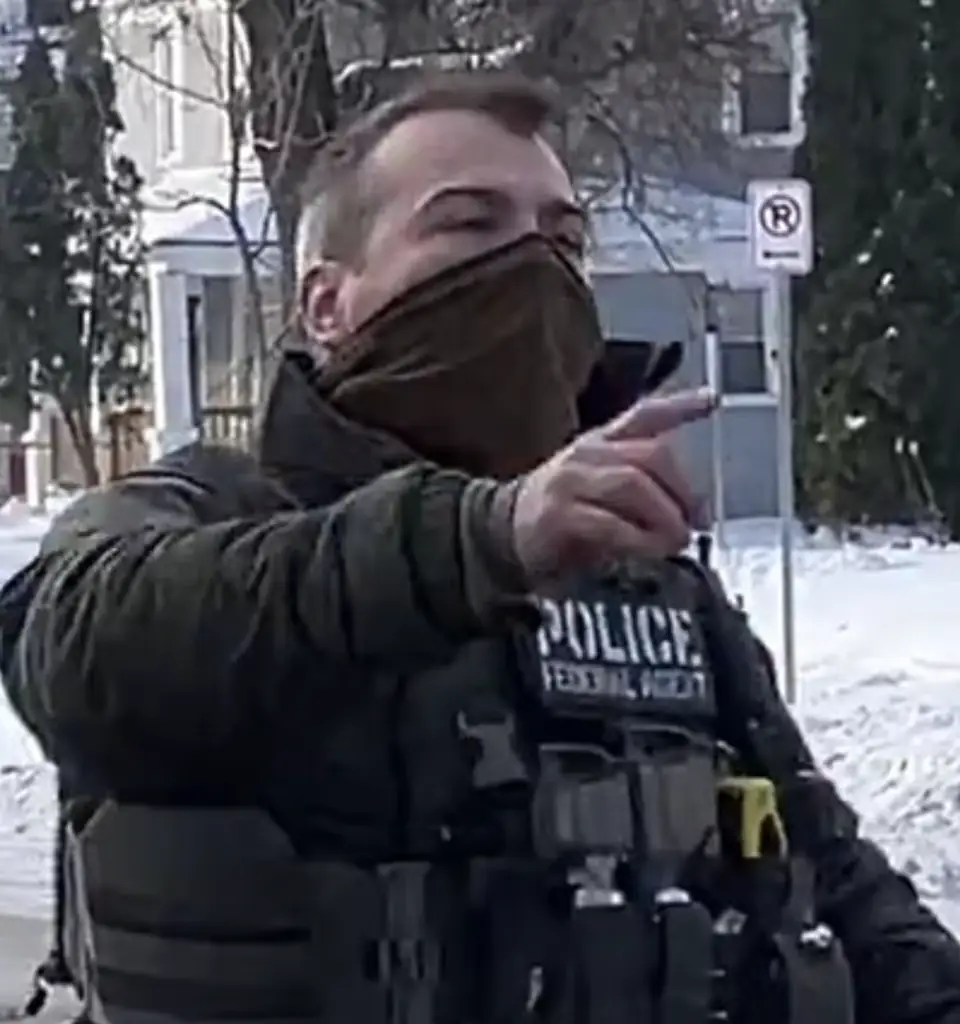
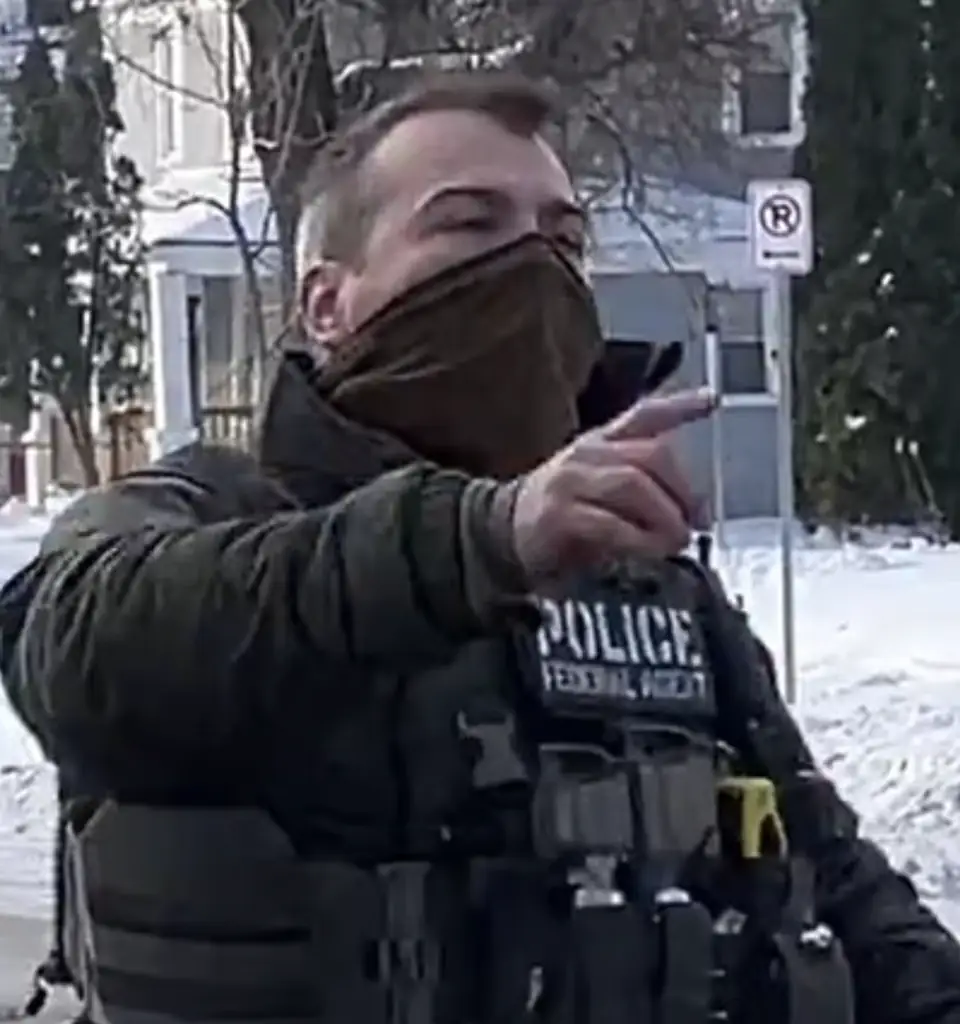
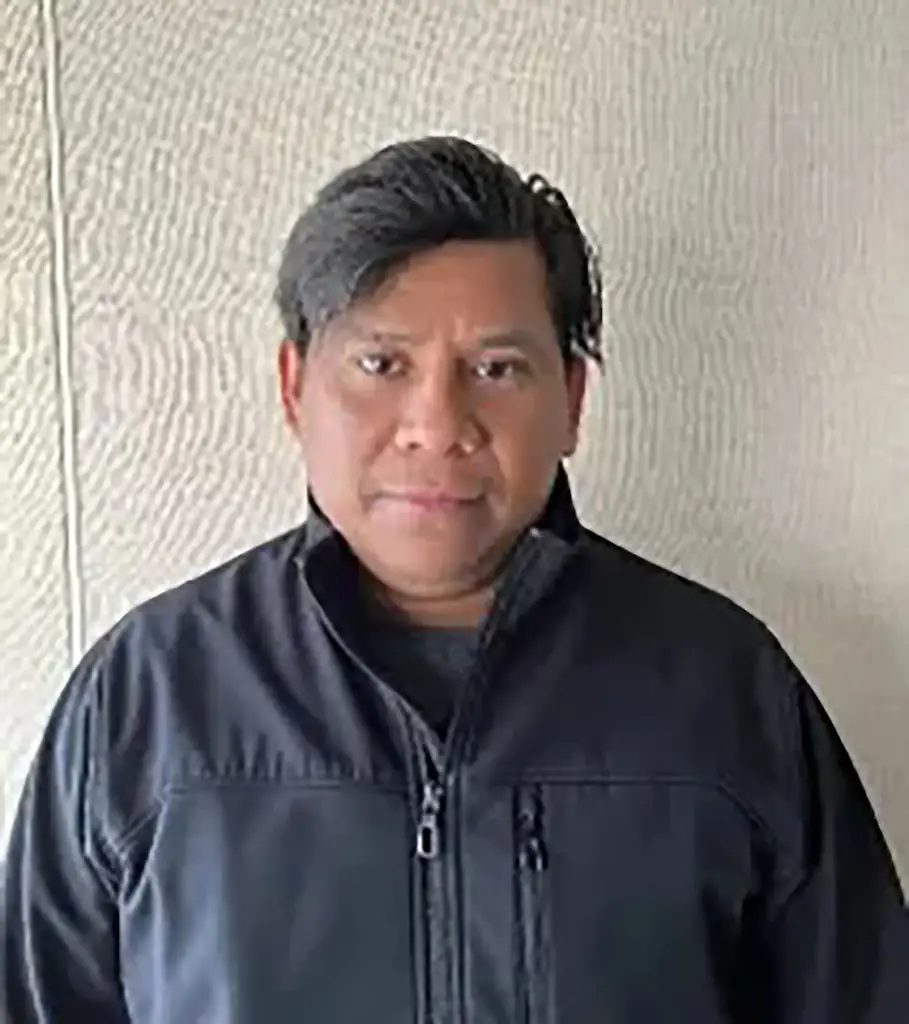
The ICE agent responsible for fatally shooting Renee Good in Minneapolis has been named as Jonathan E. Ross, 43, an Enforcement and Removal Operations officer and Iraq war veteran.
The shooting occurred on Wednesday afternoon as Good, 37, was driving her SUV in an area where ICE agents were stationed. Ross, who is married to a U.S. citizen with Filipino heritage, has become the focal point of public outrage in connection with the incident.
Ross's father, Ed Ross, 80, defended his son's actions in an interview with the Daily Mail, stating that the situation was unavoidable.
"She hit him," he explained, adding that his son had been in a dangerous position, with another officer's arm caught in the car. "He will not be charged with anything," he said, emphasizing his son's character. "You would never find a nicer, kinder person."
Ross, a committed conservative Christian, has lived in Minneapolis since 2015. His family is known for their religious and political values, with Ross’s father previously serving as a director in church-related organizations.
Despite his father’s defense, Ross's involvement in the shooting has ignited debates about ICE's actions, particularly given the ongoing tensions surrounding the agency’s presence in Minneapolis.
Jonathan Ross has been an immigration officer since at least 2013 and served in the military before working with ICE. His home near Minneapolis was purchased in 2015, with a loan from the Veterans Administration.
Ross’s social media activity reveals a complex personal background, including connections to foreign-born relatives through his wife, who has Filipino roots. The couple married in 2012, and posts on her Instagram account indicate they lived in El Paso, Texas, before moving to Minneapolis.
Neighbors described Ross as a reserved individual, often seen flying pro-Trump flags, though his wife was described as friendly and outgoing. The couple has two children together.
While Ross’s father has expressed pride in his son's dedication to his family and faith, the shooting incident has sparked polarized reactions. Witnesses at the scene of the shooting dispute ICE’s version of events, with some claiming that Good was acting as a legal observer during a protest when she was shot.
The tragic incident has led to protests and calls for ICE to leave the state, particularly from local officials in Minneapolis. Despite this, Homeland Security Secretary Kristi Noem has insisted that ICE will remain in Minnesota.
The confrontation, which involved Ross and his colleagues, is being heavily scrutinized, especially with conflicting reports about whether Good’s actions posed a direct threat to the agents.
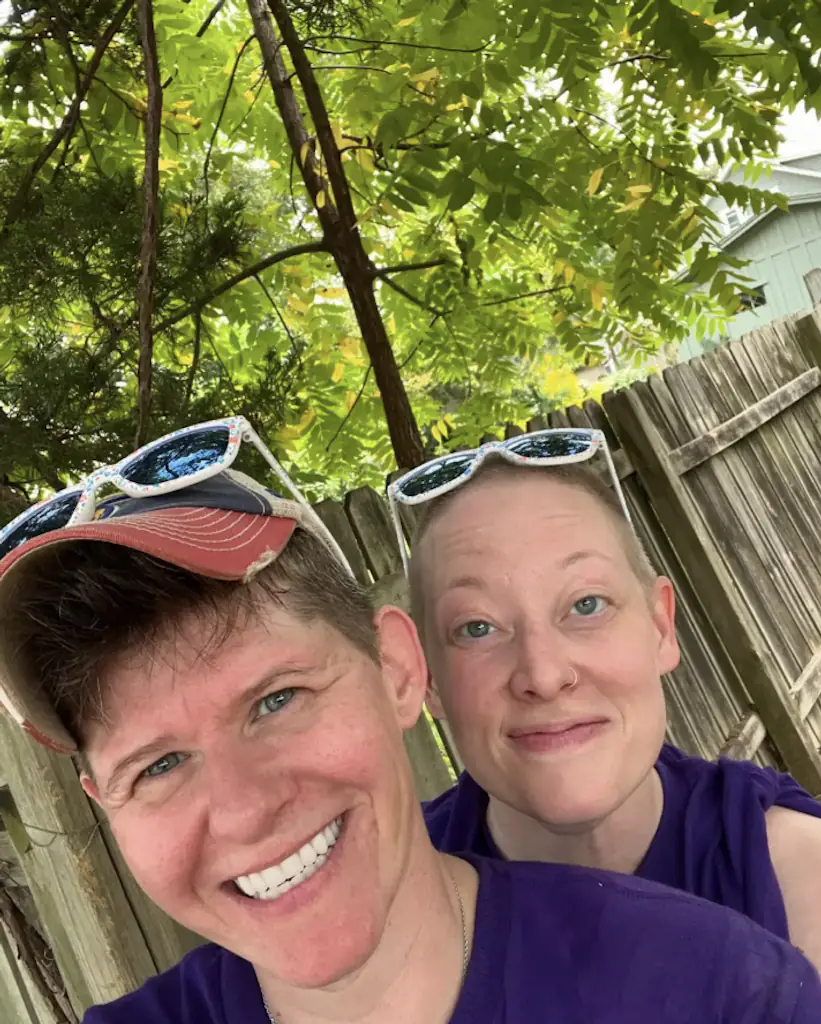
Renee Good, a mother of three and poet, had been involved in social justice activism. She was married to comedian Timothy Macklin, who passed away in 2023, and later lived in Minneapolis with her wife, Rebecca Good.
us5 min(s) read
Published 13:54 09 Jan 2026 GMT
Renee Nicole Good's ex-husband has spoken out after an ICE agent fatally shot her.
On Wednesday (January 7), the 37-year-old mother was shot by an Immigration and Customs Enforcement (ICE) agent identified as Jonathan Ross at the intersection of 34th Street and Portland Avenue in Minneapolis.
Footage of the horrific moment was shared on social media and shows ICE agents surrounding Good’s vehicle, with one officer shouting at her to open the door and grabbing the handle.
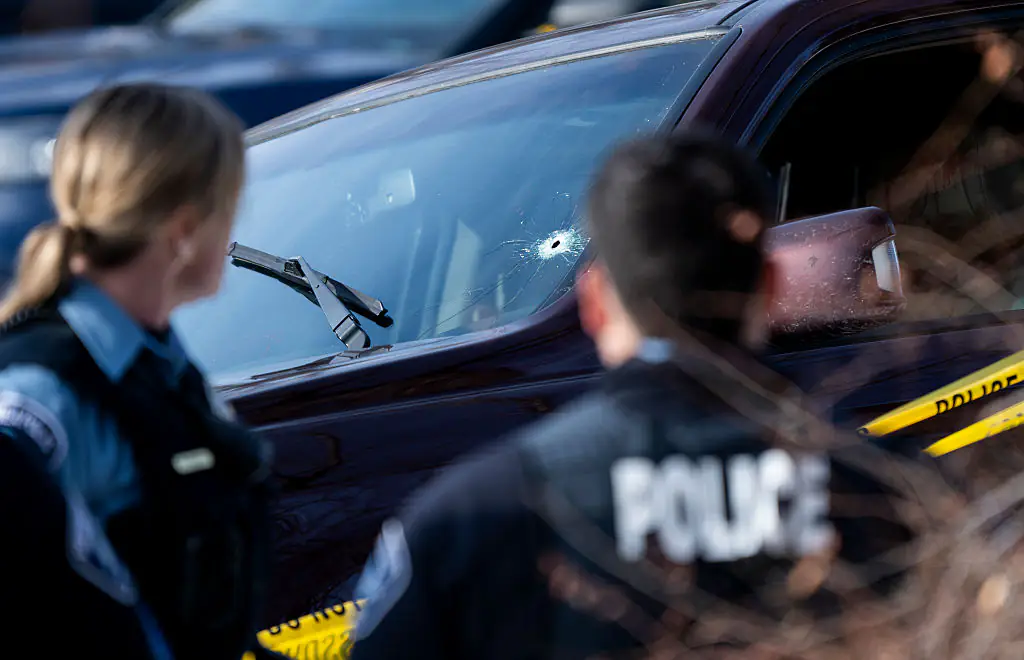
As she begins to pull forward in her car, another agent standing in front of the vehicle draws his weapon and fires multiple times into the windshield at close range.
The woman was taken to the hospital but did not survive.
While Trump administration officials have painted Good as a domestic threat who tried to "ram" agents with her vehicle, her family and community are pushing back hard.
Good’s ex-husband, who asked not to be named to protect their children, rejected any claims that she was politically active.
The Associated Press reports that he said: “She was no activist and that he had never known her to participate in a protest of any kind. He described her as a devoted Christian who took part in youth mission trips to Northern Ireland when she was younger.”
Born in Colorado, Good was a US citizen with no criminal history beyond a single traffic ticket.
A self-described “poet and writer and wife and mom,” she had recently moved to Minneapolis from Kansas City with her wife and six-year-old son.
Her social media accounts were filled with posts about motherhood, tattoos, and home decorating. Her Instagram bio proudly stated she was “experiencing Minneapolis,” complete with a pride emoji.
Good had two other children, a 15-year-old daughter and a 12-year-old son, from her first marriage.
She previously worked as a dental assistant and at a credit union, but had spent recent years primarily as a stay-at-home mom. Her second husband, with whom she shared a podcast, died in 2023.
“She was extremely compassionate. She’s taken care of people all her life,” her mother, Donna Ganger, told the Star Tribune. “She was loving, forgiving and affectionate. She was an amazing human being.”
Good’s death took place barely a mile from the spot where George Floyd was murdered by Minneapolis police in 2020, another incident that was filmed by witnesses and ignited national outrage.
As with Floyd, bystander videos of the mother's final moments quickly spread online, showing the ICE officers appearing to escalate the situation rather than de-escalating it.
ICE's own policies, updated in 2023, require agents to use force only when “no reasonably effective, safe and feasible alternative appears to exist,” and to prioritize “de-escalation” and “respect for human life.”
State and local officials have said Good’s action did not appear to pose an immediate threat that justified lethal force. In addition to this, Minneapolis Mayor Jacob Frey called the federal self-defense argument “garbage”.
A tearful woman, identified by neighbors as Good’s wife, was filmed moments after the shooting, sobbing on the sidewalk, and yelling: “It’s my fault."
“I made her come down here; it’s my fault,” she said at the scene, according to The National News Desk. “They just shot my wife.” Rebecca added: “They shot her in the head. I have a six-year-old in school.”
Friends and former teachers remembered the late woman as a deeply caring person who once studied creative writing at Old Dominion University.
Professor Kent Wascom recalled her juggling the demands of school, work, and motherhood. “What stood out to me in her prose was that, unlike a lot of young fiction writers, her focus was outward rather than inward,” he said. “Her presence helped make that classroom a really supportive place.”
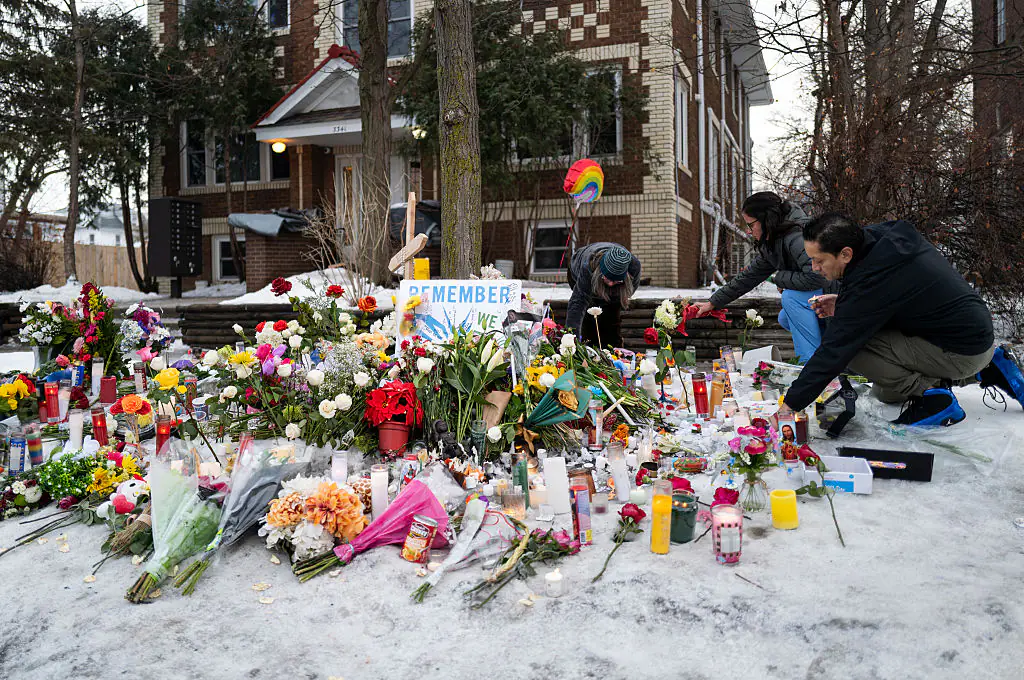
As outrage grows, so do calls for accountability. Protesters gathered at the spot where Good was killed, lighting fires in steel drums to stay warm in the freezing rain. A makeshift memorial with flowers and signs reading "JUSTICE FOR RENEE" appeared nearby.
Many critics argue that under the Trump administration’s intensified crackdown on immigration, ICE is growing more aggressive, with Good’s death marking the ninth ICE-involved shooting since September.
While officials defend the agency’s actions as being based on "strength" and "power," legal experts and human rights advocates argue that this approach goes against federal guidelines and the Constitution.
Per The Guardian, a 1985 Supreme Court ruling in Tennessee v. Garner states that deadly force may only be used if there is an immediate threat of death or serious injury, a threshold many say was not met in Good’s case.
us3 min(s) read
Published 13:39 09 Jan 2026 GMT
The contents of Renee Good's glove compartment have been revealed after she was shot and killed by an ICE agent.
Renee Nicole Good, 37, was shot by an ICE agent in Minneapolis, which has ignited widespread condemnation across the country.
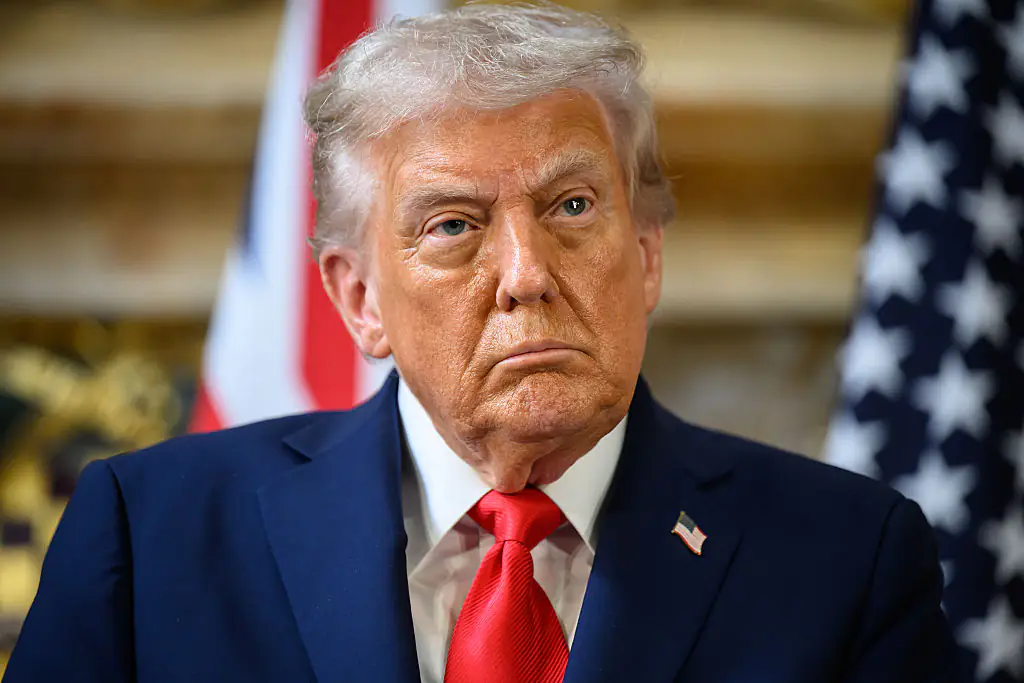
The actions of the shooter, who has since been revealed as Jonathon Ross, have also been praised by Donald Trump and his administration.
Rep. Eric Swalwell displayed images at a House Judiciary Committee hearing that displayed the contents of Good's glove compartment at the time she was shot.
He described her as a "37-year-old mum with three kids," who was "not a terrorist".
Swalwall described how there was no weapon in the glove compartment, just stuffed animals that resembles the glove compartments of many parents across the country.
"She had a baby to go home to," he continued. "A six-year-old who is now orphaned, who lost his father two years ago."
He addressed those supporting the shooting, saying: "You want to root on, and cheer for her being shot in the face three times?"
Homeland Security Secretary Kristi Noem is standing firm behind the ICE agent who fatally shot Renee Nicole Good in Minneapolis, doubling down on claims that it was self-defense and labeling the incident “an act of domestic terrorism,” per The Guardian.
During a Thursday morning press conference in New York City, Noem didn’t back down from the department’s stance and even said she was “not opposed” to sending more federal agents to Minneapolis in the wake of the shooting.
Noem also claimed Good had been “following and harassing” the agents during enforcement activity, and echoed earlier DHS statements that she “used her vehicle as a weapon” and tried to run over the officer who shot her.
Vice President JD Vance referred to Good's death as "classic terrorism."
He continued: “Everybody who’s been repeating the lie that this is some innocent woman who was out for a drive in Minneapolis when a law enforcement officer shot at her, you should be ashamed of yourself.”
Contrary to the cries of Trump and his followers, videos online paint a picture of a scared woman attempting to flee a hostile situation.
In the clip, Good’s SUV is seen clipping the officer before he fires multiple shots at close range through her vehicle’s windows.
He discharged one through her front windscreen, and two further shots through her side window when he was safely out of the way.
Seconds later, her car crashes into a parked white vehicle about 100 feet away.
Online reactions have been blunt and emotional.
“Murder. Plain and simple. There are times we can no longer stay silent. This is the time. This is murder,” one viewer wrote.
Another comment read: “That wasn’t self defence. That was retaliation/anger that she was getting away. They should all prosecuted.”
On Reddit, one user analyzed the video frame-by-frame: "THE WHEELS ARE FULLY TURNED AWAY FROM THE OFFICER. Watch in SLOW MO. No intention IMO to hit anyone. Sole intention based on wheel/steering wheel to LEAVE the scene NOT A THREAT. Look at the wheel."
us5 min(s) read
Published 14:22 09 Jan 2026 GMT
The federal agent involved in the fatal shooting of Renee Good in Minneapolis is Jonathan Ross, a highly experienced law enforcement officer with a career spanning nearly two decades.
Ross, a veteran of the Iraq War, has worked extensively in both the Border Patrol and U.S. Immigration and Customs Enforcement (ICE), as reported by the Independent.
While Ross's identity had not initially been revealed by federal officials, the shooting incident has raised significant attention, leading to an FBI investigation and public demands for accountability.
Jonathan Ross's career in law enforcement began after his service in the Iraq War.
From 2004 to 2005, Ross served as a machine gunner with the Indiana National Guard, providing support as part of a combat patrol team.
After returning from Iraq, Ross pursued a college education and later joined the U.S. Border Patrol in 2007.
Stationed near El Paso, Texas, he worked as a field intelligence agent, gathering and analyzing information related to drug cartels and human trafficking.
In 2015, Ross transitioned to ICE, where he has worked as a deportation officer. His primary role involves targeting "higher value" individuals involved in illegal immigration and fugitive operations in the Minneapolis area.
Ross also played a leadership role within the FBI's Joint Terrorism Task Force, utilizing his expertise in intelligence gathering and tactical operations.
Over the years, Ross has held numerous specialized positions, including firearms instructor, active shooter instructor, and SWAT team member.
His extensive training included attending the Border Patrol Academy in New Mexico, where he also became proficient in Spanish.
Ross's career has not been without its dangers.
On June 17, 2022, he was involved in a violent encounter during an attempted arrest in Bloomington, Minnesota.
Federal agents, including Ross, had gathered outside the home of Roberto Munoz-Guatemala, a man who was in the U.S. illegally.
When Munoz-Guatemala attempted to flee the scene, Ross tried to stop him by positioning his vehicle diagonally in front of the suspect's car.
The situation quickly escalated. After approaching Munoz-Guatemala's vehicle and ordering him to park, Ross used a "spring-loaded window punch" to break the car's window and unlock the door.
As Ross tried to arrest him, Munoz-Guatemala drove off, dragging Ross down the street with his arm caught in the vehicle.
Ross deployed his Taser, striking Munoz-Guatemala in an effort to stop him, but the suspect continued to flee, dragging Ross for nearly the length of a football field before he was finally dislodged after hitting a curb.
The injuries Ross sustained during this incident were severe. He required dozens of stitches for cuts and abrasions to his arm, knee, and face.
Despite his injuries, the suspect, Munoz-Guatemala, was later convicted of assaulting a federal officer with a dangerous weapon.
Fast forward to Wednesday, when Ross was involved in the fatal shooting of Renee Good, a 37-year-old mother, in Minneapolis.
Good was shot by federal agents after she allegedly attempted to drive away from a confrontation with them.
While federal officials have not publicly identified Ross as the officer involved, Homeland Security Secretary Kristi Noem referred to a previous incident where Ross had been dragged by a vehicle.
Noem confirmed that Ross was the officer injured in the Bloomington case last summer.
Noem and other officials from the Trump administration have defended Ross, stating that he acted according to his training during the shooting of Good.
They argue that Ross believed Good was trying to run him or other agents over with her vehicle, which prompted him to use deadly force. However, video footage of the incident has raised questions about whether the shooting was justified as an act of self-defense.
The FBI has launched an investigation into the deadly use of force, which has sparked significant public controversy.
Some protesters are calling for criminal charges to be brought against Ross, while Minnesota authorities have also expressed interest in conducting their own investigation into the incident.
As of now, attempts to reach Ross for comment have been unsuccessful.
Despite the controversy surrounding the shooting, federal officials, including Vice President J.D. Vance, have spoken in defense of Ross. Vance praised Ross's long service to the country, noting his extensive training and commitment to law enforcement, per the Guardian.
"This is a guy who’s actually done a very, very important job for the United States of America," Vance said. "He’s been assaulted. He’s been attacked. He’s been injured because of it."
Assistant DHS Secretary Tricia McLaughlin also spoke in support of Ross, highlighting his selection for ICE’s special response team, a highly demanding unit that requires specialized training in areas such as breaching techniques, perimeter control, hostage rescue, and firearms.
McLaughlin emphasized that Ross’s actions were consistent with the rigorous training he had received throughout his career.