


US3 min(s) read
5 biggest bombshells from new Netflix doc on Idaho student murders

A new Netflix show has revealed chilling new details about the murders of four University of Idaho students, including why two surviving roommates didn't call police for hours and the lasting impact the case had on investigators.
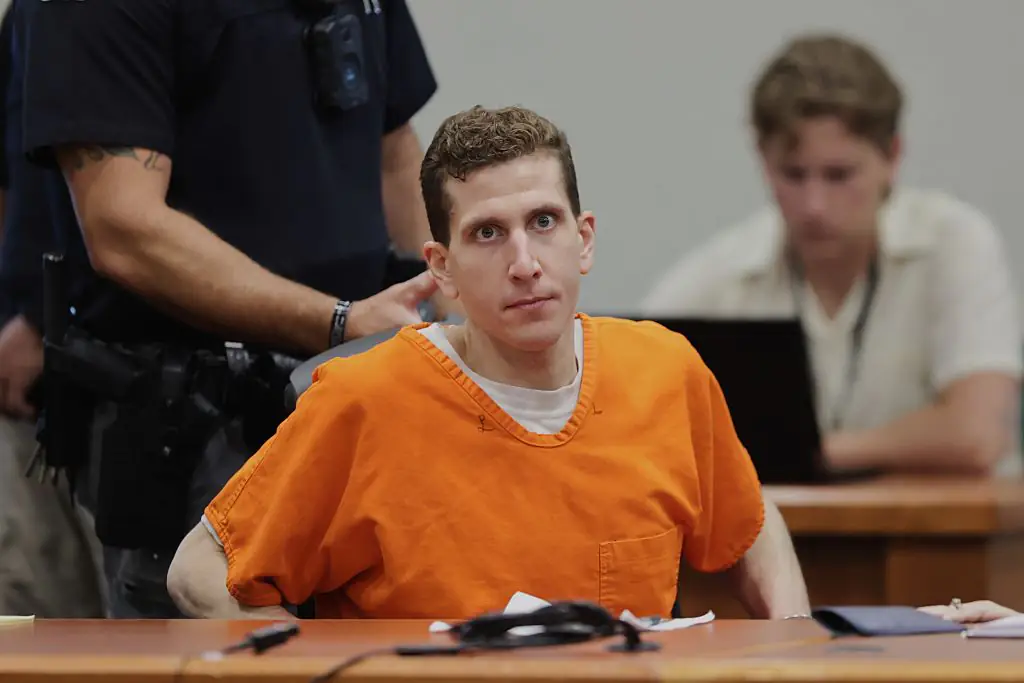
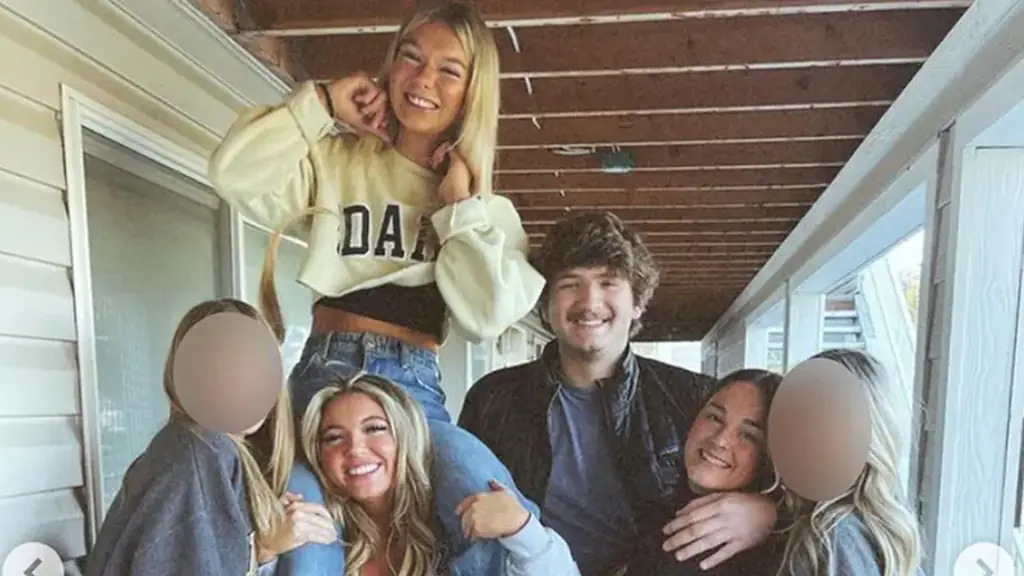
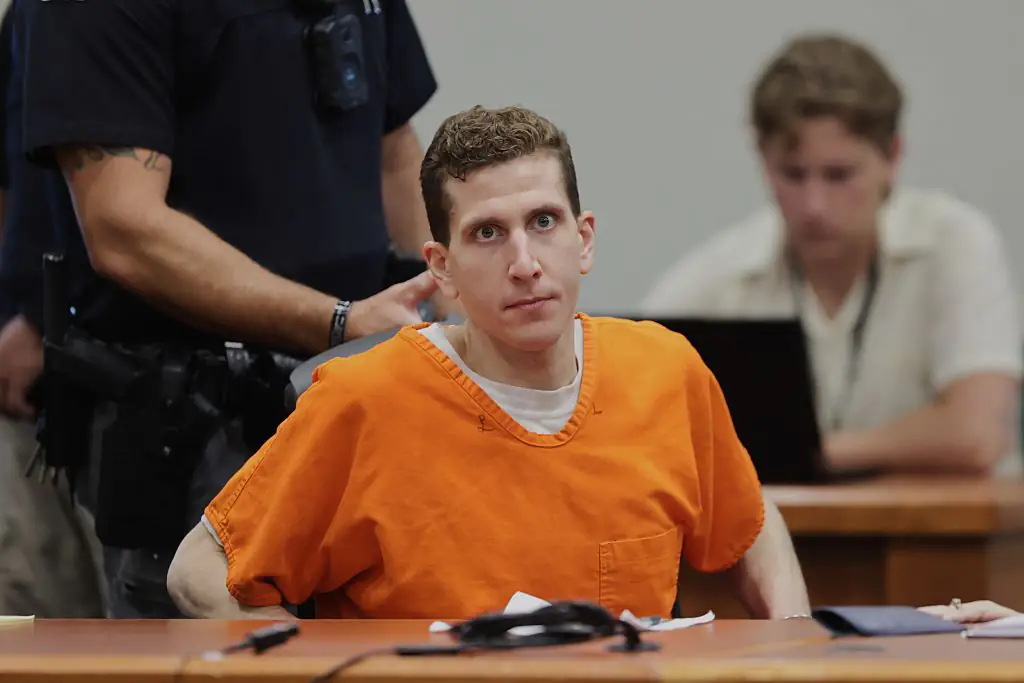
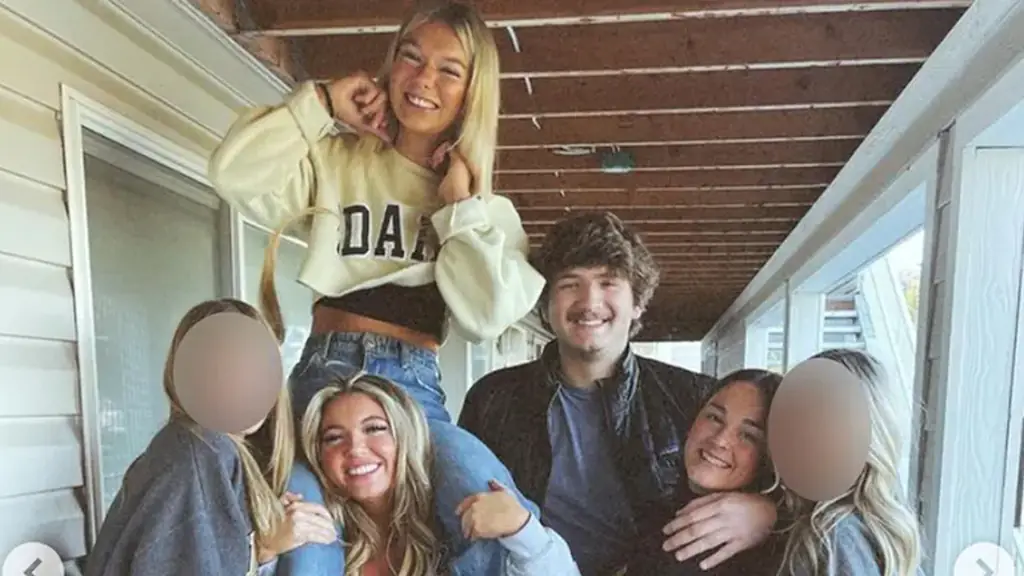
The Idaho Murders: College Nightmare revisits the killings of four students, Kaylee Goncalves, Madison Mogen, Xana Kernodle, and Ethan Chapin, who were all stabbed to death in an off-campus home by PhD student Bryan Kohberger.
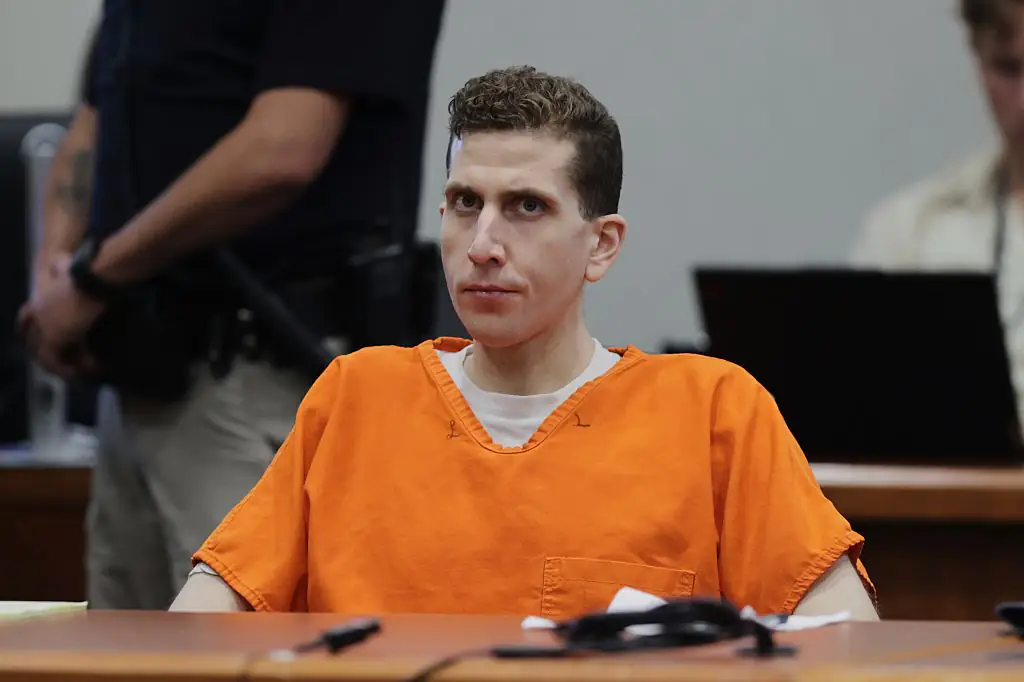
Kohberger later pleaded guilty and was sentenced to four consecutive life terms, although he has since attempted to withdraw his guilty plea.
The show reveals several key aspects
Among the documentary's biggest revelations is the account of surviving roommate Dylan Mortensen, who recalled hearing one of her housemates say: "Someone's here," before locking herself in her bedroom because she was frightened.
"I locked my door, because I was so scared," she said, adding that she later heard a man say: "You're going to be OK. I'm gonna help." Mortensen said the words weren't reassuring, but delivered "in a weird way" and "in a weird tone".
The series also addresses why police weren't called until nearly eight hours later. Kaylee Goncalves' mother, Kristi, revealed she asked the coroner whether her daughter could have been saved if help had arrived sooner.
"The answer was no," she claimed.
The impact on the victims and their families
The local Police Chief, Anthony Dahlinger, defended the surviving roommates, explaining: "People are in shock, it's traumatic. I mean, I can't imagine being of that age, and being able to comprehend that this horrific thing just occurred."
The documentary also explores Kohberger's interest in criminal psychology before the murders. Former classmate Lilly Karaban said he "adored" a serial killer course at university, while Kaylee's sister Alivea pointed to an alleged questionnaire Kohberger posted online asking convicted criminals questions including: "Why did you choose that victim or target over others?"
Looking back, she said it "almost seemed like preparation for the perfect crime."

The emotional toll extended beyond the victims' families. Dahlinger described the crime scene as "absolutely horrific" and admitted the investigation left him requiring therapy following the disturbing findings.
"It caused me a lot of trauma, to the point where I ended up having to get help and talk to a professional," he said, adding that seeking help is "a very difficult thing to do" for many law enforcement officers.
The show has been widely commended for its approach to detailing the events of the brutal murders, with the focus recognizing the impact it's had on the victims, rather than solely investigating Kohberger.
.jpg_xKEaT0?tr=cr-0.328.2730.3058,f-webp,q-70,w-100)
.webp_lli6Ty?tr=cr-74.9.445.380,f-webp,q-70,w-100)


.jpg_xKEaT0?tr=cr-0.328.2730.3058,f-webp,q-70,w-1024)


.webp_lli6Ty?tr=cr-74.9.445.380,f-webp,q-70,w-1024)

