


US4 min(s) read
Burger King responds after employee is filmed wearing blackface at drive-thru in viral footage

Burger King has issued a response after a viral video revealed an employee wearing blackface at a drive-thru.
The controversy began on October 31 when customer Shavelle Devine recorded an interaction with the employee at the fast food chain.
In the clip, which was shared on Facebook, the worker can be seen wearing a branded Burger King hat, headset, and dark makeup around her face.
Burger King employee says she 'just wanted to be Black'
The video begins with Devine questioning the employee about her appearance.
"I just asked this lady what she was today," the customer said in her video, showing the worker wearing blackface in the window. "Can you tell them what you told me?"
"I’m just Black today," the Burger King employee responded.
Devine then asked the worker to repeat what she had said when questioned about whether her appearance was appropriate.
"You said, 'Did I think it was okay,'" the employee said.
When Devine asked whether her intentions were good, the worker nodded.
The conversation takes another turn when Devine asks whether the staffer supports Black Lives Matter.
The employee says she doesn't and explains that she "just wanted to be Black."
"Why would you want to be Black? Do you know the struggles that we go through as Black people?" Devine then asked.
"Sorry, you’re making me laugh, sorry, no, yes I do. Or I mean, no, I don’t. No, I don’t," the employee replied.
Customer speaks out after controversial video goes viral
Devine told PEOPLE that she felt "disappointment, frustration, and concern" regarding the incident.
"I find this behavior completely unacceptable, offensive, and disrespectful," she said.
"African Americans should not have to continuously explain why racism is offensive or why certain actions are unacceptable. We should not have to minimize our feelings, overlook disrespect, or accept racial humiliation for the comfort or amusement of others."
Devine also criticized what she described as the "apparent lack of seriousness" with which other Burger King employees handled the situation.
"Rather than recognizing the seriousness and offensiveness of the situation, their reactions seemed more like a joke,” she said. “That response sends a troubling message that racial insensitivity is something to laugh about rather than something that deserves immediate attention and accountability."
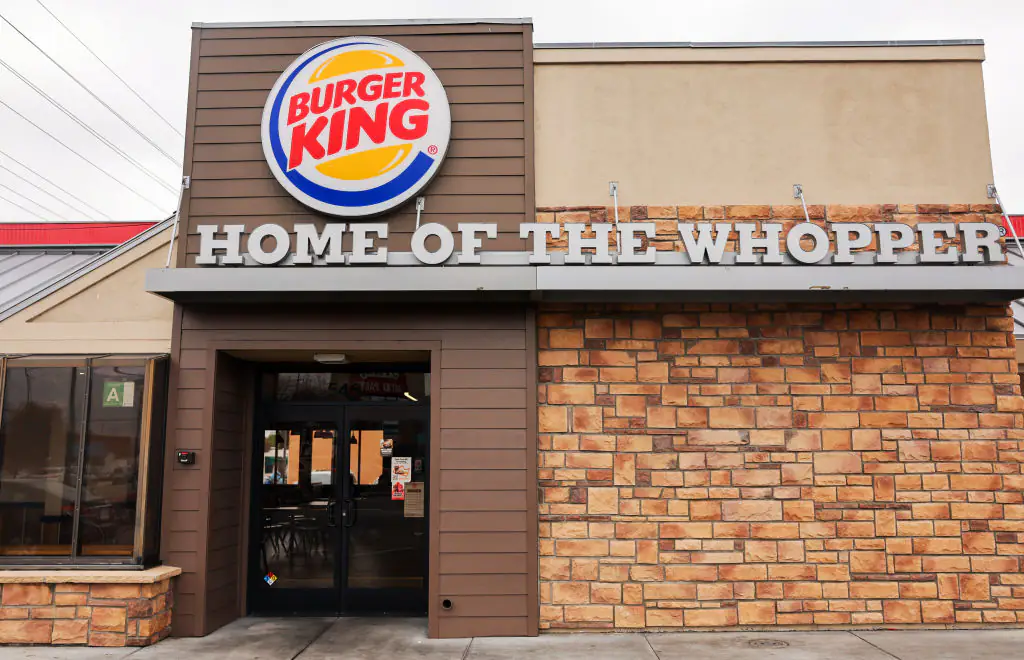
Burger King issues a statement condemning the employee's actions
The fast-food chain responded to the video, which has amassed 13.3 million views as of the time of writing, and condemned the employee's actions.
"We are aware of the video and take the matter very seriously," a spokesperson said.
"The Franchisee of this location is addressing the situation with his team, manager, and Team Member to ensure everyone involved understands why this is not acceptable and won’t happen again," they added.
The chain did not confirm at which location the incident occurred.
Blackface, which involves darkening one's skin with makeup to imitate Black people, has a long history rooted in racism and discrimination.
According to the National Museum of African American History & Culture, it began as a practice in the US in the 1830s, when white performers wore blackface to imitate Africans who were enslaved on Southern plantations.
These performances, commonly known as minstrel shows, relied on degrading stereotypes that depicted Black people as lazy, ignorant, cowardly, and inferior.
Devine emphasized that wearing blackface should never be dismissed as harmless entertainment.
"Blackface is not simply a Halloween costume, a joke, or a harmless form of entertainment," she said. "It carries a deeply painful history rooted in racism, humiliation, discrimination, and the dehumanization of African Americans."
The customer has urged Burger King to take steps to prevent similar behavior in the future.
"This is about respect, accountability, and understanding that actions rooted in a painful history of racism have real consequences," Devine said. "What may seem funny to one person can be deeply hurtful and offensive to an entire community.
"For generations, Black people have had to fight against stereotypes, prejudice, unequal treatment, and the social and economic barriers created by racism. These struggles are not just part of our history; they continue to affect our communities today," she concluded.