ADVERT
Health3 min(s) read
Published 10:57 20 Jul 2026 GMT
A man who caught the "explosive diarrhea parasite", which he believes he got from a fast food meal, revealed the terrifying symptoms he experienced.
Alonso Zaragoza, 46, from Chicago, told NBC Chicago 5 he ended up in the emergency room last Wednesday after suffering relentless diarrhea for over a week, after eating a Taco Bell meal.
He explained: "It was just every hour and a half going to the washroom. I don’t think I slept more than an hour and a half continuously in the last week."
Zaragoza revealed that he then developed a terrifying symptom which made him seek medical attention - blood in his stool.
He recalled: "My family was like, 'That’s not normal.'"
After being admitted to the hospital, doctors ran blood and stool tests which showed Zaragoza had contracted cyclosporiasis, a fast-spreading intestinal illness that’s been linked to contaminated iceberg lettuce.
He was hooked up to an IV drip to help with his recovery as Zaragoza retraced his recent meals to try and work out where he may have contracted the parasite.
Zaragoza explained: "I looked through everything; there was nothing that I ate that contained lettuce except for a chalupa from the luxe box at Taco Bell.
"I looked at the app, I Googled the ingredients [of the Chalupa Supreme] – it said iceberg lettuce."
Thankfully, by Saturday Zaragoza said he was "probably at like 80%” recovered, adding: "That’s still better than a lot of people right now."
Almost 7,000 people across 34 states have become ill in the outbreak, per the New York Post, which health officials have largely linked to contaminated lettuce from Taylor Farms which was served at Taco Bell restaurants.
The CDC reported on Saturday that 94 people had been hospitalized amid the epidemic, but there have so far been no deaths.
Taco Bell is now facing a growing wave of lawsuits in the wake of the concerning outbreak.
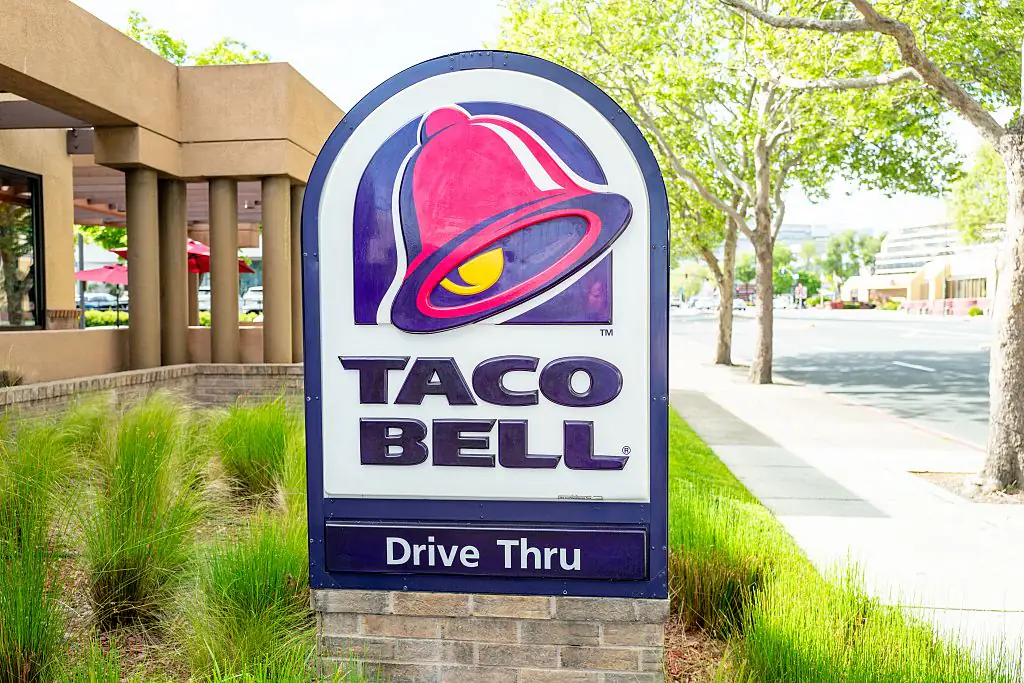
Among the plaintiffs is Mohammed Ayyad, who regularly visits the fast food establishment in North Olmsted, Ohio, who claimed he fell ill after eating Cheesy Fiesta Potatoes and Avocado Ranch Chicken Stackers over three visits in mid-June.
He developed a "severe" headache, chills, vomiting, and persistent diarrhea just days later, with his symptoms being so severe he was unable to sleep, per the lawsuit he filed against the eatery in Ohio federal court.
A stool test on July 9 confirmed that Ayyad had contracted cyclosporiasis, and the illness meant he had to miss two weeks of work, causing him a loss of income, and he also still suffers from nausea and other symptoms, according to the complaint against Pacific Bells LLC which operates around 300 Taco Bell restaurants.
Ayyad’s attorney, Bill Marler, told the New York Post: "We have been contacted by more than 30 people – and 90% of them ate at Taco Bell."
Taco Bell said it had “completed removal of affected Taylor Farms lettuce from our restaurants” while the supplier recalled a lengthy list of products, including shredded iceberg lettuce.
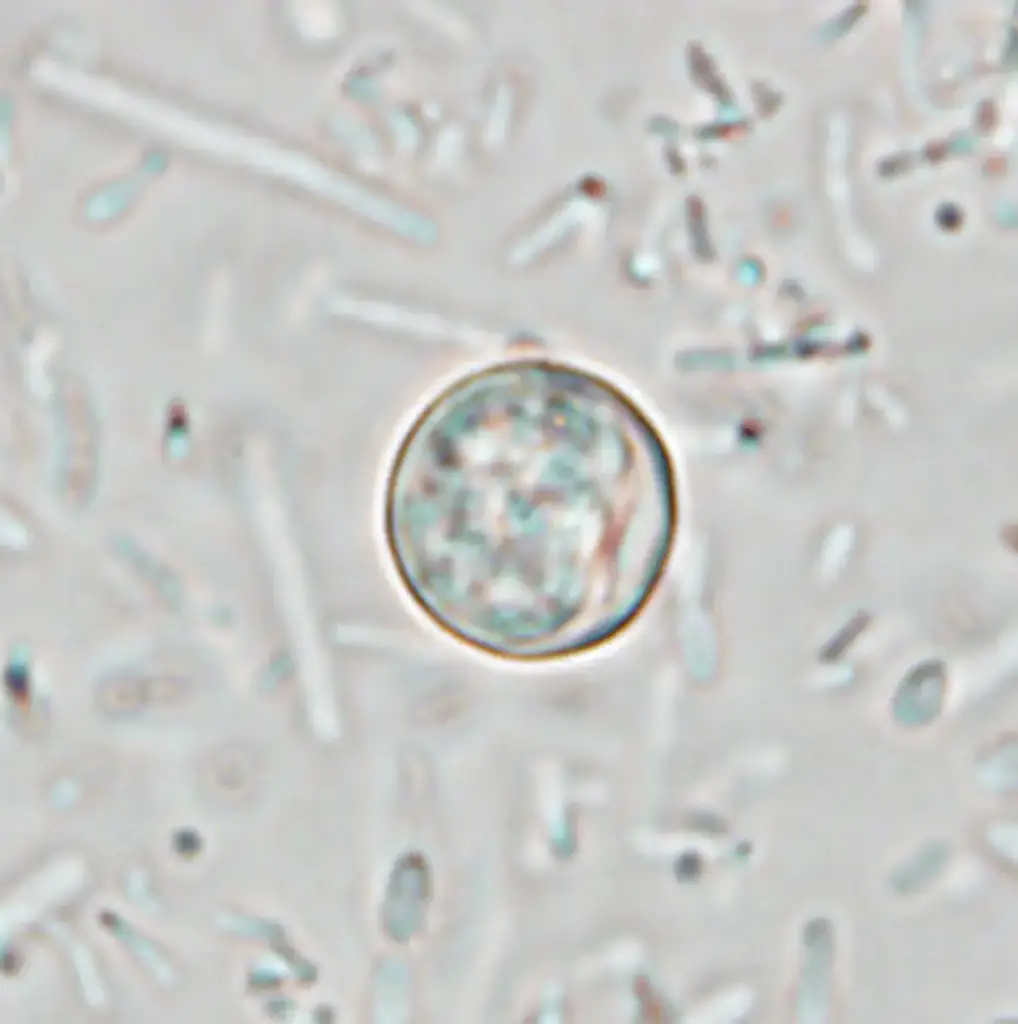
Cyclosporiasis is contracted through ingesting the microscopic parasite, which the causes symptoms including persistent diarrhea, as well as stomach cramps, nausea, fatigue, bloating, weight loss and low-grade fever, per the CDC.

Those most at risk of severe illness are people with weakened immune systems, the elderly, or children, per the FDA.
Zaragoza shared a warning for others amid the outbreak, adding: "Stay hydrated, be careful [about] where you’re eating, making sure you wash, clean and cook any greens that you’re eating."
us3 min(s) read
health3 min(s) read
us news3 min(s) read
Published 15:45 14 Oct 2024 GMT
world3 min(s) read
Published 09:40 10 Jul 2026 GMT
Taco Bell has temporarily removed key items from its menu at certain restaurants as health officials investigate a fast-growing parasite outbreak linked to explosive diarrhea.
Some locations have posted notices informing customers they are unable to serve several produce items.
"We are currently unable to sell Lettuce, Cilantro Onion, Pico de Gallo and Guacamole due to a nationwide recall," the signs read. "We apologize for the inconvenience. Any items ordered that normally come with these items WILL NOT contain them."
The missing ingredients are staples in a number of Taco Bell favorites, including tacos, the Crunchwrap Supreme, and Cantina Chicken menu items.
It is not yet clear whether some customers have become sick after eating the affected ingredients.
The menu changes come as health officials investigate a growing outbreak of cyclosporiasis, an intestinal illness caused by the Cyclospora parasite.
According to the Michigan Department of Health and Human Services, the state has reported 992 cases connected to the outbreak, an increase compared with the roughly 50 cases it normally records each year.
New York City has also seen a sharp rise, confirming 273 cases since May 1 and 301 cases so far in 2026, according to the city's Health Department.
Meanwhile, the Centers for Disease Control and Prevention (CDC) previously reported that 145 people between the ages of five and 86 contracted Cyclospora cayetanensis between May and June 16.
Twenty people were hospitalized, though no deaths were reported.
The CDC says the parasite can cause "watery diarrhea" and "frequent and sometimes explosive bowel movements" that may last for a month or longer.
Other symptoms include stomach cramps, nausea, bloating, fatigue, loss of appetite, and weight loss.
Some patients may also experience vomiting, low-grade fever, headaches, body aches, and increased gas, while others may show no symptoms at all.
Although many people recover without treatment, symptoms can last for several days to more than a month, increasing the risk of dehydration if left untreated.
Doctors usually treat the illness with the antibiotic trimethoprim-sulfamethoxazole, sold under the brand names Bactrim, Septra, and Cotrim.
Investigators revealed that fresh imported produce was linked to several previous cases of cyclosporiasis in the United States.
Foods previously associated with outbreaks include cilantro, raspberries, sweet peas, mesclun lettuce, and basil.
In 2019, imported basil from Mexico was linked to an outbreak, while contaminated McDonald's salads left nearly 400 people sick in 2018.
Health officials are now urging people to thoroughly wash their produce, clean kitchen utensils and surfaces, and cook raw produce whenever possible.
Published 10:36 01 Jul 2026 GMT
A parasite known to cause explosive, watery diarrhea has sparked concern among health officials.
The Centers for Disease Control and Prevention (CDC) has announced that 145 people between the ages of 5 and 86 contracted Cyclospora cayetanensis between May and June 16.
Twenty people have been hospitalized, although no deaths have been reported.
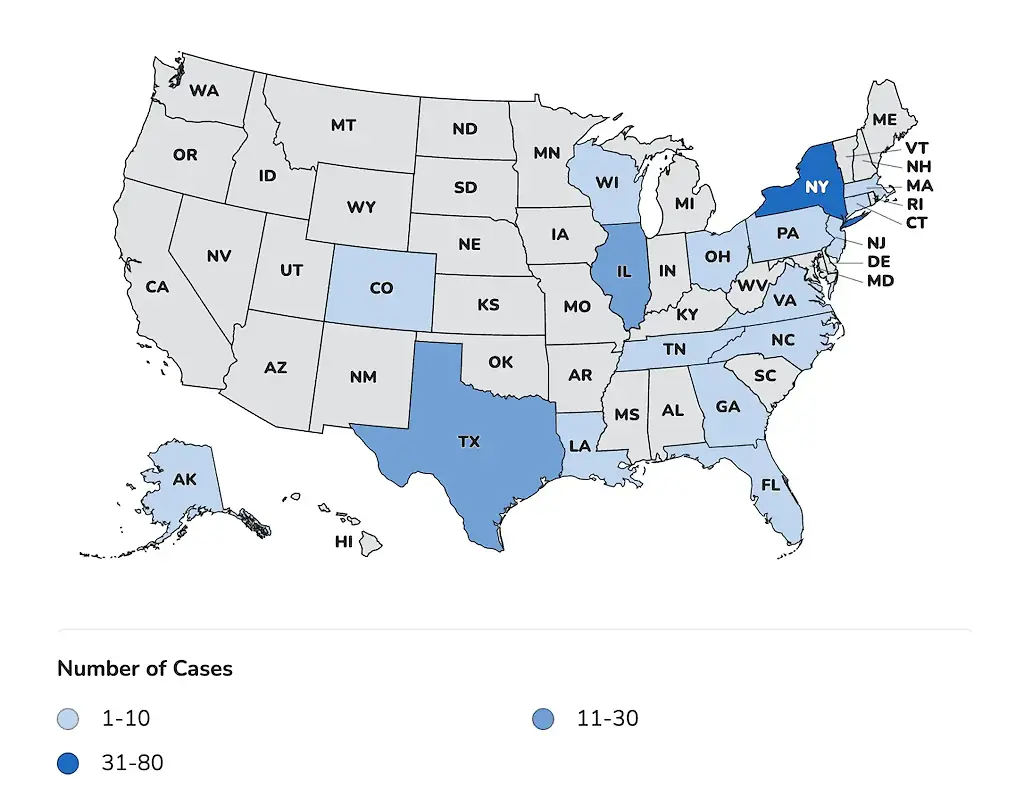
New York has reported the largest number of cases, with the CDC placing it in the 31 to 80 case range. Texas and Illinois have each reported between 11 and 30 cases, while the remaining affected states have reported between one and 10 infections.
Despite the growing number of cases, investigators have yet to pinpoint exactly what caused the outbreak.
Cyclospora infections are usually associated with ingesting food or water contaminated with feces while traveling in tropical or subtropical regions.
However, because none of the current patients reported recent international travel, officials believe the infections were contracted from food consumed within the country.
There is also no evidence that the parasite spreads from person to person.
"Local, state, and federal (CDC, FDA) public health authorities are investigating several clusters of cases in more than one state. Investigations to identify potential sources are ongoing," the agency reported.
Officials have also cautioned that the true number of infections is likely higher than reported, as more cases may not yet have been diagnosed, and the parasite could already be present in states that have not officially reported infections.
The parasite causes cyclosporiasis, a foodborne illness that primarily affects the intestines.
Symptoms usually appear about a week after infection and include watery diarrhea, severe stomach cramps, bloating, nausea, vomiting, fatigue, loss of appetite, and low-grade fever.
Some people may also experience increased gas, weight loss, body aches, headaches, and other flu-like symptoms, while others may not develop symptoms at all.
Cyclosporiasis is considered a nationally notifiable disease, meaning healthcare providers are mandated to report cases to federal health authorities.
Although some infections resolve without treatment, symptoms can last for several days to more than a month, increasing the risk of dehydration if left untreated.
Doctors normally treat the illness with the antibiotic trimethoprim-sulfamethoxazole, sold under the brand names Bactrim, Septra, and Cotrim.
While investigators have not identified the food responsible for the current outbreak, fresh imported produce has been linked to several previous cases of cyclosporiasis in the United States.
Foods previously associated with outbreaks include cilantro, raspberries, sweet peas, mesclun lettuce, and basil.
In 2019, imported basil from Mexico was linked to an outbreak, while contaminated McDonald's salads left nearly 400 people sick in 2018.
Published 11:32 01 May 2024 GMT
A wedding turned into a nightmare after 80 guests were hospitalized and many more were left racing to the bathroom after eating a four-course meal.
The wedding took place in Cuernavaca, Mexico, with a four-course meal being served during the wedding reception.
Aranza Rodríguez, one of the guests, recalled her experience, revealing the distressing aftermath of what was supposed to be a joyous occasion, per the Daily Mail.
Rodríguez, who attended the ceremony as a guest of the groom, Fernando, shared her ordeal with Mexican newspaper Proceso, detailing the onset of symptoms that afflicted numerous guests.
She recalled arriving at the wedding venue between 8:00PM and 9:00PM and noticed that many guests were experiencing aggravated symptoms, describing a scene of widespread discomfort marked by headaches, stomach pain, vomiting, and diarrhea.
Despite the growing alarm, Rodríguez proceeded with her meal around 10:00PM, only to find herself among the number of guests requiring medical attention as ambulances descended upon the scene.
The menu included wild mushrooms with goat cheese and tomato coulis as the appetizer and chicken breast stuffed with spinach, tarragon, and sweet potato puree as the main course.
The presence of a peculiar aftertaste in the mushrooms raised suspicions, hinting at a potential source of the outbreak.
Disturbing footage circulating on social media captured the chaotic scene, with paramedics scrambling to assist stricken guests, some of whom were seen hunched over chairs, visibly unwell.
The severity of the situation became evident as multiple individuals were shown receiving IV treatment in hospital beds.
An examination of the menu revealed a variety of dishes served to guests, with options including sun-dried tomato cream, crispy goat cheese, and a pistachio and pear dry cream.
However, despite differences in the meals served to men and women, both genders fell victim to the illness.
Rodríguez recalled her journey to one of several hospitals, where a staggering 80 people were treated and subsequently discharged within a matter of hours.
Reflecting on the aftermath, she expressed gratitude for the support extended by the bride and groom, who have been actively assisting affected guests during the ordeal.
Grupo Paraíso, the catering company responsible for supplying the food for the wedding, are yet to comment.
This will probably be a story to look back and laugh at for the bride and groom, but for now, it sounds like a horrendous ordeal on what should have been the happiest day of their life.
Published 10:57 30 Aug 2024 GMT
A man suffered a rather unfortunate illness as he seemingly contracted food poisoning in his penis.
Food poisoning is the worst at the best of times, but this takes it to a whole new level.
A 38-year-old man sought medical attention at the American University of Beirut Medical Center after experiencing redness, swelling, and scabbing on his penis for nearly a week.
The symptoms surfaced shortly after the patient endured severe diarrhea and vomiting.
Urologists conducted a swab test on the affected area to check for infection, revealing the presence of the bacteria Bacillus cereus, as reported by the Daily Mail.
This bacterium, commonly associated with rice left at room temperature for extended periods, can cause foodborne illnesses, including stomach upset and vomiting.
Doctors concluded that the unusual genital infection was likely caused by the combination of severe gastrointestinal symptoms and "vigorous sex" with the man's wife shortly before the onset of symptoms.
The intimate activity, coupled with the subsequent episode of diarrhea and vomiting, may have facilitated the bacteria's entry into the skin through microtears or changes in blood vessels in the genital area.
"The bacteria was said to have made direct contact with the patient's groin," the doctors noted, describing the occurrence as "unusual."
They emphasized that this is the "first case in literature" where Bacillus cereus has been identified in the genital region.
The patient, a father of two, was treated with a topical antibiotic known as fucidic acid, commonly used for eye infections.
He was also advised to maintain proper hygiene and abstain from sexual activity and masturbation until the infection had fully healed.
One month after treatment, the patient reported a full recovery with no lingering symptoms or recurrence of the infection, per the New York Post.
According to the NHS, Bacillus cereus can induce illness as quickly as 30 minutes after consuming contaminated food, though symptoms typically resolve within 24 hours.
The patient had consumed a rice-containing meal with his family the day before his symptoms began.
The study detailing this case was published in the journal Annals of Medicine and Surgery.
The authors noted that penile infections usually result from injuries that create open wounds and typically involve Group A streptococcus bacteria.
In this case, however, they wrote: "It is plausible that the diarrhea and vomitus which contaminated the penis post-intercourse is likely the source of the skin infection."
Grim.