


US4 min(s) read
CDC reveals if hantavirus will become a pandemic as fears grow
.webp_SmgFsc?tr=cr-292.0.1244.952,f-webp,q-70,w-100)
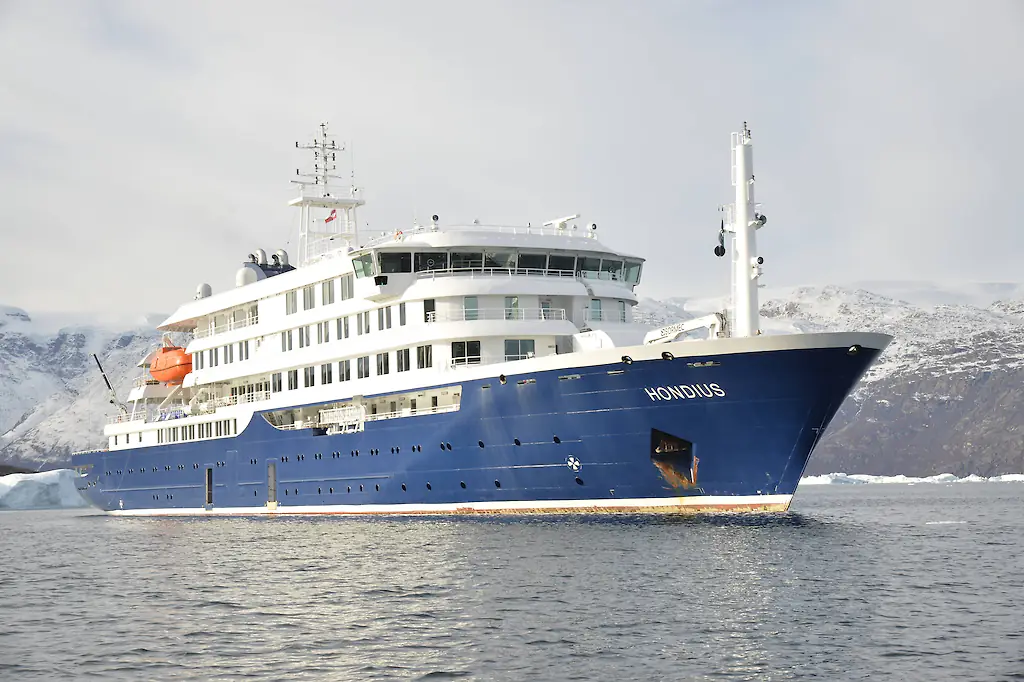
The Centers for Disease Control and Prevention has issued a public warning as 17 Americans stranded aboard a cruise ship linked to a deadly hantavirus outbreak return to the United States.
At least one of the passengers flown back from Tenerife, Spain, on Sunday night is confirmed to have hantavirus, while another showed mild symptoms. Two passengers were transported in a biocontainment unit during the flight back to the US as officials acted out of what they described as “an abundance of caution.”
The outbreak aboard the MV Hondius has sparked fears online about the possibility of another global health crisis, especially after the recent Covid pandemic. But acting CDC director Jay Bhattacharya moved quickly to calm concerns during an appearance on CNN with Jake Tapper.
“This is not COVID, Jake, and we don't want to treat it like COVID,” Bhattacharya said.
CDC says there is no reason to panic
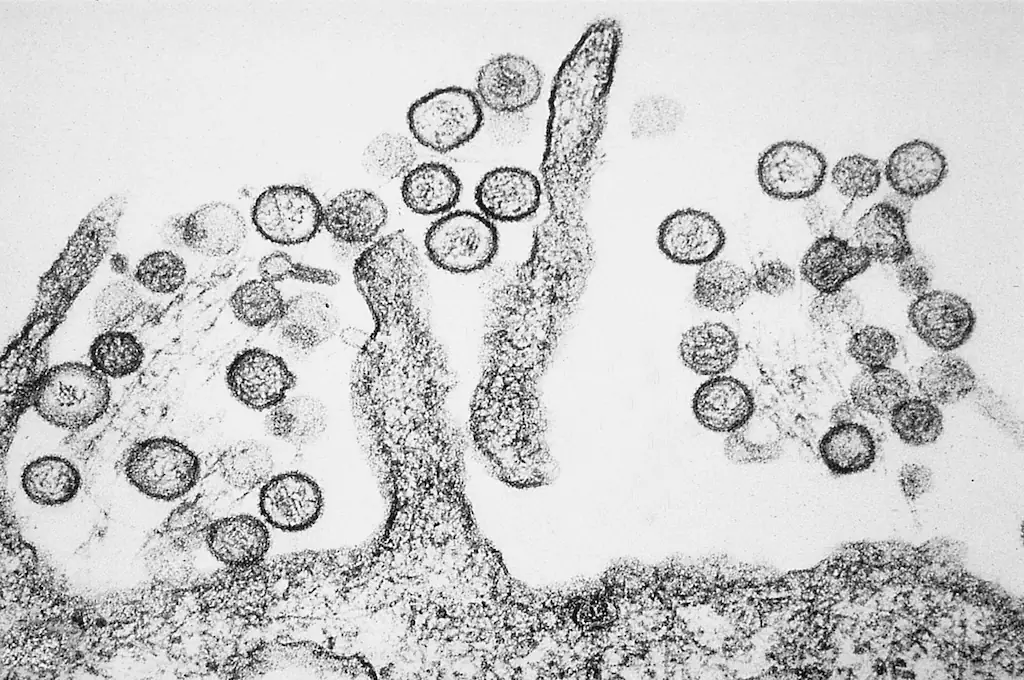
The current outbreak involves several cases linked to the Andes virus, the only known form of hantavirus capable of spreading from person to person. Health officials say the disease can carry a fatality rate of up to 50 percent.
Bhattacharya stressed that existing containment procedures have successfully handled outbreaks in the past.
“We don't want to cause a public panic over this. We want to treat it with the hantavirus protocols that we - that, again, were successful in containing outbreaks in the past. And so we followed those protocols.
“This health alert is coming up because, again, there's this discrete event of the 17 arriving in the United States very, very soon. And so we just want to make sure that the medical community understands this.”
Rather than returning home immediately, the passengers are being flown directly to Nebraska where they will stay at the National Quarantine Unit for further evaluation.
Bhattacharya again attempted to reassure worried Americans, saying: “The key message I want to send to your audience is that this is not COVID. This is not going to lead to [that] kind of outbreak.
“We shouldn't be panicking when the evidence doesn't warrant it.”
How the virus spreads
According to health officials, the risk of infection depends heavily on close contact with someone already showing symptoms.
“The risk is a high risk if they have been in close contact with somebody who was symptomatic,” Bhattacharya explained.
Clarifying how the CDC plans to assess passengers, he added: “If they weren't in close contact with someone who was symptomatic, then we're going to deem them a low risk. If they were in close contact, we're going to deem them a medium or high risk.”
The first passenger identified in the outbreak is Dutch traveler Leo Schilperoord, who reportedly contracted the virus after visiting a rat-infested landfill in Argentina while birdwatching with his wife.
Authorities believe he became infected through exposure to rodent droppings while searching for rare Patagonian birds near the site.
What to know about the Andes strain
The Andes strain of hantavirus remains extremely rare. Microbiologist Gustavo Palacios told CNN there have only been around 3,000 documented cases worldwide.
The virus is mainly found in South America and can cause hantavirus pulmonary syndrome, also known as HPS, a serious respiratory illness that attacks the lungs. Fatality rates are estimated between 20 and 40 percent.
Researchers say infected people may become contagious for a brief period once a fever develops, and studies have shown transmission can happen through even short proximity to an infected person.
Symptoms can appear anywhere from one to eight weeks after infection.
Early symptoms include fatigue, fever, muscle aches, headaches, dizziness, chills, nausea, vomiting, and diarrhoea.
Later symptoms can include coughing and shortness of breath.