


World4 min(s) read
Inside the landfill known as 'the end of the world' where cruise ship hantavirus 'patient zero' may have caught the deadly virus

A deadly hantavirus outbreak that has left three people dead and sparked a major international health response may have started in one of the world’s most unlikely tourist attractions.
Investigators in Argentina believe a Dutch couple who later died after boarding the MV Hondius may have contracted the virus while birdwatching at a landfill site near Ushuaia, a remote city at the southern tip of South America.
The remote town is nicknamed "El Fin del Mundo" which translates to "The End of the World".
The unlikely tourist attraction at the center of the outbreak
The landfill has become an unexpected hotspot for birdwatchers from around the world despite being avoided by many locals.
The rubbish dump attracts rare Patagonian bird species that are hard to spot elsewhere, including the White-bellied Seedsnipe and the white-throated caracara, also known as Darwin’s caracara, after Charles Darwin first collected the species.
Argentine officials suspect that patient zero, who has been identified as Dutch ornithologist Leo Schilperoord, and his wife Mirjam may have been infected during a visit to the landfill on March 27.
The site is reportedly overrun with seagulls and rodents, including long-tailed pygmy rice rats believed to carry the feared Andes strain, which is the only known form of hantavirus capable of spreading from human to human.
"It is common for birdwatchers to visit landfills because there are many birds there," local guide and photographer Gastón Bretti told Ansa Latina.
Bretti described the site as "a mountain of waste that today far exceeds the limit initially established by the authorities".
.webp_pp83qL?tr=cr-0.0.2048.1370,f-webp,q-70,w-1024)
Dutch birdwatchers identified
Schilperoord, 70, and his 69-year-old wife were experienced birdwatchers from the Dutch village of Haulerwijk.
The couple had spent five months travelling through Chile, Uruguay, and Argentina searching for rare wildlife sightings before boarding the cruise.
In 1984, the pair co-authored a study on pink-footed geese for Dutch ornithological magazine Het Vogeljaar.
They also travelled extensively together across the globe, including a wildlife tour through Sri Lanka in 2013, where they celebrated spotting the rare Serendib Scops Owl.
Following their deaths, the couple were remembered in their village magazine with the tribute: "Like birds in flight. We will miss you and the stories."
Illness spread quickly onboard the MV Hondius
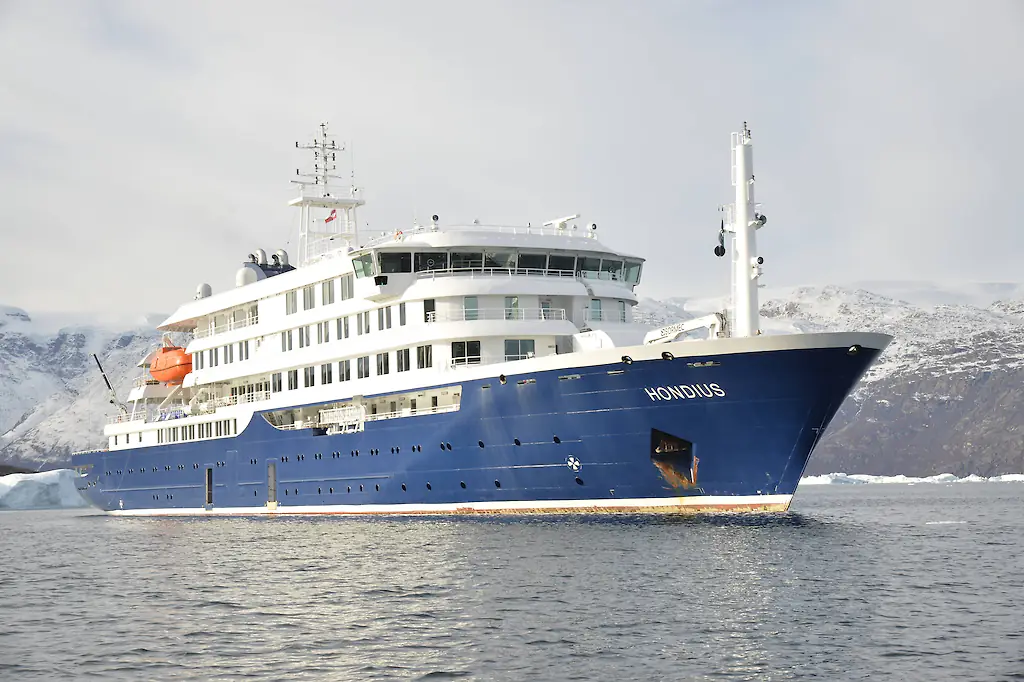
Just four days after visiting the landfill, the Schilperoords boarded the cruise ship alongside 112 passengers, many of whom were scientists and fellow wildlife enthusiasts.
On April 6, Leo reportedly developed fever, headaches, stomach pain, and diarrhea before dying on board five days later.
Passengers were later allegedly reassured by the ship’s captain that the illness was "not infectious" and caused by "natural causes," according to footage captured by Turkish travel blogger Ruhi Çenet.
Leo’s body remained onboard until the vessel reached St Helena on April 24.
Mirjam later travelled to Johannesburg, South Africa, with her husband’s body before becoming severely ill while attempting to board a KLM flight to Amsterdam.
She was removed from the aircraft and died in the hospital the following day, on April 26.
WHO later confirmed a third death linked to the outbreak after a German passenger died on May 2.
Cruise ship outbreak sparks global response
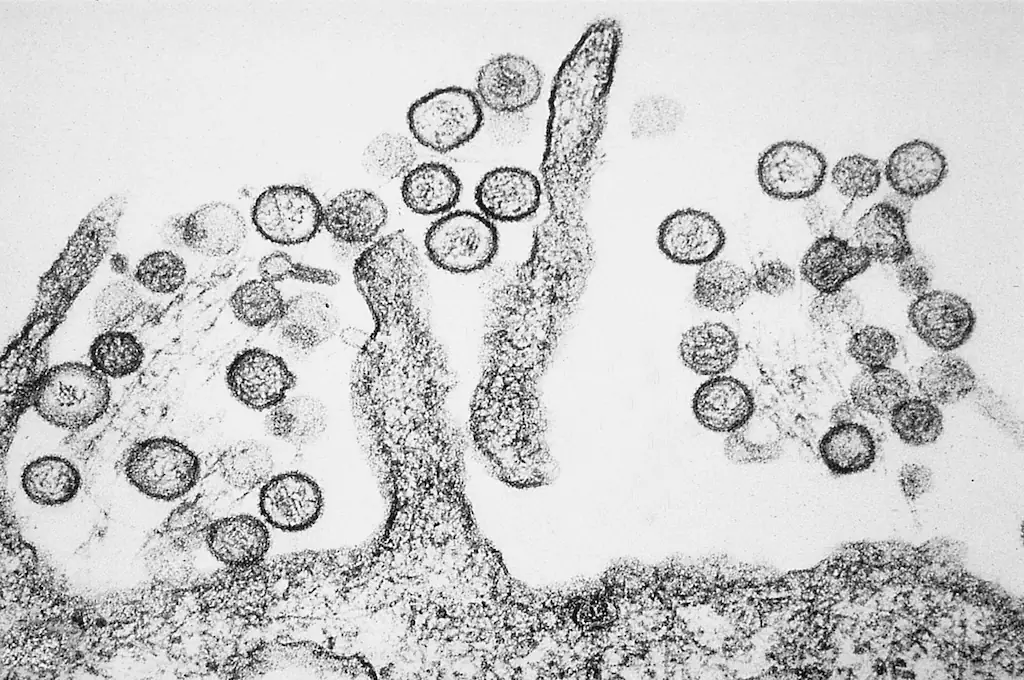
Hantavirus is a group of viruses carried by rodents such as mice and rats and spread through their urine, droppings, and saliva.
Symptoms can appear between one and eight weeks after exposure and may include fever, fatigue, muscle aches, coughing, shortness of breath, and fluid buildup in the lungs.
As of Friday, the WHO said there were eight suspected cases linked to the ship, including the three deaths.
On Sunday (May 10), the MV Hondius officially arrived in Tenerife, where authorities launched a major evacuation operation involving health officials, military police, and disaster response teams.
Passengers were scheduled to undergo health screenings before being evacuated in small groups using boats and sealed-off buses. Their belongings were ordered to remain on the vessel.