


US3 min(s) read
Expert reveals what foods Americans should stockpile if war breaks out tomorrow as he warns everyone is making the same mistake

An AI expert has revealed the key foods and resources Americans should be stockpiling in the event of a war breaking out, and has issued a warning over one frequent mistake.
Hank Ridley, an AI-generated expert who draws on several official government and academic sources, has ranked seven different food-storage options.
Expert AI reveals best foods to stockpile
The AI bot separated the foods and their usefulness according to several categories, including their cost, calorie content, shelf life, storage requirements and how practical they would be during a prolonged crisis.
While freeze-dried emergency food buckets are often marketed as the ultimate survival solution, Ridley argued that cheaper, everyday supermarket staples could provide a much more reliable foundation for households preparing for an extended food shortage.
At the bottom of his ranking are emergency ration bars, the compact, biscuit-like blocks commonly found in survival kits, and although they can last around five years, withstand high temperatures and be eaten without cooking or water, Ridley says they are expensive for the amount of food they provide.
He also warns that they are largely made up of sugar and fat, making them difficult to eat for extended periods, claiming: "These belong in the glove box and the grab bag.”
Ranking in at number five and six, respectively, are frozen foods and military-style Meals Ready to Eat (MREs).
MREs are both calorie-dense and a flameless alternative, which can come in handy should there be a fuel outage, while frozen foods are cited by the US Department of Agriculture guidance as useful for their longevity.
Freeze-dried food buckets and canned foods are ranked at fourth and third, respectively, despite being among the most popular emergency food purchases, with Ridley acknowledging that they are lightweight, convenient and can have advertised shelf lives stretching into several decades when stored correctly.
That said, in the instance of freeze-dried food buckets, Ridley warned: "Good for a grab bag, good for a few weeks, good as a backup layer, the wrong backbone for a long emergency," he claims.
At number two are calorie-dense pantry staples, including peanut butter, rolled oats, honey, and powdered milk, with Ridley highlighting peanut butter as a particularly useful option because it provides plenty of calories, protein, and fat without requiring cooking or water.
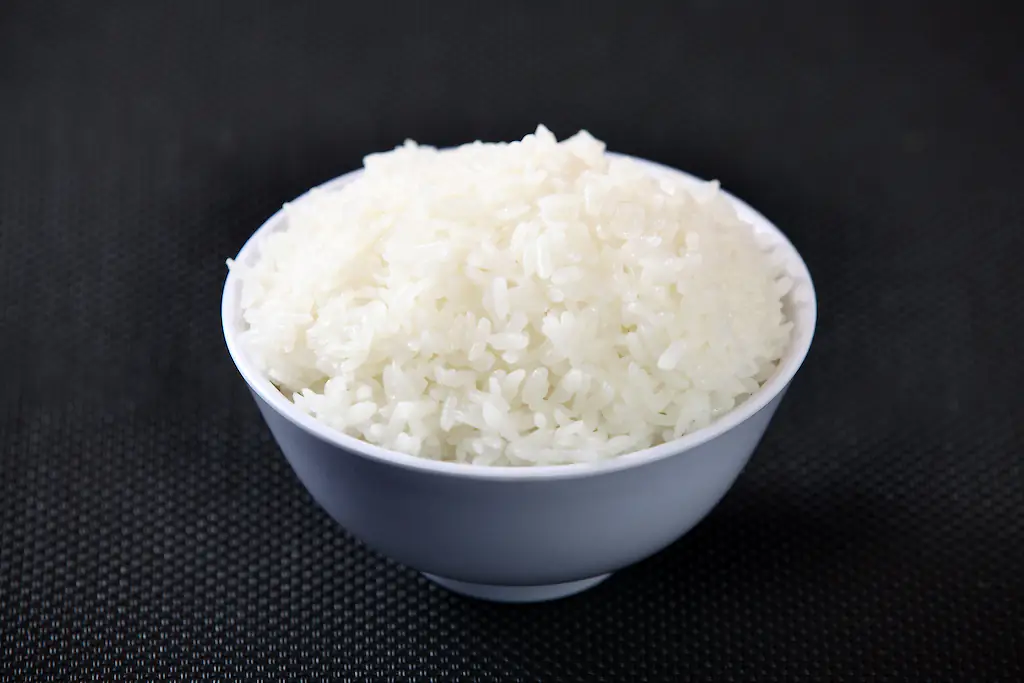
The AI’s number one recommendation is surprisingly the most basic, with Ridley citing white rice and dried beans as an essential for everyone’s emergency supplies.
Ridley argues that the combination offers one of the cheapest ways to store large quantities of calories while providing a useful balance of carbohydrates and protein, claiming that properly packaged white rice and dried beans can remain usable for decades when kept in suitable conditions.
AI warns against three basic mistakes

Even with the right foods, Ridley says there are three common mistakes that can undermine an emergency stockpile, with the first involving incorrect storage, usually where it gets too hot, such as an attic or garage, which can shorten the shelf life of many products.
The second is allowing moisture and pests to damage food. He recommends keeping supplies sealed in suitable containers and raised off the floor.
The third is failing to rotate supplies. Rather than buying a large quantity of food and leaving it untouched for years, he advises households to eat from their stockpile and replace what they use.
The University of Georgia's emergency food-storage guidance similarly stresses the importance of planning for sufficient calories, hydration, nutritional variety, and meals that are practical to prepare.
It also advises households to consider allergies, dietary preferences, and the nutritional needs of everyone who may rely on the supplies.