


World4 min(s) read
Three medical exemptions which would exclude you from being drafted if WW3 happens

The three medical exemptions that would exclude you from being drafted if WW3 happens have been revealed.
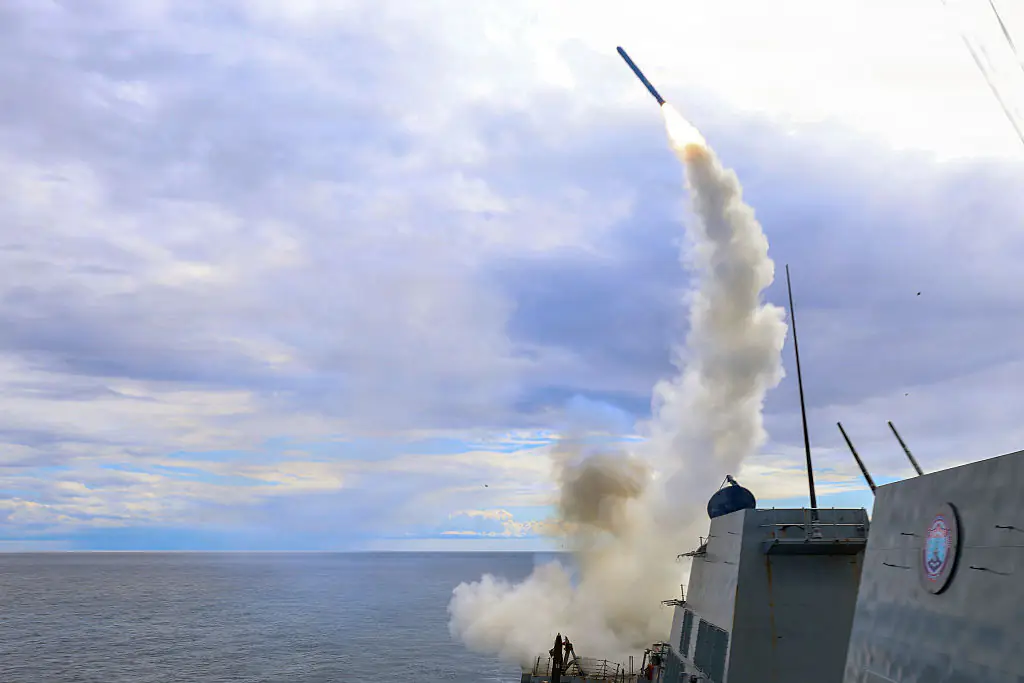
During the early hours of February 28, the United States and Israel reportedly launched a joint strike against Iran that killed the country’s Supreme Leader, Ayatollah Ali Khamenei.
The attack was followed by retaliatory missile strikes from Iran targeting Israel and key transport hubs in the Gulf, including Dubai and Abu Dhabi, according to reports.
The escalating crisis has raised questions about whether the US could reinstate the military draft if the conflict spirals into a global war.
Could the US bring back the draft?
Although the draft hasn’t been used in the US since January 1973, American law still requires men to register with the Selective Service.
This means that in the event of a national emergency or major war, the government could call up additional citizens to serve across different branches of the military.
Some Americans would welcome the opportunity to enlist and serve their country, while others may be less eager.
Medical conditions that could disqualify someone
According to Military.com: "Certain medical conditions - such as asthma, diabetes, severe allergies, certain types of mental health disorders, and heart problems - can disqualify individuals from joining the military due to the physical and mental demands of service."
Here are several categories of conditions that may result in a medical waiver.
Mental health conditions: Schizophrenia, bipolar disorder, personality disorders (like BPD), substance use disorders, past suicide attempts, homicidal behavior, severe anxiety, and PTSD.
Neurological conditions: Diagnosed seizure disorders (after age 6), chronic pain, recurrent severe headaches, and multiple concussions, especially if symptoms persist.
Cardiovascular issues: Heart conditions, a history of blood clots, or the presence of pacemakers.
Respiratory conditions: Asthma after age 13, recent pneumonia or pleurisy within three months, and lung abnormalities.
Endocrine disorders: Uncontrolled diabetes requiring insulin.
Orthopedic conditions: Joint instability, severe scoliosis, or conditions that interfere with equipment use or physical training.
Vision and hearing issues: Vision or hearing loss that cannot be corrected to military standards, even with aids.
Other conditions: HIV/AIDS, a history of solid organ transplant, certain sexually transmitted infections, obesity that does not meet height and weight requirements, or a history of bariatric surgery.
However, having one of these conditions does not always guarantee someone will automatically be disqualified.
Military.com notes: "However, be aware that medical waivers are possible, and not every medical condition is necessarily permanently disqualifying."
.jpg_pDQXJG?tr=f-webp,q-70,w-1024)
How medical eligibility is determined
If a draft were ever implemented again, eligibility would ultimately be determined through a physical examination at a Military Entrance Processing Station (MEPS).
These examinations assess whether a candidate meets the Department of Defense’s baseline medical standards for service.
Other branches of the military may also have different requirements depending on operational needs.
Waivers can sometimes be given for certain medical conditions if officials decide the individual is still capable of serving.
The Most Dangerous US States if WW3 happens
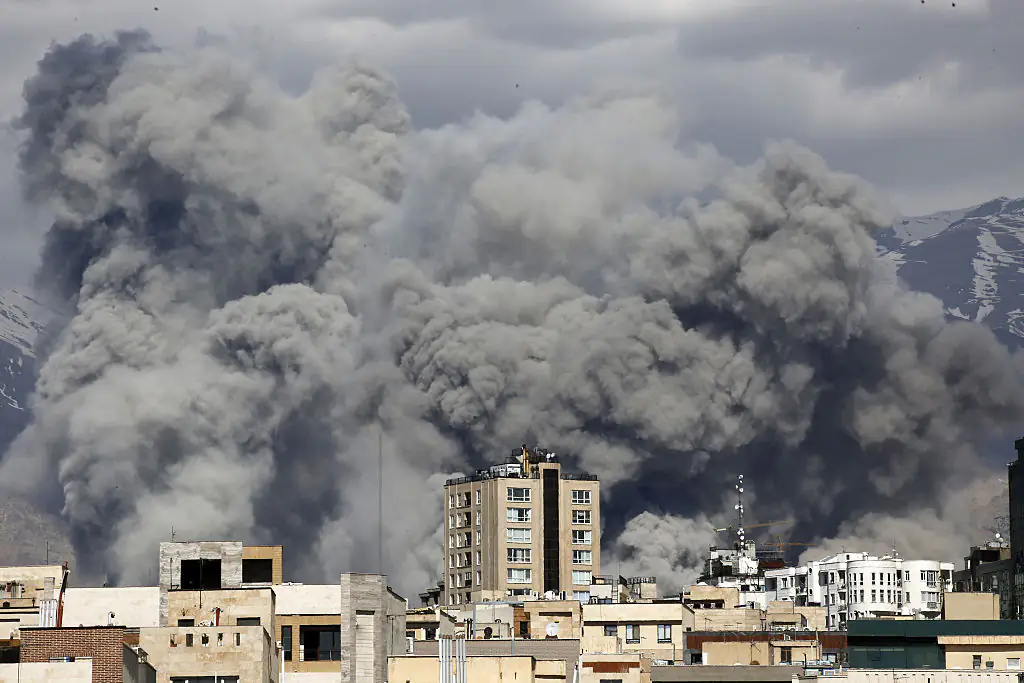
Analysts have also begun examining which parts of the United States could be most vulnerable if a nuclear war were to occur.
A previous simulation conducted by Newsweek analyzed radiation exposure risk to determine which states might face the most immediate consequences.
According to the analysis, the most dangerous states include Montana, Wyoming, Colorado, Nebraska, South Dakota, North Dakota, Iowa, and Minnesota.
These areas are considered high-risk due to their proximity to military installations, intercontinental ballistic missile (ICBM) silos, and missile defense systems - all of which could be prime targets during a nuclear attack.
However, John Erath, Senior Policy Director for the Center for Arms Control and Non-Proliferation, warned that no location would truly be safe in the event of nuclear warfare.
"While those who live near military facilities, ICBM silos, or submarine bases along the coasts might bear the most immediate and severe consequences, there's no question: ANY nuclear war or weapons detonation would be bad for everyone," he said.
"Nowhere is truly 'safe' from fallout and other consequences like contamination of food and water supplies and prolonged radiation exposure," he added.