


US3 min(s) read
Federal judge blocked Alabama from executing death row inmate using controversial method

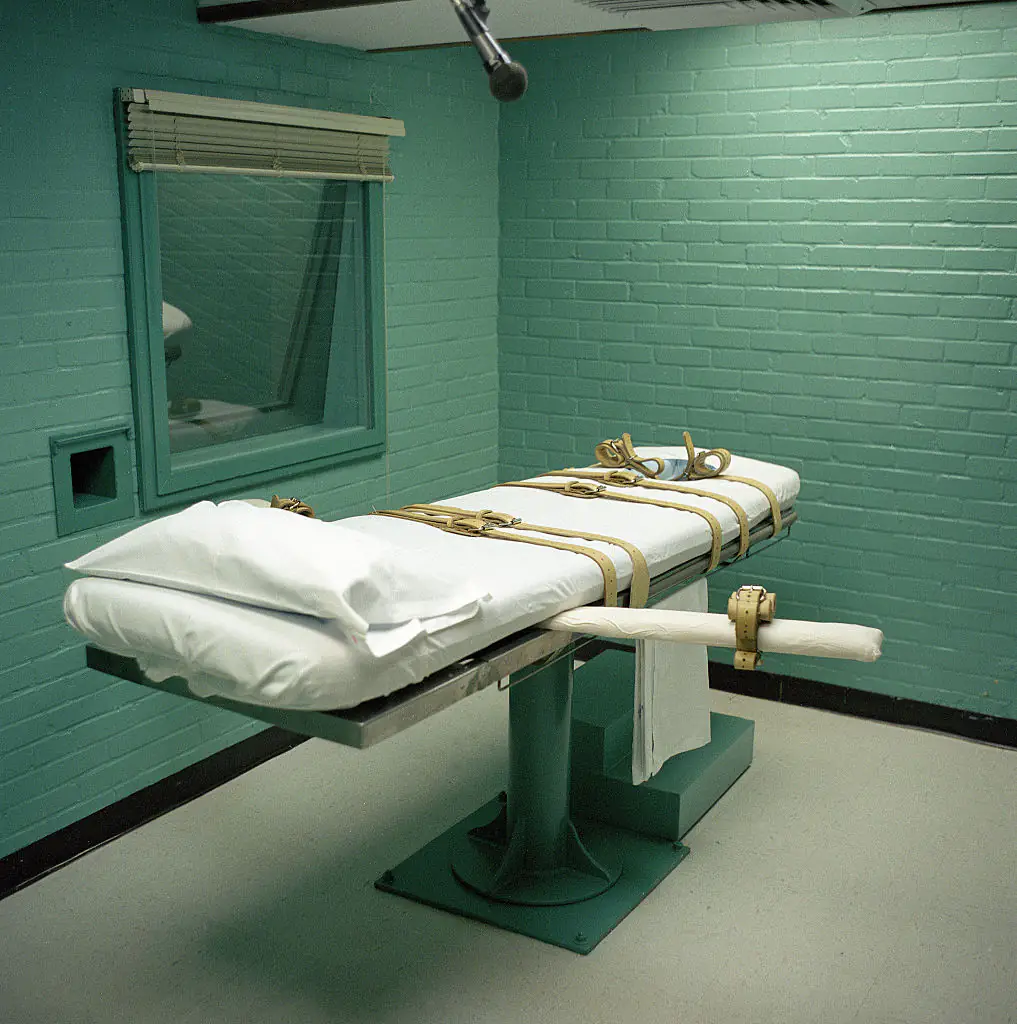
An Alabama death row inmate was executed by lethal injection just months after a federal judge blocked the state from using a controversial alternative method to carry out his sentence.
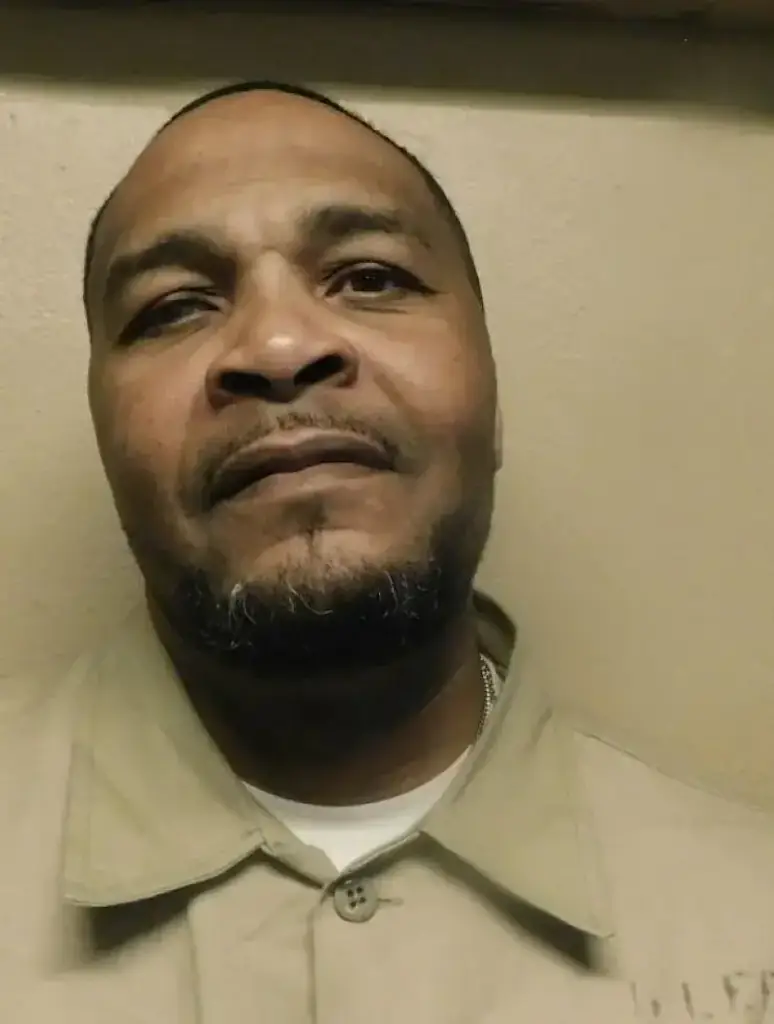
Jeffery Lee, 49, was pronounced dead at 6:22PM on September 17 at the William C. Holman Correctional Facility in Atmore after receiving a lethal injection.
Lee was convicted of killing Jimmy Ellis and Elaine Thompson during a 1998 robbery at Jimmy's Pawn Shop in Orrville.
Ellis, a well-known Elvis Presley impersonator, owned the store. Lee also tried to kill another employee, Helen King, who survived.
A federal judge ruled nitrogen execution unconstitutional
Lee's execution had originally been scheduled for June 2026 using nitrogen hypoxia, a method selected in 2018.
However, District Judge Emily Marks blocked the execution after ruling that the state's protocol violated the Eighth Amendment's ban on cruel and unusual punishment.
The decision followed an appeals court finding that the method posed a "substantial risk of serious harm," per NBC15.
During an earlier trial, Marks found that nitrogen hypoxia could cause up to three minutes of severe air hunger. Although she initially ruled that this did not violate the Constitution, the 11th Circuit disagreed.
"The ADOC’s nitrogen hypoxia execution protocol violates the Eighth Amendment," Marks wrote.
Lee’s legal team proposed execution by firing squad, a method in which the prisoner is restrained to a chair with leather straps and surrounded by sandbags.
A black hood is then pulled over the prisoner's head as a doctor locates the heart with a stethoscope. A circular white target is then placed over that area.
Five shooters stand in an enclosure 20 feet away with .30 caliber rifles loaded with single rounds. One of the shooters is given blank rounds.
Lee’s expert, Dr. James Williams, testified that trained marksmen firing at the heart would likely cause unconsciousness within three to five seconds, potentially preventing severe pain.
Marks found Williams' testimony credible and ruled that the method was a feasible alternative.
Alabama opposed the proposal, arguing that firing squads were authorized under Alabama law and that implementing them would require new facilities, equipment, and trained personnel.
However, Marks rejected those arguments, noting that prison officials had acknowledged they could make the necessary preparations.
Ruling did not prevent Lee’s execution
Despite blocking nitrogen hypoxia, Marks emphasized that her decision did not overturn Lee’s sentence.
"The result is that the State of Alabama cannot execute Lee by nitrogen hypoxia - no more, no less," she wrote.
In his final moments, Lee delivered a final message expressing his love for his family and other inmates.
“All is well," he said. "I just want to say to my family, I love them. To my brothers on life row, I love them."
As prison officials began administering the lethal injection, he reportedly clenched his fists while lying on the gurney.
His spiritual adviser held his feet and appeared to pray as the inmate closed his eyes, the New York Post reported.
The state revealed that the prisoner declined a final meal, although he ate other food and snacks during the day.
On September 16, the day before his execution, he received 17 visitors and three phone calls. He had six visitors and no phone calls on the day he died.