


US5 min(s) read
Prisoner reveals his biggest regret before life behind bars
.jpg_xKEaT0?tr=cr-0.328.2730.3058,f-webp,q-70,w-100)
An American inmate has opened up about some of the thoughts he's had on his own life after being arrested and convicted.
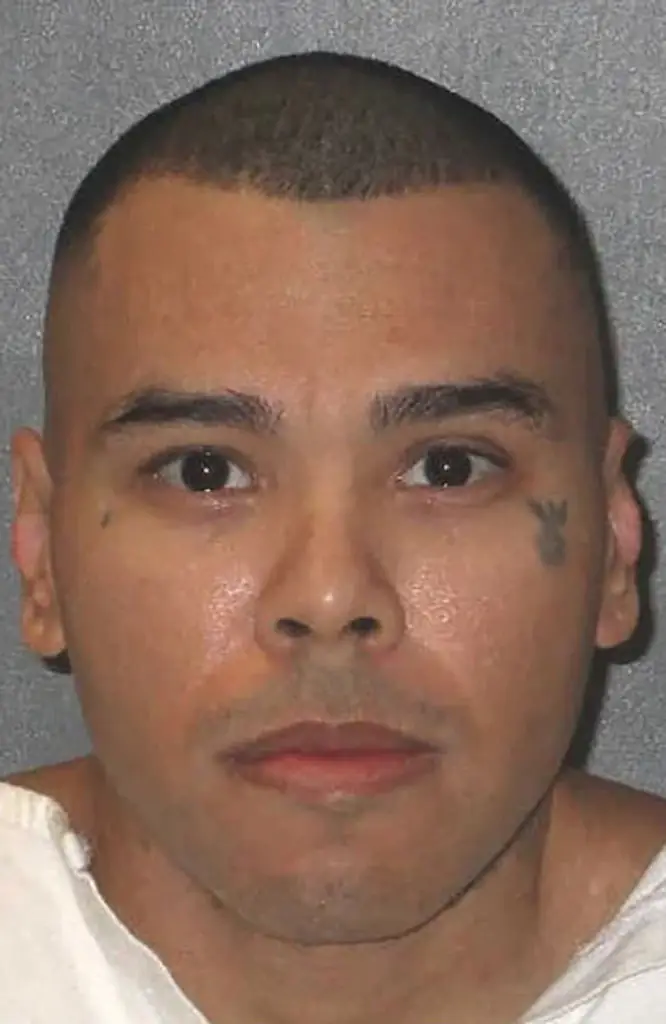
Texas native Jeremy Busby was sentenced to 75 years in prison after being convicted of murder in 1999.
Just 19 at the time of the shooting, he was with a woman when they were approached by two men in a motel parking lot, who became hostile as they believed he was there to buy drugs.
They were mistaken, Jeremy says, and after he was threatened with physical violence and tried to stop the situation from escalating, he fatally shot the man because he feared for his life.
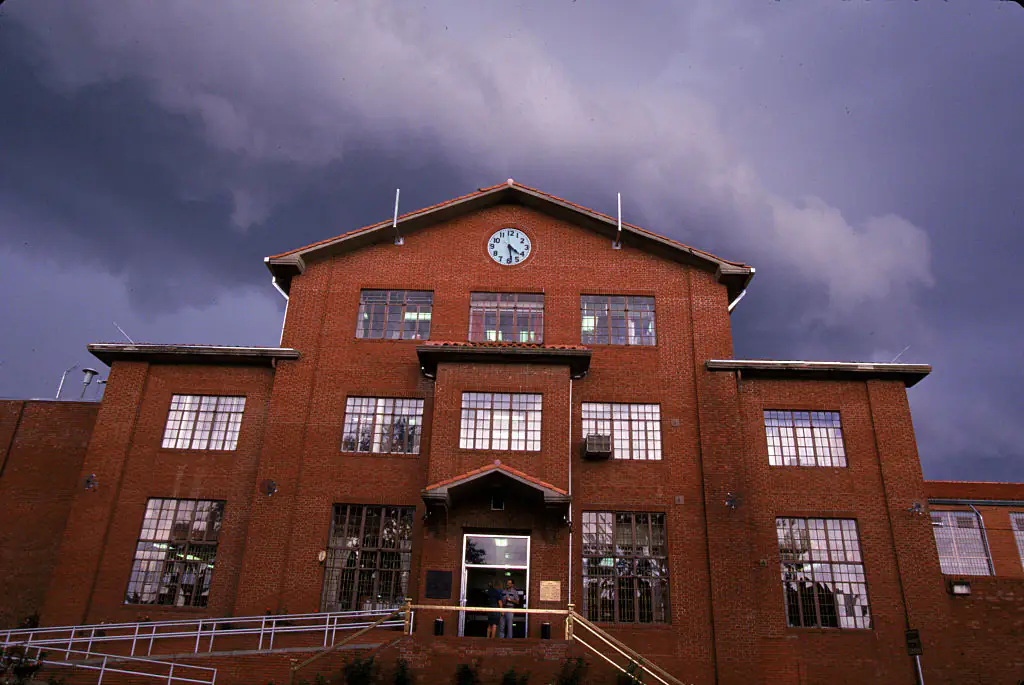
With no previous arrests for violence, Jeremy was held for four months in Dallas County Jail, as his website JoinJeremy adds that he "was represented at trial by a defense attorney who conducted no pretrial investigation and called no witnesses."
An all-white jury would find him guilty, and Jeremy remains incarcerated, almost 20 years after the “Stand Your Ground law” was codified in Texas back in 2007, which supporters argue would have strengthened his self-defense claim.

Jeremy Busby's regrets about life
The Texas-based prisoner spoke exclusively to VT about his experiences both before prison and after spending over 25 years behind bars.
Jeremy opened up about losing his single mother at age three, while also growing up in the foster care system, surrounded by drugs, guns, and violence.
"I grew up in a poverty-stricken neighborhood. My mom was kidnapped and murdered when I was three years old, and that set off a bunch of negative consequences in my life," he said.
Jeremy explained: “Most of those negative consequences prohibited me and stagnated my growth, and prohibited me from understanding what humanity or life was really all about."
“It was only after I came to prison that I realized that the world is a lot bigger than the crime-ridden neighborhood that I grew up in, for example, that average people don't carry guns and don't settle disputes with violence,” the inmate admitted.
Jeremy has since become an academic and a journalist while in prison, taking time to attend college and work on his craft.
Reflecting on his life in the outside world, he admitted: "I was surrounded with crime, a bunch of poverty and poor education - my world was very, very small and I didn't have an outlet to see the bigger picture of people who were going to work and developing their skills, going off to college..."
He admitted that these concepts were first introduced to him in prison, adding: "Those are the only things I can actually say that I wish I had done differently; it wasn't very much that I could have done differently."

The issues with society
Jeremy spoke about some of the issues in society and how people with challenging socioeconomic backgrounds can struggle to be successful, stating: "I wish that there were more resources for people like me."
The journalist, who previously became the first black staff writer at Texas prison newspaper, The ECHO, added: "Because all the resources and all the things we're taught are very limited, there wasn't very much that I could do with the information that I had."
He said his life was transformed after going to prison because he gained greater access to information.
"That's pretty much the nutshell about my youth, because I committed this crime at the age of 19, and I've been in prison ever since."
Speaking about the failed structure of society, Jeremy said: "I think we are still faced with the same situations here in prison.
"I see young guys come in all the time, that reminds me of my 19-year-old self; they have a single-parent household, sometimes they grow up as an orphan as I did, and they don't have any positive role models."
Jeremy believes that this is an issue that needs to be resolved to stop this vicious cycle, also citing a lack of positive role models.
He then made a powerful revelation about many in similar situations to him: "The first time they left their neighborhood, the crime-ridden ghetto they grew up in, is when they got in the back seat of the police car.
"The first time that they left the city where they grew up is when they were transported to the prison system, so it's hard to expect people who wake up surrounded by gang violence, drugs, and poverty, as well as people who are suffering from drug addiction and mental illness."
.jpg_u2Mc6g?tr=cr-0.0.4032.3024,f-webp,q-70,w-1024)
Jeremy Busby's life changed when he went to prison
He also opened up about strain theory, which Jeremy says explains how society functions across the world, as "people have to work with the resources that they have available to them."
"When you don't have the proper resources available, then you have to utilize abnormal methods," the inmate said.
Jeremy explained: "There are solutions to fix that. And sadly, in the 28 years, this is my 28th year in prison, I have seen little to no change in any of it."
Looking back at his sentencing, Jeremy candidly admitted: "I remember minutes afterwards they locked me into this jail cell. I was all by myself, and I stayed there for, like, about an hour, and I was constantly thinking about what that meant for me."
"What it really means is that I'm going to have to spend at least the next 30 calendar years inside of prison before I become eligible for release back into society, and that hit me pretty hard."
.jpg_I4Ebof?tr=cr-0.338.2730.3068,f-webp,q-70,w-100)
.webp_QQJmGo?tr=cr-345.0.1535.1190,f-webp,q-70,w-100)

.webp_lli6Ty?tr=cr-74.9.445.380,f-webp,q-70,w-100)

.jpg_I4Ebof?tr=cr-0.338.2730.3068,f-webp,q-70,w-1024)

.webp_QQJmGo?tr=cr-345.0.1535.1190,f-webp,q-70,w-1024)


.webp_lli6Ty?tr=cr-74.9.445.380,f-webp,q-70,w-1024)
