


US3 min(s) read
People are shocked after discovering who the innocent-looking girl in this childhood picture grew up to be
.webp_SmgFsc?tr=cr-292.0.1244.952,f-webp,q-70,w-100)
The girl in this photograph would grow up to become one of the world's most notorious female serial killers. Looking at her sweet, smiling face, it's almost impossible to imagine the unimaginable horrors that lay ahead.
Any chance of an ordinary life was shattered at a young age, as violence and trauma set her on a dark and dangerous path. She would later be branded one of the most evil women in history, sparking a long-running debate over whether she was born that way or whether her brutal upbringing created the monster she became.
Why Aileen Wuornos became one of the world's most infamous women
Few criminals have captured public attention quite like Aileen Wuornos. Decades after her crimes shocked the United States, her story continues to fascinate audiences through documentaries, books, films, and true crime series.

While she is often described as one of the most recognizable female serial killers in history, it is the extraordinary circumstances surrounding her life, crimes, and trial that turned her into a global figure.
Wuornos' case stood out because female serial killers are exceptionally rare. Her background, personality, and repeated interviews also made her one of the most discussed figures in modern criminal history, ensuring her name remained in the public eye long after her death.
A life marked by violence and tragedy
Born in 1956 in Michigan, Wuornos experienced an unstable and traumatic childhood. She endured abuse, homelessness, and poverty from a young age, factors that were frequently examined during her criminal proceedings and in later media coverage.
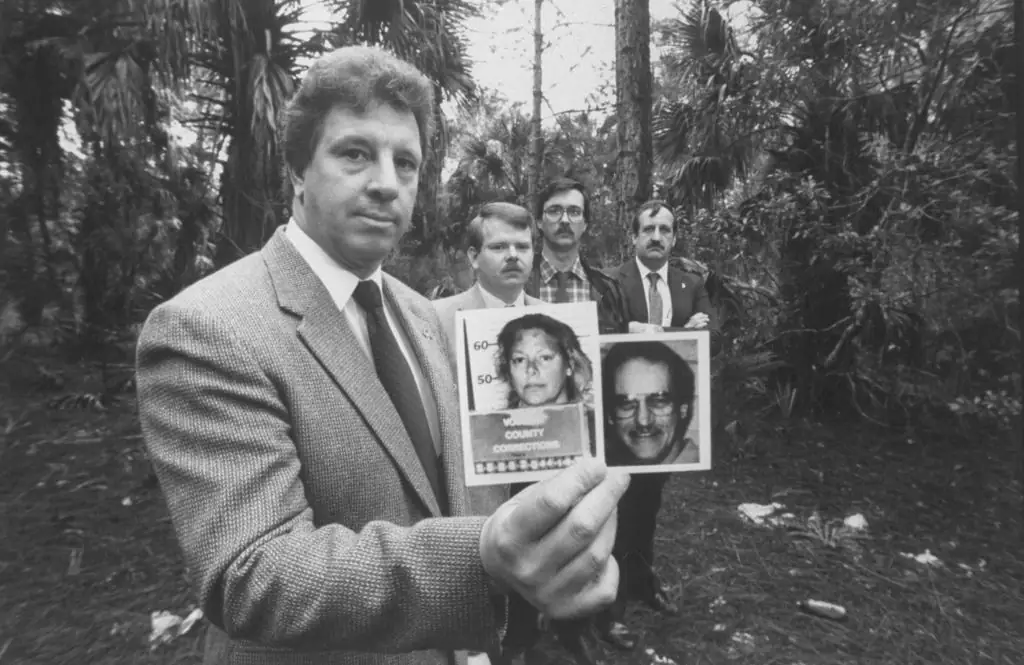
Between 1989 and 1990, Wuornos killed seven men in Florida. She claimed she acted in self-defense while working as a sex worker, insisting the men had attempted to assault her. Prosecutors argued the killings were premeditated robberies, and the evidence ultimately led to multiple murder convictions.
Her case attracted enormous media attention because it challenged stereotypes about serial killers. At the time, the idea of a woman committing a series of murders on such a scale was almost unprecedented, making headlines around the world.
Why her story continues to attract attention
Wuornos' notoriety only grew after her convictions. She gave numerous interviews from prison, often making emotional and sometimes contradictory statements that fueled public debate about her mental health and motivations.
Her story later inspired the 2003 film Monster, in which actress Charlize Theron delivered an Academy Award-winning performance portraying Wuornos. The film introduced her story to a new generation, while documentaries and television specials continued to explore the complexities of her life.
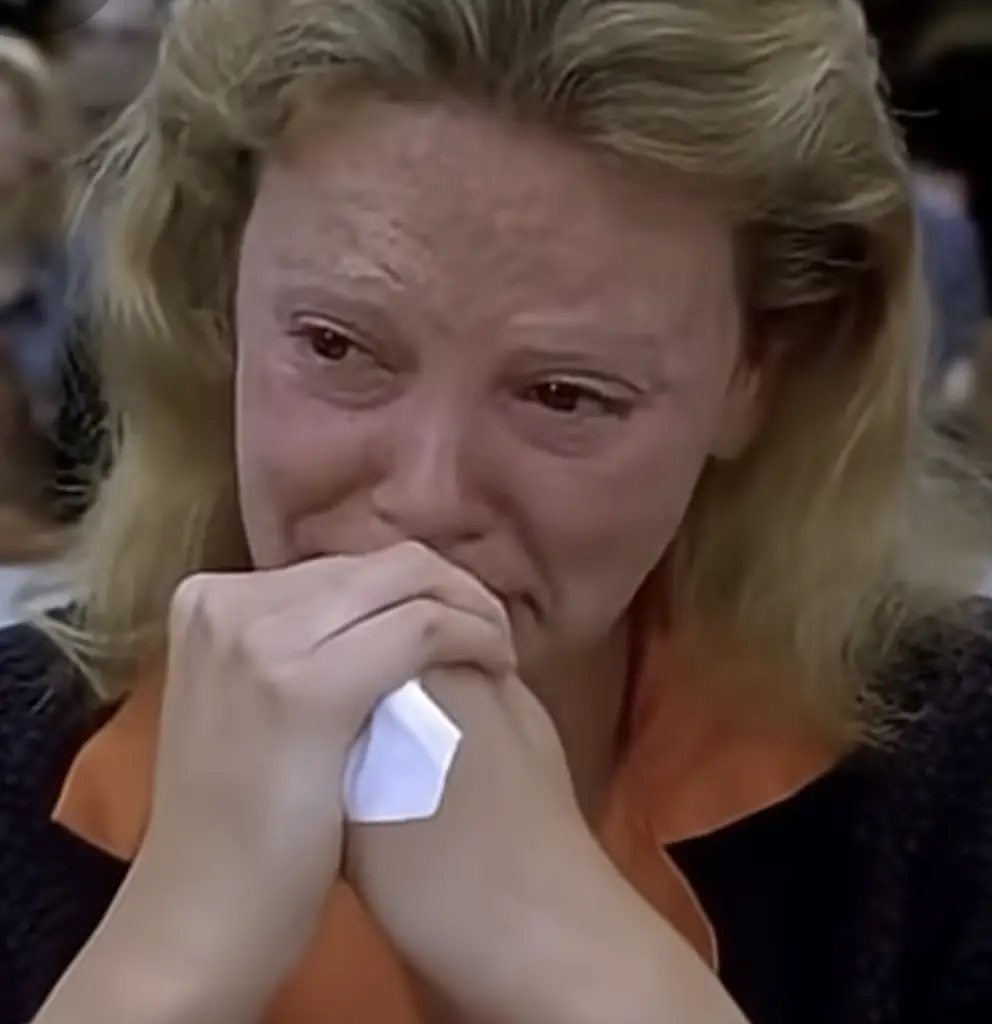
Interest in Wuornos also reflects the enduring popularity of the true crime genre. Viewers remain fascinated by cases that raise difficult questions about trauma, violence, mental illness, and the criminal justice system.
Wuornos was executed by lethal injection in Florida on October 9, 2002. Although remembered primarily for her crimes, discussions about her life often extend beyond the murders themselves, examining the events that shaped her and the wider social issues her case highlighted.
Aileen Wuornos became one of the world's most infamous criminals, and her story remains one of the most analyzed and debated cases in modern true crime history.
.jpg_I4Ebof?tr=cr-0.338.2730.3068,f-webp,q-70,w-100)

.jpg_8uhRsa?tr=cr-0.0.1.1.22,f-webp,q-70,w-1024)
.webp_QQJmGo?tr=cr-345.0.1535.1190,f-webp,q-70,w-100)


.jpg_8uhRsa?tr=cr-0.0.265.323,f-webp,q-70,w-525,h-200)
.jpg_I4Ebof?tr=cr-0.338.2730.3068,f-webp,q-70,w-1024)

.webp_QQJmGo?tr=cr-345.0.1535.1190,f-webp,q-70,w-1024)


