


World6 min(s) read
Cave diver shares biggest 'red flag' in doctor's account of what happened to Maldives divers

An experienced cave diver has revealed the biggest "red flag" in a doctor’s theory about the deaths of five Italian tourists during a scuba diving expedition in the Maldives.
As previously reported, the group vanished on Thursday (May 14), after failing to resurface from a dive in the waters of Vaavu Atoll near Alimatha island.
Four bodies were discovered on Monday (May 18) by elite Finnish rescue divers deep inside the cave’s third chamber, while the fifth diver was recovered days later.
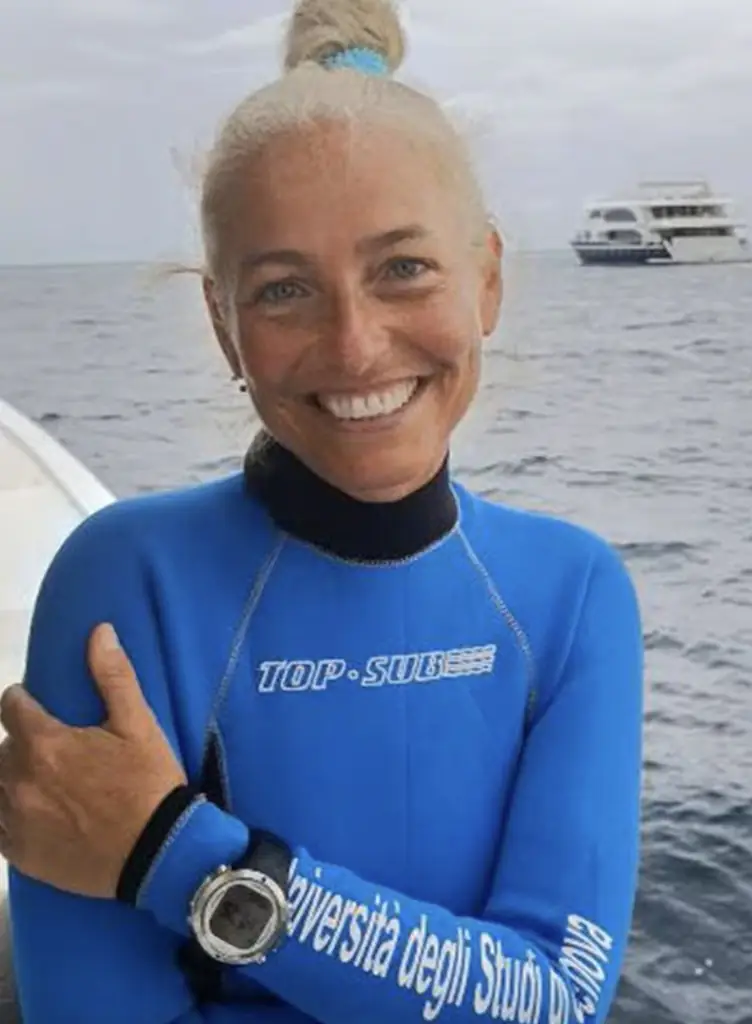
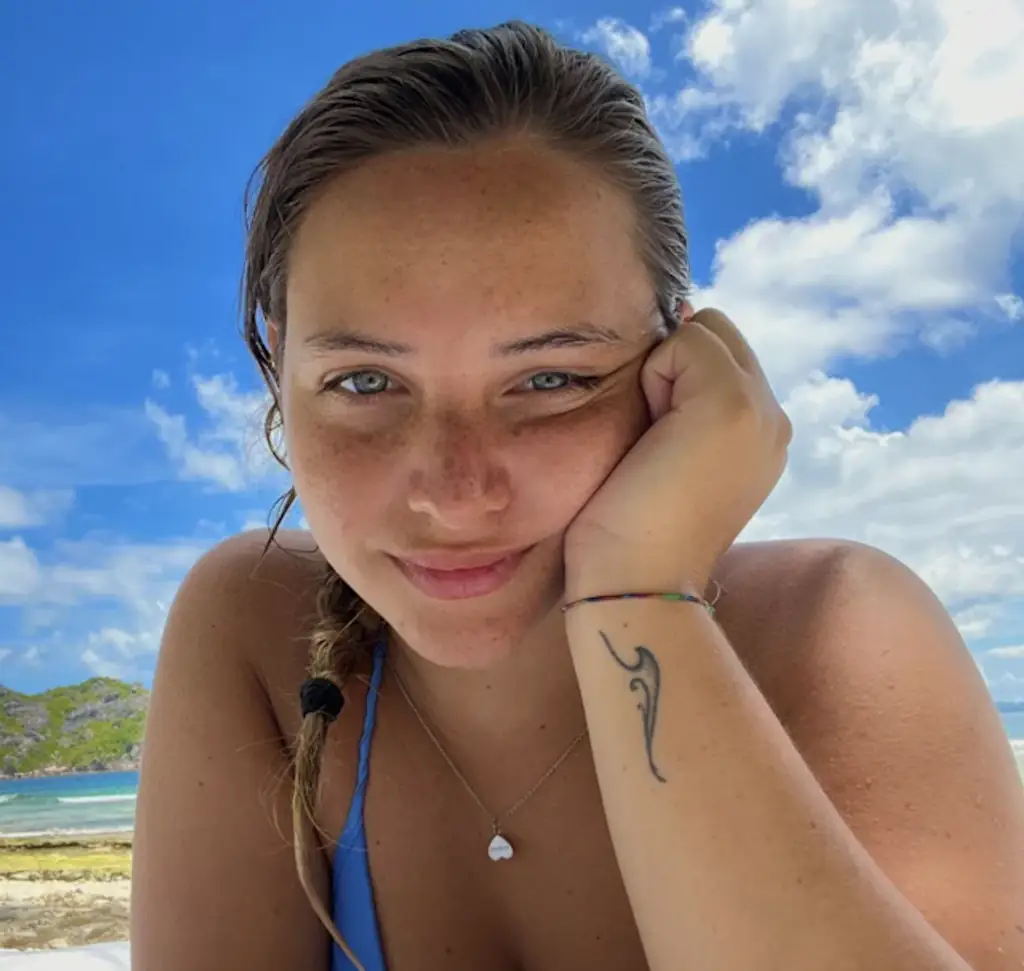
The victims were identified as Monica Montefalcone, 52, an associate professor of ecology at the University of Genoa, her daughter Giorgia Sommacal, 20, marine biologist Federico Gualtieri, 31, and researcher Muriel Oddenino, 31.
Ahmed Shaam, a Maldives government spokesperson, said the divers were found "pretty much together", deep inside the cave system.
"The four bodies were found inside the cave, not only inside the cave but well inside the cave into the third segment of the cave, which is the largest part. Pretty much together," he said, per ABC.

Diver questions oxygen toxicity theory
As investigators continue examining what went wrong, Claudio Micheletto, the director of pulmonology at the University Hospital of Verona, suggested oxygen toxicity, also known as hyperoxia, could have played a role in the deaths.
Speaking to Italian outlet Adnkronos, Micheletto said: "It’s likely that something went wrong with the tanks."
He added: "Death from oxygen toxicity, or hyperoxia, is one of the most dramatic deaths that can occur during a dive - a horrible end."
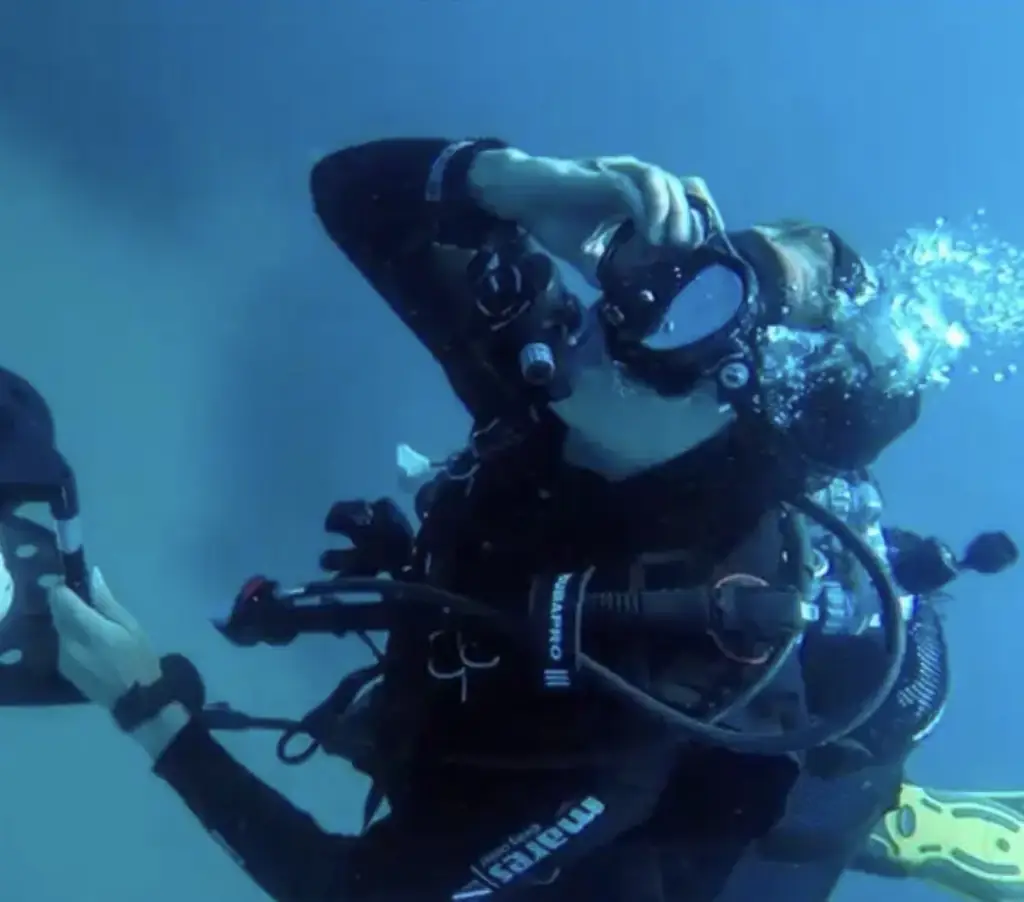
But cave diver Gus, who runs the YouTube channel DiveTalk, disputed this theory in a detailed breakdown video.
"I personally don't think that hyperoxia is the most horrific way of dying during a dive," he said.
"Obviously, all deaths are horrific, and you are drowning when you have hyperoxia, but you literally don't know what happened to you. There is no, 'Oh, here it comes. I'm feeling it. Oh, oh, and then I die.' Like you don't have a way to see that it's coming," he added.
Diver points out 'red flag' in doctor's account
Gus then pointed to what he described as the "biggest red flag" in Micheletto's explanation.
"The biggest red flag is that he believes hyperoxia is what played a role here," he said.
He went on to explain why he believes oxygen toxicity would have been unlikely at the reported depth if the divers were breathing normal air.
"The air that we breathe is made of nitrogen, oxygen, and some other gases. The vast majority of it is nitrogen. We actually breathe about 78% nitrogen, 21% oxygen, and then there's about 0.9% of other gases," he said.
"Now, the level of oxygen that we breathe is not as important as the depth that you're breathing it in. So, if somebody says, 'Can you survive on 100% oxygen?' The answer is, 'Well, how deep are you?' Why? Because 100% oxygen becomes toxic past 6 meters or 20 feet."
He continued: "The point is, we have a margin, okay? And we determined this by experimenting with divers in the Navy. What we found out is that the partial pressure of oxygen of 1.4 is the ceiling that regular average people…will not have any issues with hyperoxia if you stay at or below 1.4 partial pressure of oxygen."
According to Gus, the reported depth of the dive did not appear to reach those dangerous levels.
"If you're talking about hyperoxia for a dive that is 50 meters and they're breathing air, it doesn't make sense because again the 1.4 is the limit for an average person where you have no problem."
He claimed: "The cave wasn't even at the 1.4 level. So not only is it hard for me to believe that anyone had hyperoxia on air at 50meters.
"Can there be a person out there that has a hyperoxia episode at 1.2? I guess so. Maybe somebody out there could have an issue. I find that hard to believe, but five people, five, including a professional diver, had a hyperoxia episode with air at 50 meters? I don't think so," he added.
How did the experienced divers die?
Monica Montefalcone’s husband, Carlo Sommacal, told La Repubblica he does not believe recklessness caused the disaster.
"She would never have put her daughter’s life or the lives of the other children at risk out of recklessness," he said.
He described his wife as "one of the best divers on earth" and insisted she would not have entered the water if she knew conditions were unsafe.
Others have pointed to the extreme depth itself as a possible factor. Experienced diver Marc Randazza wrote on X: "I’ve been diving for 30 years. Rescue and deep dive certified.
"These divers were effectively dead the moment they went in the water," he continued. "At 150ft, with recreational gear and without a special gas mix, you’re already dead. There was no possible way they were coming back, whether they panicked or not."
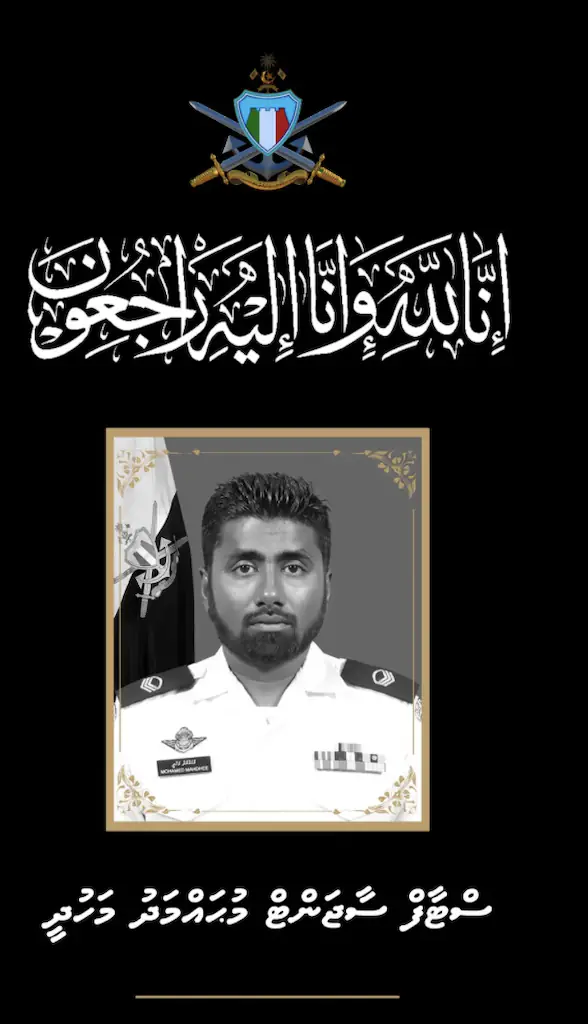
A sixth person died during the recovery operation, and they have been identified as Sergeant Major Mohammed Mahudhee.
The late man, who was a member of the Maldives National Defence Force Coast Guard diving unit, was part of a team of eight rescue divers deployed during a recovery operation.
According to Maldivian Presidential Spokesman Mohammed Hussain Shareef, he died from "underwater decompression sickness" after reportedly falling ill during the mission and being rushed to the hospital.
The Maldivian military paid tribute to the diver, writing: "His courage, sacrifice, and service to the nation will always be remembered. Our deepest condolences to his family and colleagues."