


World6 min(s) read
Donald Trump 'planning to invade Cuba' as Pentagon waits for the order to attack
.jpg_I4Ebof?tr=cr-0.338.2730.3068,f-webp,q-70,w-100)
Donald Trump's administration has quietly directed Pentagon officials to ramp up preparations for possible military operations against Cuba, according to multiple sources, even as the president's war in Iran continues with no end in sight.
The directive reportedly came straight from the White House in recent days, with officials at the Pentagon and elsewhere in the US government told to step up their planning for potential action against the Caribbean island nation.
It follows weeks of public threats from Trump, who has repeatedly hinted that Cuba would be his next target once the conflict in Iran is resolved.
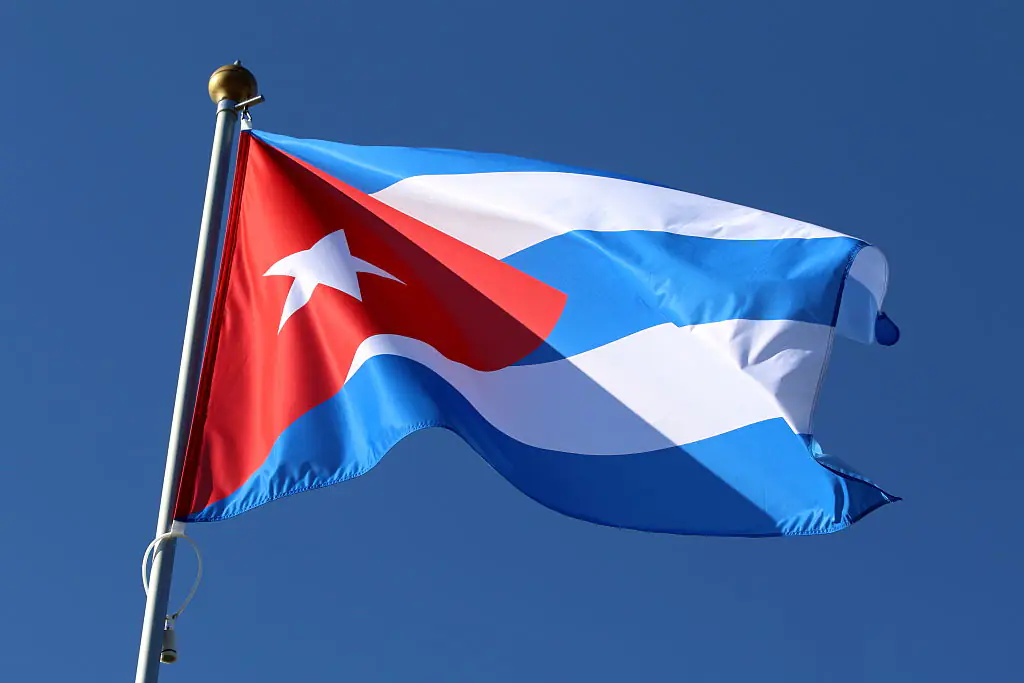
What has Trump said about Cuba?
The president has made no secret of his intentions, even if the specifics remain unclear.
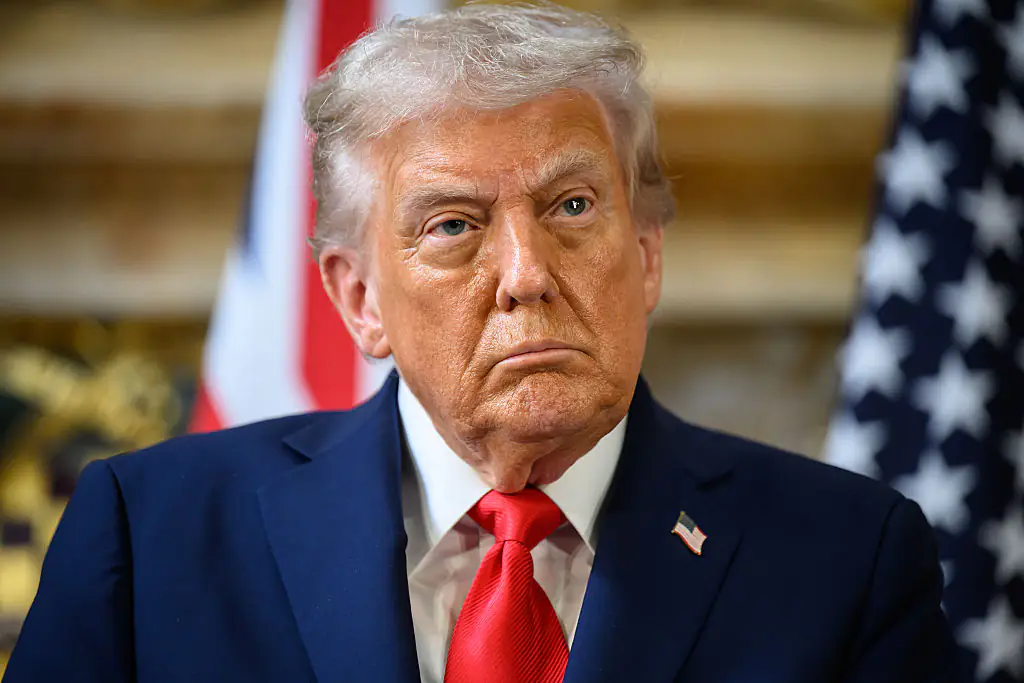
"We may stop by Cuba after we're finished with this," Trump told reporters at the White House on Monday, referring to the ongoing US-Israeli war in Iran.
He described Cuba as a 'failing nation' that had been 'horribly run for many years by Castro', adding: "Cuba's a failing nation, and we're going to do this."
It's not the first time he's made the threat.
Speaking at a Saudi investment conference in Miami last month, Trump was more explicit.
"I built this great military. I said, 'You'll never have to use it,' but sometimes you have to use it," he told the audience.
"And Cuba is next, by the way. But pretend I didn't say that. Please, please, please, media, please disregard that statement."
He has also previously floated the idea of a 'friendly takeover' of the island, before adding that 'it may not be a friendly takeover' and insisting he can 'do anything I want with it'.
What do the Pentagon sources say?
The original report was published by Zeteo, citing two sources described as 'familiar with the situation' and a third person who had been 'briefed on it'.
All three spoke anonymously, which is standard for reporting on sensitive national security matters but is worth noting given the gravity of the claims.
According to those sources, officials across the US government - including at the Pentagon - were recently given a new directive from the Trump White House.
The message was reportedly straightforward: ramp up your preparations for possible military operations against Cuba.
The report was subsequently picked up by USA Today, among others.
The White House has not publicly commented on the claims.
The report suggests that any potential action could include a Maduro-style abduction operation targeting Cuban leadership - similar to the US raid on Venezuela in January, which saw President Nicolas Maduro seized by Delta Force commandos and extradited to New York.
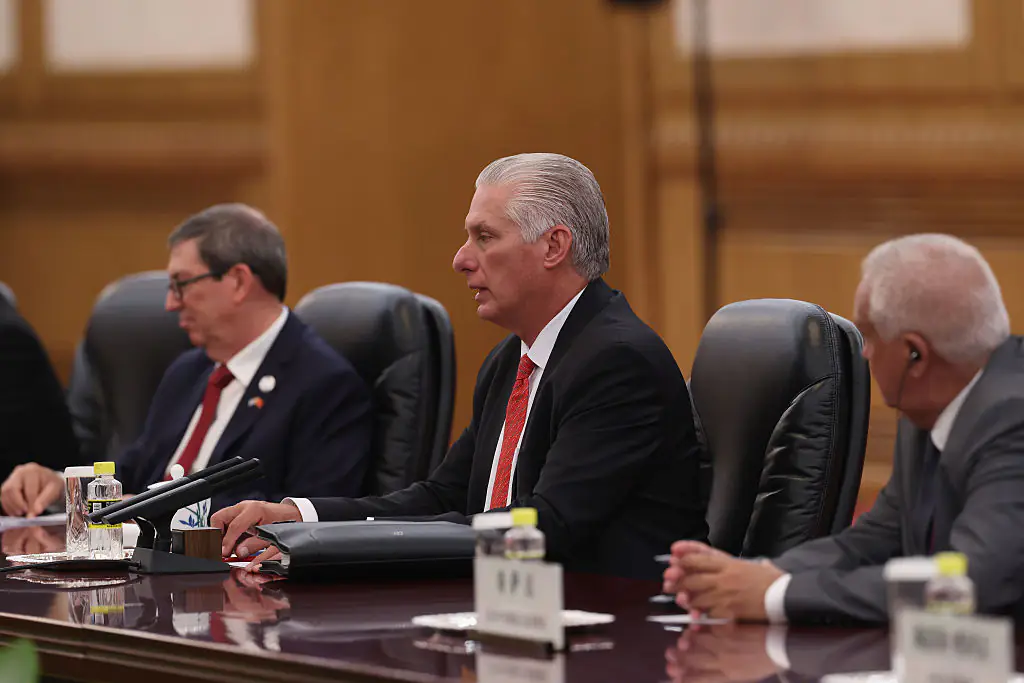
Cuban President Miguel Diaz-Canel is understood to be the primary focus of any such operation, with the Trump administration reportedly frustrated by what insiders describe as 'open defiance from the Cuban government'.
How has Cuba responded?
Diaz-Canel has made clear he has no plans to go quietly.
In an interview with NBC News, the Cuban president said he is prepared to die defending his country, describing Cuba as a 'free sovereign state' with the right to 'self-determination'.
"Stepping down is not part of our vocabulary," he said.
Cuba's deputy foreign minister, Carlos Fernandez de Cossio, also confirmed that the country's military is actively preparing for the possibility of US aggression.
"Our military is always prepared, and in fact, it is preparing these days for the possibility of military aggression," he said. "We would be naive if not looking at what's happening around the world."
What is the background to this?
The tension between Washington and Havana has been building for months.
Since the US military operation in Venezuela in January - which saw Maduro captured and extradited - Cuba has lost its primary source of oil.
The US has since imposed an energy blockade on the island, blocking tankers from delivering fuel and threatening tariffs on any country that attempts to sell oil to Cuba.
The result has been a devastating humanitarian crisis.
Cuba has experienced widespread power outages, fuel shortages, and disruptions to food and water distribution affecting nearly 11 million people.
The UN has condemned the blockade as a 'serious violation of international law'.
Secretary of State Marco Rubio - the son of Cuban immigrants and a longtime critic of the Havana regime - has reportedly led three rounds of secret talks with senior Cuban officials.
The US is understood to be pushing for Diaz-Canel's removal as a condition for any deal, without necessarily seeking broader regime change.
Trump has also drawn Cuba into his ongoing feud with Pope Leo XIV, criticising the pontiff for opposing the US intervention in Venezuela and for what Trump described as being 'weak on crime'.
Could it actually happen?
There are reasons for both alarm and scepticism.
On one hand, Trump has a track record of following through on threats that many initially dismissed as bluster.
The Venezuela operation, the Iran war, and the strikes in Ecuador were all preceded by public warnings that many assumed were rhetorical.
On the other, the US is already stretched militarily.
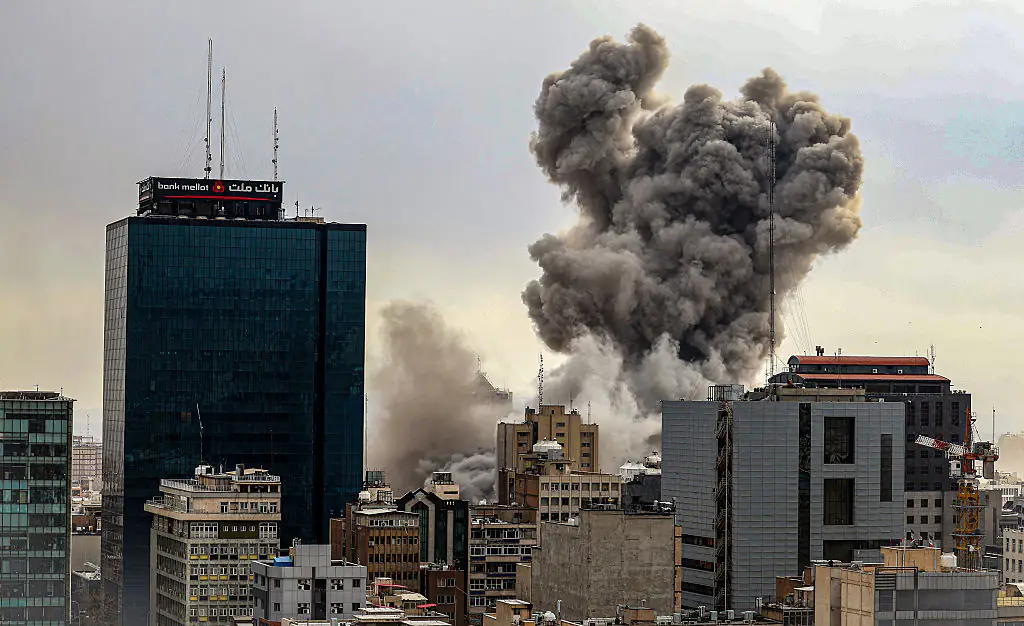
The war in Iran has cost at least 13 American service members' lives, a fragile ceasefire is barely holding, and the Strait of Hormuz blockade has sent oil prices soaring globally.
Opening a second front in Cuba while the Iran situation remains unresolved would represent a significant escalation.
An Economist/YouGov poll found that 53 percent of Americans oppose military action in Cuba.
For now, the situation remains uncertain - but the combination of a White House directive, repeated public threats, and a military that has been told to prepare suggests this is no longer just talk.
Whether Trump ultimately gives the order may depend on what happens in Iran first.
But if his own words are anything to go by, Cuba should be paying very close attention.