ADVERT
World2 min(s) read
Published 10:50 21 Jul 2026 GMT
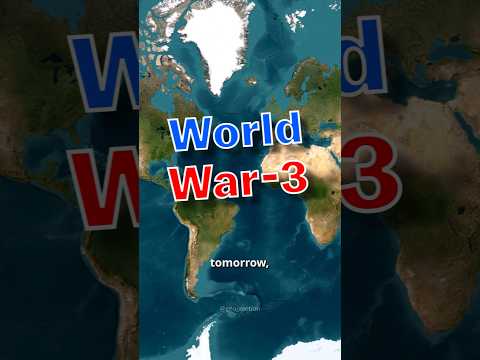
A doomsday simulation has revealed three countries that could potentially offer the best chance of safety if a devastating global war were to break out.
YouTuber Geography and History with Fun explored the question: "Which countries might be safe if World War III happens?" and examined nations that could be shielded from the worst effects of war due to their geography, resources and distance from major battle areas.
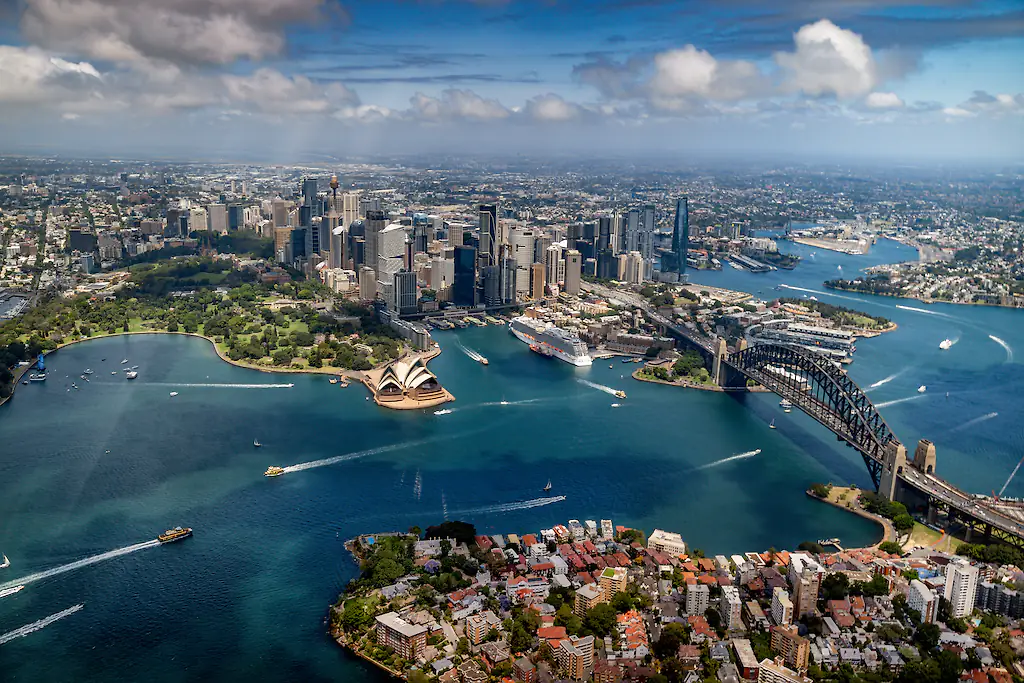
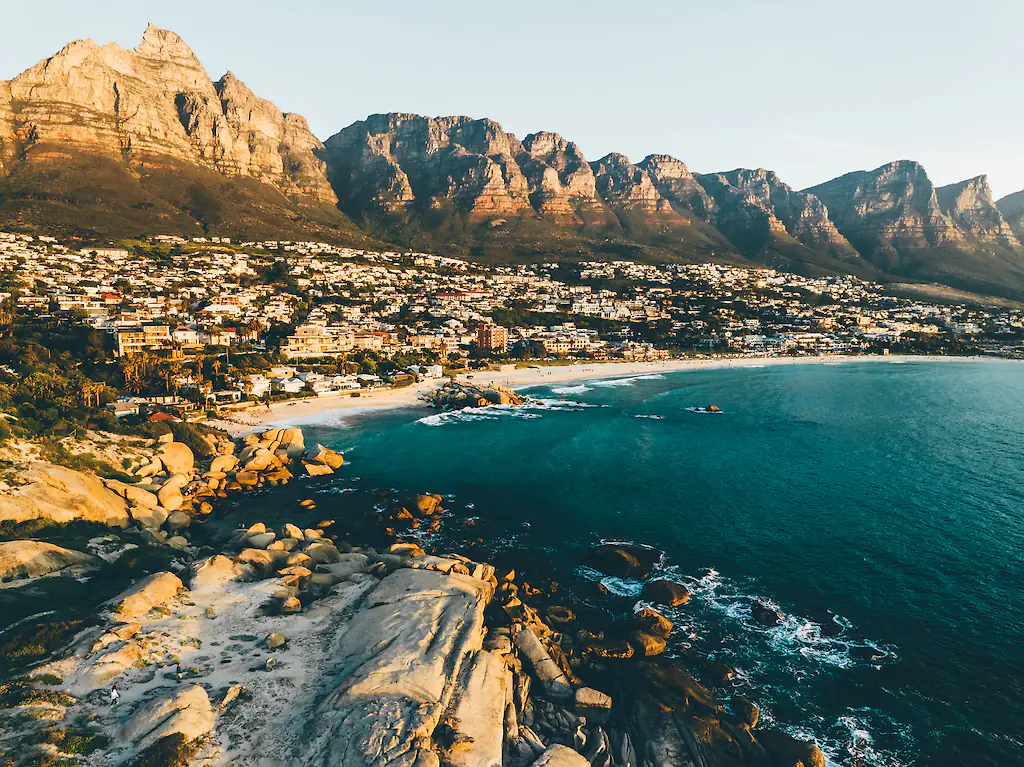
Australia is named as the first potential safe haven. The country’s position in the Southern Hemisphere means it is thousands of miles away from many major areas of international tension.
The YouTuber explains that Australia is "located in the Southern Hemisphere between the Pacific and Indian Oceans," keeping it far removed from prospective warring hotspots such as Europe, the Middle East and East Asia.
Its isolated location could make it less vulnerable to direct military action, with the video stating that its "remote position reduces the risk of direct attacks."
Australia’s ability to produce its own food is also highlighted as another massive advantage, "Australia can sustain its own food supply during global crises," the video claims.
Chile is also featured as a country that could be relatively protected in a World War III scenario, specifically due to its mountainous terrain and geographical make-up.
“It is bordered by the Pacific Ocean on the west and the Andes Mountains on the east," the video explains.
He continued: “Chile has a natural defense system that makes invasion difficult. Its geographic isolation keeps it away from military hotspots. Chile has stable infrastructure and a reliable agricultural base to survive independently if global systems collapse.”
The third and final country highlighted is Fiji, a remote Pacific island nation that could avoid becoming a major target due to its limited strategic importance.
According to the video, Fiji "holds little military or resource value, making it an unlikely target."
The island nation’s reliance on traditional industries is also presented as an advantage, with the video explaining that its "small population relies on farming and fishing, creating a self-sustaining lifestyle."
Its distance from major powers and conflicts could also offer protection, as "Fiji's isolation protects it from direct involvement in major global conflicts."
While the simulation suggests these three countries could be among the safer options in a hypothetical World War III scenario, the outcome of any real global fighting would be impossible to predict, and even remote nations could face major consequences.
world2 min(s) read
world3 min(s) read
world4 min(s) read
world3 min(s) read
world3 min(s) read
Published 11:44 10 Mar 2026 GMT
A chilling YouTube simulation is making the rounds online after breaking down which countries could face the greatest danger if a global war suddenly erupted.
The video explores geopolitical flashpoints and military alliances, warning that certain nations could quickly become targets or battle zones in the early stages of a large-scale conflict.
In the clip, the narrator sets the tone with a blunt question: "If World War II starts tomorrow, which countries would be the most unsafe?" The simulation then counts down five locations that analysts believe could face extreme risk due to geography, military alliances, and nuclear tensions.
The simulation places Japan at number five due to its strategic location in East Asia and its ties with the United States military.
The narrator states, "Number five, Japan. US military bases, China nearby, North Korea next door. Any Pacific war puts Japan on the front line."
With major US bases on Japanese soil and regional tensions involving China and North Korea, the country could quickly find itself at the center of a Pacific conflict.
Next on the list are the Baltic states. The video warns: "Number four, the Baltic States, Estonia, Latvia, Lithuania, right next to Russia, and backed by NATO. One move here could trigger global war."
Because Estonia, Latvia, and Lithuania sit directly on Russia’s border while also being NATO members, any clash there could force a wider international response.
At number three, the simulation highlights Pakistan, pointing to the long-running tensions with neighboring India.
The narrator states: "Number three, Pakistan, a nuclear-armed state with constant tension with India. One mistake could mean catastrophe." Both countries possess nuclear weapons, which makes the region particularly volatile if conflict escalates.
Iran is ranked second due to its role in Middle Eastern geopolitics. The video explains: "Number two, Iran. One spark in the Middle East and Iran becomes the center of a regional explosion overnight."
The country’s position in the region and its involvement in multiple geopolitical disputes could place it at the center of a major confrontation if tensions spiral.
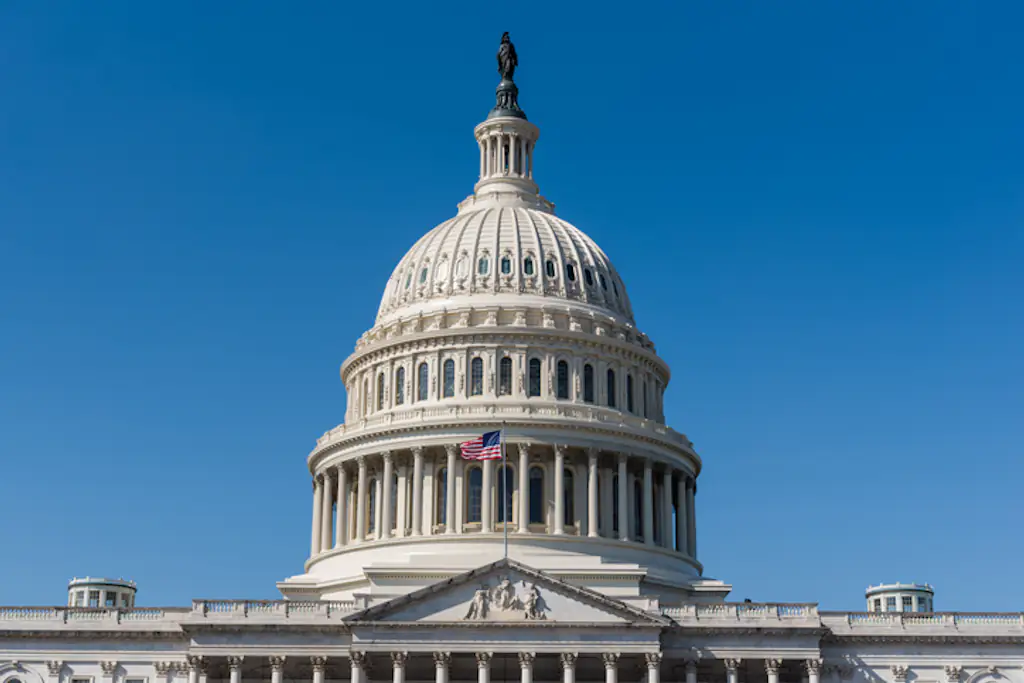
The simulation ultimately names the United States as the number one country likely to be targeted during a world war scenario.
The narrator concludes: "And number one, the most targeted country in a world war. Not because it's weak, but because it's everywhere, the United States."
With military bases, alliances, and global influence stretching across multiple continents, the US would likely play a central role in any major global conflict.
The simulation suggests that those same global commitments could also make it a primary target in a large-scale war.
Published 11:12 26 Jun 2025 GMT
With global tensions continuing to rise and nuclear threats creeping back into headlines, fears of a potential World War III have left many wondering: Is there anywhere safe if it all goes wrong?
Surprisingly, the answer might be yes, and the best options aren’t military bunkers or remote doomsday shelters.
According to investigative journalist and author Annie Jacobsen, there are two countries where your chances of survival would be significantly higher in the event of global nuclear war. And they might not be what you'd expect.
In a conversation on The Diary of a CEO podcast with Steven Bartlett, Jacobsen explained that countries in the Southern Hemisphere would be far better equipped to survive the long-term effects of nuclear winter.
Why? Because they’re more likely to sustain agriculture when the rest of the planet can’t.
“Places like Iowa and Ukraine would just be snow for 10 years,” Jacobsen explained. “So agriculture would fail, and when agriculture fails, people just die.”
On top of crop failures, radiation and a destroyed ozone layer would make sunlight deadly in many parts of the world, she warned. That would push survivors underground, leading to brutal fights for food “everywhere except for in New Zealand and Australia.”
Jacobsen cited research from Professor Owen Toon, whose team updated the original nuclear winter theory by focusing on its impact on global food supplies, The Daily Mail reported. The chilling estimate? A full-scale nuclear conflict could kill five billion people, most from starvation rather than the blasts themselves.
So where do the remaining three billion go? “That’s exactly where you’d go,” Jacobsen told Bartlett when he mentioned having just visited New Zealand and Australia. “Those are the only places that could actually sustain agriculture.”
Another key advantage? Their geography. Both countries are far removed from major nuclear powers and likely military targets, putting them at a strategic distance from the initial destruction zones.
Elsewhere, publications like Newsweek and Scientific American have examined how nuclear strikes could unfold in the U.S., and where Americans might be safest.
According to Scientific American, missile silos across Colorado, Wyoming, Nebraska, Montana, and North Dakota would be top targets.
Each strike would require one or two nuclear warheads with the explosive power of 100,000 tons of TNT, creating fireballs that vaporize everything in their path and unleash massive shockwaves.
But Newsweek compiled a list of the U.S. states least likely to be directly impacted.
These include: Maine, New Hampshire, Vermont, Massachusetts, Rhode Island, Connecticut, New York, New Jersey, Pennsylvania, Delaware, Maryland, Washington D.C., Virginia, West Virginia, North Carolina, South Carolina, Georgia, Florida, Alabama, Mississippi, Tennessee, Kentucky, Ohio, Indiana, and Michigan.
These areas are the furthest from known nuclear targets and missile infrastructure, potentially offering some buffer from the initial devastation.
Still, Jacobsen’s message was clear: no one is truly safe in a nuclear war. But if you’re looking for the best possible odds of survival, and the ability to grow food when the rest of the planet freezes, pack your bags for down under.
Published 13:40 08 Aug 2025 GMT
A doomsday map has shown the six most dangerous places you could be if World War III were to break out.
The last few years have been anything but peaceful, and with the current conflict between Iran and Israel making headlines, fears are growing that we could be on the edge of war.
Although Donald Trump proudly declared that a ceasefire had been agreed between the two countries, in June, he had to admit that both nations violated this agreement, and neither "knows what the f*** they're doing."
Seriously, the POTUS said that. Check out the video below:
As such, tensions still remain.
And as a result, the Express has looked into the most dangerous places you could be if a third World War were to break out. Here's what the publication had to say...
USA
The USA features on the list, presumably because of the recent attacks launched on Iran. If Russia and China were to get involved in the war, hitting key sites in the US could be beneficial to them.
Israel
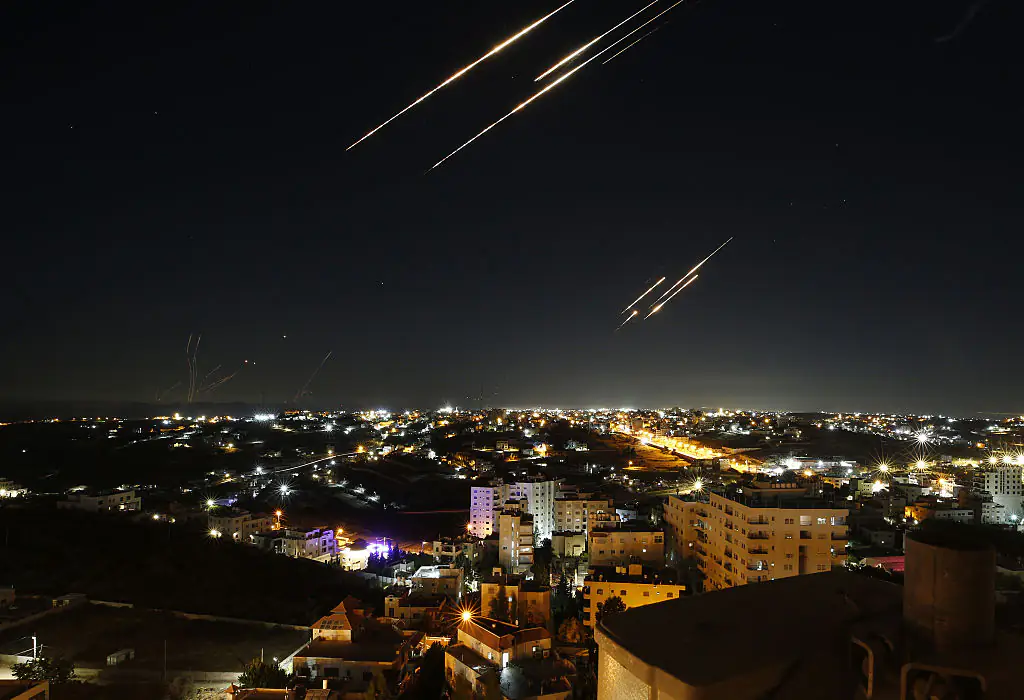
Israel has found itself under attack from Iranian missiles recently, and this would continue in the event that the ceasefire doesn't hold. Israel is currently allied with the USA.
Iran
Much for the same reasons as Israel, if the ceasefire were to be broken, then they would find themselves under attack, and would possibly see more attacks carried out by the US in their country.
Russia
Russia has been at war with Ukraine since 2022, but is also an ally of Iran. Much like the Cold War, the US and Russia would have missiles pointed at each other that are capable of doing serious damage, but let's hope that doesn't happen.
Taiwan
Taiwan is a disputed territory, with China believing that the land belongs to it. If a World War kicks off, then Taiwan would probably find itself being occupied by its Chinese neighbors. China is an ally of Russia.
North Korea
North Korea is a country that intrigues many around the world, and although their military assets don't match up to most major nations, they could still capitalise on an opportunity to show their military might.
So now the question you have will be: Where is the safest place?
Well, according to the Daily Mail, here are a few options.
Switzerland
Known for its longstanding neutrality and rugged alpine terrain, Switzerland is bolstered by a network of nuclear shelters built into its mountains. Its geography and preparedness make it a prime candidate for wartime refuge.
Greenland
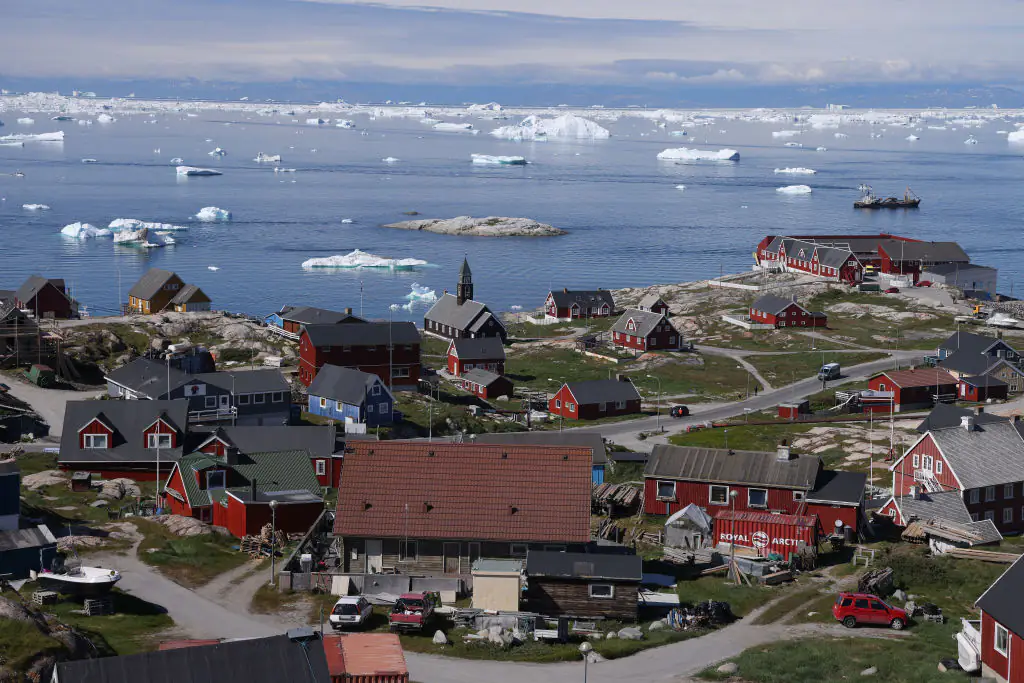
This sprawling, sparsely populated Danish territory in the North Atlantic—home to just about 56,000 people—could easily be overlooked in any global military strategy. Greenland’s isolation makes it a low-risk haven.
Iceland
Far from conflict and rich in geothermal resources like hot springs, Iceland combines natural energy abundance with peaceful international relations, making it another promising place to ride out potential conflict.
Fiji
About 2,700 miles from Australia in the southwest Pacific Ocean, Fiji offers warm seas teeming with fish, sandy beaches, and dense vegetation. Its isolation and natural resources make it an attractive option for wartime evasion.
South Africa
With solid infrastructure, productive land, and ample wildlife, South Africa in the southern hemisphere could support self-sustaining survival. Its position outside global conflict zones enhances its appeal.
New Zealand
Despite its Commonwealth ties, New Zealand’s historical neutrality and remote location often put it under the radar of global superpowers. Its mountainous terrain offers natural protection, reinforcing its potential as a refuge.
Antarctica
Perhaps the ultimate escape, this largely uninhabited continent is inhospitable but virtually ignored by geopolitical interests. Its harsh climate and remoteness make it nearly ideal for disappearing in the event of worldwide warfare.
With all this being said, it's important to note that World War III is an incredibly unlikely occurrence.
Published 12:59 10 Dec 2025 GMT
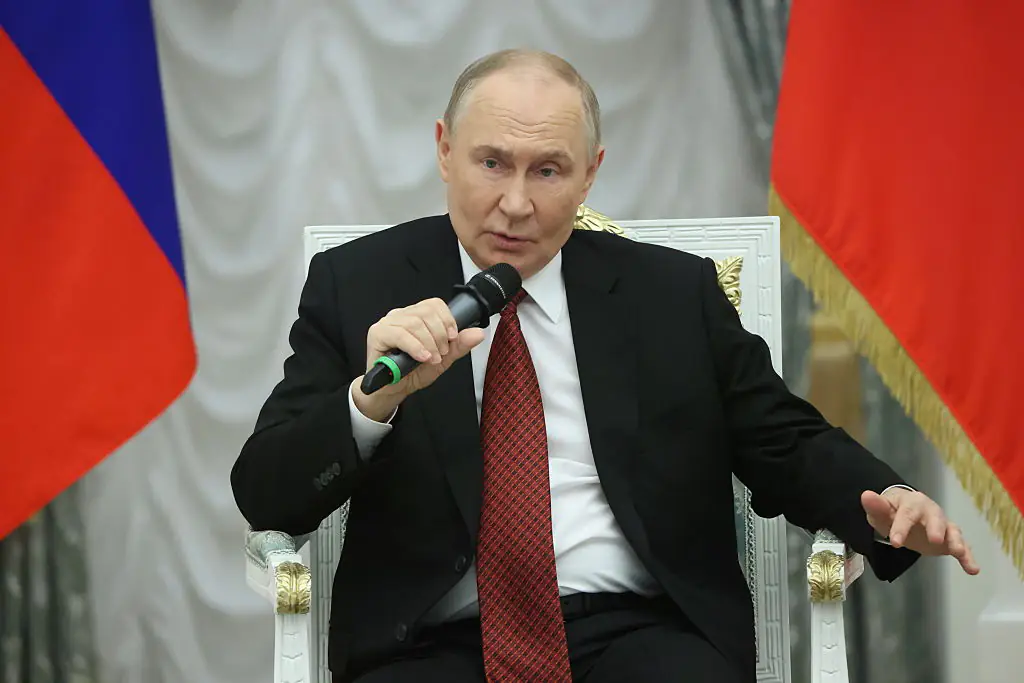
As global tensions rise, experts and civilians alike are eyeing potential safe havens in case of a large-scale conflict. A so-called "Doomsday map" has revealed the 12 countries and territories considered safest in the event of a World War III scenario, while recent statements from Russian President Vladimir Putin have only heightened fears of global instability.
Vladimir Putin recently ignited international alarm by claiming that Russia is “ready” for war with Europe “right away.” Speaking amid stalled Ukraine peace talks, Putin accused European nations of sabotaging negotiations and warned that while Russia does not intend to initiate conflict, it is prepared if Europe acts aggressively.
“Europe is preventing the US administration from achieving peace in Ukraine,” Putin said, adding that the continent’s actions are “on the side of war.” His comments came just hours before his aide, Yuri Ushakov, described a meeting with U.S. envoys, including Jared Kushner, as “extremely useful, constructive, and informed,” though progress on peace efforts remains limited.
Credit: Contributor/Getty Images.
Ukrainian President Volodymyr Zelenskyy emphasized that negotiations are ongoing, seeking guarantees against future Russian aggression and fair conditions for Ukraine’s military and territorial integrity.
Compounding fears of global conflict, June 2025 saw heightened hostilities between Israel and Iran. Israeli jets targeted Iranian nuclear facilities, prompting missile strikes on U.S. bases in Qatar and air raid sirens across Israel. Casualties were reported on both sides, with at least 950 killed in Iran and 24 in Israel. Although U.S. President Donald Trump announced a ceasefire, officials warned that any violations would be met with full force, further underscoring the fragility of international peace.
Given the potential for escalation in multiple regions, survival experts have highlighted the following locations based on geographic isolation, neutrality, and access to resources:
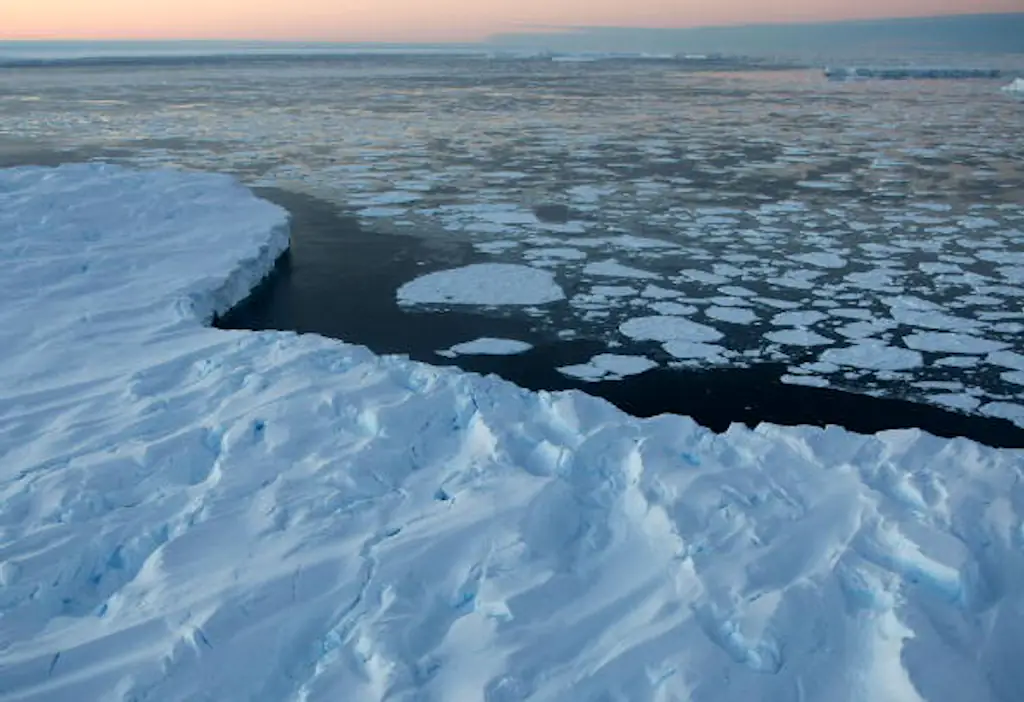
1. Antarctica – Remote and politically neutral, though inhospitable.
2. Iceland – Isolated and peaceful, with low strategic value.
3. New Zealand – Mountainous, neutral, and naturally protected.
4. Switzerland – Neutral with extensive nuclear shelters.
5. Greenland – Sparsely populated and politically neutral.
6. Indonesia – Adopts a non-aligned foreign policy.
7. Tuvalu – Small population and minimal strategic importance.
8. Argentina – Abundant crops and resources for survival.
9. Bhutan – Neutral since 1971 and shielded by mountains.
10. Chile – Strong infrastructure and agricultural capacity.
11. Fiji – Remote with low military profile.
12. South Africa – Fertile land, water access, and developed infrastructure.
Antarctica is the safest place to be if global conflict breaks out. Credit: Torsten Blackwood - Pool/Getty Images.
With global power dynamics volatile, including potential clashes between the U.S., Europe, Iran, and Russia, these locations represent the most likely refuges in a worst-case scenario. As geopolitical tensions mount, citizens worldwide are increasingly focused on strategies for survival and the implications of potential global conflict.
Published 10:30 23 Oct 2025 GMT
The worst places you can be if World War III breaks out today have been revealed. Amid current global tensions and the continued war in Europe after Russia’s invasion of Ukraine in 2022, concerns about a large‑scale international conflict are louder than ever.
According to the AI chatbot ChatGPT, some countries and cities are far more vulnerable than others. The chatbot states: “As a leading global military power and a member of NATO, the U.S. would be a primary target.”
Cities such as Washington D.C., Los Angeles, and New York City are flagged as especially at risk, with emergency‑preparedness firm Mira Safety noting that if Russia were to target the US, initial strikes might focus on remote military assets, before moving on to major urban centers.
The site predicts: “Suppose Russia attempts an alpha strike against America, or a counterforce measure to target our nuclear weapons. In that case, their initial targets will be relatively remote. As counterforce evolves into counter‑value, Russian missiles would begin targeting larger cities, including New York, Chicago, Houston, Los Angeles, and San Francisco.”
Beyond the U.S., the list of worst places if large‑scale war erupts includes several major powers and hotspots. Russia itself is identified as “a nuclear superpower and a likely belligerent in WW3”, placing major Russian cities such as Moscow and Saint Petersburg in danger.
China is another country where one would not want to be, given its status as “a major global power with potential involvement in conflicts, especially concerning Taiwan.”
Also vulnerable are Ukraine (ranked fourth), then Germany, the UK, France, and Poland, which share a joint fifth place. Other areas mentioned include the Middle East, Taiwan, and North Korea.
Poland’s Prime Minister Donald Tusk acknowledged his country’s risk when he said per Reuters: “I have no reason to claim we’re on the brink of war, but a line has been crossed, and it’s incomparably more dangerous than before.”
Meanwhile, China declared it was “ready to fight ‘any type’ of war” in a warning to the U.S. and former President Donald Trump.
Trump himself commented during a speech to the United States Department of Justice: “I think we have it, I think we have it, but this could lead to World War III, very easily, could very easily lead to World War III.
"But I think we’re in pretty good shape, a lot better than where we were before we got involved. That was heading into World War III territory, that would’ve been a war like no other because of nuclear weapons, and other types of weapons that you don’t even wanna know about.”
On the flip side, some locations are considered relatively safer if a global war erupts. Countries such as Switzerland, Iceland, and Argentina came up among the safest choices. These places benefit from factors like geographic isolation, lower strategic value, and less direct involvement in major power conflicts.
While no location is guaranteed safe in a full‑scale war, this list provides a snapshot of where risk might be highest and where it may be lowest. Let me know if you’d like a full list of the “top 10 worst places” and “top safest places” as identified.