ADVERT
World3 min(s) read
Published 10:26 13 Jun 2025 GMT
A British man was the sole survivor after an Air India flight tragically crashed into a residential area.
As the only confirmed survivor, Vishwash Kumar Ramesh, 40, is now recovering in the hospital and grappling with the question everyone is asking: how did he make it out alive?
Vishwash was seated in 11A aboard the London-bound Boeing 787 Dreamliner when it crashed just moments after takeoff from Ahmedabad, India.
The flight was carrying 242 passengers and crew, including 169 Indian nationals and 53 Britons.
His brother, Nayan Kumar Ramesh, told BBC News: “He [Vishwashkumar] himself has no idea how he survived, how he got out the plane.
“When he called us he was just more worried about my other brother, like 'Find Ajay, find Ajay.' That's all he cares about at the moment.”
Tragically, Vishwash’s older brother, 45-year-old Ajay Kumar Ramesh, was also on board — and did not survive.
“We were all in shock as soon as we heard what happened, just utter shock. Speechless,” Nayan added.
“It’s a miracle Vishwash is alive,” he told Sky News. “But we’ve lost Ajay. It’s devastating. I’m terrified to even fly now.”
Speaking from his hospital bed, Vishwash shared the horrifying experience with local media: “Thirty seconds after takeoff, there was a loud noise, and then we crashed. It all happened so fast. When I stood up, there were bodies everywhere. I just ran.
“I don’t even know how I got out of the plane.”
He recalled waking up surrounded by bodies, feeling paralyzed by fear before he “stood up and ran.” He said someone “grabbed hold of me and put me in an ambulance and brought me to the hospital".
Vishwash reported suffering “impact injuries” to his chest, eyes, and feet.
Reports from Reuters state that Vishwash jumped out of the emergency exit located next to his seat.
His father had been on the phone with him right before takeoff.
“He said, ‘We’re about to go,’” Nayan recalled. “The next thing we knew, my dad was getting a video call.”
A video circulating online shows Vishwash limping away from the wreckage, disoriented and covered in blood, as black smoke billows behind him.
Dr Dhaval Gameti, who treated Vishwash, said: “He was disorientated, with multiple injuries all over his body. But he seems to be out of danger.”
Ramesh, who has lived in the UK since 2003, is a businessman with a wife and a four-year-old son. His boarding pass, shared with Indian media, confirmed his identity and seat number.
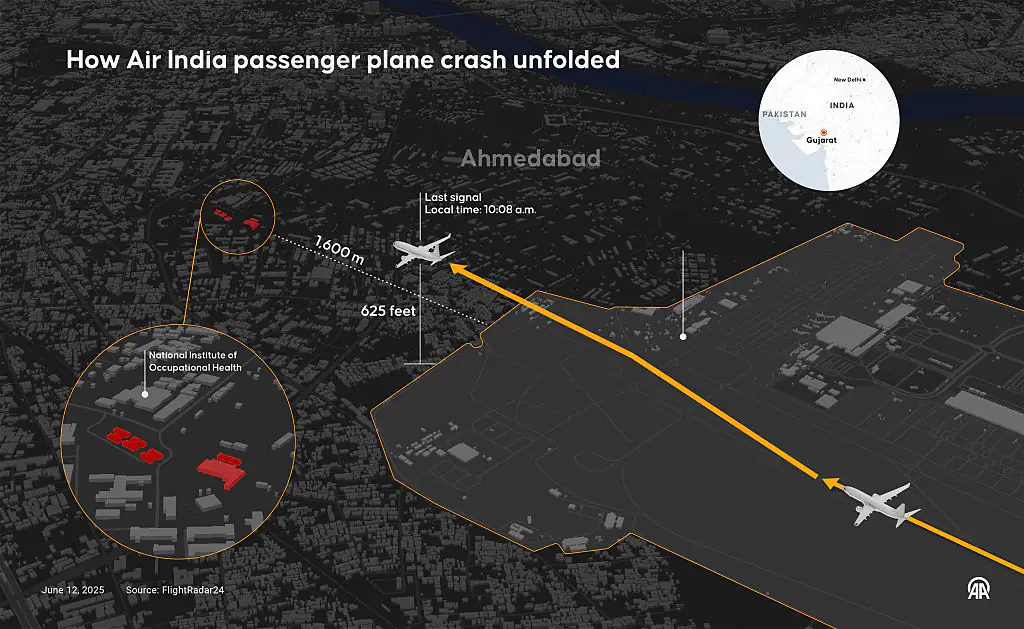
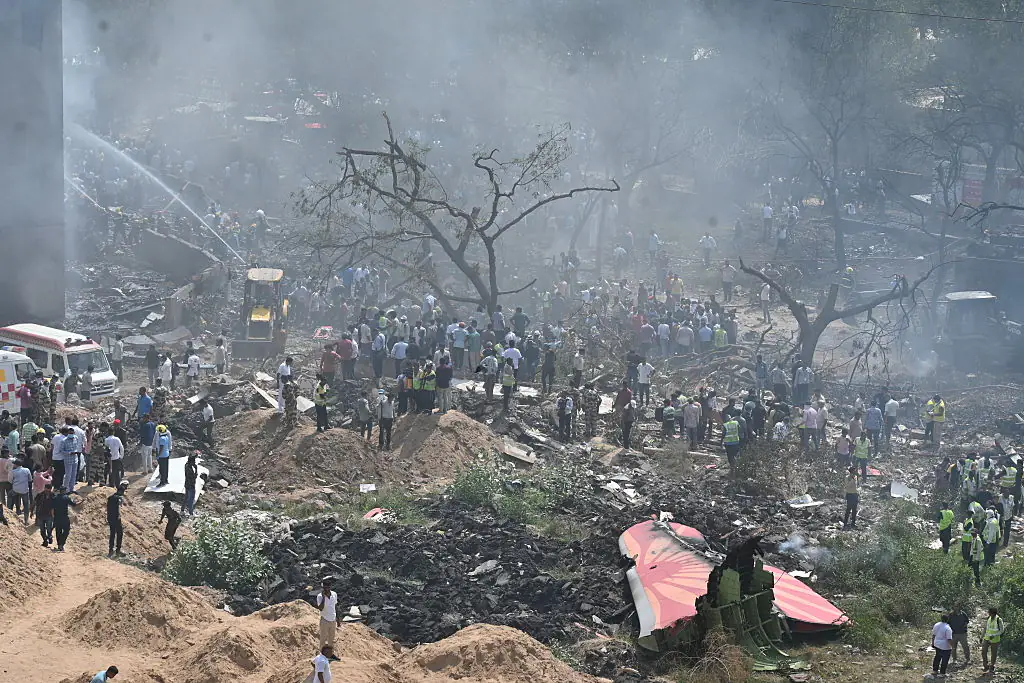
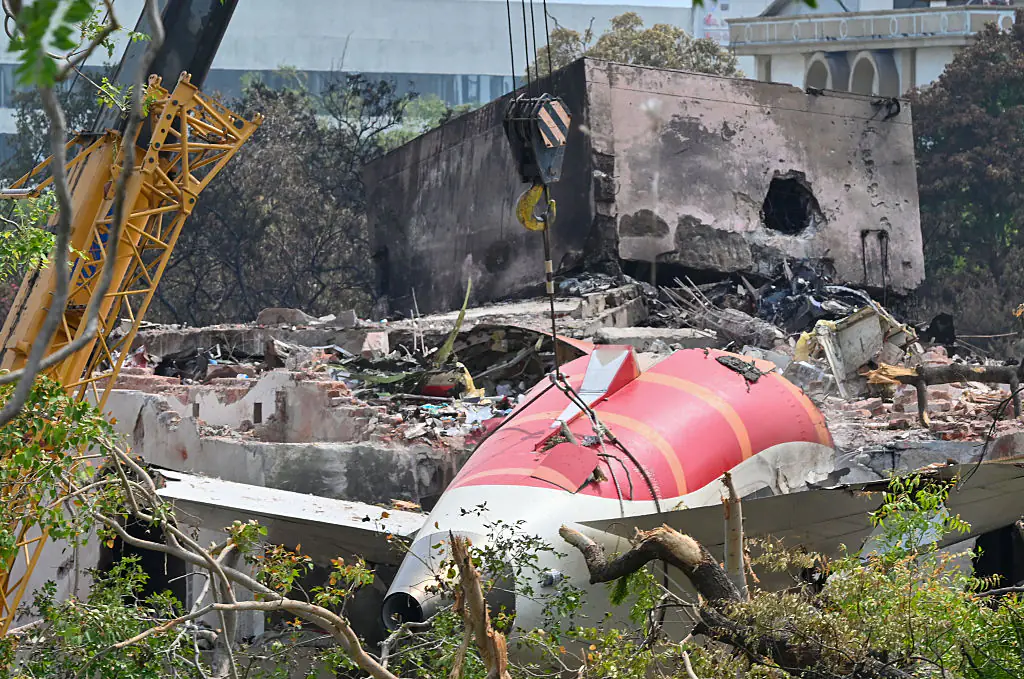
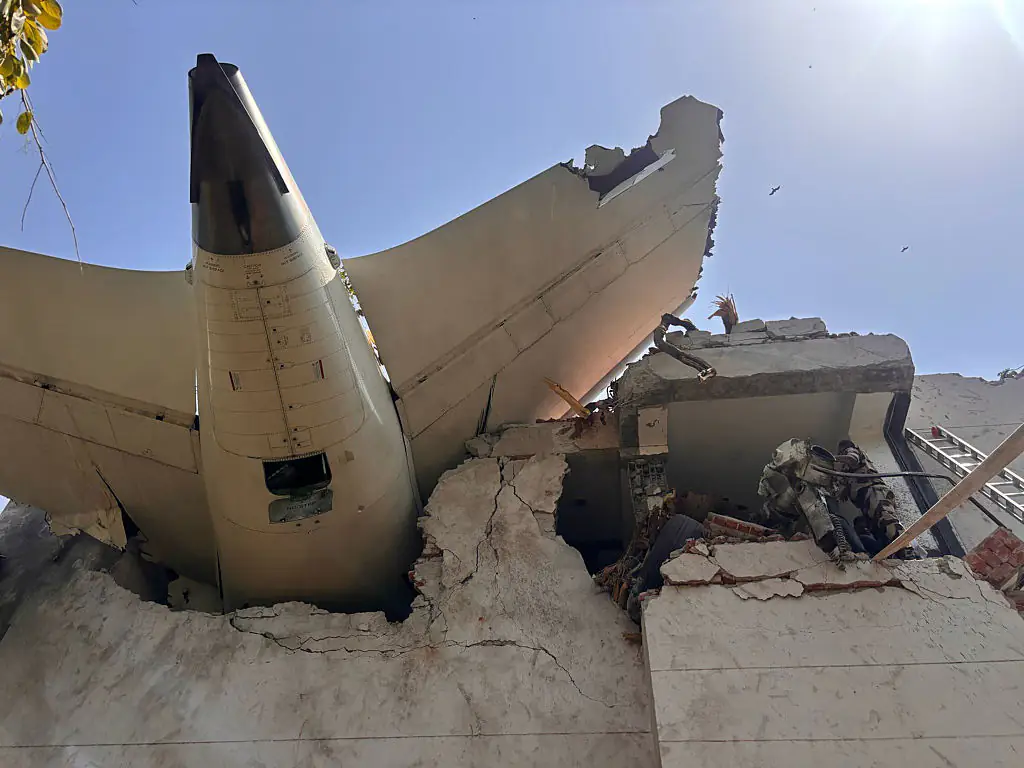
The aircraft crashed into accommodation housing trainee doctors less than a minute after takeoff. Flightradar24 data shows the last signal was at just 625 feet.
The pilot, Captain Sumeet Sabharwal, who had more than 8,000 hours of flight experience, issued a mayday call before the crash, according to India’s aviation regulator.
Among the victims were several British families. Gloucester Muslim Society named three passengers: Akeel Nanabawa, his wife Hannaa Vorajee, and their daughter Sara, four.
Also on the flight were spiritual wellness entrepreneurs Fiongal and Jamie Greenlaw-Meek. Just before boarding, they posted a cheerful video to Instagram joking about the “10-hour flight back to England.”
world news3 min(s) read
Published 09:44 13 Jun 2025 GMT
world3 min(s) read
Published 13:20 22 Jul 2025 GMT
The sole survivor of the Air India plane crash that claimed 260 lives is reportedly living a life of torment since the crash.
Flight AI171 was en route to Gatwick Airport in London on June 12 when it crashed into a hostel housing medical staff from the Byramjee Jeejeebhoy Medical College, less than a minute after takeoff.
The aircraft climbed to just 625 feet before it lost location data 50 seconds after takeoff.
British national Vishwash Kumar Ramesh, 40, was seated in 11A when the Boeing 787-8 Dreamliner plummeted just seconds after takeoff from Ahmedabad, killing 260 people, including 19 on the ground.
He walked away with facial cuts and chest injuries, but the emotional toll is ongoing.
“He can’t sleep at night,” his nephew, Krunal Keshave, told The Sunday Times. “He sleeps but doesn’t sleep properly. When he sleeps, he dreams he is on the flight. He remembers seeing everyone die in front of his eyes.”
Ramesh, who now remains in India with his wife and four-year-old son, is reportedly suffering from survivor’s guilt and intense grief over the loss of his younger brother, Ajay, 35, who perished in the crash.
The two siblings had run a fishing business together and were preparing to return to their UK homes after the season ended.
“He sees him (Ajay) everywhere,” said Keshave. “He speaks but he doesn’t speak about the crash. His wife and his son… are there with him, supporting him. He is trying to have a normal life, but he is not going out too much. He is spending time at home with the family.”
Another relative added: “He feels guilty that he is the only one to have lived when everybody else, including his brother, died. It’s a lot to live with.”
Ramesh had escaped through the emergency exit and was hailed as the “miracle man” and “God’s child” by locals. Reflecting on the horror, he said: “I don’t know how I came out of it alive. I saw people dying in front of my eyes.”
Now, investigators are zeroing in on what may have triggered the catastrophe.
A 15-page preliminary report by India's Aircraft Accident Investigation Bureau (AAIB) reveals that both of the aircraft’s engine fuel-control switches were flipped from “RUN” to “CUTOFF” just seconds after liftoff - instantly severing fuel to the engines.
The cockpit voice recorder captured one pilot asking: “Why did you do the cut-off?” to which the other responded: “I didn’t.”
Clive Kunder, 32, was flying the plane while Captain Sumeet Sabharwal, 56, was monitoring. US officials believe it was Sabharwal who activated the fuel switch, though investigations are ongoing.
Aviation experts say the act could not have been accidental. “They require absolute physical effort to lift the switch up, raise it over … and back down,” Captain Byron Bailey told Sky News.
“So it had to be done by one of the pilots. Three seconds after lift off is the perfect time to have done this.”
The AAIB timeline shows the aircraft reached 180 knots at 08:08:42 UTC. Just seconds later, the engines lost power.
Speculation about a deliberate act was quickly condemned, per News.com.au.
“There is absolutely no basis for such a claim at this stage,” said the Indian Commercial Pilots Association. “It is deeply insensitive to the individuals and families involved.
"To casually suggest pilot suicide without verified evidence is a gross violation of ethical reporting and a disservice to the dignity of the profession.”
world3 min(s) read
Published 16:15 12 Jun 2025 GMT
A British man who survived the Air India plane crash has opened up about his horrifying experience.
Air India Flight AI171 departed from Ahmedabad’s Sardar Vallabhbhai Patel International Airport at 13:38 local time, en route to London's Gatwick Airport on Thursday (June 12).
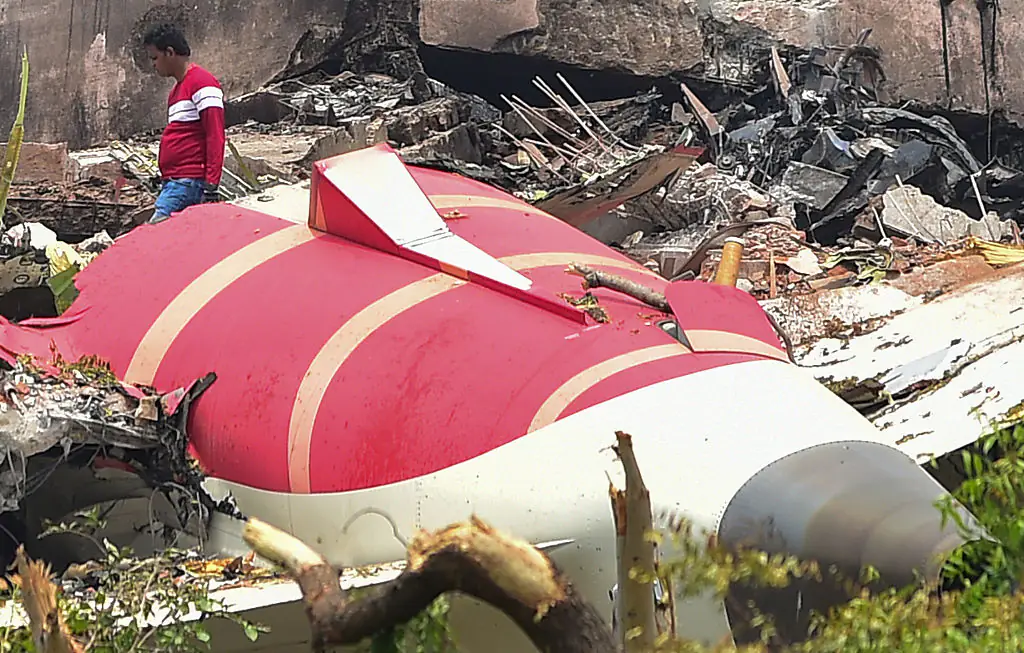
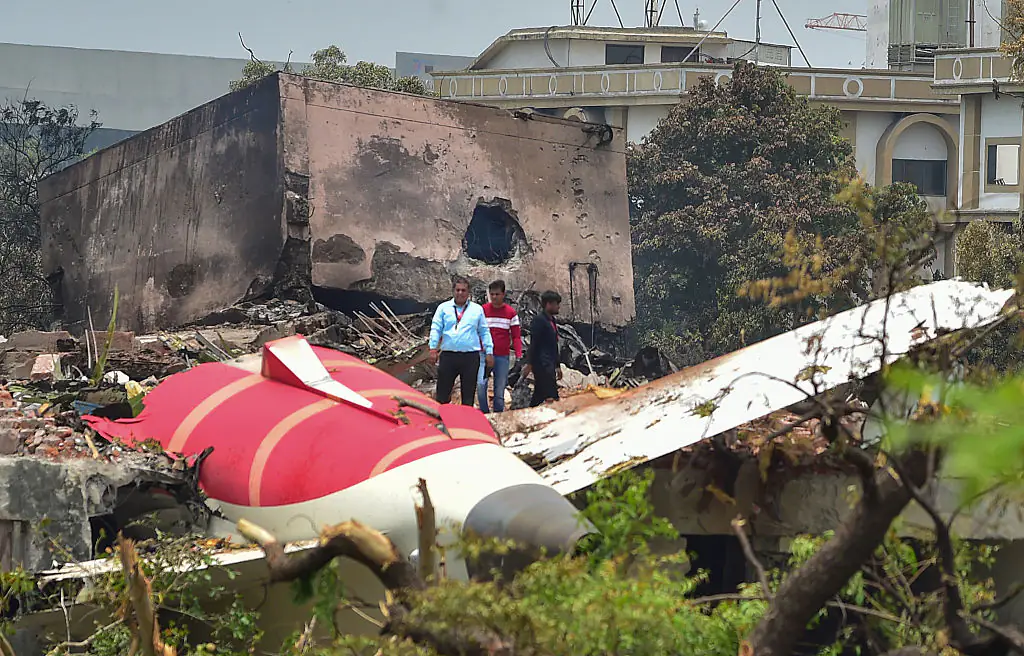
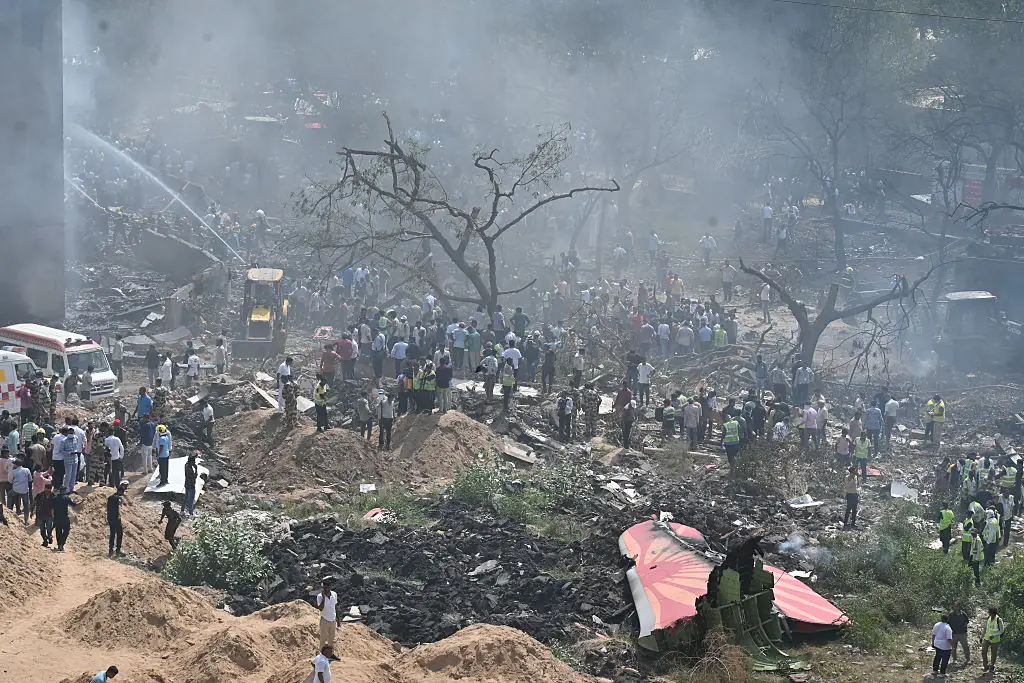
Less than a minute after liftoff, the plane’s transponder signal disappeared when it had reached only 625 feet. This led to the Boeing 787-8 slamming into a doctors' hostel in Meghani Nagar, triggering an enormous explosion and fireball that consumed nearby buildings and sent thick smoke soaring into the sky.
Among the 242 people on board were 169 Indian nationals, 53 British citizens, seven Portuguese nationals, one Canadian, and 11 children.
Despite initial reports stating there were no survivors from the Air India Flight AI171 crash, authorities have now confirmed that a single passenger, British national Vishwash Kumar Ramesh, survived the devastating incident.
He was seated in 11A when the Boeing 787 Dreamliner went down. Ahmedabad Police Commissioner G.S. Malik said that the survivor is currently receiving treatment in the hospital.
Ramesh spoke to Hindustan Times, describing the crash’s terrifying aftermath: “Thirty seconds after take‑off, there was a loud noise and then the plane crashed. It all happened so quickly.”
He recalled waking up surrounded by bodies, feeling paralyzed by fear before he “stood up and ran.” He said someone “grabbed hold of me and put me in an ambulance and brought me to the hospital".
Ramesh reported suffering “impact injuries” to his chest, eyes, and feet, and confirmed his brother was also onboard.
Before the devastating tragedy, a mayday signal was issued by the pilot, who was reportedly an experienced aviator with over 8,200 flight hours.
Tata Sons, which owns Air India, has pledged compensation for each victim's family, as well as coverage of medical costs for the injured and assistance in rebuilding the destroyed hostel.
The international response has also been swift. UK Prime Minister Sir Keir Starmer said, “The scenes emerging of a London-bound plane carrying many British nationals crashing in the Indian city of Ahmedabad are devastating. My thoughts are with the passengers and their families.” King Charles and Queen Camilla have also been briefed on the tragedy.
India’s Prime Minister Narendra Modi expressed his sorrow on X, calling the incident “heartbreaking beyond words” and assured the public that authorities were working around the clock to assist those affected.
India’s civil aviation minister, Ram Mohan Naidu Kinjarapu, said he was “shocked and devastated,” and confirmed that all emergency and aviation agencies had been mobilized to the scene.
Boeing has stated that they are in contact with Air India and are offering support during the investigation, per CBS News.
Our thoughts continue to be with everyone affected by this horrific crash.
world3 min(s) read
Published 15:08 13 Jun 2025 GMT
After one man miraculously survived the Air India plane crash, an expert has weighed in on how it might have happened.
The only survivor of the horrific crash was Vishwash Kumar Ramesh, a 40-year-old British national who had been seated in 11A aboard the Boeing 787 Dreamliner.
The jet had taken off from Ahmedabad and was bound for London Gatwick when it slammed into a building and burst into flames.
Speaking from his hospital bed, Ramesh told India’s national broadcaster: “I don’t believe how I survived. For some time I thought I was also going to die.
“But when I opened my eyes, I realised I was alive and I tried to unbuckle myself from the seat and escape from where I could. It was in front of my eyes that the air hostess and others died.
“The side of the plane I was in landed on the ground, and I could see that there was space outside the aircraft, so when my door broke I tried to escape through it and I did.”
Aviation expert Guy Leitch explained what made that specific seat so unique — and life-saving.
“My take on it is, the seat 11A was thrown clear of the wreckage as it actually broke up," he told GB News.
“I think that’s the only way he survived the fireball. He had to have been away from it. That’s probably how he picked up his facial and chest injuries. The Boeing 787 had a different breakup structure in the way it actually broke up when it hit this building.”
Ramesh’s seat was also right next to an emergency exit, which likely played a vital role in his escape. Reports say he jumped out of that exit once the door broke open.
He added that the opposite side of the plane was blocked by a building wall — making any escape from that side impossible.
Ramesh recounted the horrifying crash in more detail to local media: “Thirty seconds after takeoff, there was a loud noise, and then we crashed. It all happened so fast. When I stood up, there were bodies everywhere. I just ran.
“I don’t even know how I got out of the plane.”
After someone grabbed him and placed him into an ambulance, Ramesh was treated at the hospital for impact injuries to his chest, eyes, and feet.
“He was disorientated, with multiple injuries all over his body. But he seems to be out of danger,” said Dr Dhaval Gameti, who treated him.
The flight was carrying 242 people: 169 Indian nationals, 53 British citizens, seven Portuguese, and one Canadian. It crashed less than a minute after takeoff, with the final signal captured at just 625 feet.
The pilot, Captain Sumeet Sabharwal, issued a mayday moments before impact. The jet smashed into a hostel housing trainee doctors.
world4 min(s) read
Published 10:42 14 Jun 2025 GMT
The sole survivor of the Air India tragedy was sitting in the same seat as a man who had escaped a fatal plane crash years earlier.
The recent crash, which claimed the lives of 241 of the 242 people on board, occurred just moments after takeoff from Ahmedabad, Western India.
The Boeing 787-8 Dreamliner, headed for London’s Gatwick Airport, made a mayday call seconds into the flight before slamming into a doctors’ hostel and bursting into flames.
Initially feared to have left no survivors, officials later confirmed that one man had made it out alive - 40-year-old British national Vishwash Kumar Ramesh. He was seated in 11A, right next to an emergency exit.
The father-of-one from Leicester opened up about his terrifying experience, sharing that "it all happened so quickly,” cited by the Daily Mail.
"I was scared. I stood up and ran," he continued. "There were pieces of the plane all around me. Someone grabbed hold of me and put me in an ambulance and brought me to the hospital."
Ramesh later elaborated from his hospital bed in Ahmedabad that "for a while" he thought he was "about to die," adding: "But when I opened my eyes, I saw I was alive. And I opened my seatbelt and got out of there."
According to the passenger, the emergency exit next to him had “broken,” creating an opening: “There was some space. When the door broke, I saw that space and I just jumped out.”
He described the feeling right after takeoff as if the “plane had got stuck,” before the lights began flickering green and white, and the aircraft “rammed into some establishment".
Ramesh recounted that he saw air hostesses and other victims dying in front of his eyes. “When I saw the exit, I thought I could come out. I tried, and I did," he recalled. "Maybe the people who were on the other side of the plane weren’t able to. I walked out of the rubble.”
Medical staff confirmed the man sustained multiple injuries and burns to his arm but is now “out of danger".
Investigators believe the dislodged emergency exit near his seat may have been what gave him the miraculous escape path. Aviation historian Edwin Galea remarked that proximity to an exit during a fire significantly improves survival odds.
As Ramesh’s story spread, another man stepped forward.
Thai pop singer Ruangsak Loychusak - now 47 years old - was seated in 11A during the Thai Airways flight TG261 crash in 1998.
That flight stalled during a landing attempt in Surat Thani and plunged into a swamp, killing 101 people.
“The lone survivor of the plane crash in India was sitting in the same seat number as me, 11A,” Loychusak told the MailOnline. “I want to offer my condolences to all those who lost loved ones in the tragedy.”
Loychusak opened up about his post-crash trauma, sharing that for 10 years, he feared flying. “I would struggle breathing, even though the air circulation was normal. I avoided speaking to anyone and always stared outside the window, blocking anyone from closing it to maintain my sense of safety," he said.
He added: “If I saw dark clouds or a rainstorm outside, I would feel terrible, like I was in hell. I can still remember the sounds, smells, and even the taste of the water in the swamp the plane crashed into. For a long time, I would keep the feelings to myself.”
Back in Ahmedabad, authorities are still grappling with the devastation. Ramesh’s older brother Ajay, who was seated in a different row, did not survive the impact.
Initial crash theories include a bird strike that may have disabled both engines or misconfigured flaps that led to the sudden descent.
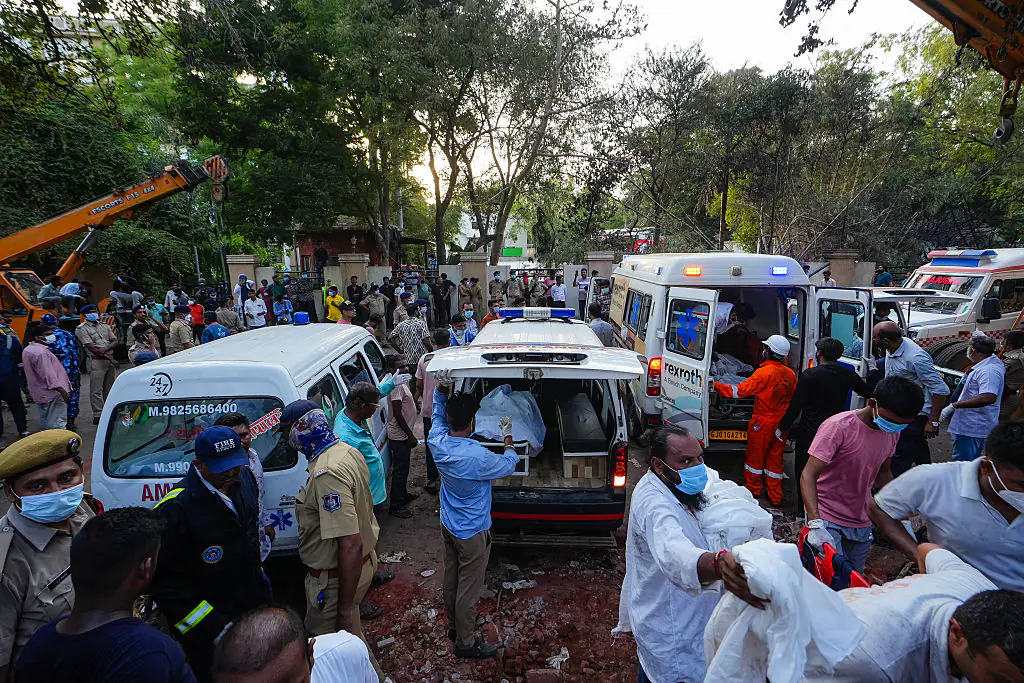
The Aircraft Accident Investigation Bureau has launched a full probe, with support from the U.S. NTSB, FAA, Boeing, and GE. DNA testing is underway to identify the charred remains of victims, most of whom were unrecognizable, as confirmed by Ahmedabad Police Commissioner G.S. Malik.
Our thoughts continue to be with everyone affected by this tragedy.