ADVERT
World3 min(s) read
Flight radar data has revealed the true extent of the K2 aircraft's nosedive and subsequent crash into the Arabian Sea on Tuesday (July 7).
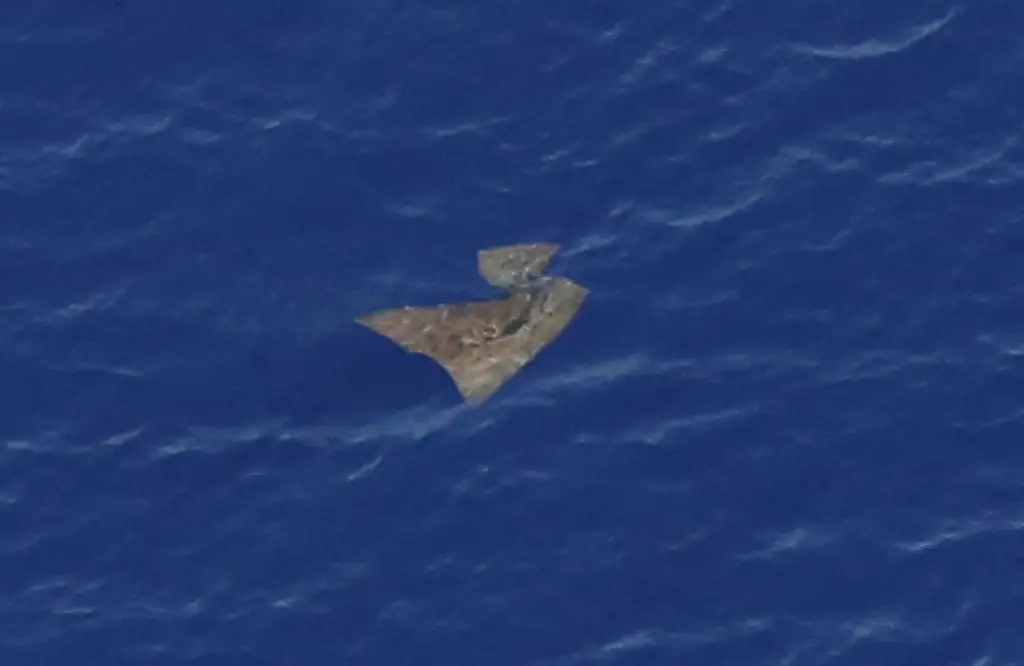
Pakistani authorities discovered wreckage of a Boeing plane in the Arabian Sea yesterday (July 8), though all five crew members are feared dead.
The aircraft lost contact with air traffic control and vanished after rapidly descending 5,000ft in a matter of seconds off the coast of Pakistan.
After searching for 12 hours on Wednesday, Pakistani navy and search teams found debris, with large parts of the aircraft being lifted out of the water.
It may be more difficult to find the main wreckage of the plane, as the plane disappeared in an area where the sea was approximately 9,800ft deep. More specialized equipment would be needed.
The airline stated: “We continue to pray earnestly for the safety of our colleagues.”

Tracking data from Flightradar24 revealed the aircraft’s final moments, with the plane falling by around 5,000ft in less than a minute.
This was then followed up by a terrifying dive from 36,550ft at a speed of 240mph.
A graph showed the cargo plane's “barometric altitude” appear to drop suddenly, with the plane remaining in the same place on the map.
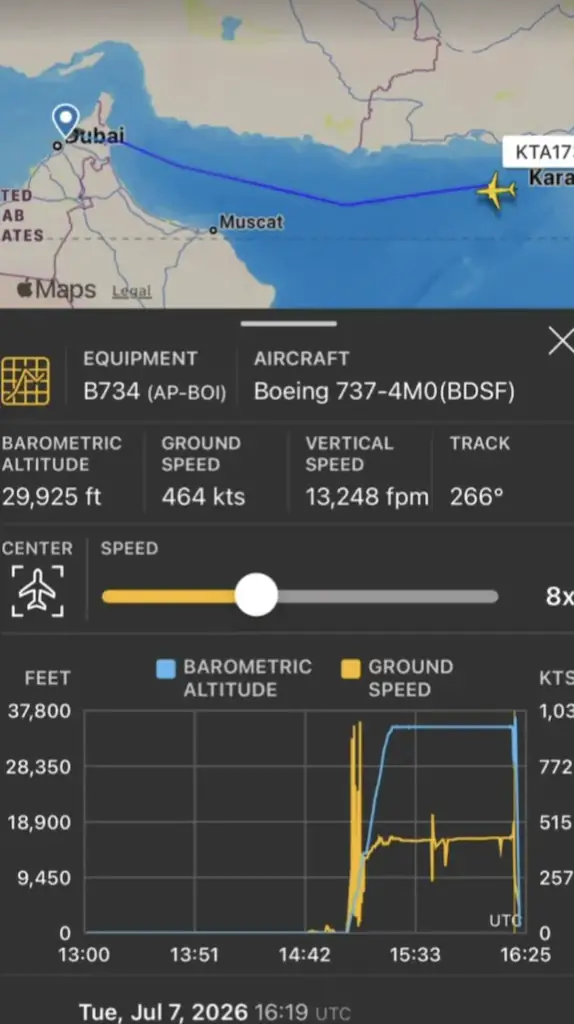
Pakistan's airport authority explained that the Karachi-bound K2 Airways aircraft took off from Sharjah, UAE.
The final transmission played as the pilot raised an alarm signalling that the plane was “rolling or floating”.
Rolling is a phase of flight, but floating refers to a landing error.
It's said that the plane experienced navigation system interference prior to its descent.
Pakistan Airport’s Authority said in a statement: “K2 Airways B 737 of Pakistan Cargo Flight enroute from Sharjah to Karachi reported Navigational system issue and was promptly guided by KARACHI ACC.”
Radar systems indicated a “sudden and dramatic loss of altitude” before communication was cut off entirely.
Its last transmitted data point was around 155 nautical miles west of Karachi, above the Arabian Sea.
Authorities explained that rough conditions were making search efforts more difficult, with the main wreckage of the aircraft still missing.
K2 Airways has since named the missing crew as Capt. Muhammad Rizwan Idris, First Officer Faisal Jatoi, flight engineers Muhammad Hamid and Muhammad Arif Siddiqui, and aircraft loader Muhammad Taufiq Khan.
If fatalities are confirmed, it would be Pakistan's first fatal air crash since 2020, when a passenger jet crashed into a residential neighborhood near Karachi Airport.
world2 min(s) read
world2 min(s) read
world2 min(s) read
world4 min(s) read
world4 min(s) read
Pakistani authorities have discovered wreckage of a Boeing plane in the Arabian Sea just one day after it suddenly nosedived 5,000ft in seconds and crashed into the sea.
All five crew members are feared dead.
Parts of the K2 aircraft have been found by authorities after the plane lost contact with traffic control and disappeared on Tuesday (July 7).
The Boeing 737 with five crew on board had rapidly descended off the coast of Pakistan after losing contact with aviation authorities.
Pakistani navy and search teams found debris after searching for around 12 hours in the Arabian Sea, with images revealing that large pieces of the aircraft were being lifted out of the water.
Authorities explained that rough conditions were making search efforts more difficult, with the main wreckage of the aircraft still missing.
It may be more difficult to find, given that the plane disappeared in an area where the sea was approximately 9,800ft deep, with more specialized equipment needed.
The airline stated: “We continue to pray earnestly for the safety of our colleagues.”
Pakistan's Airport Authority said the K2 Airways flight departed from Sharjah in the United Arab Emirates and was heading to Karachi when the crew reported technical problems.
“K2 Airways B 737 of Pakistan Cargo Flight en route from Sharjah to Karachi reported Navigational system issue and was promptly guided by KARACHI ACC,” Pakistan’s Airport Authority said in a statement.
Just three minutes later, radar systems detected what officials described as a "sudden and dramatic loss of altitude" before contact with the aircraft was completely lost.
The last transmitted data placed the Boeing 737 about 155 nautical miles west of Karachi over the Arabian Sea.
Flight tracking data showed the aircraft dropping about 5,000 feet in less than a minute before entering a catastrophic dive from 36,550 feet at a reported speed of 240 mph.
K2 Airways, a private cargo airline based in Karachi, confirmed the identities of the five crew members on board in a statement released Wednesday.
The airline said it was “fully cooperating with the Pakistan Civil Aviation Authority and other government agencies”.
“We continue to pray, earnestly, for the safety of our colleagues,” the statement said.
The Boeing 737 is the only aircraft operated by K2 Airways and entered service with the airline in 2024.
If fatalities are confirmed, it would be Pakistan's first fatal air crash since 2020, when a passenger jet crashed into a residential neighborhood near Karachi Airport.
Government investigators later concluded that the accident was caused by human error after determining the pilots had been distracted by discussing the COVID pandemic before a failed landing attempt.
A major search operation is underway after a Boeing 737 cargo plane disappeared from radar off the coast of Pakistan following a rapid descent during a flight from the United Arab Emirates.
The Karachi-bound aircraft, operated by K2 Airways, lost contact with air traffic control on Tuesday after reporting problems with its navigation system. Flight tracking data showed the plane descending sharply before all communication stopped, leaving authorities racing to locate the aircraft and its five crew members.
The pilot's final transmission has added to the mystery after reporting the aircraft was "rolling or floating" shortly before it vanished. Pakistan's airport authority said the aircraft experienced navigation system interference before radar recorded a sudden loss of altitude.
Pakistan's Airport Authority said the K2 Airways flight departed from Sharjah in the United Arab Emirates and was heading to Karachi when the crew reported technical problems.
“K2 Airways B 737 of Pakistan Cargo Flight enroute from Sharjah to Karachi reported Navigational system issue and was promptly guided by KARACHI ACC,” Pakistan’s Airport Authority said in a statement.
Just three minutes later, radar systems detected what officials described as a "sudden and dramatic loss of altitude" before contact with the aircraft was completely lost.
The last transmitted data placed the Boeing 737 about 155 nautical miles west of Karachi over the Arabian Sea.
Flight tracking data showed the aircraft dropping about 5,000 feet in less than a minute before entering a catastrophic dive from 36,550 feet at a reported speed of 240 mph.
Pakistan has launched a large-scale search effort involving both the navy and air force.
The Pakistan Navy frigate PNS Zulfiqar was diverted to the area where the aircraft was last detected as crews searched for any sign of the missing cargo jet.
The aircraft's sudden descent has left aviation experts searching for answers.
Imran Aslam told ARY News: “I still cannot understand how the plane went down so abruptly instead of gliding.”
According to local media, one aviation specialist said the aircraft's rapid descent does not match the pattern typically seen during an engine failure.
K2 Airways, a private cargo airline based in Karachi, confirmed the identities of the five crew members on board in a statement released Wednesday.
The airline said it was “fully cooperating with the Pakistan Civil Aviation Authority and other government agencies”.
“We continue to pray, earnestly, for the safety of our colleagues,” the statement said.
The Boeing 737 is the only aircraft operated by K2 Airways and entered service with the airline in 2024.
If fatalities are confirmed, it would be Pakistan's first fatal air crash since 2020, when a passenger jet crashed into a residential neighborhood near Karachi Airport. Government investigators later concluded that accident was caused by human error after determining the pilots had been distracted discussing the COVID pandemic before a failed landing attempt.
A Russian plane has crashed into the sea with 28 people on board after vanishing from radar.
The twin-engine Antonov An-2 aircraft disappeared on Tuesday (July 6) over the country's Kamchatka peninsula, CNN reports.
Rescue teams have now been deployed to the stricken plane after it was discovered in the sea.
The plane was flying from the regional capital Petropavlovsk-Kamchatsky to the village of Palana, the emergencies ministry confirmed, before contact was lost.
Per ITV News, the plane was carrying six crew members and 22 passengers on board, one of which was reportedly the head of Palana village administration, 42-year-old Olga Mokhireva.
A report stated that the 39-year-old turboprop Antonov got into trouble as it attempted to land, and when contact was lost, the Russian Pacific Fleet, a plane, and two helicopters were called in to search for it.
A local meteorology center reported that the area's weather was cloudy.
Prior to the plane being discovered in the sea, a spokesman for the ministry said: "An An-2 plane has disappeared from radar. We are trying to figure out what happened."
According to News.com.au, the plane was just nine kilometers (5.5 miles) from Palana's airport when it disappeared.
"There is objective evidence that the plane crashed and fell into the sea," a source told Russian news agency TASS.
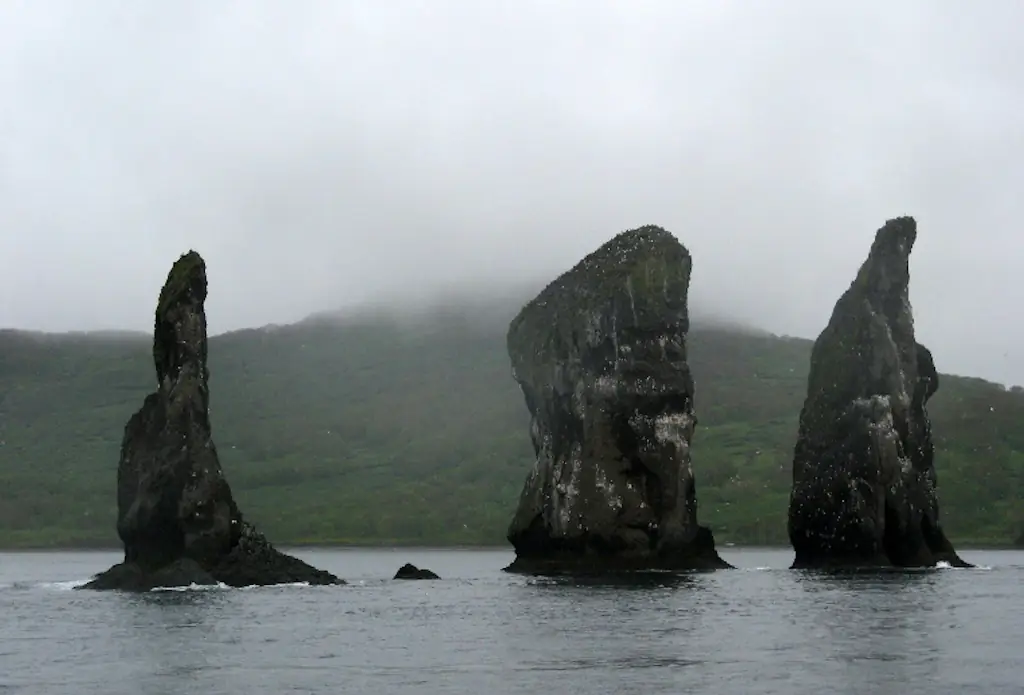
The Kamchatka Peninsula is a vast area with a small population that is surrounded by the Sea of Okhotsk to the west and the Pacific Ocean to the east, as per The Sun.
Pictured below are rock towers that can be seen in the area:
Despite the volcanic peninsula currently being ravaged by wildfires, visibility on the plane's route was reportedly good.
Per The Sun, an emergencies official said: "The duty shift of the crisis management center of the Russian Emergencies Ministry's Main Directorate in Kamchatka region received information that the An-26 aircraft, on a passenger flight from Petropavlovsk-Kamchatsky to Palana, did not get in touch at the specified time."
Regional deputy transport minister Anatoly Bannikov added: "It was supposed to arrive at the Palana airport at 15:05 (local time). The plane did not arrive at the appointed time.
"According to updated data, there were 28 people on board... six crew members and 22 passengers, including one child born in 2014."
The Sun reports that the plane's pilot was Dmitry Nikiforov and his co-pilot was Alexander Anisimov, 27.
A special commission to ascertain what happened to the plane has now been ordered by the Russian prime minister.
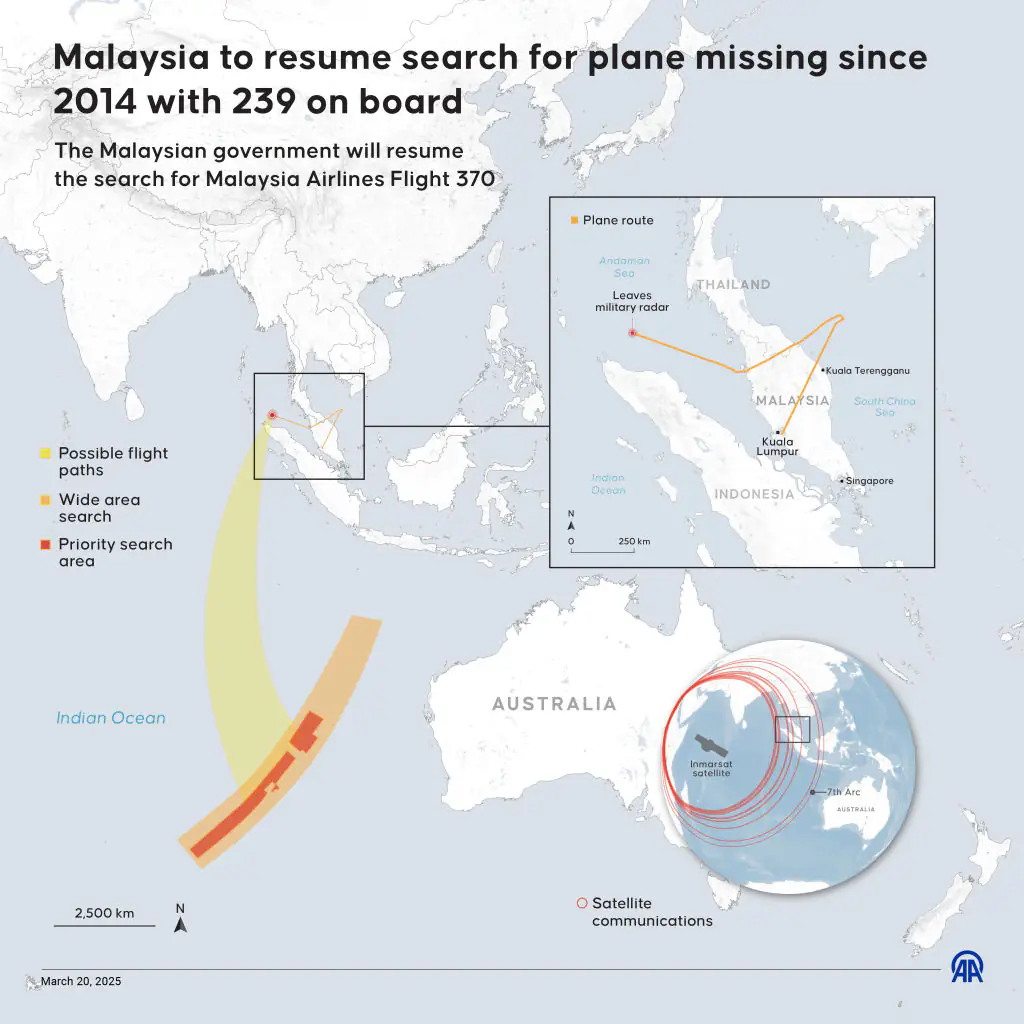
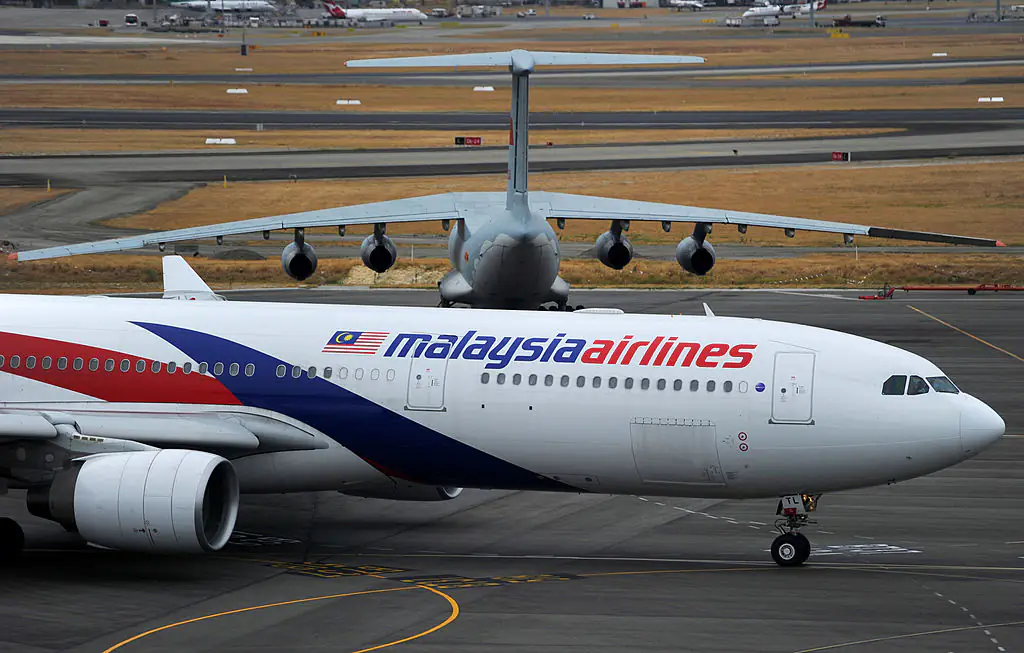
Over 12 years ago, Malaysia Airlines flight MH370 vanished on its planned route from Kuala Lumpur to the Chinese capital of Beijing.
The Boeing 777 had 227 passengers and 12 crew members onboard, all of whom have been presumed dead since the aircraft disappeared on March 8, 2014.
It still remains a mystery, as crew onboard didn't send any distress calls despite losing contact with air traffic control at 1:19AM over the South China Sea on that fateful day, before veering off-course and flying an an unknown path for seven hours before vanishing.
People continue to theorise about the airplane's disappearance and while many think that the truth can be uncovered through the discovery of its black box flight recorders, they remain missing.
But back in 2024, investigators believed that an underwater pressure monitor may help to find the wreckage of the lost aircraft.
Despite it still remaining unconfirmed, the Malaysian government claimed that the flight had "ended in the Southern Indian Ocean."
Hundreds of pieces of underwater audio data were analysed by researchers at Cardiff University from previous aircraft accidents and a submarine disappearance, finding that an underwater signal could have been caused by the impact of the Boeing plane hitting the waves when crashing.
Dr. Usama Kadri, a mathematician and engineer, claimed that a network of hydrophones, which have been used to keep tabs on pressure changes in the ocean as part of a nuclear explosion detection system, could be the key.
After he and his team went through large volumes of data from the time the aircraft was said to have disappeared, the doctor discovered an unidentified event in an area called the Seventh Arc.
Speaking to The Conversation, Dr. Kadri explained: "A 200-tonne aircraft crashing at a speed of 200 metres per second would release the kinetic energy equivalent to a small earthquake. It would be large enough to be recorded by hydrophones thousands of kilometres away.
"Given the sensitivity of the hydrophones, it’s highly unlikely that a large aircraft impacting the ocean surface wouldn’t leave a detectable pressure signature, particularly on nearby hydrophones."
He noted that "unfavourable" ocean conditions could still affect a signal this large though.
The engineer believed that the search would have to be approached with this method to see if these signals were linked to the missing plane, as researchers suggested that a number of controlled underwater explosions be carried out so search teams can finally find the elusive wreckage.
Over the years, many theories have been put forward, whether it be a possible hijacking or the near-impossible chance that the plane was flown into a 'black hole'.
Ocean Infinity, a UK-based marine robotics firm, carried out searches for the airplane in both March 25–28 last year and in December 31 to January 23 this year.
Unfortunately, no wreckage was found apart from numerous pieces of marine debris.
The firm splashed $67.2 million on advanced technology and resources, with the search taking place over 7,571 square kilometers on the seabed of the Indian Ocean.
They carried the search out on a no-find, no-fee basis, as Malaysia's Transport Minister, Anthony Loke, had claimed they would have been awarded $70 million if they found the missing aircraft.
Ocean Infinity said in a statement this year: “The search activities undertaken have not yielded any findings that confirm the location of the aircraft wreckage.
“The government pays nothing unless the aircraft is found. Any request by Ocean Infinity to extend the search contract should therefore be granted without hesitation,” they added.
The firm then urged the government to offer the same deal to other "capable deep sea exploration companies.”
British scientists have made a significant discovery that could potentially unravel the mystery surrounding Malaysia Airlines Flight MH370.
Back in March 2014, the plane - carrying 12 crew members and 227 passengers - took off from the Malaysian capital of Kuala Lumpur, destined for the Chinese capital of Beijing. However, for some unknown reason, the plane veered off course and is believed to have crashed in the Indian Ocean.
For weeks, people awaited the news that the plane and those onboard had been found... but it never came.
As a result, Malaysia Airlines Flight MH370 has become a modern day mystery, with conspiracy theories running rampant about what may have happened to the doomed plane.
But now, there's hope that it may be discovered after more than 10 years.
Researchers from Cardiff University have analyzed data from hydrophones - specialized underwater microphones designed to detect deep-sea sound - which recorded a six-second signal believed to coincide with the time MH370 crashed into the ocean after running out of fuel.
The MH370 aircraft weighed 200 tons and was believed to have been traveling at speeds of around 200 meters per second. Upon crashing into the ocean, this would have created enough energy to replicate that of a small earthquake - big enough to have been captured by hydrophones.
The signal was detected near the seventh arc, a remote area west of Perth, pinpointed as the likely crash site based on satellite communications, The Telegraph reports.
Dr. Usama Kadri, a researcher at Cardiff University, emphasized the sensitivity of hydrophones, stating: “It’s highly unlikely that a large aircraft impacting the ocean surface wouldn’t leave a detectable pressure signature, particularly on nearby hydrophones.”
The Cape Leeuwin hydroacoustic station in Western Australia first picked up the signal. However, notably, the signal was not detected at the Diego Garcia station, raising questions "about its origin".
Both stations were active at the time of the crash, and were originally set up to monitor the Comprehensive Nuclear Test-Ban Treaty.
The Cardiff University team proposed conducting further tests akin to those used to locate the Argentine navy submarine ARA San Juan in 2017.
By detonating controlled explosions or using airguns along the seventh arc, researchers could mimic the pressure signatures associated with an aircraft crash. If these simulated signals correlate with the signal detected at Cape Leeuwin, it could narrow down the search area significantly.
Dr. Kadri underscored the potential impact of their findings, stating: “If the recommendations are followed by the appropriate authorities, we can assess the relevance of the observed signals, potentially shedding light on the location of MH370.”
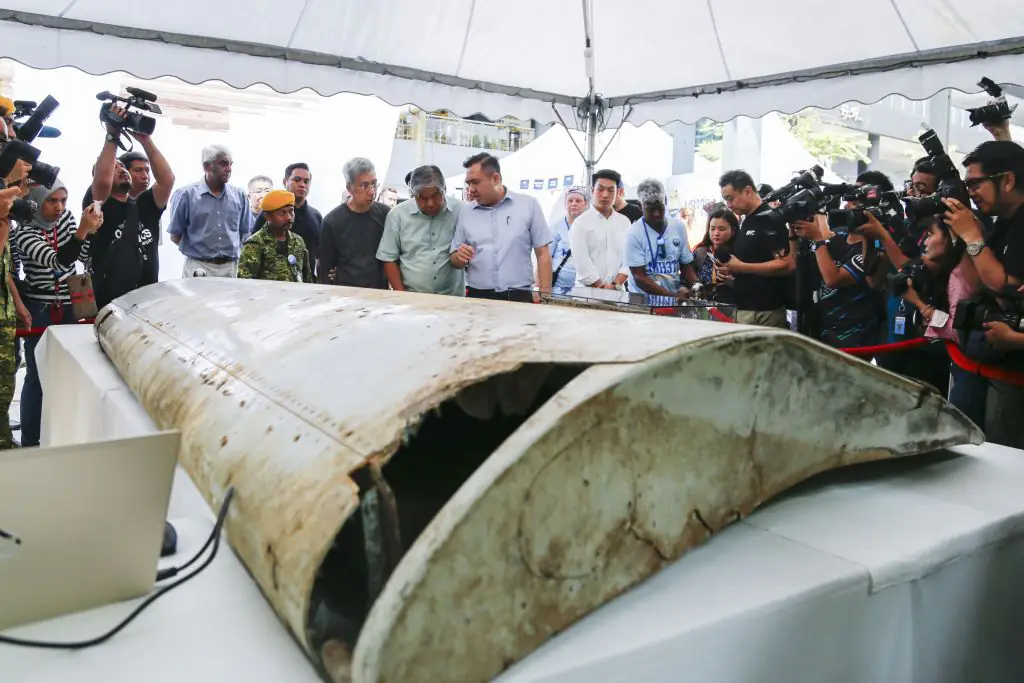
The search for MH370 has been one of the most extensive and perplexing in aviation history, involving multiple countries and exhaustive efforts to locate the missing aircraft and its 239 passengers and crew.
Despite previous search missions and the discovery of debris washed ashore in the Indian Ocean, the main wreckage has eluded recovery - leaving the rest of the world waiting for answers.