


World3 min(s) read
Health authorities release urgent travel warning to 'take extra precautions' as virus found in two European countries
.jpg_I4Ebof?tr=cr-0.338.2730.3068,f-webp,q-70,w-100)
Health officials have issued an urgent warning to travellers heading to parts of Europe after a virus was detected in two countries — and they’re urging people to 'take extra precautions.'
The alert comes as confirmed cases of mpox have been reported in both Sweden and Austria, raising concerns among public health experts and prompting increased monitoring across the region.
Why are travellers being warned to 'take extra precautions?'
While authorities have stressed that the overall risk remains low, the emergence of a specific variant has been enough to trigger official guidance aimed at preventing further spread.
Recent reports confirm that a number of mpox cases have been identified in Sweden and Austria, linked to a strain that experts say could spread more easily than previous versions.
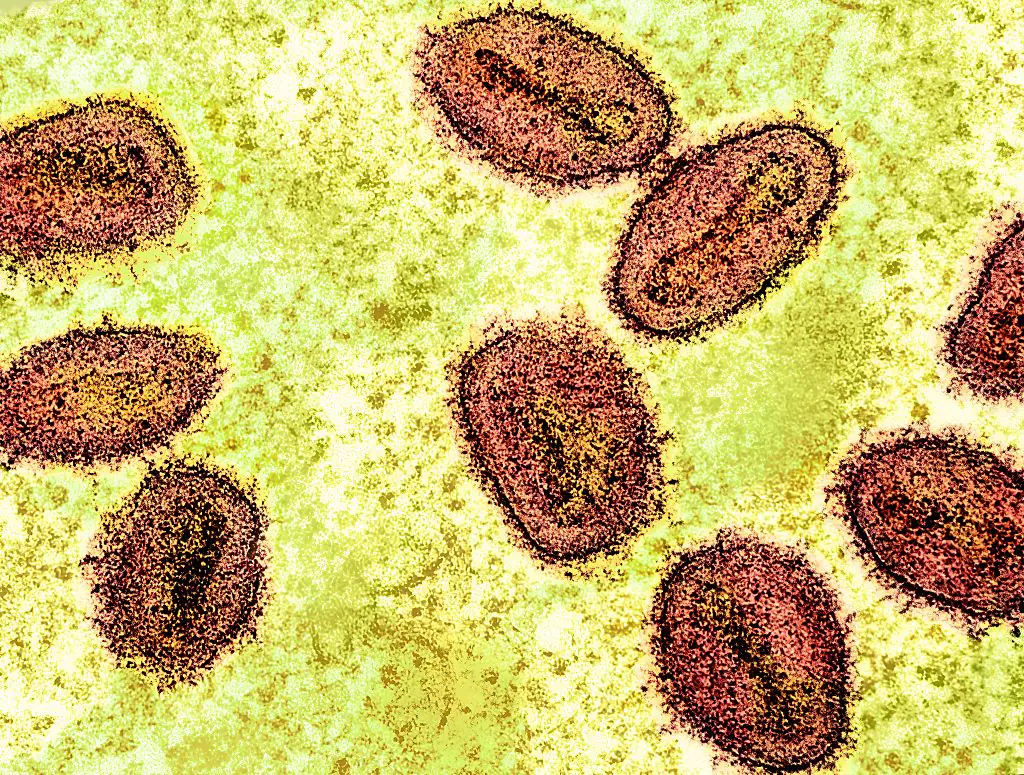
Mpox — previously known as monkeypox — is not a new virus. It gained global attention during the 2022 outbreak, but health agencies have continued to track new variants closely.
This latest development is significant not because of the number of cases, but because of the type of strain involved — and how it could behave if not contained early.
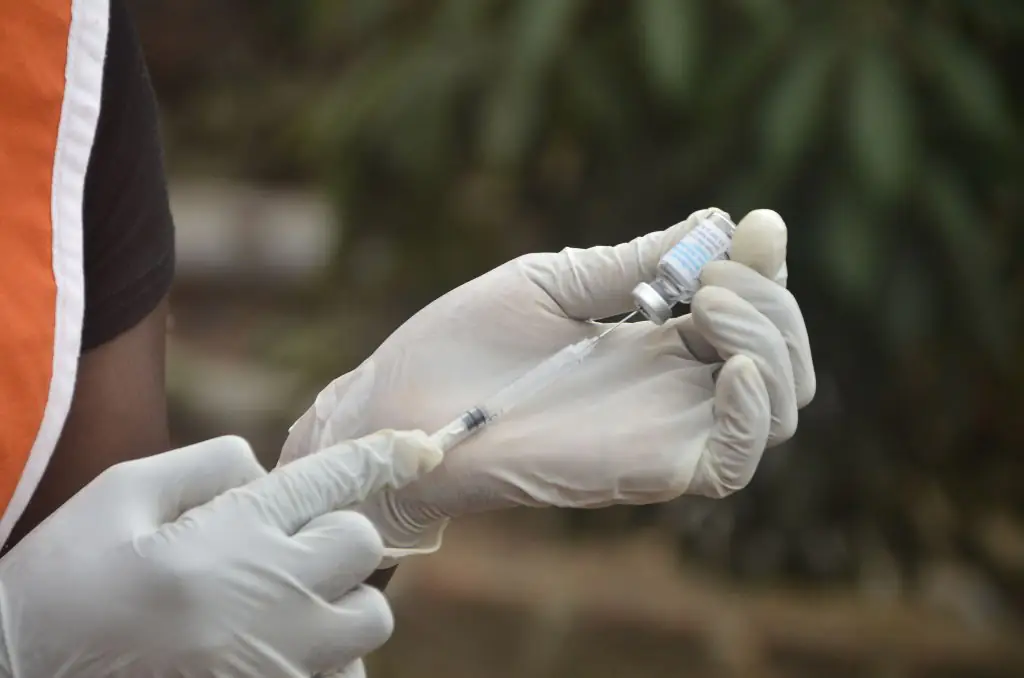
Authorities in both countries have already begun response measures, including contact tracing and public health guidance, to limit transmission.
Why travellers are being warned
Officials aren’t telling people to cancel their trips — but they are urging increased awareness.
The virus is primarily spread through close physical contact, including contact with infected skin, bodily fluids, or contaminated materials such as bedding or clothing.
That means certain situations may carry higher risk, including:
- Crowded public spaces
- Close-contact environments
- Shared accommodation
As a result, travellers are being advised to take simple but effective precautions, such as maintaining good hygiene and avoiding contact with anyone who appears unwell.
It’s not about panic — it’s about prevention.
Symptoms you shouldn't ignore
One of the key concerns is that symptoms don’t always appear straight away.
Mpox can have an incubation period of up to three weeks, meaning people may not realise they’ve been exposed until days after travelling.
Common symptoms include:
- Fever
- Headaches
- Muscle aches
- Swollen lymph nodes
- Fatigue
- A distinctive rash that often develops later
Most cases are mild, but health experts warn that some individuals — particularly those with weakened immune systems — could experience more severe illness.
Anyone who develops symptoms is being urged to seek medical advice and avoid close contact with others.
Is it still safe to travel?
At this stage, yes — but with caution.
Health authorities have been clear that there is no need for widespread travel restrictions, and both affected countries are well-equipped to manage the situation.
However, the warning serves as a reminder that health risks can emerge quickly, even in popular destinations.
Staying informed, following official advice, and taking basic precautions can make all the difference.
For now, the message from health officials is simple: stay alert, not alarmed.
Travel isn’t off the table — but being aware of the risks, however small, is key.
Because when it comes to situations like this, a little extra caution doesn’t just protect you — it helps prevent wider spread.
And right now, that’s exactly what authorities are trying to do.