


World4 min(s) read
World's longest-serving death row inmate was acquitted in Japan after 56 years as court uncovered shocking truth
.jpg_xKEaT0?tr=cr-0.328.2730.3058,f-webp,q-70,w-100)
A Japanese death row inmate who had spent over 55 years behind bars was finally acquitted after new evidence emerged.
Iwao Hakamata, now 90, was sentenced to death in 1968 after being found guilty of killing his boss, the man’s wife and their two children.
But it was discovered decades later that the evidence used against him had been falsified, and in 2024, at the age of 88, Hakamata was allowed to walk free.
He had previously been granted a retrial after investigators suspected that evidence may have been planted before his conviction for quadruple murder.
Hakamata spent a total of 46 years on death row, which unsurprisingly took a heavy toll on his mental health, as he was unfit to attend the hearing where his acquittal was handed down.
The Japanese public was intrigued by the situation, given that it is one of the country's longest and most famous legal sagas, as 500 people lined up for seats in the Shizuoka courtroom on that day in October 2024.
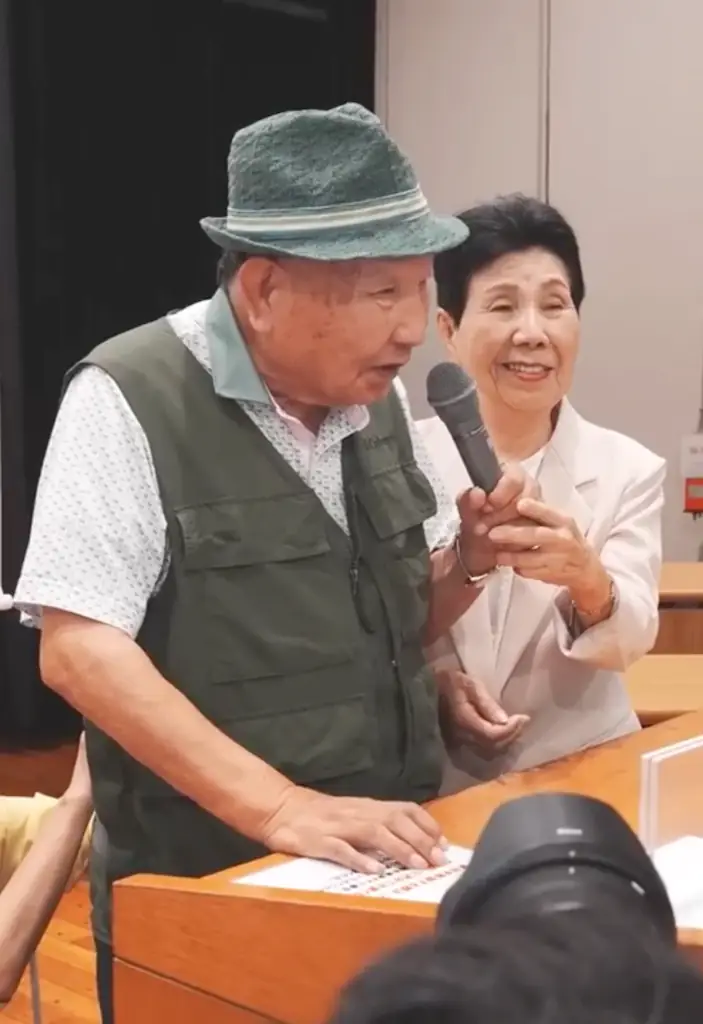
Hakamata was officially freed from prison
His supporters were overjoyed when the verdict was handed down, as those outside the court cheered "banzai," a Japanese expression which means "hurray".
Hakamata was exempted from all hearings due to his state, as he had been living with his 91-year-old sister Hideko since 2014, when he was freed from jail and granted a retrial.
Hideko fought for decades to clear his name, as she admitted to reporters, per the BBC: "When I heard that, I was so moved and happy, I couldn't stop crying."
The former inmate was a professional boxer who worked at a miso processing plant in 1966, when the bodies of his boss and his family were recovered from a fire in their Shizuoka home.
They were all found to have been stabbed to death, as police pointed the finger at Hakamata, claiming he had set fire to their home and stolen 200,000 yen.
While he denied robbing and murdering the victims, he would deliver a "coerced confession" after receiving beatings and enduring 12-hour-long interrogations.
He was convicted of murder and arson, and sentenced to death in 1968.
Bloodstained clothes discovered
The legal saga became more complicated when clothes were found in a tank of miso a year after his arrest, as they were found stained with blood.
His lawyers argued that the DNA recovered from the clothes didn't match his, meaning that they had the wrong man - the legal team also suggested that police may have fabricated the evidence.
Judge Hiroaki Murayama said in 2014 that "the clothes were not those of the defendant," adding: "It is unjust to detain the defendant further, as the possibility of his innocence has become clear to a respectable degree.”
He was then released and given a retrial.
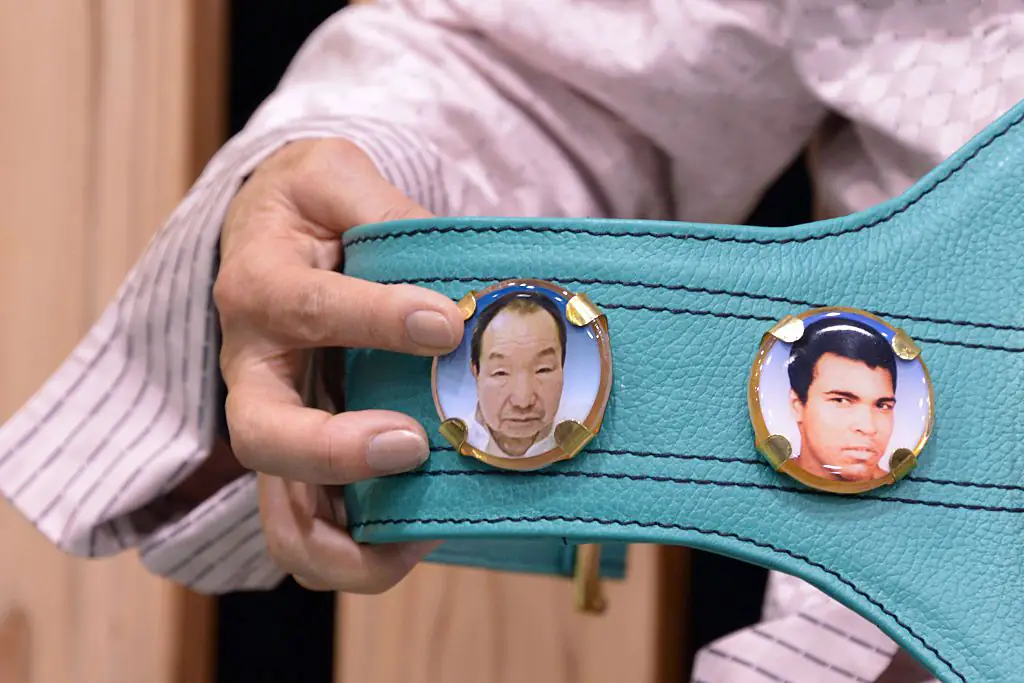
Hakamata declared innocent
It would take nine years for the retrial to begin, with the court declaring that the inmate was actually innocent in 2024.
Prosecutors had claimed that red-stained clothing uncovered belonged to him, but the defence noted that the fact the clothes stayed red and didn't get darker after being immersed in soybean paste meant the evidence was falsified.
It was then found that "investigators tampered with clothes by getting blood on them," which were then hid in the tank of miso.
Following Hakamata's retrial, his sister admitted that "finally a weight has been lifted from my shoulders".
Retrials for death row inmates are a rarity in Japan, with Hakamata becoming the fifth such case since the close of World War II.
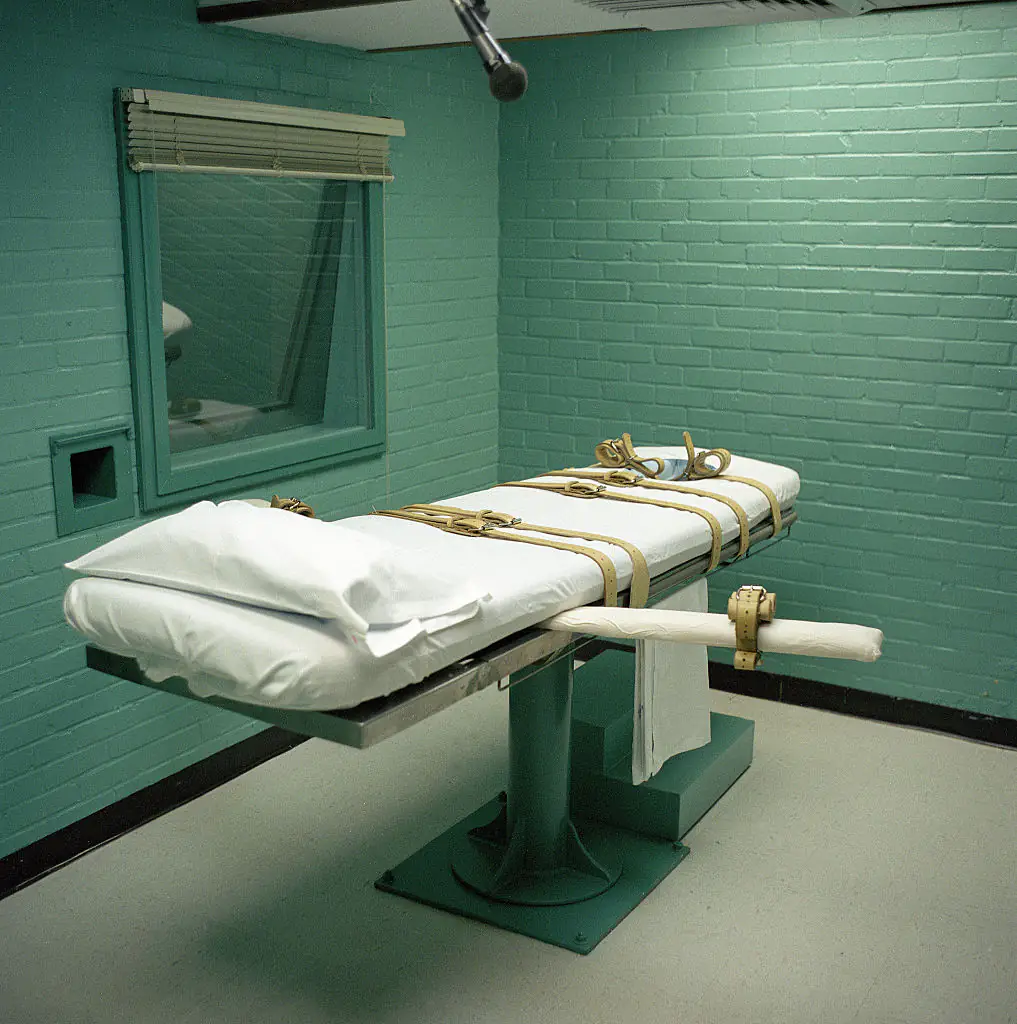
Japan and the US are the only G7 countries which impose capital punishment, though the former's inmates are only told of their hanging mere hours before the deed.


.webp_QQJmGo?tr=cr-345.0.1535.1190,f-webp,q-70,w-100)
.jpg_jbjevb?tr=cr-0.0.1.0.66,f-webp,q-70,w-1024)



.webp_lli6Ty?tr=cr-74.9.445.380,f-webp,q-70,w-100)
.jpg_wDPjVb?tr=cr-0.0.1024.532,f-webp,q-70,w-525,h-200)


.webp_QQJmGo?tr=cr-345.0.1535.1190,f-webp,q-70,w-1024)


.webp_lli6Ty?tr=cr-74.9.445.380,f-webp,q-70,w-1024)