


World4 min(s) read
Cruise ship at center of deadly hantavirus outbreak arrives in Tenerife
.jpg_xKEaT0?tr=cr-0.328.2730.3058,f-webp,q-70,w-100)
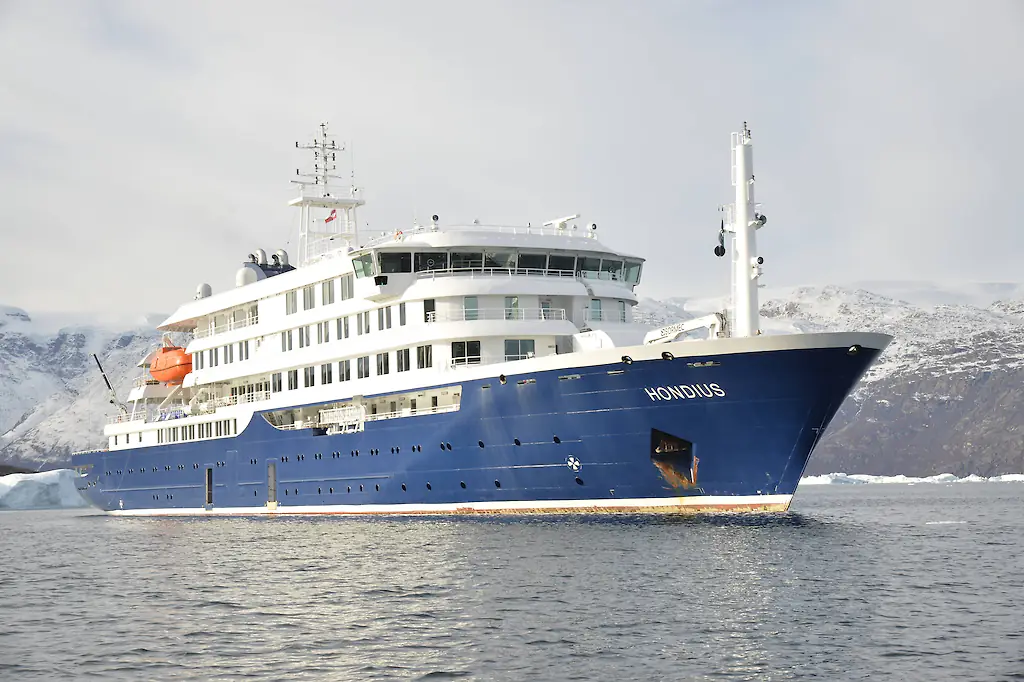
MV Hondius has officially arrived in Tenerife this morning (May 10), sparking concern worldwide.
The Dutch cruise ship has been the setting for the hantavirus outbreak, with the polar vessel now set to "completely isolate" and evacuate the 140 passengers and crew onboard.
They have spent weeks stranded at sea, while it was reported that at least three people have died, and there have been at least seven confirmed cases as a result of the rodent-linked disease.
The ship left Ushaia, Argentina, on April 1, before embarking on an expedition-style voyage across the Atlantic Ocean.
At the time of departure, local health authorities confirmed that no passengers were showing symptoms of hantavirus.
According to the Guardian, passengers started to report illness, and what initially seemed like routine flu-like symptoms quickly escalated into something far more serious.
Respiratory complications were some of the more severe symptoms, which raised alarm bells.
Among the victims of the outbreak were a Dutch couple, with a 70-year-old Dutch man being declared dead on arrival in Saint Helena, during a stopover, as his 69-year-old wife collapsed at Johannesburg's international airport in South Africa as she attempted to fly back home.
Despite this, health experts have insisted that there is a "low public risk" when it comes to the spread of the disease.
What happens next?
According to the New York Post, those onboard are expected to undergo health screenings to check for symptoms before disembarking in small groups around three hours later, in Tenerife.
Spanish health authorities will ensure they are asymptomatic before being ferried ashore in small boats in groups of five to 10.
Passengers will have no choice but to leave their belongings on board, as they will be taken to the Spanish island's main airport, which is just 10 minutes away, by sealed-off buses.
The evacuation is expected to begin between 7:30am and 8:30am (01:30 and 02:30 ET), according to Spanish authorities.
While locals were worried ahead of the ship's arrival, World Health Organization (WHO) officials insist the public risk is low, and the situation is being closely monitored.
The US State Department said that seventeen US travelers will head back home on a repatriation flight, before being taken to the National Quarantine Unit in Nebraska for assessment and quarantine.
The move comes nearly a month after the first passenger died of the hantavirus on board the cruise ship, according to the BBC.
Hondius arrived near the port before dawn, but it wasn't permitted to reach shore, as a security perimeter of one nautical mile was placed around the ship.
The rare and spreadable Andes strain of the virus has sent chills down the spines of the public.
Spanish health minister Mónica García said on Saturday: "The risk of contagion for the general population is low."
"We believe that alarmism, misinformation, and confusion are contrary to the basic principles of preserving public health," they added.
The outbreak involves people from 23 countries, with the escape plan carefully laid out to ensure maximum safety and to answer the questions of disgruntled locals.
Security measures increased
The port's security measures were increased this weekend, as Spain's military police and disaster response teams have set up large reception tents.
Medical teams are set to board once the vessel comes within the restricted distance, as the latest reports reveal that nobody else is showing symptoms.
Charter planes will take the passengers home, as the head of WHO, Tedros Adhanom Ghebreyesus, who is also in Tenerife, praised authorities for their "solid and effective response" to this outbreak.
The hantavirus outbreak has been linked to a landfill site in the southernmost tip of Argentina, where the cruise ship originated, a spot popular with birdwatchers.
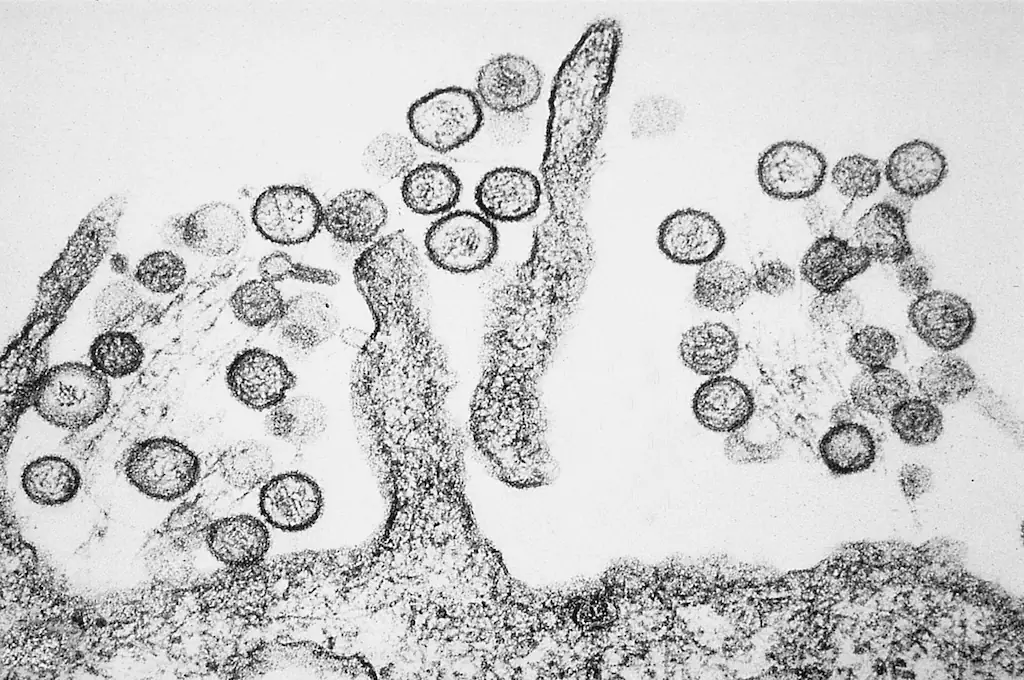
What is hantavirus?
According to Mayo Clinic, the illness produces particular symptom patterns which can trigger hantavirus pulmonary syndrome (HPS) or Hemorrhagic fever with renal syndrome (HFRS).
Both can be fatal if left untreated, with the virus primarily being transmitted via contact with rodents, when humans are exposed to their urine, feces, or saliva.
HPS is most commonly spread by rat and mouse feces, which can come into contact with humans when clearing out rat-infested rooms or spaces.
Those who end up contracting the virus will usually start experiencing symptoms within one to eight weeks.
Some of the symptoms of the virus include:
- Headaches
- Dizziness
- Chills
- Gastrointestinal issues, such as nausea, vomiting, diarrhea, and abdominal pain
- Fatigue
- Fever
- Muscle aches in major muscle groups such as the thighs, hips, back, and the shoulders.