


World5 min(s) read
Researcher who’s '80% sure he’s found Noah’s Ark' reveals major new findings after drilling 20 meters underground
.jpg_xKEaT0?tr=cr-0.328.2730.3058,f-webp,q-70,w-100)
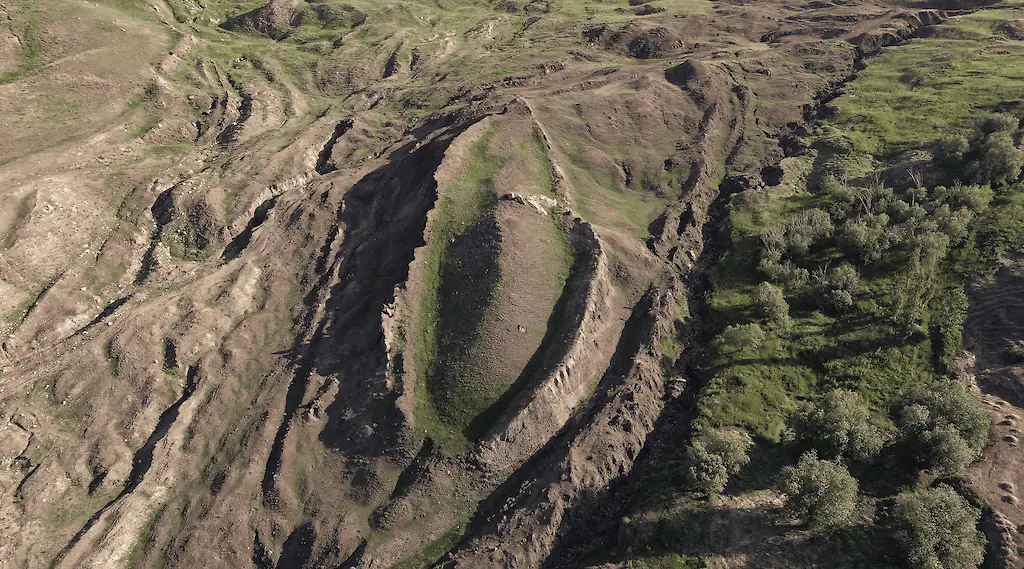
Over the summer, a research team has been drilling into a boat-like structure in the mountains of eastern Turkey, and it could be the remnants of Noah's Ark.
That is, if you believe those who are involved in the efforts to obtain sufficient evidence.
It's said that the Durupinar formation, which is near Mount Ararat, could be the final resting place of the famous vessel from the Old Testament.
Aerial images of the area were first captured in 1955, though it was only identified as a possible site for the Ark four years later.
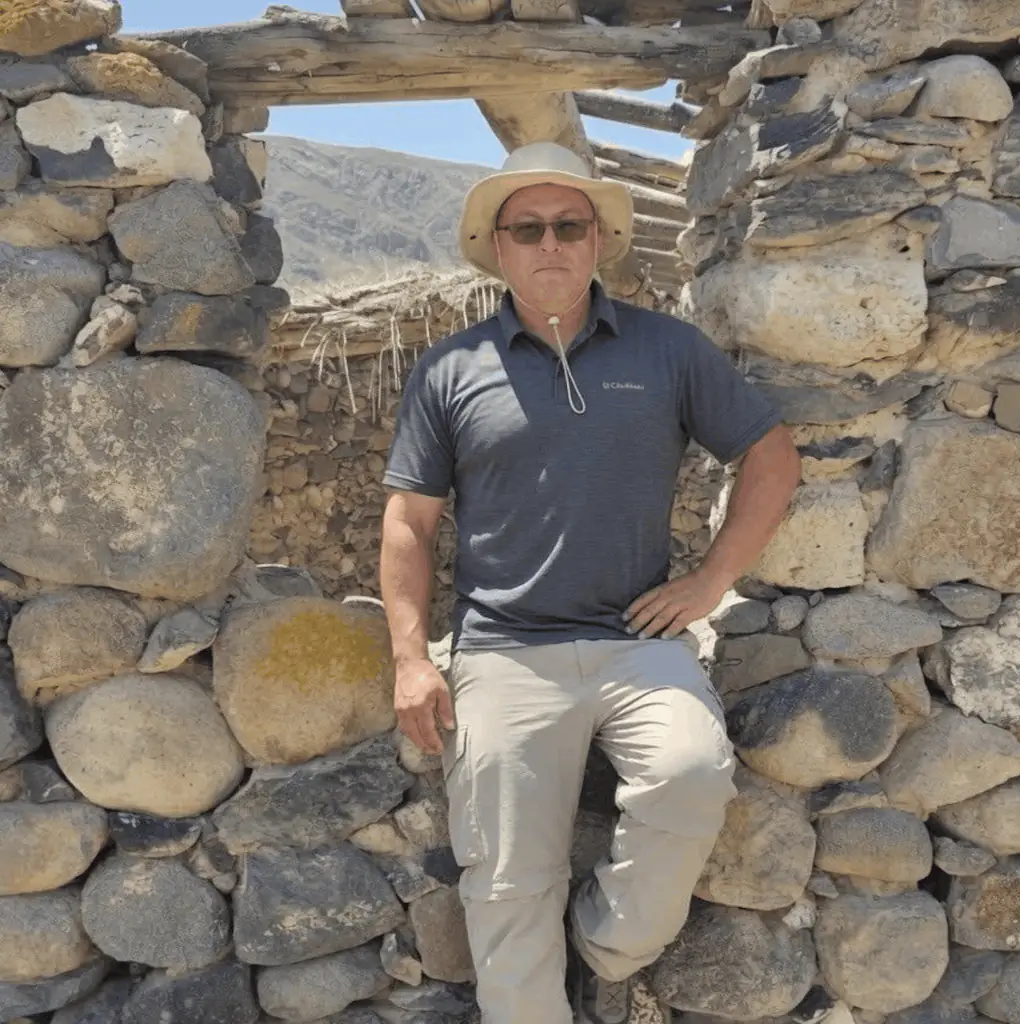
Andrew Jones, an American researcher, tour leader, and founder of Noah's Ark Scans, has explained how radar scans and soil samples could prove that this is the resting site of the famous vessel.
Speaking to VT, Andrew explained that his team had sent soil and organic matter samples to labs for analysis, with results to be finalized and published by next year.
Andrew hits back at media claims
The researcher told us that the '100% confirmed' line which has circulated was 'clickbait,' explaining: "I never said that in that interview.
"What really got us excited and wanting to share, had to do with the core drilling of the site."
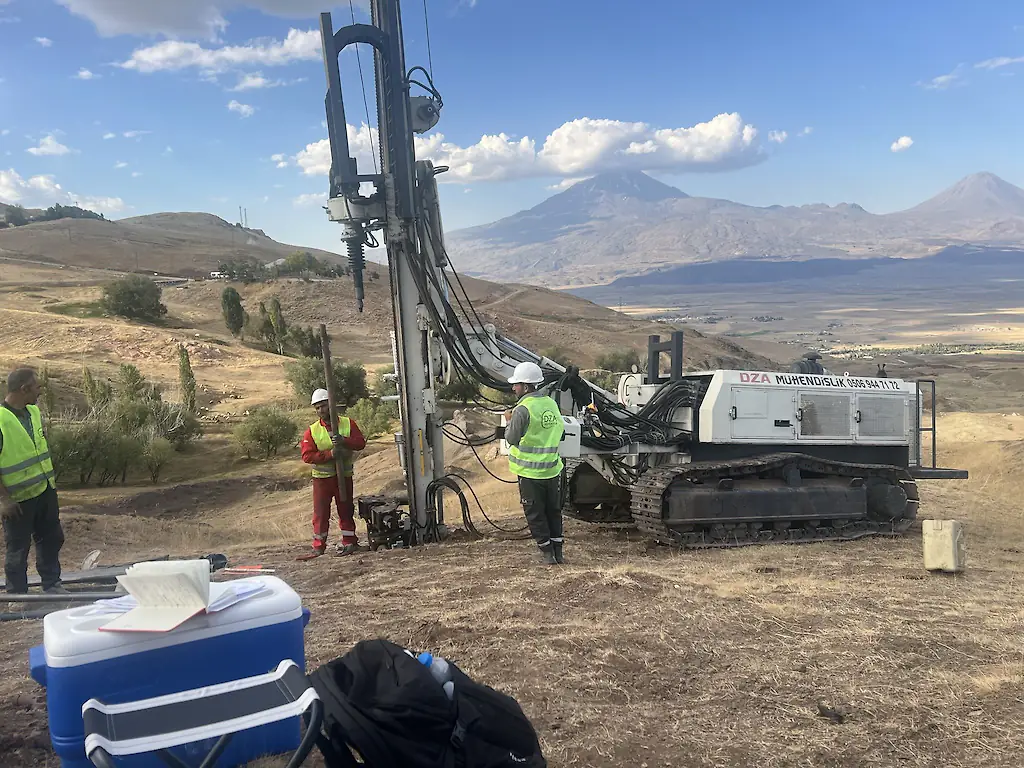
He revealed that his team used a percussion machine instead of the 'bad drilling machine' that was used, where water coolant had washed away useful data.
Reports from attempts in the 1980s showed that bedrock was hit at shallow depths, but the latest attempts comfortably reached 20 meters without hitting rock.
With the use of the drill and radar technology, which can provide data up to 95 meters deep, the team searched for bedrock anomalies with the help of experts such as Dr. Mehmet Salih Bayraktutan.
Likelihood of Noah's Ark being found
When asked about how likely it was that this was the site of Noah's Ark, he said: "I think you can almost jump right away if you can prove it's manmade; you're almost jumping right away to say, 'okay, it has to be this one ship in history because it's the right size.'
"And of course, excavations would give us data like, are there really three decks left in there? What's left of the ship if it is the ship?
"For me, the probability is around 80, maybe. The ultimate goal is going into it, and maybe we'll do that soon," he explained.
Speaking more about a possible excavation in the future, Andrew added: "The interest of the world in the site has generated so much positive news and some negative in Turkey, that the professor told me there's a good likelihood that sooner, not later, we'll jump from geological and geophysical work to an archeological project just to see what's in there."
He revealed that while he went up to 20 meters down in some areas, there was one drilling location where the bit broke.
"I said, 'Oh, is it petrified wood?' I don't know what it is because the bit fell in. Next year we have to try to get it out, but we had other bits, so we were fine. But we had to move them," he said of one area where they only went five meters deep.
What evidence would prove that Noah's Ark is real?
Andrew explained that soil samples had been sent off to the lab, with the team looking for certain results before definitively confirming that it's Noah's Ark.
He spoke of the methods that would be used to see if wood or other materials can be found in samples, explaining: "You know, excavations could show that (evidence), but what the soil could show, just getting samples before you excavate, is, is there more organic matter?
"If it's a wooden boat, after four or 5000 years, is there something in the soil that could show that that is not just regular mountain soil, but something elevated from carbon to organic matter to maybe even man-made activity down there?"
Andrew went on: "We want to check for different things, any animal proof, animal fibers or hairs that are down at different levels. So we've collected almost 400 samples at different depths at all these 12 drilling locations."
He claims that if any of these are found in the samples, it would point towards the vessel lying beneath the mountains.
Message for the critics
Andrew said to doubters: "People who are critics, I'm not worried about convincing them because I don't think they'll ever be convinced.
"If we find a ship shape there, and we actually go down these man-made structure-like remains, then they'll have some other explanation for what it is.
"I'm quite sure of that, but there are those who are on the fence, or who are the professional critics, on the creation or Christian side. I think they could be convinced because they're not against the idea of Noah's Ark."