


World4 min(s) read
Photographer who captured haunting image of girl trapped in mudflow with black eyes explains tragic reason he didn't try to save her
.webp_lli6Ty?tr=cr-74.9.445.380,f-webp,q-70,w-100)
A photographer who took one of the most recognizable and haunting photographs of a young girl trapped in a volcanic mudflow for 60 hours explains why he didn't try to help save her life.
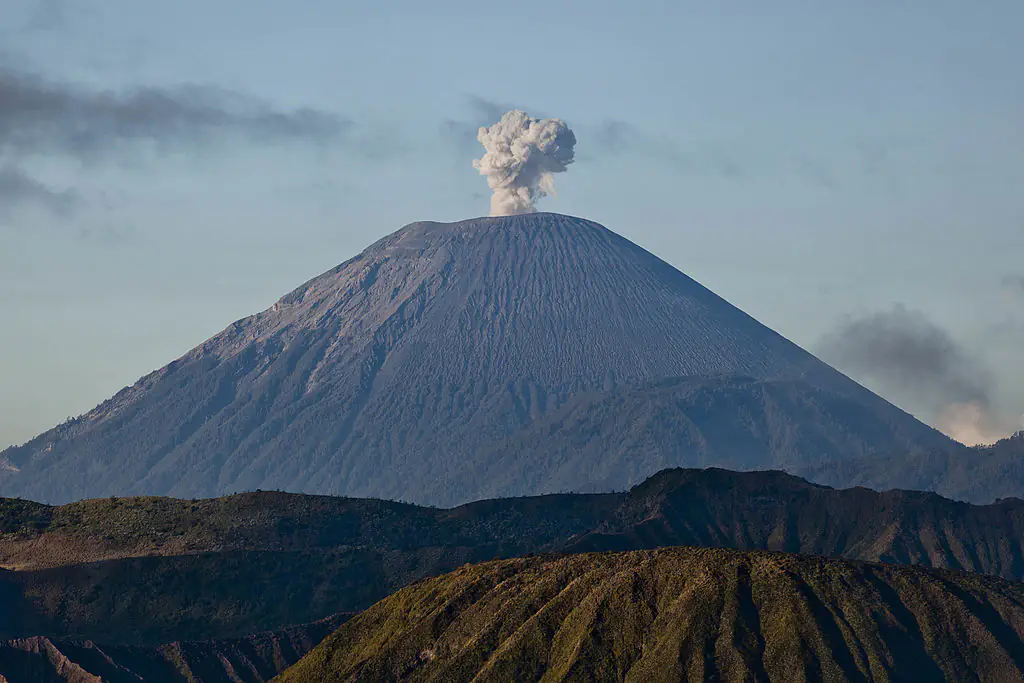
Frank Fournier became renowned for his coverage of the 1985 eruption of the Nevado del Ruiz volcano in Armero, Colombia.
The South American nation suffered a devastating eruption that claimed the lives of 20,000 residents after a deadly mixture of volcanic lava and ice - called lahar - rushed into the river valleys and entered the villages.
One of the victims was 13-year-old Omayra Sánchez Garzón, who tragically passed after being trapped in debris caused by a mudslide for 60 hours.
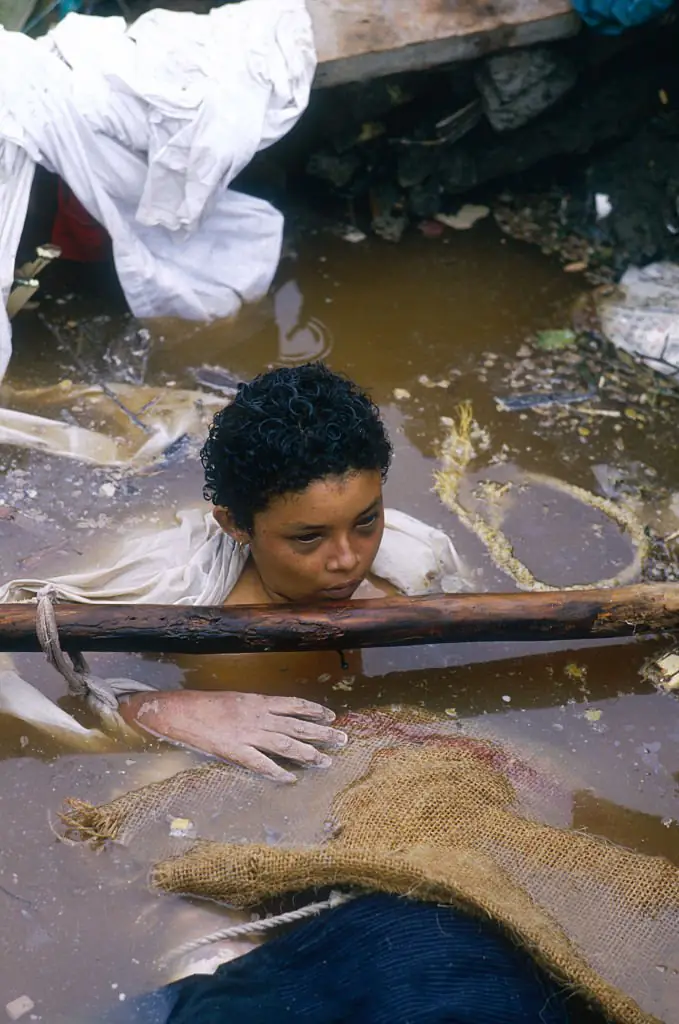
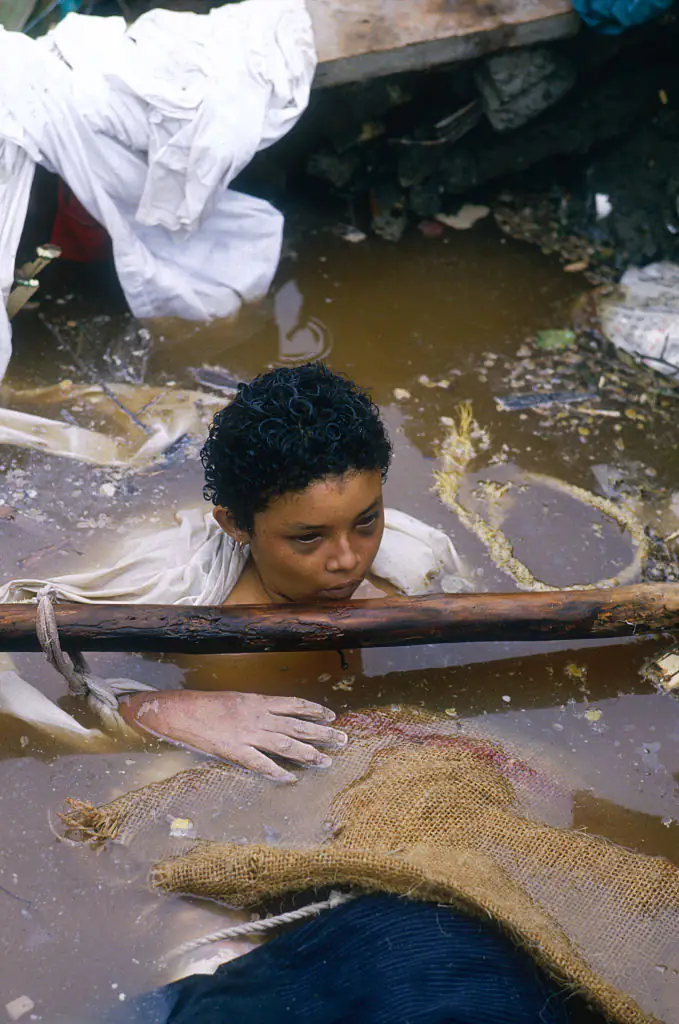
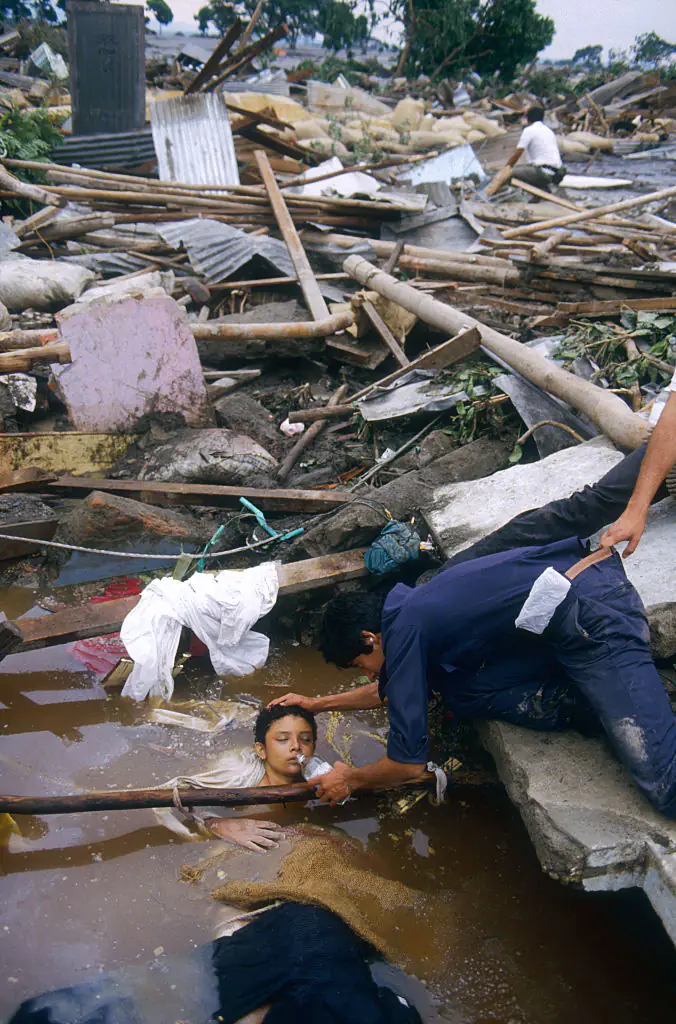
Several rescue efforts were made to save Omayra's life, however, her legs were caught under a brick door, with her deceased aunt's arms clutched tightly around her legs and feet, according to The Sun.
Each time someone tried to pull her free, more water pooled around her, which made it seem as if she would drown if they let her go. So, rescue workers placed a tire around her to keep her afloat, and gave her sweet food and cans of soda during her final hours.
Onlookers said that she sometimes cried from fear, but as she got closer to death, she began to hallucinate and told them that she did not want to be late for school.
Before closing her eyes for the final time, the teen shared a heartbreaking message on camera, saying: "Mommy, I love you so much, Daddy I love you, brother I love you."
Omayra passed away on November 16, with her cause of death believed to be either gangrene or hypothermia.
Her horrific fate was known around the world because of a haunting portrait captured by French photographer Frank Fournier.
See the image below:
The photo showed that her eyes were so bloodshot that they appeared completely black, her fingers were eerily white and her face had swelled.
The photographer opened up about the picture in a 2005 interview with the BBC, revealing that he was often asked why he didn't help the teen or try to get her out of where she was trapped.
At the time, the now-77-year-old responded that it was "impossible" to rescue her, explaining: "There was an outcry - debates on television on the nature of the photojournalist, how much he or she is a vulture.
"But I felt the story was important for me to report and I was happier that there was some reaction; it would have been worse if people had not cared about it," he continued. "I am very clear about what I do and how I do it, and I try to do my job with as much honesty and integrity as possible."
He added: "When I took the pictures I felt totally powerless in front of this little girl, who was facing death with courage and dignity. She could sense that her life was going.
"I felt that the only thing I could do was to report properly on the courage and the suffering and the dignity of the little girl and hope that it would mobilise people to help the ones that had been rescued and had been saved. I felt I had to report what this little girl had to go through."
Fournier believes the picture helped raise money "from around the world in aid" as well as "helped highlight the irresponsibility and lack of courage of the country's leaders".
"There was an obvious lack of leadership. There were no evacuation plans, yet scientists had foreseen the catastrophic extent of the volcano's eruption," he explained. "People still find the picture disturbing."
He said the picture highlights "the lasting power of this little girl," adding: "I was lucky that I could act as a bridge to link people with her. It's the magic of the thing."

.webp_QQJmGo?tr=cr-345.0.1535.1190,f-webp,q-70,w-100)
.webp_SmgFsc?tr=cr-292.0.1244.952,f-webp,q-70,w-100)

.jpg_bF7Yll?tr=cr-0.0.1024.532,f-webp,q-70,w-525,h-200)


.webp_QQJmGo?tr=cr-345.0.1535.1190,f-webp,q-70,w-1024)

.jpg_vG5p3z?tr=cr-0.0.1422.800,f-webp,q-70,w-525,h-200)
.webp_SmgFsc?tr=cr-292.0.1244.952,f-webp,q-70,w-1024)
