


World3 min(s) read
World's 'most brutal' death penalty method' is still legal in at least five countries
.jpg_I4Ebof?tr=cr-0.338.2730.3068,f-webp,q-70,w-100)
With the death penalty at the forefront of the news right now after the botched execution of Christa Pike, it’s worth remembering that around the world there are still some pretty gruesome methods of taking a prisoner’s life.
While injecting someone full of pentobarbital is obviously a grim end, there are other methods still sanctioned in certain places that are designed to cause extreme suffering.
Christa Pike’s botched execution is the latest lethal injection issue
Lethal injection is among the most controversial of all of the methods of execution in the USA at the moment.
In some states - and the military - firing squad is permitted and some prisoners even prefer it to the needles.
In the past, the electric chair has been a prominent execution technique, although that has been used less in recent times.
With Pike’s execution causing her ‘chemical torture’ in her lawyers eyes, the methods used in the USA are under heavy scrutiny, with many even claiming that this could be a turning point towards the US banning the death penalty altogether.
Although, with Pete Hegseth announcing plans to livestream the firing squad execution of Fort Hood terrorist Nidal Hasan, there could be some strong challenges to that from within government.
But, around the world there are some much more brutal methods at play, from beheading - still used in Saudi Arabia among other places - to the method some believe is the ‘most brutal’ of all - stoning.
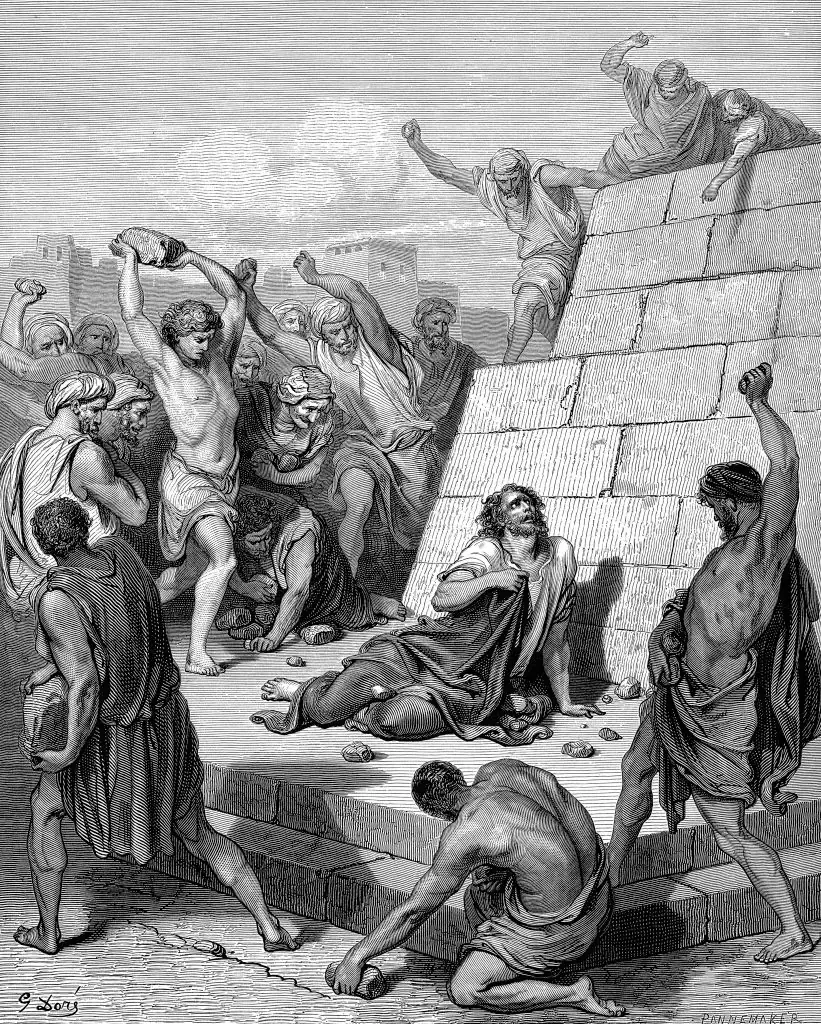
Stoning is a truly horrific way to die
Stoning, which is exactly what it sounds like, has been described in the past by Human Rights Watch as the ‘most brutal manner’ of execution method still sanctioned.
While it is much lesser used these days - Amnesty International has no reported cases since 2025 - it is still permitted under the law of at least five countries.
Those countries are Iran, where it is a punishment for adultery, Brunei, although the country hasn’t executed someone in 10 years, Yemen, where it can be used for certain sexual offences, Mauritania, and Afghanistan.
There may be other countries where it is used, but we cannot be totally sure.
It’s a horrible punishment, and Kate Allen - director of Amnesty - once said of it: “Stoning is a brutal and inhumane punishment, purposefully designed to maximise suffering.”
The process of stoning someone to death
As for the process of carrying out this type of sentence, it’s really as simple as it sounds, to be honest.
The sentence is laid down, and the person is brought to the execution site to have that sentence carried out.
According to an Amnesty report, stones are then thrown at the victim, but in such a manner that one or two blows does not kill, allegedly to maximise the suffering of the prisoner.
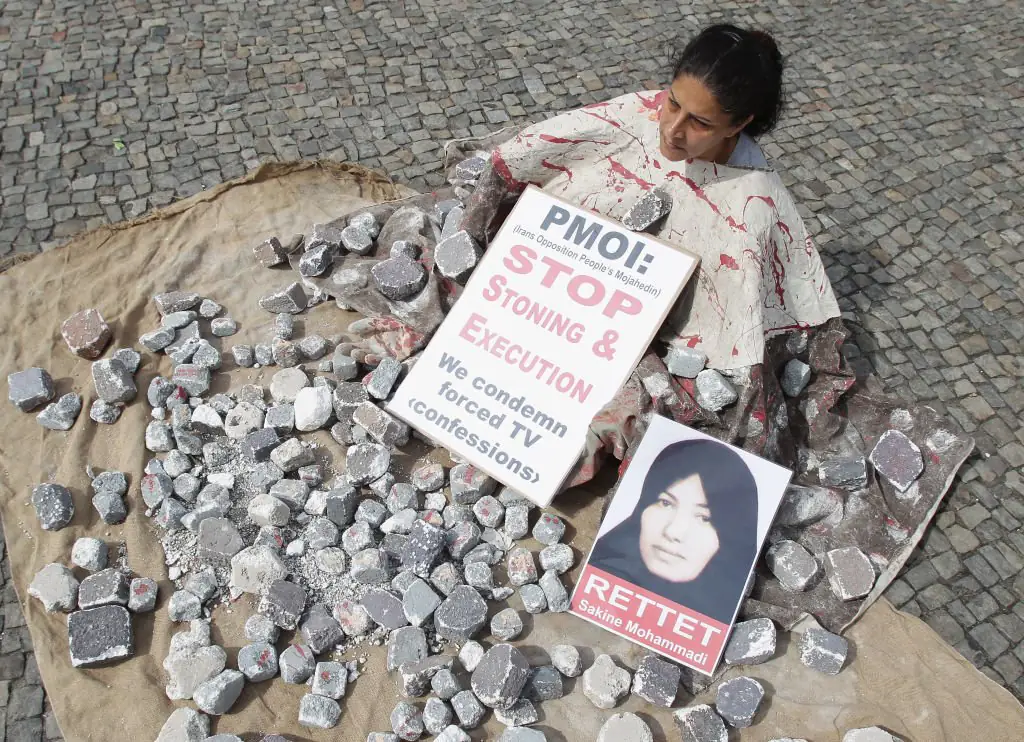
In historical accounts, death is then confirmed after the fact.
Iranian law even has provisions for the size of the stones to be used in the carrying out of the sentence, although - as mentioned - there are no confirmed stonings since 2025.
So, with the death penalty at the forefront of the headlines once again, is it time that all countries decided to end capital punishment once and for all?
Public support in many countries is as low as it has ever been, and most countries have now ruled out the possiblity of the death penalty.
With Christa Pike’s failed execution shining a light on the processes used in the USA, is it time for a collective reevaluation?