ADVERT
Sport3 min(s) read
Published 10:27 31 Jul 2026 GMT
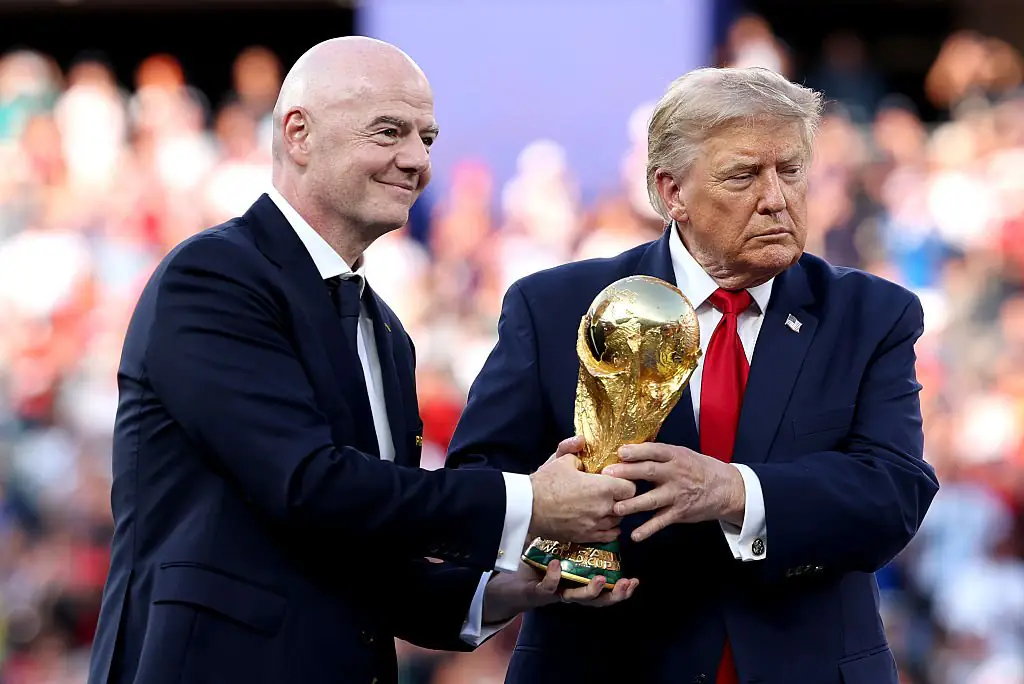
FIFA is pushing forward with its highly controversial plan to sell a significant minority stake in the World Cup commercial operations to private investors. The global soccer governing body released a sharp late-night statement from its headquarters in Switzerland to counter an intense international wave of criticism and rising threats of competition boycotts.
The organizational crisis stems from a newly revealed project to spin off FIFA's commercial operations into a twenty billion dollar subsidiary named FIFA Forward Enterprise, known as FFE. Under the proposal, private investors would take a twenty percent ownership stake. A New York investment firm created by Joshua Kushner, the brother of Donald Trump's son-in-law Jared Kushner, is positioned as the core investor.
In its public response, FIFA focused its frustration on the press, accusing media outlets of generating inaccurate coverage that harmed official communications. The governing body stated that it still intends to hold a democratic vote on the matter so member nations can evaluate the project themselves.
The proposed financial model has triggered an unprecedented rebellion across the global soccer landscape. All 55 European member nations within UEFA agreed to a total boycott of future World Cups following an urgent online meeting. The governing body for European soccer issued an explicit warning to leadership, stating, "UEFA and its national associations will not participate in FIFA competitions."
The European resistance quickly gained vital backing from CONCACAF, the confederation representing North America, Central America, and the Caribbean. While the 35 registered nations of CONCACAF did not explicitly threaten to pull out of upcoming tournaments, they formally rejected the proposal. Insiders note that this pushback reflects a broader drop in administrative confidence regarding current leadership.
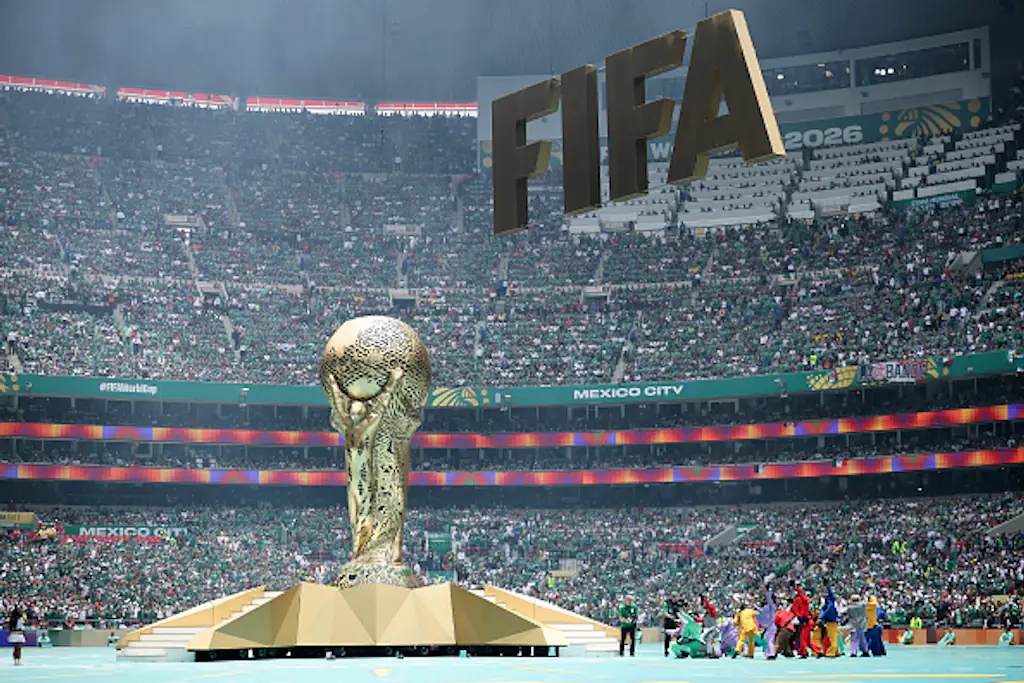
To push the private investment structure through, a minimum of 106 member associations must vote in favor. With 90 FIFA members already publicly standing against the strategy, the opposition needs only 16 more nations to block the initiative completely. The widespread rejection occurs despite financial promises sent to the 211 global members, which offered to double basic funding from ten million dollars to twenty million dollars over the next four years if the deal passes.
Long-term projections distributed by soccer chiefs claimed member funding could reach 86 million dollars each by 2038.
Despite the heavy financial promises, continental leaders remain completely unmoved by the projected revenue increases. Expressing its obligation to protect the historic independence of the tournament, UEFA explained its position by stating, "Some things are simply too important to sell. The FIFA World Cup belongs to football. It always will. And so long as Europe has a voice, it will never be for sale."
In its defense, the global federation strongly rejected accusations that it is compromising the integrity of international tournaments for financial gain. The management claims the corporate restructuring is designed to give local associations direct commercial ownership without altering the traditional rulebooks of international sport.
The executive suite continues to advocate for the validation of the project prior to the mid-September deadline for member feedback. In its official early morning message, the organization clarified its boundaries, stating, "Nobody is selling football. This is not something FIFA would ever entertain."
sport3 min(s) read
us3 min(s) read
sport5 min(s) read
us3 min(s) read
Published 12:07 19 Nov 2025 GMT
Published 15:27 30 Jul 2026 GMT
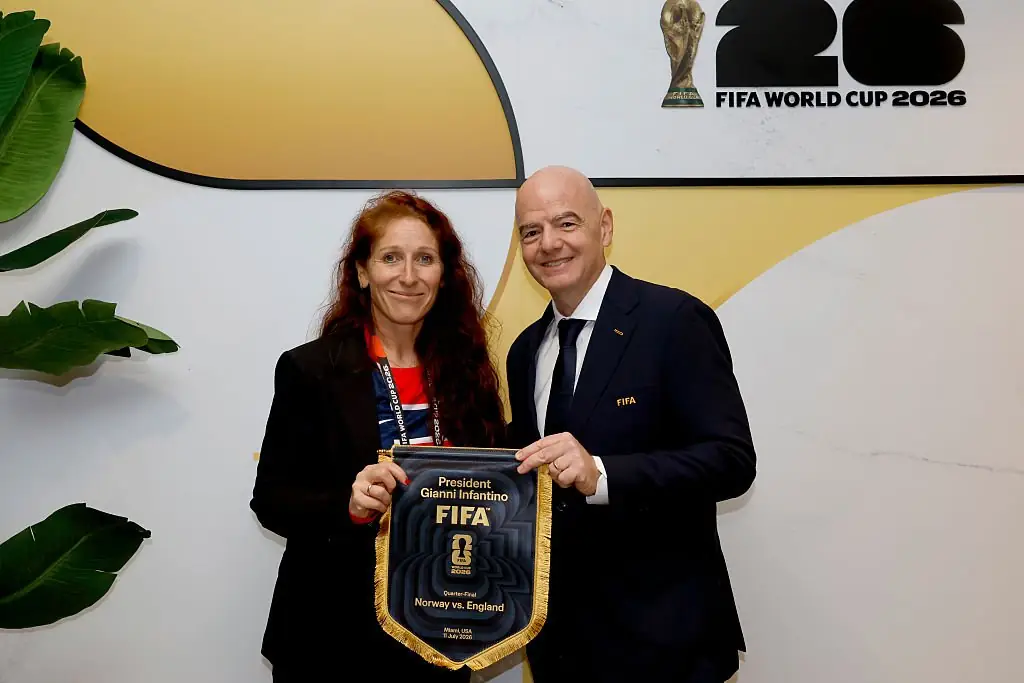
UEFA's member associations have responded to FIFA President Gianni Infantino's announcement to sell off stakes in its football competitions, including the World Cup.
All 55 associations under UEFA, including England, have voted to boycott the World Cup if FIFA proceeds with its plan to sell shares to private investors.
This decision was made at an emergency meeting on Thursday (July 30), following proposals being made by FIFA, world football's governing body, on Tuesday.
UEFA governs European football, and they made their stance clear earlier this week with two concise statements about the plans.
They criticized the proposals, claiming that it "crosses a line," as FIFA looks to expand "football development funding" to more than $10bn, inviting third-party investment.
The boycott suggested would cover all FIFA competitions, including the men's and women's World Cups and Club World Cup.
The first time this will be demonstrated is in October, when the Women's World Cup play-offs are scheduled.
The statement released by the European football association was released after the meeting, reading that its members "stand as one."
It further read: "We unanimously and unequivocally reject Fifa's proposal to transfer ownership interests in the World Cup and other Fifa competitions to private investors,
"The World Cup cannot be treated as an investment product. It is one of football's greatest sporting legacies.
"It has been built over generations by players, national teams and supporters across every continent. No part of it should ever be surrendered to private investors.
"The World Cup is not for sale."
They went on: “As a result of today’s discussion, no UEFA national teams will participate in any FIFA competition for so long as these proposals remain alive, unless this proposal has been abandoned in its entirety and binding assurances have been given that FIFA will never again open its governance or competitions to private ownership.
“Nobody should be in any doubt: UEFA and its national associations will oppose these plans with absolute determination.”
The statement described FIFA's plan as “irresponsible and indefensible,” adding that it was “conceived in secret and brought to the brink of approval without any meaningful consultation with those entrusted with stewarding the game.”
“Some things are simply too important to sell. The FIFA World Cup belongs to football. It always will. And so long as Europe has a voice, it will never be for sale,” the federation definitively stated.
During Thursday's call, over 40 representatives voiced their anger at how UEFA had been treated by the governing body.
Some asked why FIFA reserves couldn't be used for the development of the game instead, while pointing towards concerns about the lack of consultation on FIFA’s controversial investment plans.
Infantino had written to all 211 FIFA member associations, promising a payment of $40m if they went along with his highly-criticized plan to sell stakes in its major competitions.
A deadline of September 19 was set for football federations to accept his plans if they wanted access to an initial reward of $20m.
Published 16:24 07 Jul 2026 GMT
After the World Cup’s co-hosts, the USA, lost 4-1 to Belgium last night, missing out on a place in the quarter-finals and being kicked out of the competition, soccer fans have begged the President to pull some strings and get their national team back in the game.
Since the country has been turfed out of the tournament, fans flocked to social media to ask Donald Trump to use his position of power to ask FIFA for another chance to prove themselves.
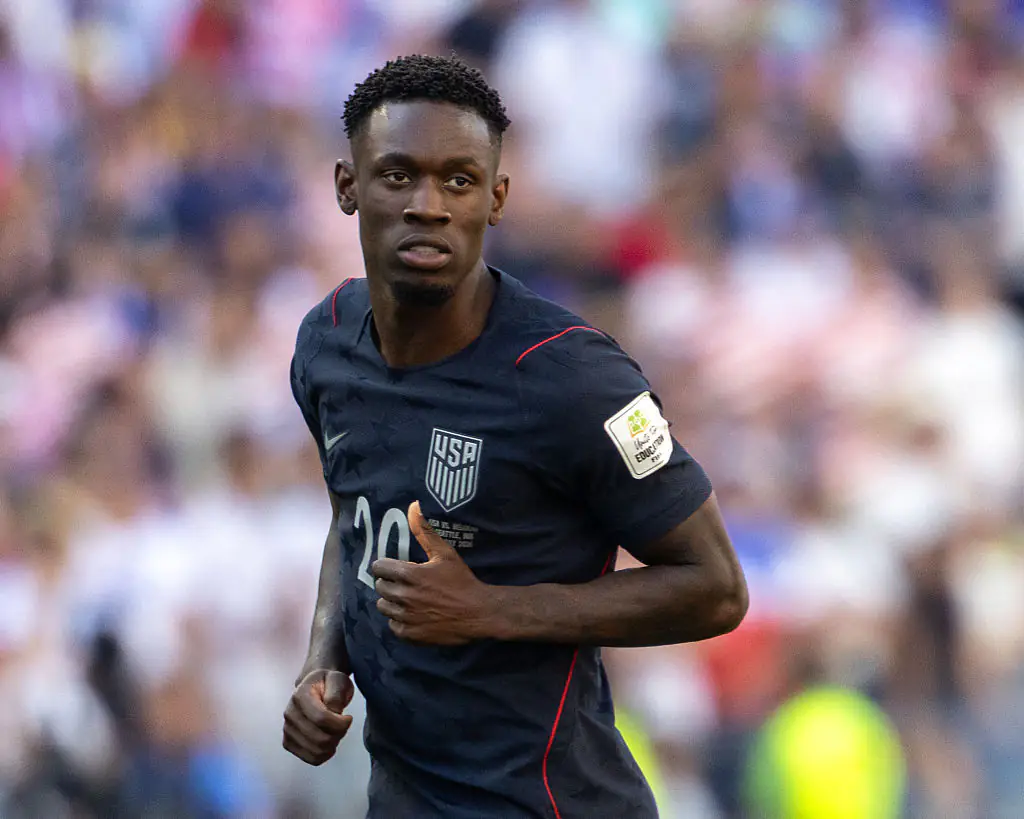
Fans have faith that a plea from Trump could work, as his request to review US top striker Folarin Balogun’s ban worked and got him back on the pitch.
The team’s top goal-scorer was set to miss out on the match against Belgium after receiving a red card in the US’ previous game against Bosnia and Herzegovina before Trump stepped in.
Unsurprisingly, soccer fans have begged the President to step in again and use his power to get the USA back into the global event of the year.
One soccer fan boldly claimed on social media: “The US can still win the World Cup if Donald Trump has the courage.”
Another person, although seemingly less convinced by Trump’s influence, said: “Do you think Trump will make another phone call to ask them to overturn Belgium’s win? I wouldn’t put it past him.”
A third added: “The officials were totally corrupt. Trump needs to call Gianni.”
Gianni Infantino took over as FIFA president promising to reform the organization following the major 2015 corruption scandal, but his tenure has since been dogged by a string of controversies and ethics questions.
He has faced multiple ethics investigations and controversies of his own, including a Swiss criminal probe into secret, undocumented meetings he held with the country's former Attorney General who was investigating football corruption at the time.
Unsurprisingly, Infantino faced intense criticism over alleged political interference after FIFA abruptly suspended a red-card ban for Balogun immediately following a phone call from Trump.
Despite the pleas from US soccer fans, it appears the co-hosts' World Cup campaign is over for good, regardless of any calls made to FIFA's top brass.
Even if the USA team did make it through the knock-out stages, they would have faced the rather strong Spanish team, and hopes of beating them would be even slimmer.
Published 12:58 23 Jul 2026 GMT
Norway is preparing to file a formal complaint with FIFA after President Donald Trump's involvement in the decision to overturn Folarin Balogun's World Cup suspension.
As widely reported, the 25-year-old received a red card during the United States' victory over Bosnia and Herzegovina on July 2.
Although the striker was initially suspended for the knockout stages, the decision was later overturned, allowing him to feature against Belgium in the last 16.
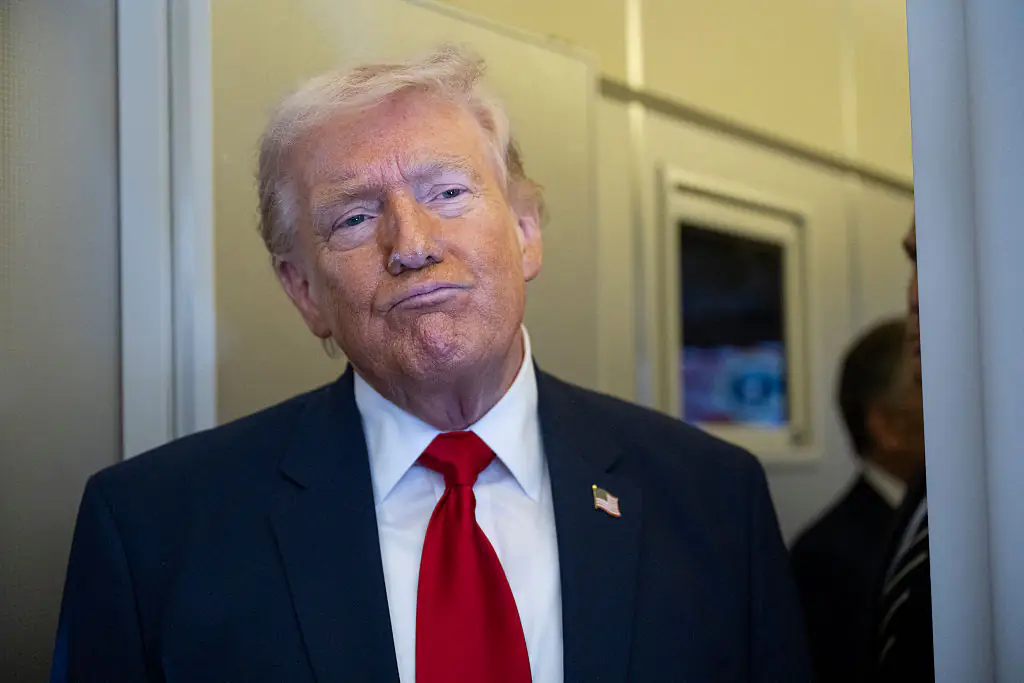
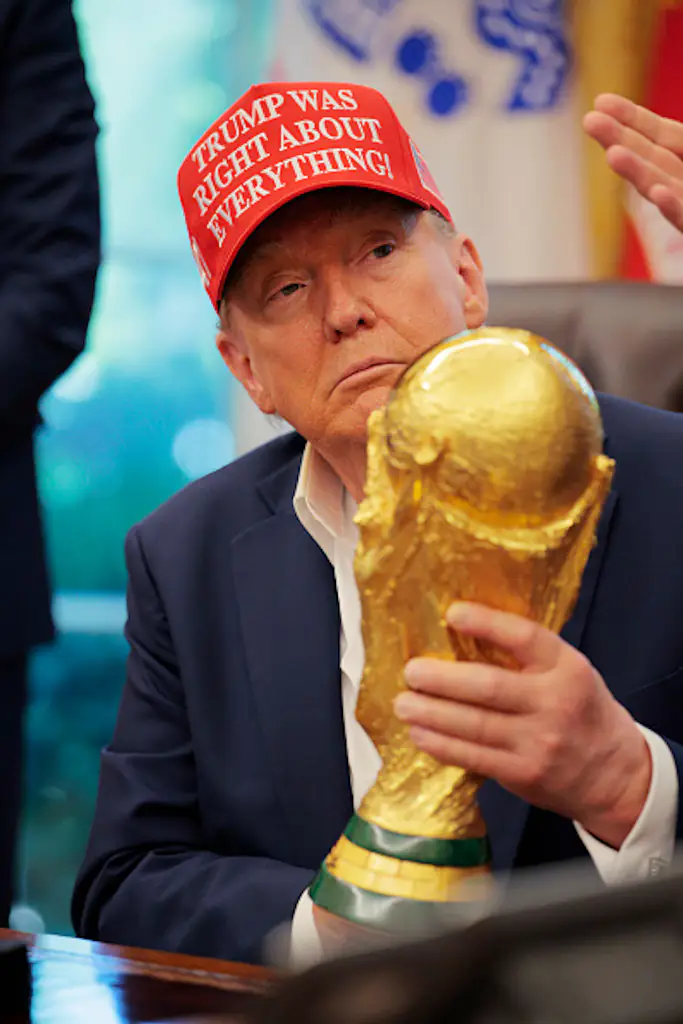
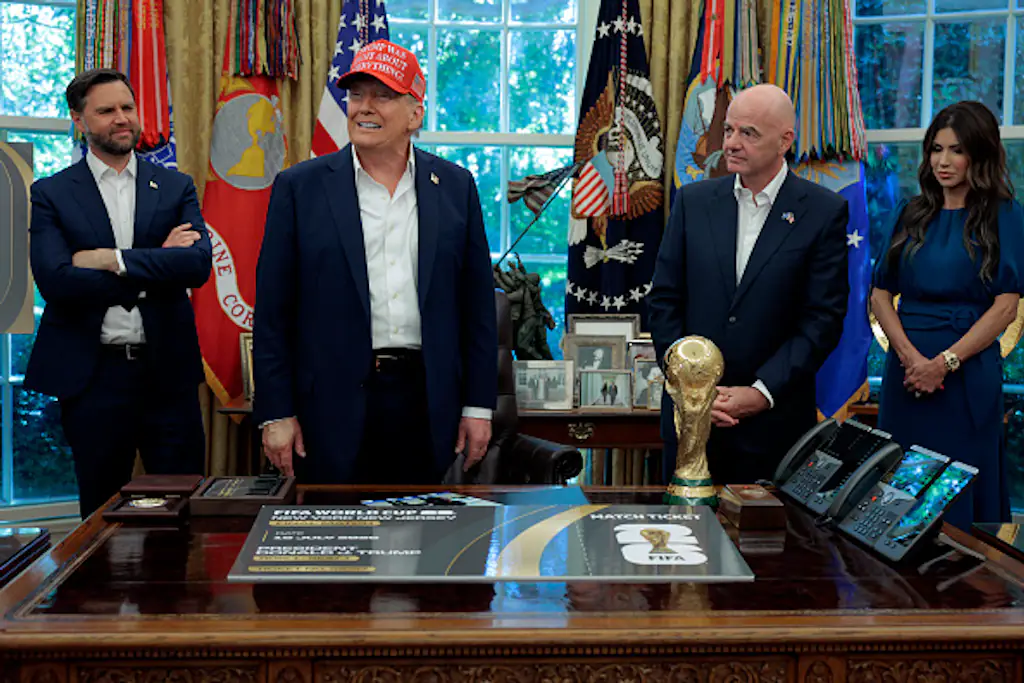
Trump later admitted that he contacted FIFA president Gianni Infantino to discuss the case, and celebrated the outcome by describing it as the reversal of "a great injustice" on Truth Social.
Lise Klaveness, president of the Norwegian Football Federation, has been one of FIFA's most vocal critics and believes the Balogun decision raises concerns about the independence of football's governing bodies.
The 45-year-old, who has already slammed FIFA for awarding its inaugural Peace Prize to the US president, described the latest controversy as "so serious and so worrying".
"To try to sweep this under the carpet now will not fly," she said.
In an interview with The Times, she warned that allowing outside political influence to shape disciplinary decisions could have lasting consequences for the sport.
"When you bend a rule like this, you're on a slippery slope that will put the whole game at risk. It is a worry for the game when you compromise fundamental rules of the game," she said.
She continued: "First of all, it should not have happened. It is very important now to have honest communication around it. We all know that this verdict was influenced from external forces and did not have the proper process.
"We need our leader in FIFA to say that this was an error. If you start to adapt in such a way towards state leaders and state politics, you will move your behaviour and the organisation's behaviour, and also the red line of what states' leaders should interfere with. And that happened," she added.
Klaveness has suggested that, pending approval from the Norwegian federation's board, she plans to add the Balogun case to an existing complaint concerning FIFA's decision to award Trump its inaugural Peace Prize.
If approved, the complaint will be referred to FIFA's independent ethics committee to look at whether any rules were broken.
The fallout has prompted Infantino to publicly defend the organization's disciplinary procedures and address his conversation with the 80-year-old president.
"FIFA's judicial bodies are independent," Infantino said, per The Mirror.
"They operate autonomously, apply the FIFA Disciplinary Code, and decide cases based on the applicable regulations and the specific facts before them. Their independence is essential to the credibility and integrity of football, and this must always be respected."
Meanwhile, Trump has insisted that he did not attempt to pressure FIFA into a particular outcome.
"All I did was ask for a review. I didn't say, you have to do this," he explained at the time.
"This man is a smart, tough man, Gianni Infantino. He's a smart, tough man, and his stock has gone through the roof because the job he has done has been great. I feel like we have to have all the best players on the field."
During a recent interview on CBS Mornings, Balogun reflected on the red card saga and admitted he quickly realized the decision would have wider consequences.
"My initial reaction was that I was happy to be back in the team," he said. "But when I started to reflect, I knew it was going to cause a lot of controversy."
He added that the situation appeared to affect those around him.
"And I could almost see within my teammates a bit of nerves because it's something that is so unique. But the closer we got to the game, I tried to just focus as best as I could but it was difficult - a lot of outside noise and that's hard to avoid," he added.
The Team USA star also described how confusing the days leading up to the match became after initially preparing to miss the game.
"It was confusing because the team was practicing without me in the team, I'm almost just playing a supporting role to keep morale high."
The 2026 FIFA World Cup is shaping up to be one of the biggest sporting events in history – but two surprise qualifiers on Donald Trump’s newly reinstated travel-ban list are already raising major questions about how smoothly the tournament will run on U.S. soil.
The expanded 48-team competition, jointly hosted by the United States, Mexico, and Canada, kicks off next summer. With qualifying nearly wrapped, 42 nations have already booked their place, including debut appearances from Curaçao, Cape Verde, Jordan, and Uzbekistan.
But the celebrations come with a looming problem.
In June, President Trump reintroduced a sweeping travel ban targeting several countries. The list includes Afghanistan, Iran, Libya, Somalia, Sudan, Yemen, Myanmar, Chad, Congo-Brazzaville, Eritrea, Equatorial Guinea, and Haiti. Another group – including Cuba, Venezuela, Sierra Leone, Togo, and Turkmenistan – faces partial restrictions.
Iran, who topped their Asian qualifying group with 23 points, have made it to their seventh World Cup. Haiti joined them this week after a decisive 2–0 win over Nicaragua, securing only their second-ever appearance at the tournament.
But both Iran and Haiti remain on the banned list. Reports suggest U.S. authorities have already blocked the Iranian delegation from entering the country for December’s World Cup draw – a worrying sign of what could follow for players, staff, and fans.
On paper, Trump’s restrictions bar most nationals from banned countries from entering the U.S. as immigrants or tourists. That includes thousands of fans who would otherwise be traveling to support their teams.
However, athletes competing in major international sporting events are exempt – meaning players, coaches, and essential staff from the affected nations will be allowed in. Immediate family members are reportedly also covered.
The real uncertainty lies with supporters.
The U.S. hosts 11 World Cup cities, and FIFA expects to make more than six million tickets available, according to The Guardian. But fans from banned nations will need to navigate a more complicated visa process than most.
To handle the massive influx of applications, U.S. embassies will use a newly created FIFA Prioritised Appointment Scheduling System (PASS). Fans with verified tickets will be bumped to the front of the line for visa interviews, though approval still isn’t guaranteed.
“America welcomes the world,” FIFA president Gianni Infantino said, calling PASS “a very concrete example” of efforts to make 2026 the most inclusive World Cup ever.
Secretary of State Marco Rubio added that PASS “guarantees you an expedited appointment” but stressed that all applicants face the same vetting process, BBC News reports.
Meanwhile, Trump has continued warning host cities that they could lose their matches if they don’t crack down on crime – most recently aiming threats at Seattle after similar remarks about Boston.
With the World Cup draw set for December 5 and the tournament just months away, FIFA, U.S. officials, and competing nations are working through the diplomatic complications.
For now, Iran and Haiti remain fully qualified — and fully restricted. Whether the political tension spills onto the pitch is a storyline no one expected heading into 2026, but it’s already shaping up to be one of the tournament’s biggest off-field dramas.
Published 10:35 08 Jul 2026 GMT
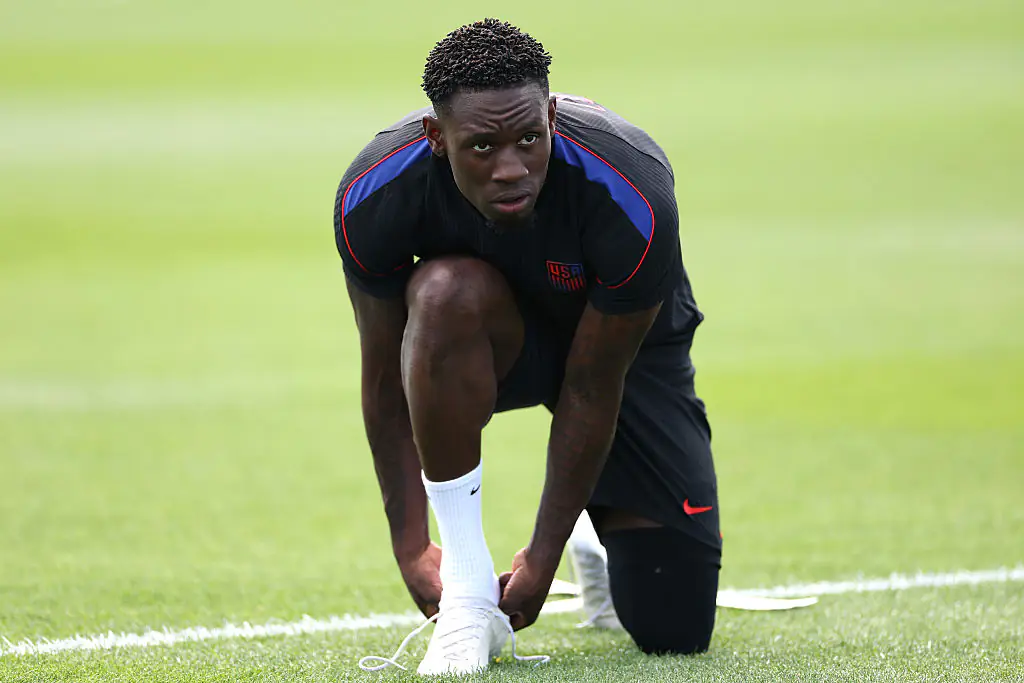
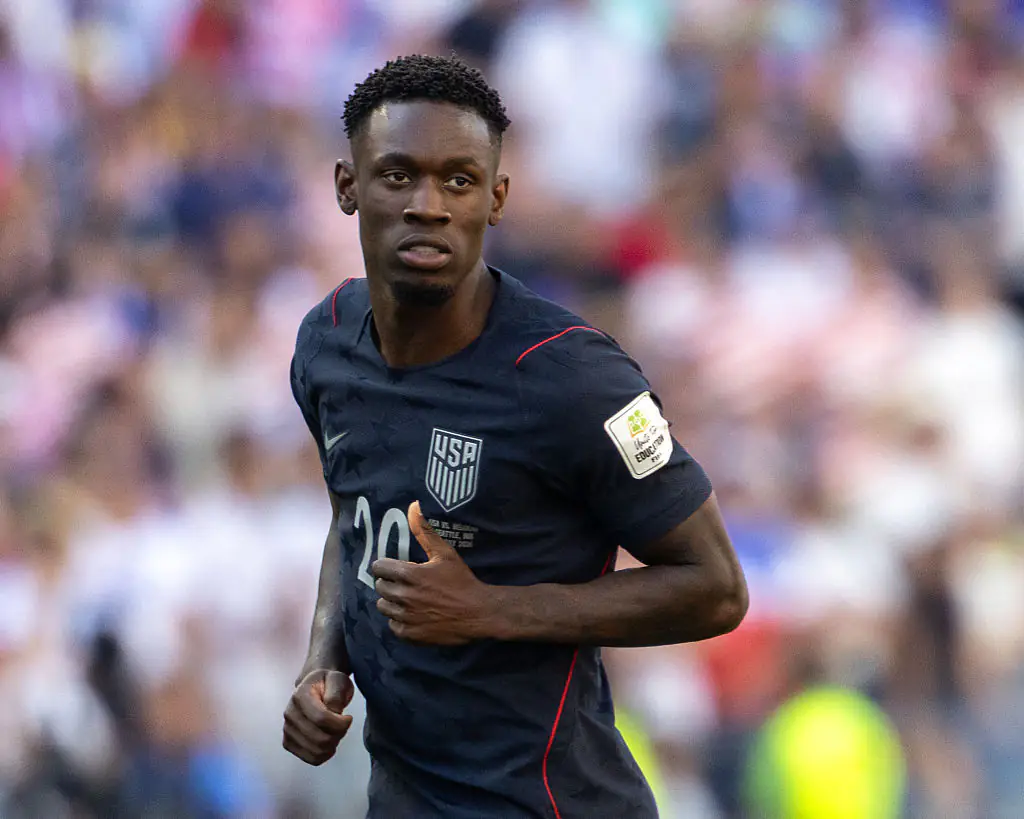
Folarin Balogun has broken his silence after USA was kicked out of the World Cup days after the infamous red card U-turn.
The USMNT striker was at the center of one of the tournament's biggest talking points after being shown a red card during the team's round-of-32 victory over Bosnia and Herzegovina.
Although the dismissal originally carried a one-match suspension, President Donald Trump admitted that he called FIFA president Gianni Infantino, and a committee conducted an intervention that later delayed the ban.
FIFA then allowed the 25-year-old to feature in the USA's last-16 clash against Belgium.
Before the match, the Royal Belgian Football Association said they were "astonished" by FIFA’s decision to delay Balogun’s suspension.
"In order to safeguard the legitimate rights of all participating teams and to protect the fundamental principles of fair play in our sport, both at this FIFA World Cup and at future editions of the tournament, the RBFA is investigating all potential options," they said in a statement.
Their appeal was dismissed by the governing body, with a disciplinary committee ruling that Belgium was not an interested party as they were not involved in the incident in question.
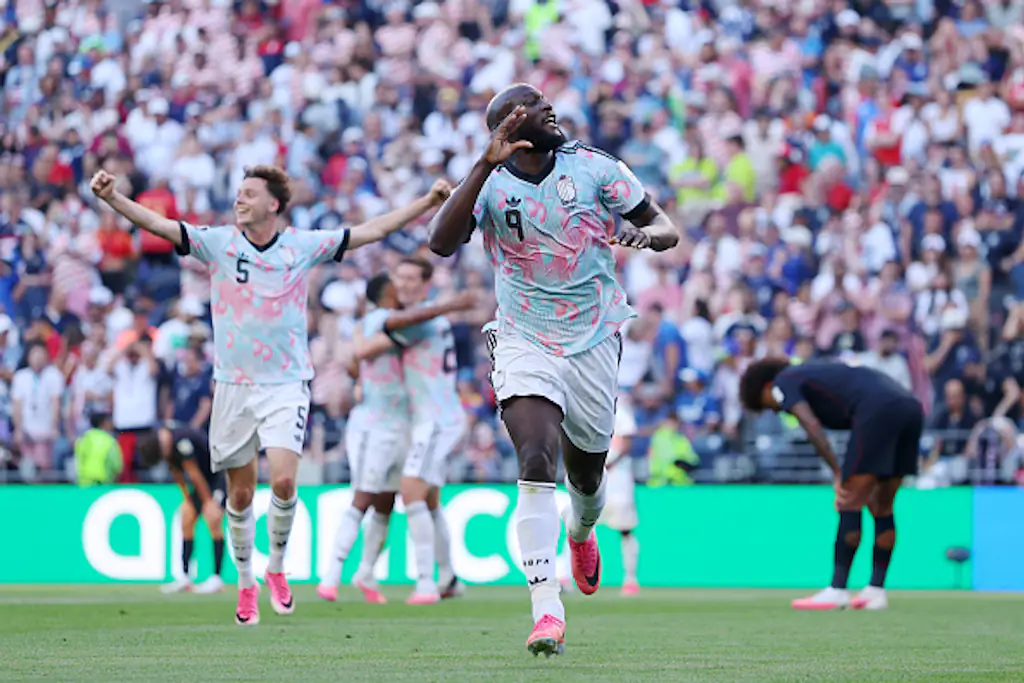
Despite the controversy, Belgium had the final say on the pitch, defeating the United States 4-1 to book their place in the quarter-finals.
Following the victory, the team could be seen celebrating by doing an impression of the "Trump dance," which went viral during the 2024 US presidential campaign.
The official Instagram account also posted a picture of Romelu Lukaku, the player who scored the 4th goal, cupping his ear, with the savage caption: "Overturn this."
The 25-year-old took to Instagram on Tuesday (July 7) to share an emotional statement with his 905K followers.
"My debut World Cup… it hurts to wait 4 years to compete at the highest level our sport has to offer. I want to say sorry to our fans it was not good enough when it mattered most and we let you down," he penned.
"Soccer in America will only become bigger the belief, the talent, and the passion is continually growing, and I know the best days are in front of us, the future belongs to those who never stop believing, this moment will fuel us. We will be back," he continued. "Why not us?
"For the nation. For the flag," he concluded, adding an eagle and USA flag emoji.
After the match, Balogun approached Belgium manager Rudi Garcia, a gesture the coach said he greatly appreciated.
"He came to talk to me. I really liked that. It is not his fault; he is not the one to blame, and that’s what I told him," Garcia told reporters.
Belgium goalkeeper Thibaut Courtois also addressed the controversy, saying his side had used the criticism surrounding them as motivation.
"In recent days, we have been shown a lack of respect here in the U.S. It was said that they could beat us easily, but I think today we proved that we are a good team. We played a great match," he said.
Courtois also dismissed suggestions that the Balogun saga had any impact on his team's performance.
"Everything beforehand did not necessarily play a part. I read it and laughed about it. Today, if I'm honest, I felt a bit more certain that we would win than I did against Senegal," he said. "They were a stronger team than the U.S., and that showed today as well."
After advancing past the co-hosts, Belgium will take on Spain in the quarter-finals in Los Angeles on Friday.