What was supposed to be the trip of a lifetime has turned into a global health emergency after a hantavirus outbreak was confirmed on board the MV Hondius, and the situation is still unfolding in real time.
As of May 6, at least seven confirmed cases have been linked to the ship, including three deaths, one critically ill patient, and several others with milder symptoms.
The vessel, which set sail from Ushuaia, Argentina, is now effectively stuck off the coast of West Africa, with around 150 passengers and crew waiting for answers and, more urgently, a safe way home.
With international health agencies now involved and questions mounting about how the virus spread, this is quickly becoming one of the most closely-watched outbreak stories of the year.
Here’s everything we know so far.
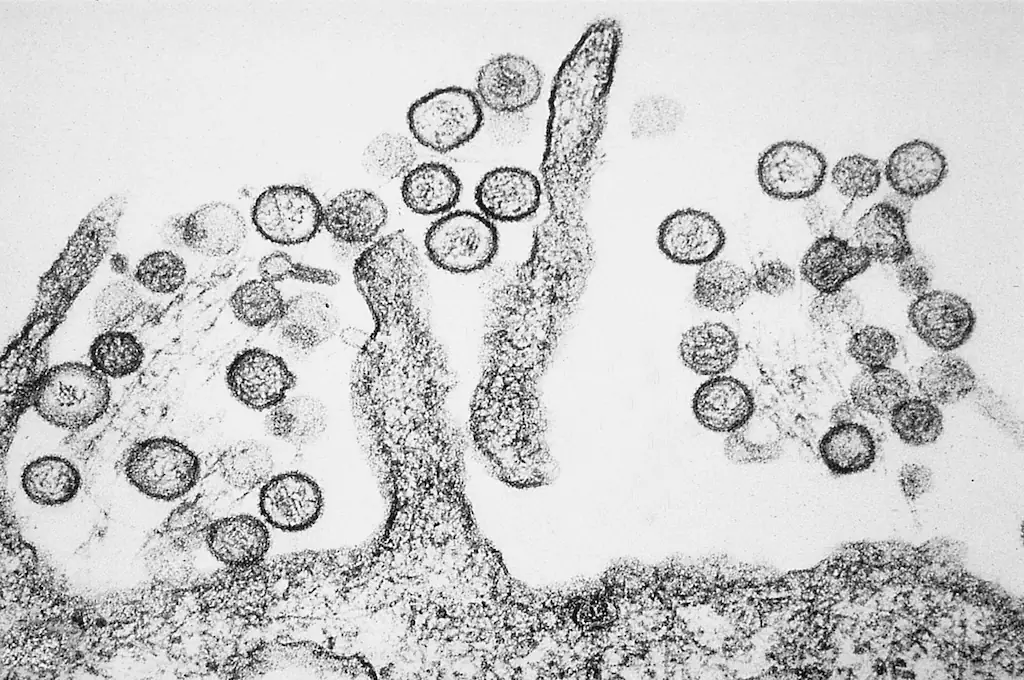
A hantavirus outbreak has shaken the world. Credit: Wikimedia Commons
What happened on board the MV Hondius?
The MV Hondius, operated by Oceanwide Expeditions, is a specialist polar vessel designed for remote exploration, capable of carrying up to 170+ passengers into some of the most isolated regions on Earth.
It left Ushuaia, often called the 'end of the world,' on April 1, heading out on an expedition-style voyage.
At the time of departure, local health authorities confirmed that no passengers were showing symptoms of hantavirus.
But that didn’t last.
Somewhere along the journey, passengers began reporting illness, according to the Guardian.
What initially seemed like routine flu-like symptoms quickly escalated into something far more serious.
Cases began to cluster, and the severity of symptoms, particularly respiratory complications, raised alarm bells.
Health officials later confirmed multiple cases of hantavirus, a rare but potentially deadly disease that primarily affects the lungs.
Among the victims were a Dutch couple whose story has become one of the most widely reported human tragedies linked to the outbreak.
A 70-year-old Dutch man was declared dead on arrival in Saint Helena, while the ship was making a stopover, as his 69-year-old wife collapsed at Johannesburg's international airport in South Africa as she attempted to fly back home to the Netherlands.
Hantavirus was also confirmed in a 69-year-old Brit, who was evacuated to a hospital in South Africa for intensive care.
The first case of hantavirus discovered in someone who was not on the current sailing of the MV Hondius cruise ship has also been reported, and a man is in hospital.
The patient, who had sailed on the ship in April, is currently in a medical facility in Switzerland.
What makes this even more unsettling is how rapidly the situation escalated, from a routine expedition to an international health incident.
The ship is now headed for the Canary Islands, reports the BBC.
Three people have already died as a result of the outbreak. Credit: Stefan Aue / Getty
Passengers to be flown home and quarantined
As reported by the New York Post, those onboard are expected to undergo health screenings to check for symptoms before disembarking in small groups around three hours later, in Tenerife.
Spanish health authorities will ensure they are asymptomatic before being ferried ashore in small boats in groups of five to 10.
Passengers will have no choice but to leave their belongings on board, as they will be taken to the Spanish island's main airport, which is just 10 minutes away, by sealed-off buses.
The evacuation began between 7:30am and 8:30am (01:30 and 02:30 ET) on Sunday May 10, according to Spanish authorities.
While locals were worried ahead of the ship's arrival, World Health Organization (WHO) officials insist the public risk is low, and the situation is being closely monitored.
The US State Department said that seventeen US travelers will head back home on a repatriation flight, before being taken to the National Quarantine Unit in Nebraska for assessment and quarantine.
The move comes nearly a month after the first passenger died of the hantavirus on board the cruise ship, according to the BBC.
Hondius arrived near the port before dawn, but it wasn't permitted to reach shore, as a security perimeter of one nautical mile was placed around the ship.
Where did the virus come from?
Right now, that’s the question everyone is asking, and the one experts are still trying to answer.
The World Health Organization (WHO) has confirmed that investigations are ongoing, including laboratory testing and epidemiological tracing, with there being no confirmed source yet.
One key complication is the nature of hantavirus itself.
The virus can have an incubation period of up to eight weeks, meaning someone could be infected long before showing any symptoms.
That makes it extremely difficult to trace exactly when and where the first case originated.
Investigators are currently considering three main scenarios:
1. Infection before boarding
Passengers may have contracted the virus before even stepping onto the ship. Ushuaia and the surrounding regions are known to have reported hantavirus cases in the past, and travelers could have been exposed during earlier stages of their journey.
2. Exposure during excursions
Expedition cruises often involve landings in remote environments, where passengers may come into closer contact with wildlife or natural habitats. Since hantavirus is typically spread via rodents, this raises the possibility of environmental exposure during the trip.
3. Transmission on board
This is the most concerning and controversial possibility. While hantavirus is not usually spread between people, officials have said it cannot be ruled out in this case.
WHO has confirmed that investigations are ongoing, including lab testing to determine the exact strain involved.
At least three US states are currently monitoring residents for suspected hantavirus after the outbreak on board the MV Hondius ship.
"Patient zero" identified
Officials say that the late couple may have contracted the feared Andes strain of hantavirus after visiting a notorious landfill site near Ushuaia on March 27, just days before setting sail.
The strain is the only known form of hantavirus capable of spreading from human to human.
Leo and Mirjam were later identified in obituaries published in their local village magazine, where one tribute read: "Like birds in flight. We will miss you and the stories."
The experienced birdwatchers had traveled to all corners of the world over the years, including a 12-day wildlife tour in Sri Lanka in 2013, where they celebrated spotting the rare Serendib Scops Owl.
They would visit the "end of the world" landfill before their tragic deaths, as the location became a magnet for birdwatchers from around the world despite being shunned by locals.
The rubbish dump is home to several rare Patagonian bird species.
Among the birds attracting enthusiasts to the site is the white-throated caracara, also known as Darwin’s caracara, after Charles Darwin first collected the species.
"It is common for birdwatchers to visit landfills because there are many birds there," Bretti told Ansa Latina.
Authorities suspect the Dutch couple inhaled particles contaminated by the feces of long-tailed pygmy rice rats carrying the virus while visiting the dump.
Four days after visiting the birdwatching hotspot, the couple boarded MV Hondius alongside 112 other passengers and by April 6, Leo began suffering from fever, headaches, stomach pain, and diarrhea. Five days later, he died on board the vessel.
But even after his death, passengers were reportedly told there was no immediate cause for alarm.
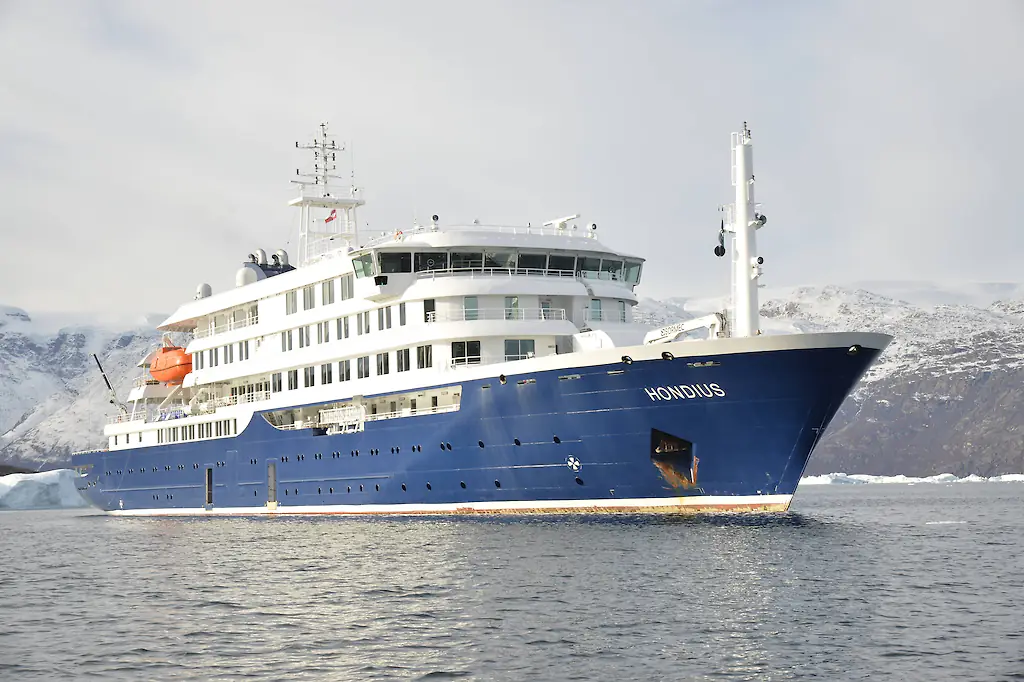
MV Hondius. Credit: IMAGO/Zoonar
Latest statements from WHO and the CDC
In a press conference this week, WHO epidemiologist Maria Van Kerkhove stated: "This is not the next Covid but it is a serious infectious disease. If people get infected, and infections are uncommon, they can die.
"People on the ship who are hearing this are very scared, rightly so. The general public might be scared as well.
"Accurate information is critical. Knowing what your actual exposure might be - most people will never be exposed to this."
The US Center for Disease Control (CDC) said on X that they were closely monitoring American passengers aboard the MV Hondius but highlighted that the hantavirus outbreak posed a "very low" risk to the wider public.
CDC director Dr Jay Bhattacharya said: "Our CDC team began coordinating with domestic and international partners as soon as we were notified of a hantavirus situation,
"We understand that people are concerned and looking for information and that is why we provided clear, written health guidance to the American passengers through the State Department. The safety and health of the affected American travelers is our number one goal."
It further read: "Hantavirus is not spread by people without symptoms, transmission requires close contact, and the risk to the American public is very low."
Can hantavirus spread between people?
This is where the story takes a more worrying turn.
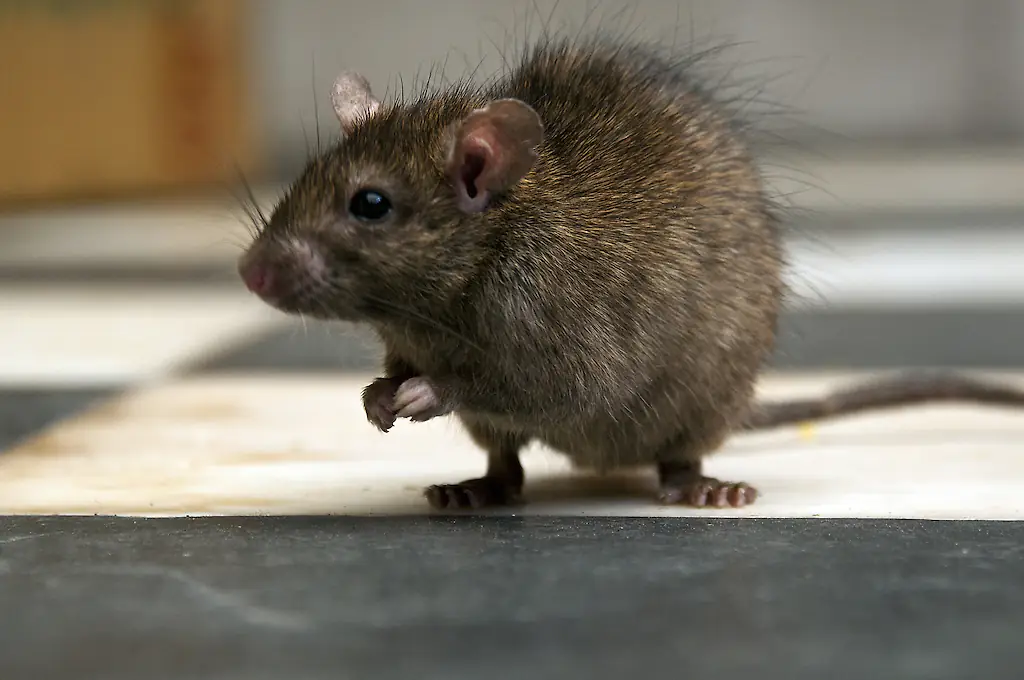
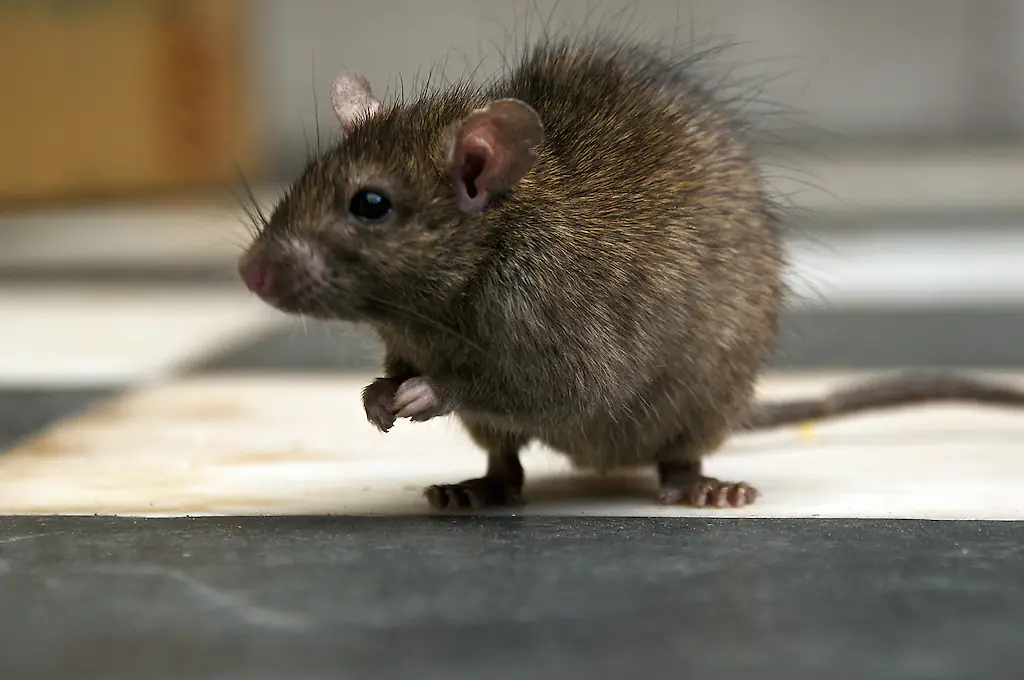
In most cases, hantavirus does not spread from person to person. It’s primarily transmitted through contact with infected rodents, specifically their droppings, urine, or saliva, often inhaled as airborne particles.
That’s the standard explanation you’ll find from health authorities, such as the CDC.
However, there’s an important exception.
A strain known as the Andes virus, found mainly in South America, has been shown to spread between humans in rare cases, typically through close contact or respiratory droplets.
Health officials have been careful not to jump to conclusions, but they’ve also made it clear that human-to-human transmission “cannot be ruled out” in the MV Hondius outbreak.
If that turns out to be the case, it would explain how multiple people on board became sick in a relatively short period of time and why authorities are taking the situation so seriously.
What are the symptoms passengers experienced?
One of the challenges with hantavirus is that it doesn’t immediately look dangerous.
Early symptoms are often described as flu-like, including:
- Fever
- Fatigue
- Muscle aches
- Headaches
- Chills
On their own, these symptoms wouldn’t necessarily raise alarms, especially on a long cruise where minor illnesses are not uncommon.
But hantavirus can escalate rapidly.
Mayo Clinic details that within a few days, patients can develop severe respiratory symptoms as fluid builds up in the lungs.
This stage, known as hantavirus pulmonary syndrome, can make breathing extremely difficult and often requires intensive care.
It’s this sudden shift from mild to life-threatening that makes the virus particularly dangerous.
How deadly is hantavirus?
Hantavirus is rare, but it has a reputation for being severe, and the numbers back that up.
According to data widely cited by health authorities, around 30–40% of people who develop severe hantavirus infection die from it.
That fatality rate is significantly higher than that of many more common viral illnesses, which is why even a small outbreak can attract global attention.
It’s also worth noting that outcomes can depend on several factors, including:
- How quickly the illness is recognised
- Access to intensive medical care
- The specific strain of the virus involved
In the case of the MV Hondius, the remote nature of the cruise may have complicated early diagnosis and treatment, another factor investigators will be looking at closely.
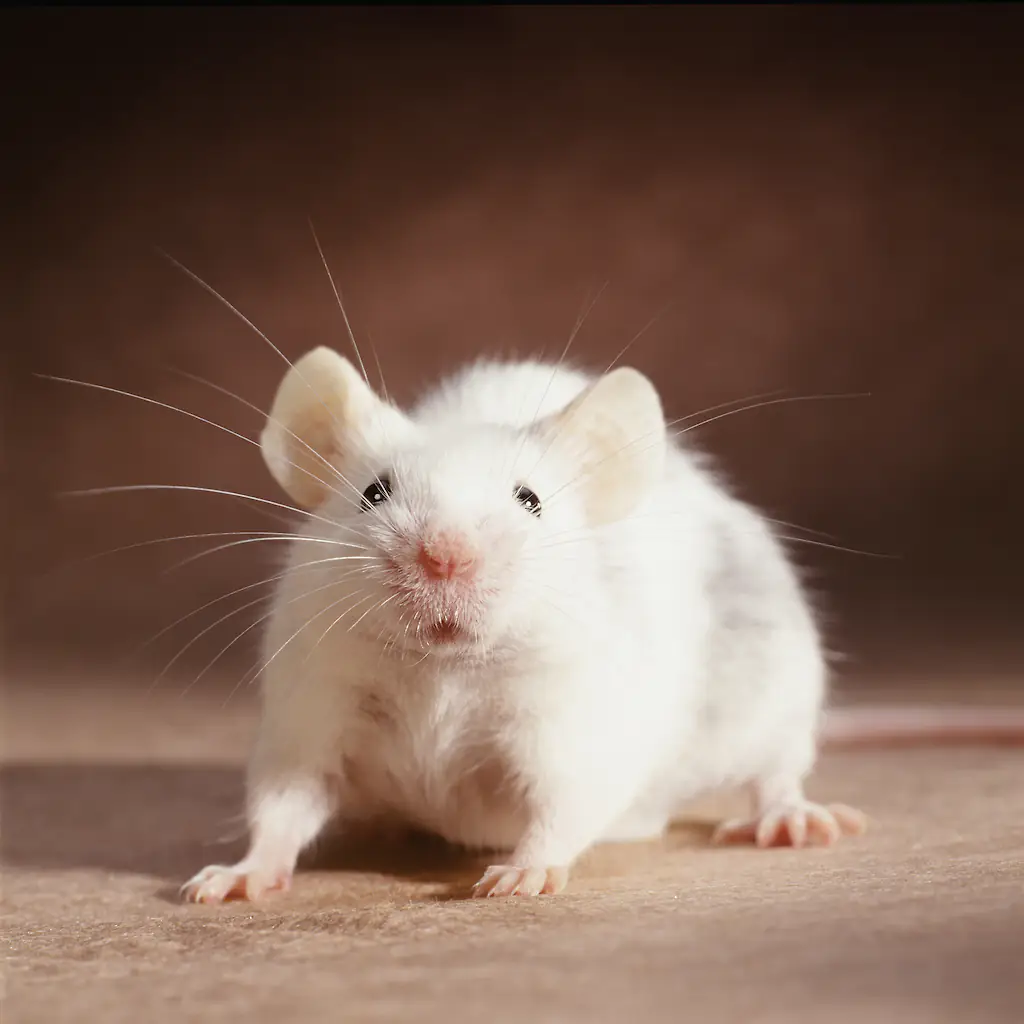
Hantavirus is primarily caused by infected rodent droppings. Credit: GK Hart/Vikki Hart / Getty
Why are passengers still on the ship?
One of the most shocking aspects of this story is that many passengers are still on board.
Despite confirmed cases and fatalities, the ship has faced difficulties docking at ports. Some countries have reportedly been reluctant to allow disembarkation due to fears of spreading the virus.
As a result, passengers have been asked to remain on the vessel while health monitoring, isolation measures, and disinfection protocols are carried out.
This has effectively turned the ship into a floating quarantine zone.
There are also logistical challenges at play:
- Passengers are from multiple countries
- Medical evacuations need to be carefully managed
- Authorities must ensure there’s no risk of further transmission
Until those conditions are met, many on board remain in limbo.
What are experts saying?
Global health organisations and experts are now closely watching the situation.
The WHO has confirmed that investigations are ongoing and that identifying the virus strain is a top priority.
Public health experts have also pointed to the unique challenges of this outbreak.
Dr. Amesh Adalja, a senior scholar at the Johns Hopkins Center for Health Security, suggested to TIME that there are likely two main possibilities behind the outbreak: either rodents were present on board, or passengers were exposed during excursions in areas where the virus is endemic.
That uncertainty is key.
Unlike more predictable outbreaks, this one involves multiple unknowns, including transmission pathways, timing, and environmental factors.
Why this outbreak is different
Hantavirus cases are not unheard of — but outbreaks like this are rare.
What makes the MV Hondius situation stand out is a combination of factors:
The setting
A cruise ship, particularly one operating in remote regions, creates a contained environment where infections can spread more easily, and responses are harder to coordinate.
The severity
With a relatively high fatality rate, even a small number of cases is taken seriously.
The unanswered questions
The lack of a confirmed source or transmission route adds a layer of uncertainty that keeps the story evolving.
The global nature
Passengers from multiple countries mean the situation has international implications, both medically and diplomatically.
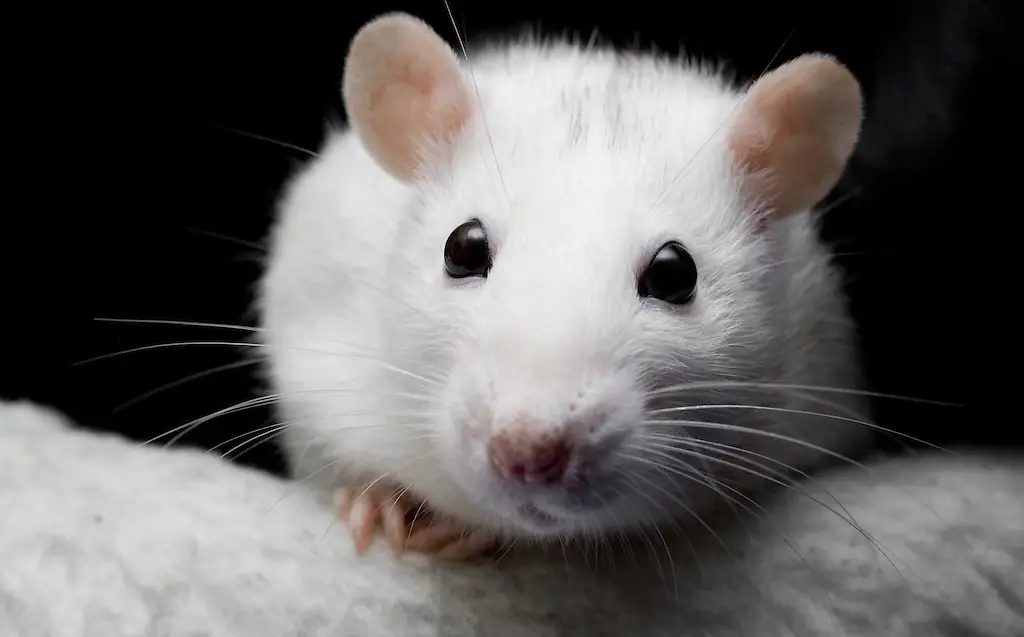
A fever, extreme fatigue, and nausea are some of the symptoms associated with hantavirus. Credit: VioletaStoimenova / Getty
What happens next?
For now, the focus is on containment, investigation, and safe disembarkation.
Health authorities are working to:
- Identify the exact strain of hantavirus
- Determine whether transmission occurred on board
- Trace the origin of the outbreak
- Ensure passengers receive appropriate care and monitoring
The ship is expected to head toward a port where controlled disembarkation may be possible, but details are still emerging.
In the meantime, officials have emphasised that the risk to the general public remains low, even as the situation on board remains serious.
The bottom line
The hantavirus outbreak on the MV Hondius is a stark reminder of how quickly a rare disease can turn into a major global story.
What began as a remote expedition has become a complex health emergency involving multiple countries, unanswered scientific questions, and a growing sense of urgency.
For now, much of the story remains uncertain.
But one thing is clear: until investigators determine exactly what happened, the world will be watching closely.
This is a developing story and will be updated as more information becomes available.
Featured image credit: Michael Dunning / Getty


.jpg_xKEaT0?tr=cr-0.328.2730.3058,f-webp,q-70,w-100)
.jpg_FuOBeC?tr=cr-0.0.683.512,f-webp,q-70,w-1024)
.jpg_I4Ebof?tr=cr-0.338.2730.3068,f-webp,q-70,w-100)



.webp_SmgFsc?tr=cr-292.0.1244.952,f-webp,q-70,w-100)
.jpg_FuOBeC?tr=cr-0.93.683.477,f-webp,q-70,w-525,h-200)
.jpg_xKEaT0?tr=cr-0.328.2730.3058,f-webp,q-70,w-1024)
.jpg_uB6aFU?tr=cr-0.0.726.408,f-webp,q-70,w-525,h-200)
.jpg_I4Ebof?tr=cr-0.338.2730.3068,f-webp,q-70,w-1024)


.webp_SmgFsc?tr=cr-292.0.1244.952,f-webp,q-70,w-1024)