ADVERT
Health3 min(s) read
Published 16:25 07 Jul 2026 GMT
A man who gave up booze and smoking for good has shared some of the changes he's noticed in himself.
We've all heard of the Dry January challenge, which is often done to counter a period of heavy drinking over Christmas and New Year's, but what if it never ended?
The summer is a period known for holidays, cocktails and drinks in the sun, but the fact of the matter is that alcohol harms our minds and bodies over time.
Some might try to counter this with Sober October, but halting a habit for a period before picking it up again doesn't help in the long-term.
Drinkers and smokers may go periods of time without their vices for health or financial reasons, but if that time never stopped, what would happen?
Are there enough positive changes to make it all worthwhile?
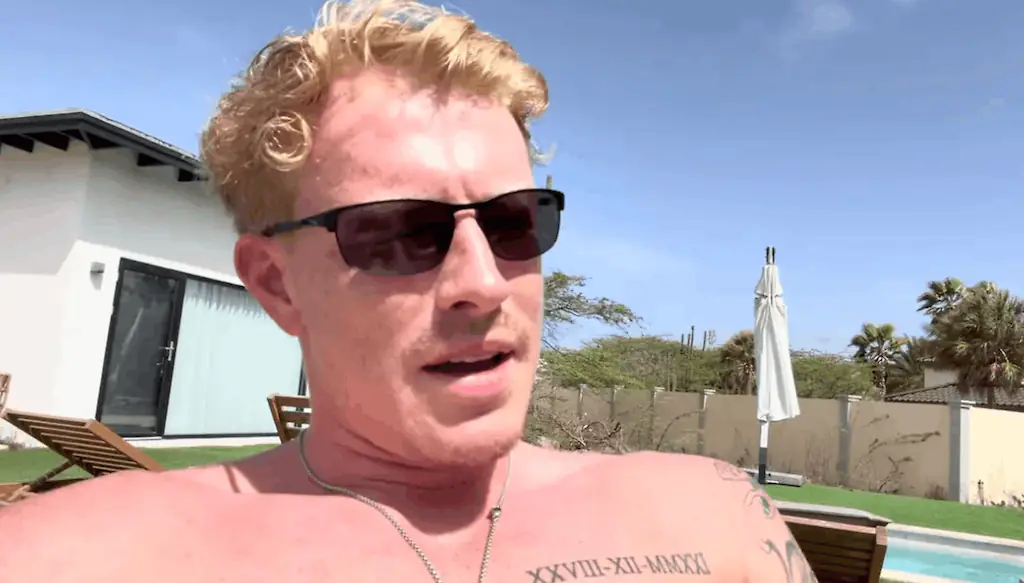
Influencer Jack Hopkins celebrated six months without alcohol and nicotine recently, after deciding to see what life would be like without the presence of substances to affect his brain chemistry.
He revealed how life has been without anything to "spike" his dopamine, explaining that the biggest difference he noticed was a physical change in the past six months.
Hopkins explained in a June YouTube video: "I have the best physique I've ever had in my life. I have the most motivation I've ever had in my life."
He then started to list all the positive ways sobriety impacted his mindset, instead of those linked to his body or physical well-being.
The British content creator claims he is more confident, motivated, and productive, finding new hobbies.
He added: "Life became so much easier; I wasn't losing days to hangovers anymore.
"Instead of thinking about going out drinking, I wanted to build things, work, exercise and actually get things done.
"I wake up hungry to achieve things.
"I get my dopamine from making videos, making money, travelling and doing adventurous things instead of alcohol."
"When you remove alcohol, nicotine and reduce caffeine, you're no longer relying on artificial dopamine.
"Things like working, exercising and achieving goals become naturally rewarding again," he explained.
The YouTuber went on: "Now I spend my weekends kite surfing, reading, travelling, going to the gym, learning new things."
He also said that you "don't actually need alcohol to enjoy life," which may have been a red flag in hindsight.
"I'm better with my friends. I'm better in relationships. I'm better with women because I'm no longer relying on alcohol for confidence."
Despite meeting up and partying with friends, he swerves the consequences of a hangover the next day.
He explained that while he craves things from time to time, he remains strong, saying: "I still think about drinking.
"I'll be travelling or see people having drinks and think about it, but then I remind myself why I stopped.
"I don't think I've beaten alcohol because that's the mindset that made me relapse before. I know I have to stay aware of it."
health3 min(s) read
Published 15:29 31 Dec 2025 GMT
Dry January is almost here, and it looks like 2026 is set to start booze-free for a lot of people. According to Alcohol Change, an estimated 17.5 million people are planning to take a month-long break from drinking at the start of the year.
For some, it’s a chance to reset after a Christmas filled with late nights and too many glasses of wine.
For others, it’s about saving money, boosting health, or fully embracing the “New Year, New Me” mindset.
Swapping pints for alcohol-free alternatives, skipping the Baileys in your hot chocolate, and turning down a post-work Guinness sounds simple enough.
But does taking a break from alcohol actually make a difference? And what happens if you decide to go all-in and make 2026 a sober year?
According to the Addiction Center, the benefits can start surprisingly quickly.
In the first couple of weeks, light to moderate drinkers often notice they feel more alert in the mornings, have better focus during the day, and suddenly have more time and energy to get things done.
That said, this stage can be tricky from a lifestyle point of view.
Many people realise just how much drinking is tied to routines like unwinding after work or socialising.
Experts suggest replacing that post-work drink with another activity, like a walk, the gym or even a non-alcoholic option.
For heavier or long-term drinkers, this period can be more challenging.
The Addiction Center warns that alcohol withdrawal symptoms such as anxiety, agitation and tremors can appear 12 to 24 hours after your last drink.
These symptoms tend to peak around 72 hours and usually ease off after three to four days.
Completing Dry January means you’ve officially gone a full month without alcohol.
During this time, your gut health can start to improve, your skin may look clearer and more hydrated, and many people report better quality sleep.
It’s also common to feel more energised and mentally sharper by the end of the month.
If Dry January turns into a longer break, the benefits really start to stack up.
According to the Addiction Center, people who stay sober for two to six months often lose weight, see improvements in memory and concentration, and feel more emotionally balanced.
Physical health improvements can include better blood pressure, improved heart health, more stable blood sugar levels and improved liver function.
Royal Free London also notes that after around four months without alcohol, your cancer risk can decrease significantly.
Reaching seven to nine months without drinking is a huge milestone.
By this point, your body and mind are likely close to a healthy baseline, and many people feel confident enough to explore new hobbies and routines.
This could mean trying new workout classes, getting into sober social activities, or learning how to manage triggers more effectively.
Making it through a full year without alcohol is no small feat.
The Recovery Village reports that more than 30 percent of people who attempt to quit drinking relapse within the first year.
Those who reach this milestone often notice higher overall happiness levels and a stronger sense of purpose.
According to the Addiction Center, this is also when people begin hitting long-term life goals, like saving money, progressing in their careers, or even supporting others on their own sober journeys.
Whether you’re trying Dry January or committing to a full year, the message is clear - your body and mind will thank you for it.
health4 min(s) read
Published 10:02 02 Oct 2025 GMT
A fitness coach who stayed sober for almost a year has revealed what happened the moment he broke his sobriety.
Dan Hancock, who goes by the handle @mentalhealth_pt on TikTok, gave up drinking in 2023 after years of alcohol-fuelled nights out.
Now a personal trainer and mental health advocate, Hancock said he is the "happiest and healthiest he has ever been" since going sober.
But at the 322-day mark of his sobriety, temptation crept back in.
In a six-minute TikTok clip shared in 2024, Hancock revealed that he was "feeling great, happy, very healthy," and that being sober "was the best decision" he's ever made.
He said that while he breezed through the first eight months of not drinking, things changed with the arrival of warmer weather, and this led to him "forcing himself to not drink" for about eight weeks - a new struggle he hadn’t expected.
"The sun was starting to come out, there was a change in seasons... That was such a deeply conditioned relationship in my head with picking up a drink," he told his followers.
As the cravings grew, Hancock began rationalising a return to casual drinking.
"I've developed so many skills, I have proven to myself that I have an on/off switch, I now can go and enjoy nights out sober," he explained. "So therefore, I should be able to go out and have one drink or two drinks, because I can do the extremes. So, surely I could do something in the middle."
He even began questioning whether he’d ever had a real issue with alcohol at all. "All of these reasons popping into my head were guiding me and encouraging me to pick up a drink again... I was having this debate in my head, this back and forth, for quite a while."
"In my head, it was quite a logical conversation I was having with myself, weighing up the pros and cons... [alcohol] had already won," he said.
Eventually, he gave in during a stag do with friends at the airport and got "wrapped up in the moment".
"For anyone who's been sober and thinking about picking up a drink again, I want you to hear what happened to me and how fast it happened," he said. "I had a drink and it was like a switch, honestly. It was like an on/off switch."
"That moment, as soon as I'd had that one drink, I knew where that night was going."
"Next thing I know, it's six in the morning the next day, and I'm sitting there with my mates on this couch," he shared.
Hancock said that he didn't "transport back into" who he was 12 months ago, when he decided to go sober. Instead, he went back to what he calls "the worst version of myself from six years before".
"I became that person again. Like that. That just shows you how quickly it happened," he told his followers.
Though disappointed with himself, Hancock said the experience ultimately reaffirmed his decision to stay sober.
"The positive was that [I decided] I'm not going to do this again," he said. "Now, I know that I can't stop. It's not for me, I should not drink, end of."
Even more surprising, though, he confessed that when he began to feel himself again after a few days of sobriety, he began to "crave a drink".
"How crazy is that? After not having that craving, impulse, or urge for a whole year. I immediately felt the craving again," he said.
Still, he isn’t beating himself up about it: "To realise and reinforce 100 percent that this is not for me. We can start fresh with a clean slate, knowing it's not for me, and also knowing that I've done it for a whole year before. And I can do it again."
Now, a year on from sharing the story, the personal trainer says he’s in a “completely different headspace” and remains fully committed to his sobriety.
health3 min(s) read
Published 15:09 01 Jan 2026 GMT
Dry January is almost here, and it looks like 2026 is set to start booze-free for a lot of people. According to Alcohol Change, an estimated 17.5 million people are planning to take a month-long break from drinking at the start of the year.
For some, it’s a chance to reset after a Christmas filled with late nights and too many glasses of wine.
For others, it’s about saving money, boosting health, or fully embracing the “New Year, New Me” mindset.
Swapping pints for alcohol-free alternatives, skipping the Baileys in your hot chocolate, and turning down a post-work Guinness sounds simple enough.
But does taking a break from alcohol actually make a difference? And what happens if you decide to go all-in and make 2026 a sober year?
According to the Addiction Center, the benefits can start surprisingly quickly.
In the first couple of weeks, light to moderate drinkers often notice they feel more alert in the mornings, have better focus during the day, and suddenly have more time and energy to get things done.
That said, this stage can be tricky from a lifestyle point of view.
Many people realise just how much drinking is tied to routines like unwinding after work or socialising.
Experts suggest replacing that post-work drink with another activity, like a walk, the gym or even a non-alcoholic option.
For heavier or long-term drinkers, this period can be more challenging.
The Addiction Center warns that alcohol withdrawal symptoms such as anxiety, agitation and tremors can appear 12 to 24 hours after your last drink.
These symptoms tend to peak around 72 hours and usually ease off after three to four days.
Completing Dry January means you’ve officially gone a full month without alcohol.
During this time, your gut health can start to improve, your skin may look clearer and more hydrated, and many people report better quality sleep.
It’s also common to feel more energised and mentally sharper by the end of the month.
If Dry January turns into a longer break, the benefits really start to stack up.
According to the Addiction Center, people who stay sober for two to six months often lose weight, see improvements in memory and concentration, and feel more emotionally balanced.
Physical health improvements can include better blood pressure, improved heart health, more stable blood sugar levels and improved liver function.
Royal Free London also notes that after around four months without alcohol, your cancer risk can decrease significantly.
Reaching seven to nine months without drinking is a huge milestone.
By this point, your body and mind are likely close to a healthy baseline, and many people feel confident enough to explore new hobbies and routines.
This could mean trying new workout classes, getting into sober social activities, or learning how to manage triggers more effectively.
Making it through a full year without alcohol is no small feat.
The Recovery Village reports that more than 30 percent of people who attempt to quit drinking relapse within the first year.
Those who reach this milestone often notice higher overall happiness levels and a stronger sense of purpose.
According to the Addiction Center, this is also when people begin hitting long-term life goals, like saving money, progressing in their careers, or even supporting others on their own sober journeys.
Whether you’re trying Dry January or committing to a full year, the message is clear - your body and mind will thank you for it.
health2 min(s) read
Published 15:56 01 Jan 2019 GMT
At the beginning of each new year, it is customary for people to set themselves one or more 'resolutions' for things they want to improve about their lives. For some of us, that might mean investing in a gym membership; for others, perhaps spending a little more time with our families.
After a festive season full of drinking, however, a lot of people will be giving up booze for a little while.
'Dry January', as it's come to be known, seems to be getting ever more popular with people who think that having a month off the sauce might do their liver some good. And, unsurprisingly, it does. What a lot of people might not realise, however, is that cutting out booze for just one month of the year can have a whole host of long-term positive effects on the body - and could actually be the one change that many people need in order to help with other health problems they've been dealing with.
In a study titled, "How 'Dry January' is the secret to better sleep, saving money and losing weight," the University of Sussex in the UK followed more than 800 people who gave up drinking during January 2018 as one of their new year's resolutions. Over the course of eight months, researchers tracked the drinking habits and health of participants and found that - astoundingly - just 31 days of abstinence was still having a positive effect on them more than half a year later.
According to the study's findings, "drinking days fell on average from 4.3 to 3.3 per week, units consumed per drinking day dropped on average from 8.6 to 7.1, [and] frequency of being drunk dropped from 3.4 per month to 2.1 per month on average."
More than that, though, 93 per cent of participants reported feeling "a sense of achievement", 88 per cent managed to save money, 70 per cent had generally improved health, and more than half of participants lost weight. A majority of people also reported having better skin, feeling more energetic, and experiencing better sleep.
Dr. Richard de Visser of the University of Sussex explained these results, saying:
"The simple act of taking a month off alcohol helps people drink less in the long term: by August people are reporting one extra dry day per week. There are also considerable immediate benefits: nine in ten people save money, seven in ten sleep better and three in five lose weight.
"Interestingly, these changes in alcohol consumption have also been seen in the participants who didn't manage to stay alcohol-free for the whole month - although they are a bit smaller. This shows that there are real benefits to just trying to complete Dry January."
"The brilliant thing about Dry January is that it's not really about January," saidDr. Richard Piper, CEO of Alcohol Change UK. "Being alcohol-free for 31 days shows us that we don't need alcohol to have fun, to relax, to socialise. That means that for the rest of the year we are better able to make decisions about our drinking, and to avoid slipping into drinking more than we really want to."
So, if you were still looking for something to give up for the New Year, why not give Dry January a try? You've got nothing to lose.
weird4 min(s) read
Published 13:44 24 Oct 2025 GMT
Most people joke about how long they'd last in a dry spell - whether that's unintended or taking part in something like “No Nut November,” but few actually stick with it, and perhaps that’s for the best, given the concerns experts sometimes raise.
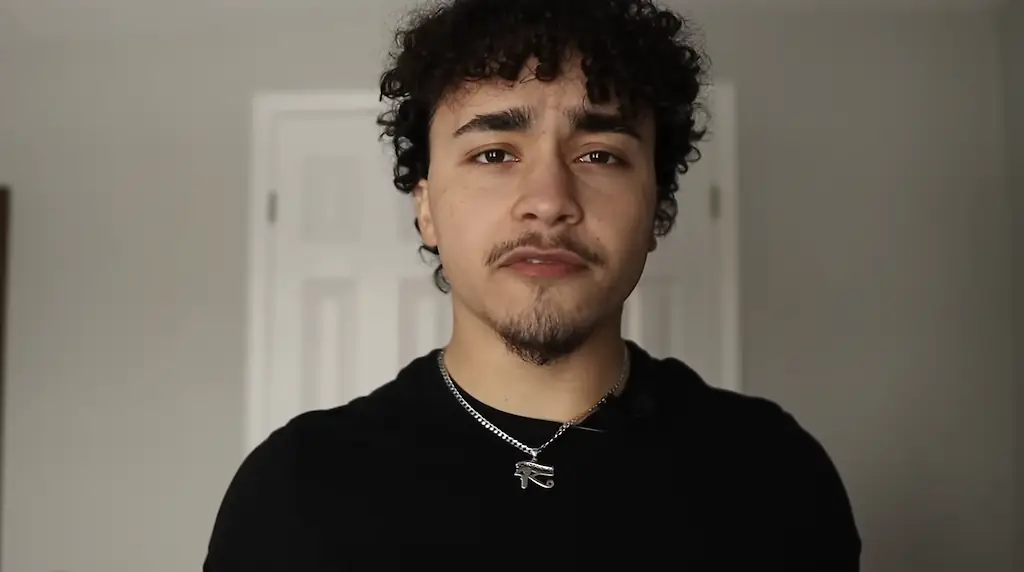
But YouTuber Pierre Dalati took things further, committing to a full year of abstinence from masturbation, and shared the surprising changes he experienced.
Dalati’s approach, commonly known as “No Fap,” usually refers to abstaining from pornography while also limiting masturbation. In his case, he decided to give up masturbation entirely.
He explained that it’s not the act itself that’s inherently harmful, but the excessive consumption of porn, which can create an “unrealistic approach” to sexual behavior.
In his now-viral video (which received a whopping 2.2 million views) Dalati reported several positive effects after committing to a year without masturbation:
He admitted the first two weeks were the most difficult, as he experienced constant urges and a “drive through the roof.” But once he passed that stage, the benefits became noticeable.
Despite the positive changes, Dalati stressed that he doesn’t believe masturbation is inherently bad if done in moderation. He suggests listening to your body and only engaging when there’s a natural urge rather than making it a daily habit.
He also noted he didn’t measure his testosterone levels but speculated they might have increased due to his heightened focus and strength in workouts.
Dalati concluded that abstaining from masturbation offered a “good experience” and provided a new outlook on daily life. With increased energy, mental clarity, and productivity, he found he could accomplish more each day.
“I think it’s definitely a good experience for everyone,” he said. “It gives you a new perspective on a day-to-day basis, and the benefits really show in how much more you can do in your day.”
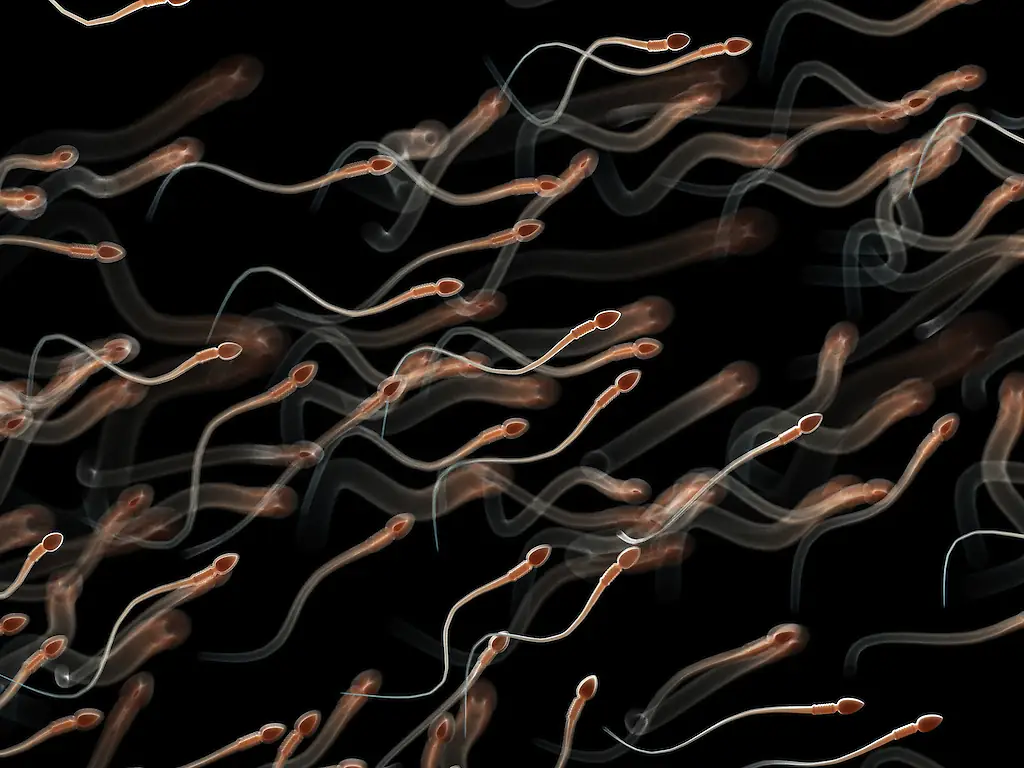
It comes (no pun intended) as a graphic simulation revealed what actually happens to sperm that doesn't get ejaculated.
Men start producing sperm shortly after they reach double figures in age and continue doing so for the rest of their lives. In fact, millions of sperm cells are produced in the testicles every day.
According to Clear Blue, this all starts inside the testicles within a network of tiny tubes called the seminiferous tubules, which house germ cells.
Under the influence of hormones such as testosterone, these germ cells transform into sperm. As they grow, the cells divide and slowly take on the “tadpole” shape that most people associate with sperm.
The full journey from germ cell to fully mature sperm cell capable of fertilising an egg takes around 2.5 months.
While that may sound like a long process, the male body is constantly producing sperm, meaning a healthy male will not run out, even if he ejaculates several times a day.
A simulation on the YouTube account Dr. Smurf claims to show how the body handles the situation.
The epididymis, the tube connected to the testicles, has a lining that breaks down old sperm cells.
The protein and nutrients from dead sperm are reabsorbed and repurposed to create other cells in the body, including new sperm cells.
In other words, the body runs a recycling system: Old sperm is broken down, its structural components, including enzymes, zinc, and fructose, are reclaimed, and the materials are reused.
Depending on where it is, sperm can stay alive for differing amounts of time. If it isn’t reabsorbed into the body, it can be released via a nocturnal emission, commonly known as a wet dream, according to Medical News Today.
Heathline notes that there do not appear to be any risks associated with not releasing sperm via ejaculation.
However, research has explored a potential link between ejaculation frequency and prostate cancer.
Many factors can contribute to cancer risk, but a Harvard study discovered that among men who ejaculated most each month, their risk of prostate cancer was 31 percent lower.