ADVERT
US3 min(s) read
The new hit Netflix true crime docuseries, Idaho Murders: College Nightmare, has drawn renewed attention to the mass murder of four college students at the University of Idaho, but several key details have been missed out.
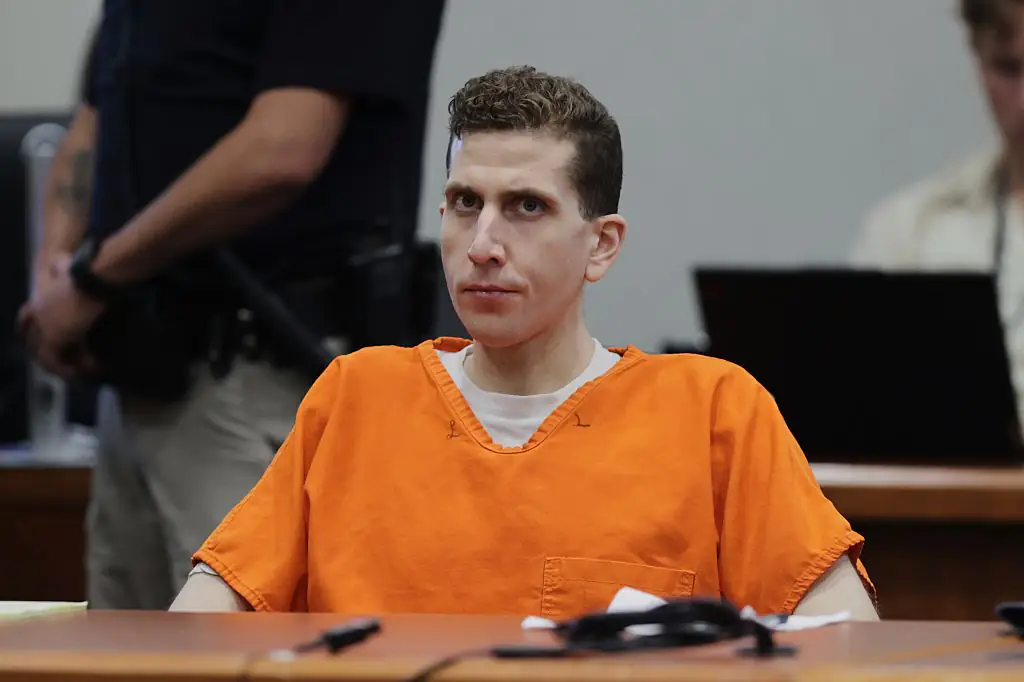
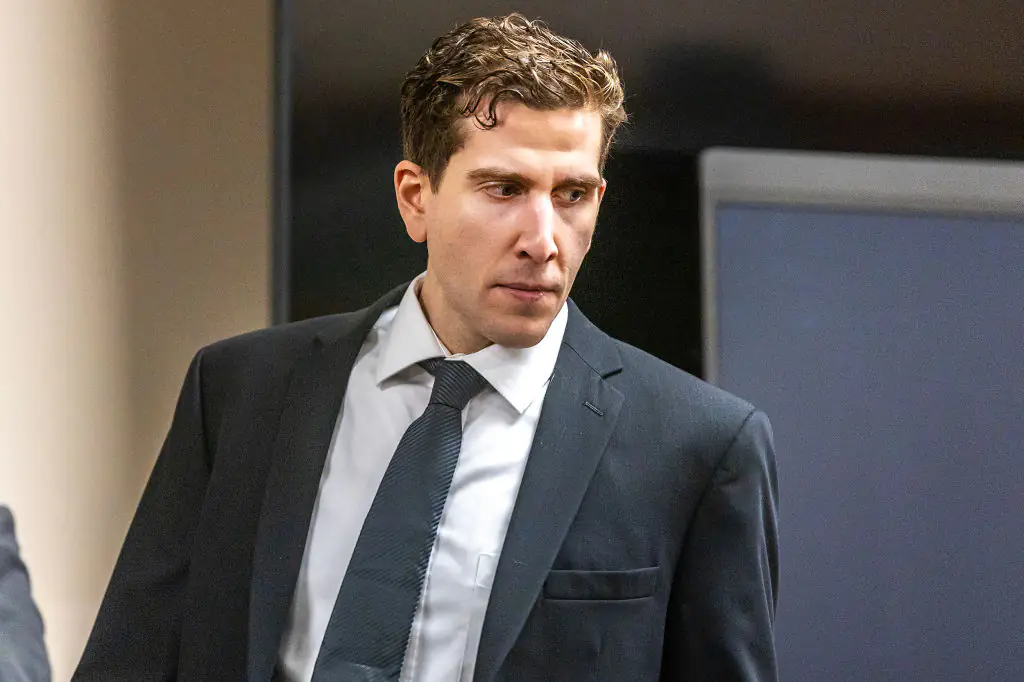
Bryan Kohberger was convicted of the murders of Ethan Chapin, Kaylee Goncalves, Madison Mogen, and Xana Kernodle in July, 2025.
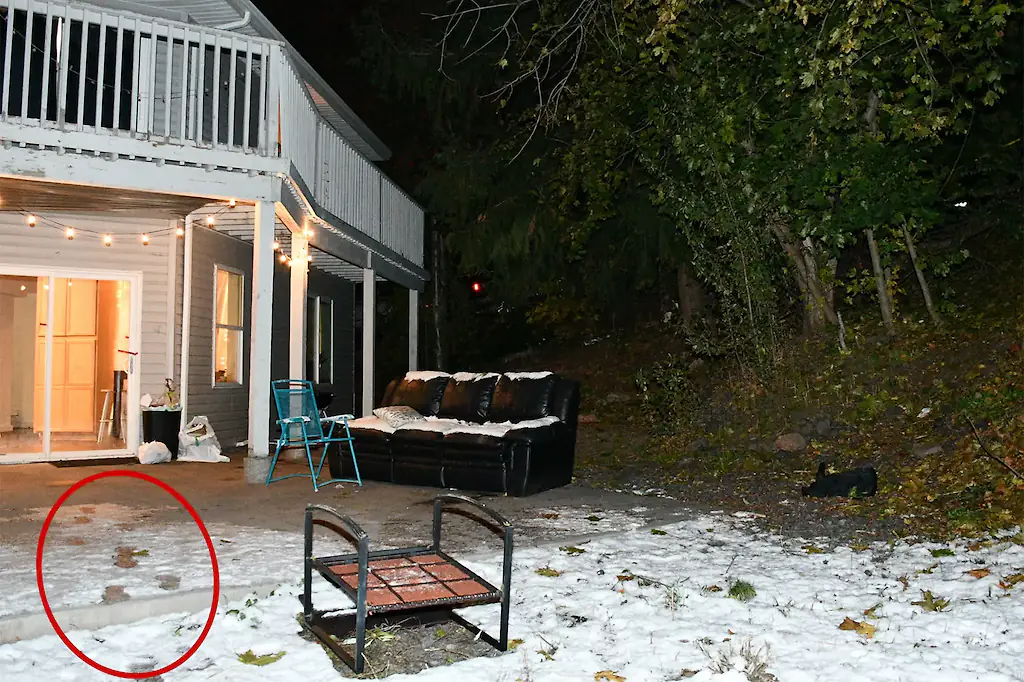
Kohberger, who was a mature student at the University, broke into the victims’ house and brutally stabbed them to death.
The three-part docuseries delves into Kohberger’s crimes, and the subsequent investigation by law enforcement.
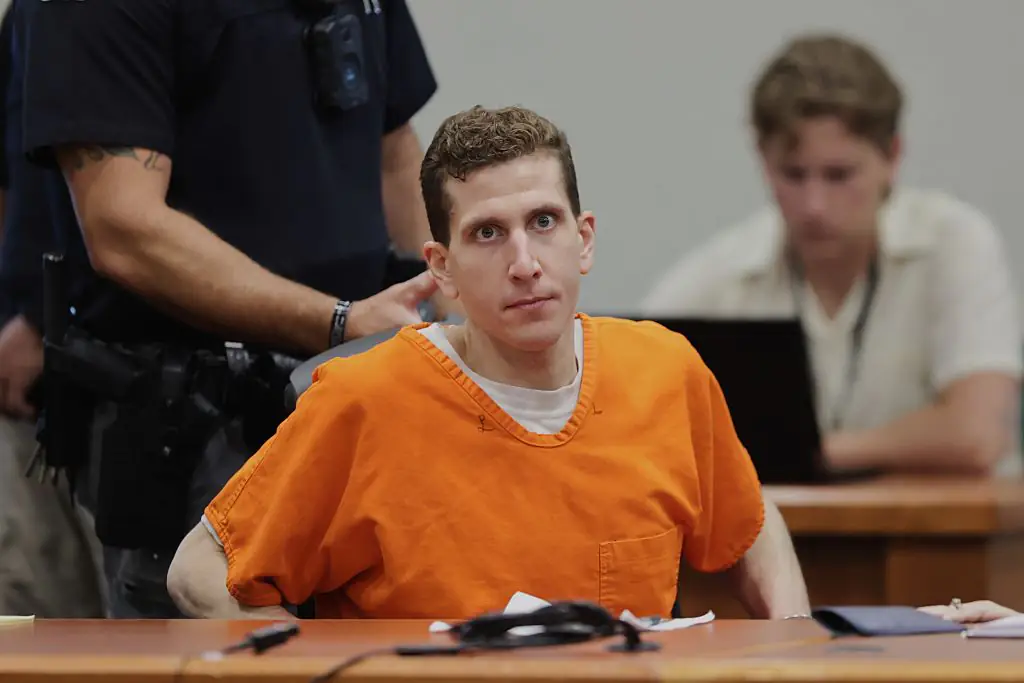
Then 30, Kohberger accepted a guilty plea deal in return for avoiding the death penalty. Consequently, he was sentenced to four consecutive life terms, as well as an additional ten years for burglary, though he has since stated he plans to overturn the guilty plea.
Speaking to the New York Times, Kohberger said: “My actual innocence is my truth, and the plea, hinged on by false promises and blatant misinformation, must be withdrawn.”
Understandably, the docuseries has received increasing scrutiny around the facts of the murder, with several key details missed out.
An interview with Kohberger’s former professor revealed that the murderous felon had “sexist” and “creepy” tendencies, gaining a reputation for being as such from students and faculty members.
His propensity towards sexist and creepy behavior was disclosed in a report viewed by the Associated Press, with a University of Washington faculty member claiming he believed that if Kohberger were ever to become a professor he would likely abuse his students.
She claimed: “Mark my word, I work with predators, if we give him a PhD, that’s the guy that in that many years when he is a professor, we will hear he is harassing, talking, and sexually abusing… his students at wherever university.”
The faculty member even went to the extent of warning their colleagues, and suggesting they remove him from the criminology course.
In addition, the school received nine individual complaints from faculty, staff, and students about his reported “rude and belittling behaviour towards women.”
While at Washington State University, two women alleged that Kohberger had been stalking them for months before he carried out the killing of four of his fellow students.
On one occasion, one of the women reported that “[S]he was home alone one night, changing in her room, and someone knocked on her window.
“Another time, after she had started working she heard someone moving around on her porch at approximately 7:00 in the evening.”
A second woman, who was an undergraduate who worked in the WSU criminology department, said he had made numerous advances, despite her telling him she was a lesbian.
She revealed how Kohberger sought her out at her place of work “almost daily,” and that other people told her “she was not the first person to have problems with Kohberger.”
During a 2023 interview, another report from a neighbor of Kohberger, claimed that the callous killer had brought up the murders in conversation just a few days after they took place.
They said: “He brought it [the murders] up in conversation”, “[he] asked if I heard about the murders, which I did. And then he said, ‘yeah seems like they have no leads.
“Seems like it was a crime of passion.”
They added: “At the time of our conversation, it was only a few days after it happened so there wasn’t much details out.”
us7 min(s) read
us2 min(s) read
us4 min(s) read
us3 min(s) read
us4 min(s) read
Here are some key details that weren't included in Netflix crime documentary The Idaho Murders: College Nightmare.
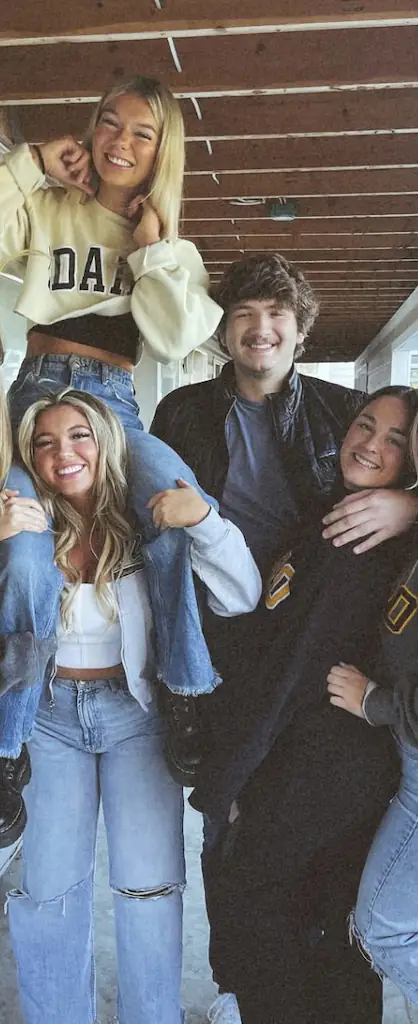
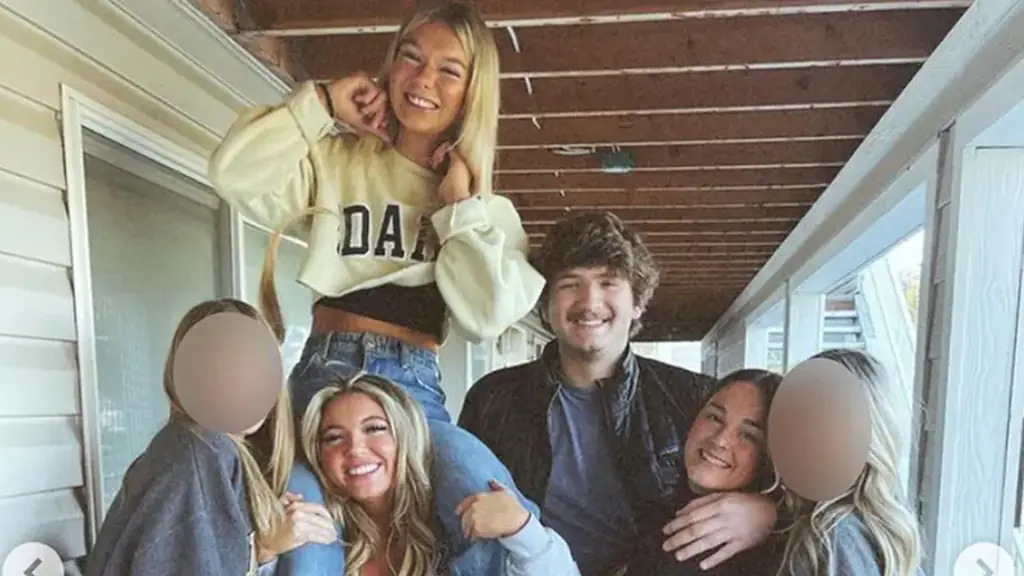
The title explores the horrific murders of four University of Idaho students: Madison May Mogen, Kaylee Jade Goncalves, Xana Alexia Kernodle, and Ethan James Chapin in their home.
As part of the crime doc, there is never-before-seen evidence, including bodycam footage of one of the two survivors speaking to police about what happened.
Bryan Kohberger, who is serving four life sentences for the crime, has been attempting to withdraw the guilty plea that spared him from standing trial, as well as the death penalty.
While he has claimed that key evidence proves that he is innocent, the convict is still behind bars after pleading guilty to one charge of burglary and four counts of first-degree murder in exchange for not facing the death penalty.
The students were stabbed at least 150 times in the early morning hours of November 13, 2022, in their off-campus property, according to a supplemental filing from prosecutors.
Despite the detail in the doc, here are eight things that weren't included in the final cut.
Speaking to Moscow Police Department, surviving roommate Dylan Mortensen admitted that Goncalves thought she was being followed for weeks before her death.
She remembered her late roommate seeing a dark figure while she was walking her dog a month prior.
While interviewees said that the convict's phone only had 18 contacts on it and few apps, a source close to the investigation claimed that Kohberger had photos of one of the female victims, while an account that appeared to belong to him followed Goncalves, Mogen and Kernodle on Instagram.
The source claimed: “He had more than one picture of her, it was clear that he was paying attention to her.”
It was also claimed by an ex-employee that he visited the restaurant Kernodle and Mogen worked at, while experts claimed that he had likely been in their home before the killings.
Mortensen said that two weeks before the incident, she and her roommates came home to find the front door open and their washing machine running.
While the documentary spoke about complaints against Kohberger, it did not mention the two women who accused him of stalking them at their homes and a third of following and harassing her at her job.
A police report obtained by PEOPLE revealed that an exotic dancer claimed a man who she thought was Kohberger came into the club where she worked, and made an unnerving comment.
She said that while she was performing on the main stage, she could hear Kohberger speak about “killing people.”
The dancer jokingly asked him who he would kill, and he replied, “Whoever I want.”
She added that during a private dance, he told her to look into his eyes while he asked her questions about where she lived and what car she drove.
The Netflix doc spoke of his online posts about having visual snow syndrome, a condition that can impair vision, but there was nothing about his alleged mental health diagnoses.
In a June 2025 court filing, Kohberger wrote that he was diagnosed with autism spectrum disorder (level 1), attention deficit hyperactivity disorder (ADHD), obsessive compulsive disorder (OCD) and avoidant/restrictive food intake disorder (ARFID), as per the publication.
He noted that he was only taking levothyroxine as medication - a drug usually prescribed for hypothyroidism.
Kohberger's phone records showed that he didn't talk to anyone except his family, but the doc didn't detail that he called his mother less than two hours after stabbing Chapin, Goncalves, Kernodle and Mogen to death.
According to Heather Barnhart, the digital forensics expert who led the team that went through Kohberger's phone and hard drive, told People that Kohberger called mom Maryann from home, but she didn't pick up.
After he messaged his dad asking about this, his mother picked up at 6:17 AM and spoke for 36 minutes.
He called her again on 8:03 AM when he was on his way back to the crime scene, where they spoke for 54 minutes.
After 10 minutes at the property, he returned to his residence, calling his mom again at 9 AM, 4:05 PM, and then finally at 5:53 PM for 96 minutes, totalling over three hours of conversation on the day of the murders.
The killer switched his vehicle registration from Pennsylvania to Washington on Nov. 18, 2022, making his vehicle harder for investigators to link with the crime.
While reportedly speaking with a DMV employee while changing license plates, she said that she liked how safe and quiet the area was, but since the murders of the students, she didn't feel safe anymore.
Kohberger would remain quiet and change the subject, while other video footage shows him trying to shop at a Costco, though he was turned away as he didn't have a membership.
Days after the killings, Kohberger was late to one of his classes at WSU, emailing a professor about missing another.
Some of his WSU classmates noticed cuts on his hands, with students noting that he gave different excuses to explain the injuries, as he told one he was a boxer, another that he was in a car accident, and another that he suffered an “indoor accident.”
Idaho State Police said this was likely from Kernodle's struggle.
Before pleading guilty to aoid the death penalty, the convict allegedly planned to blame three friends of the victims and a relative stranger for the murders.
A court order from Ada County District Court Judge Steven Hippler detailed that three of the unnamed people "were each socially connected to one or more of the victims, interacted with one or more of the victims at social events in the hours prior to the homicide, lived within walking distance of the crime scene and were familiar with the layout of the victims’ home from prior social events."
It further detailed that the fourth person was a man who encountered one of the female victims while shopping around a month before the killings.
“He followed her briefly out the exit of the store while considering approaching her to talk. He turned away before ever speaking to her,” it read.
The order further stated that Kohberger was prohibited from naming the individuals as possible suspects as their proximity to the crime scene "is not probative evidence given that the perpetrator drove vehicle to the crime scene."
They also noted that "none of these individuals drove a vehicle matching the description of the suspected killer’s."
When police were surveilling Kohberger's parents' home in December 2022, his download and search history showed that he may have been feeling paranoid.
Barnhart said that her searched for 20 different serial killers on Christmas Day that year, and four days later, he read a New York Times article about the search for the owner of a 2011-2013 Hyundai Elantra.
He then looked up terms like "auto detailing shop" before searching for used cars in his area, before searching for “psychopaths paranoid” and “wiretapping.”
he also downloaded news articles about University of Idaho parking permits for Hyundai Elantras, in addition to daily updates from the Moscow Police Department.
Barnhart acknowledged that Kohberger was good at covering his online footprint and clearing data, but he hadn't scrubbed his phone before his arrest in the early hours of December 30, 2022.
The murders of four University of Idaho students have created headlines again following the release of the show The Idaho Murders: College Nightmare, four years after the brutal killings took place.
Bryan Kohberger, who was convicted of the murders of Kaylee Goncalves, Madison Mogen, Ethan Chapin, and Xana Kernodle and sentenced to four life terms back in July 2025, broke into their house and stabbed them to death, it was revealed last year.
The show, which is revisiting the tragic events, draws on evidence, including witness accounts and police interviews, to examine the case in all its gory and harrowing detail.
Kohberger, a mature PhD student at the same university, was 28 years old at the time of the murders, killing four of the six housemates who resided in their off-campus residence in Moscow, Idaho.
Kohberger pleaded guilty to all four counts of murder in a reported plea deal, which secured his conviction, ensuring that he would avoid the death penalty.
Following the release of the gruesome details of the case that shocked both the state and the country as a whole, and there are questions that remain unanswered, according to the families of the victims.
Kaylee’s aunt, Tami, claimed, “He got off, in a sense, in our eyes, easy,” because when the judge asked if he committed the crimes, all he had to say was, “Yes.”
“That’s not enough,” she added.
“The biggest answer I want is why. Why would you choose these kids, and this house.”
Another asked, “Tell all of us parents why he did it, if he was gonna get the plea.”
“What I want is for him to die. Justice would be if the kids came back … they’re never coming back, but I want him to die,” Kristi Goncalves, Kaylee’s mother, said.
As yet, the motive behind the fatal attacks has remained a mystery to investigators, but with Kohberger filing a petition to overturn his guilty plea on the grounds that it was a “false plea”, and claiming that he was “advised to lie”, the parents’ painstaking wait for answers is likely to carry on.
Netflix has released a documentary on the gruesome Idaho student murders, and a survivor recalled what he heard killer Bryan Kohberger say during his attack.
The crime doc features never-before-seen evidence, which includes bodycam footage of one of the two survivors speaking to police about what happened.
It's titled The Idaho Murders: College Nightmare, and the title was officially released on the streaming platform today (July 29).
The doc follows Bryan Kohberger's murders of four University of Idaho students: Madison May Mogen, Kaylee Jade Goncalves, Xana Alexia Kernodle, and Ethan James Chapin in their home.
Kohberger, who is serving four life sentences for the crime, is now attempting to withdraw the guilty plea that spared him from standing trial, as well as the death penalty.
But now, two of the victims' housemates have spoken out about hearing Kohberger in their home and hearing him speak.
Dylan Mortensen and Bethany Funke survived the attack, where Kohberger stabbed four students to death.
The 30-year-old admitted to the killings in July 2025 as part of a plea agreement that avoided the possibility of being put to death and provided favorable living conditions.
In the new documentary, there is police bodycam footage of Dylan speaking to a police officer, speaking about a man dressed in black in the home.
She explained: "I was in my room, and I was trying to go to bed and I heard Kaylee go upstairs. Like ‘Ok, I’m going to go to sleep now. She’s going upstairs.’
"And then all of a sudden I heard her scream. And she ran downstairs cause she saw someone."
Dylan further recounted: “I called her name, but I jumped up and locked my door because I was so scared. And then I heard her go in... I think it was the bathroom. And I remember her sobbing.
"I remember hearing this guy’s voice that I didn’t recognise saying, ‘You’re going be ok, I’m gonna help,’” the survivor recalled.
Dylan then opened the door to look for her housemates, as they didn't respond to calls, remembering seeing a "guy pass by" who looked at her, but didn't say anything.
She told police in an affidavit that he was in a mask and black clothing, while being in "frozen shock phase" when he walked past.
Kohberger has filed a petition for post-conviction relief in Idaho's Ada County District Court, arguing that his conviction should now be overturned.
Court records now show Kohberger is representing himself in the filing.
According to documents obtained by NBC News, Kohberger claims his defense team provided "ineffective" legal representation and alleges he was "convinced to falsely confess" to murders he insists he did not commit.
He further argued that he was led to believe whether he was actually guilty was irrelevant when deciding whether to accept the plea agreement.
In the filing, Kohberger claimed he was "advised to lie" and told he would secure a "legal victory" by entering what he described as a "false plea".
The claims mirror remarks Kohberger recently made during an interview with The New York Times, where he again maintained his innocence and argued he had been manipulated into pleading guilty.
"My actual innocence is my truth, and the plea, hinged on by false promises and blatant disinformation, MUST be withdrawn," he said in a statement provided to the newspaper.
Kohberger also dismissed prosecutors' version of events, describing it as a "myopic narrative" and a "work of fiction."
Theories have emerged, suggesting the reasoning behind murderer Bryan Kohberger's decision to target this particular student house in Moscow, Idaho, for his crimes.
Just last week, Netflix crime documentary The Idaho Murders: College Nightmare was released, bringing never-before-seen evidence to light for the first time.
It brought renewed attention to the horrific murders of four University of Idaho students: Madison May Mogen, Kaylee Jade Goncalves, Xana Alexia Kernodle, and Ethan James Chapin in their home, on November 13, 2022.
A year on from being handed four life sentences for the crime, Bryan Kohberger has attempted to withdraw the guilty plea that spared him from standing trial, as well as the death penalty.
He has continued to claim that key evidence proves that he is innocent, but he remains behind bars after pleading guilty to one charge of burglary and four counts of first-degree murder, to avoid the death penalty.
But now, his motive has been suggested by the director of the Netflix crime doc.
Kohberger's heinous actions shocked many, as the four students were stabbed at least 150 times in the early morning hours in their off-campus property, according to a supplemental filing from prosecutors.
The murderer never revealed his motive, but The Idaho Murders: College Nightmare director, Skye Borgman, thinks that the house he targeted reveals the answer.
Speaking to Fox News Digital, the filmmaker said: "The fact that [this] was the house that he chose. This was a house that had five women living in it.
"The night that the murders happened, Xana Kernodle’s boyfriend, Ethan Chapin, was over, but really, this was a house full of women, and it seems quite clear that he targeted it.”
She added: “He watched the house; he was around the house in the days, weeks and months leading up to the murders,
“So, it seems pretty likely that he had a very low regard, if not hatred, for women,” Borgman suggested.
“It’s all conjecture, but he seemed to struggle with his relationships with women,” the director explained.
“And we look at this incel movement and the question of whether or not he was an incel, and whether or not he didn’t like women.
“It seems to me that there was a hatred of women there,” the documentary director claimed.
Interviews and accounts featured in the documentary, as individuals came out about disturbing interactions with the convict.
Prior to his arrest and sentencing, ex-classmate Lilly Karaban said he had a “his way or the highway” attitude and seemed to exist “in his own world.”
According to the Netflix doc, classmates said he was “not particularly well liked,” claiming that he often spoke down to women, guilty of “mansplaining” while also becoming argumentative or aggressive during interactions.
It supports Borgman's claims, while other students described him as "creepy" as he made them uncomfortable.
Moscow Police Chief Anthony Dahlinger said that "there were just strange incidents and strange behavior."
Gary Jenkins, the former Chief of Washington State University Police, said that one student remembered feeling cornered by Kohberger in an encounter, before she claims she was followed to her car.
Kohberger would lose his teaching assistant role as a result, as Jenkins explained that these incidents weren't reported top authorities as “nothing that occurred rose to the level of a crime.”
Bryan Kohberger has claimed, a year on from his sentencing, that a recent "discovery" may prove his innocence in the Idaho murders.
Back in July 2025, Kohberger was handed four life sentences for the murders of four University of Idaho students: Madison May Mogen, Kaylee Jade Goncalves, Xana Alexia Kernodle, and Ethan James Chapin in their home.
Renewed attention has been brought to the case following the release of Netflix crime documentary The Idaho Murders: College Nightmare on July 29.
But now Kohberger, who is serving four life sentences for the crime, is attempting to withdraw the guilty plea that spared him from standing trial, as well as the death penalty.
He has requested the withdrawal in a petition for post-conviction relief filed in Idaho’s Fourth Judicial District Court, as reported by People.
The convicted murderer wrote in the affidavit attached to his petition that his legal team didn't inform him of some key evidence that was turned over by prosecutors in plea discussions.
He suggests that this evidence would have changed his decision to plead guilty.
Kohberger wrote in the filing: “Namely, clumps of hair found in Ethan Chapin’s hands.”
According to a report from the Trace Evidence Unit at the Federal Bureau of Investigation in January 2023, results of laboratory testing on evidence found at the crime scene included this information.
The report detailed that debris was found in Chapin's right hand, as well as Kernodle's left hand, with their bodies found just mere feet apart.
It further added that the debris was “examined for hairs microscopically consistent with hairs in the head hair sample” from Kohberger, but this wasn't found.
A filing from his attorney, Anne Taylor, on June 6, 2025, detailed this just one month after Kohberger's plea deal was made with prosecutors.
The "clumps of hair" description isn't included in any filings or records, with it instead featuring in the book Broken Plea, which was written by former FBI agent Christ Whitcomb about the murders.
Kohberger's petition and affidavit bring up some of the same points made by the former federal agent, as he looked to find the reason for the “unexplained plea”.
Whitcomb has claimed since the release of his book in May that the “clumps of hair” in Chapin’s hand had not been tested, as Kohberger claimed there was a “failure of further inquiry” into this evidence.
A court document earlier this year revealed that a DNA expert named Ruth Ballard was hired by Kohberger's defense to test the debris in Chapin's hand.
She examined one hair from the right hand” of Chapin, finding it to be “morphologically consistent with Decedent Chapin’s own reference hair.”
It is unknown if Kohberger knew of these findings prior to the petition, or if he plans to claim that there were other samples of hair left untested by the FBI or experts.
He further argued that he was led to believe whether he was actually guilty was irrelevant when deciding whether to accept the plea agreement.
In the filing, Kohberger claimed he was "advised to lie" and told he would secure a "legal victory" by entering what he described as a "false plea".
The claims mirror remarks Kohberger recently made during an interview with The New York Times, where he again maintained his innocence and argued he had been manipulated into pleading guilty.
"My actual innocence is my truth, and the plea, hinged on by false promises and blatant disinformation, MUST be withdrawn," he said in a statement provided to the newspaper.