ADVERT
US7 min(s) read
Published 12:31 02 Aug 2026 GMT
Here are some key details that weren't included in Netflix crime documentary The Idaho Murders: College Nightmare.
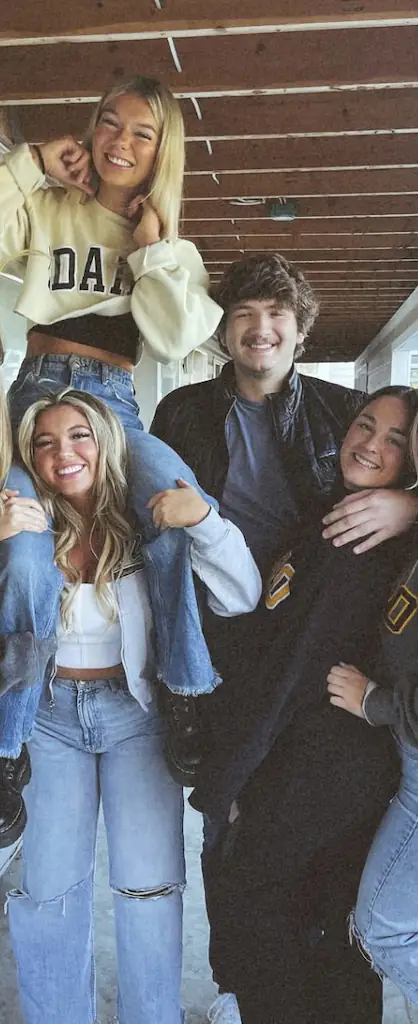
The title explores the horrific murders of four University of Idaho students: Madison May Mogen, Kaylee Jade Goncalves, Xana Alexia Kernodle, and Ethan James Chapin in their home.
As part of the crime doc, there is never-before-seen evidence, including bodycam footage of one of the two survivors speaking to police about what happened.
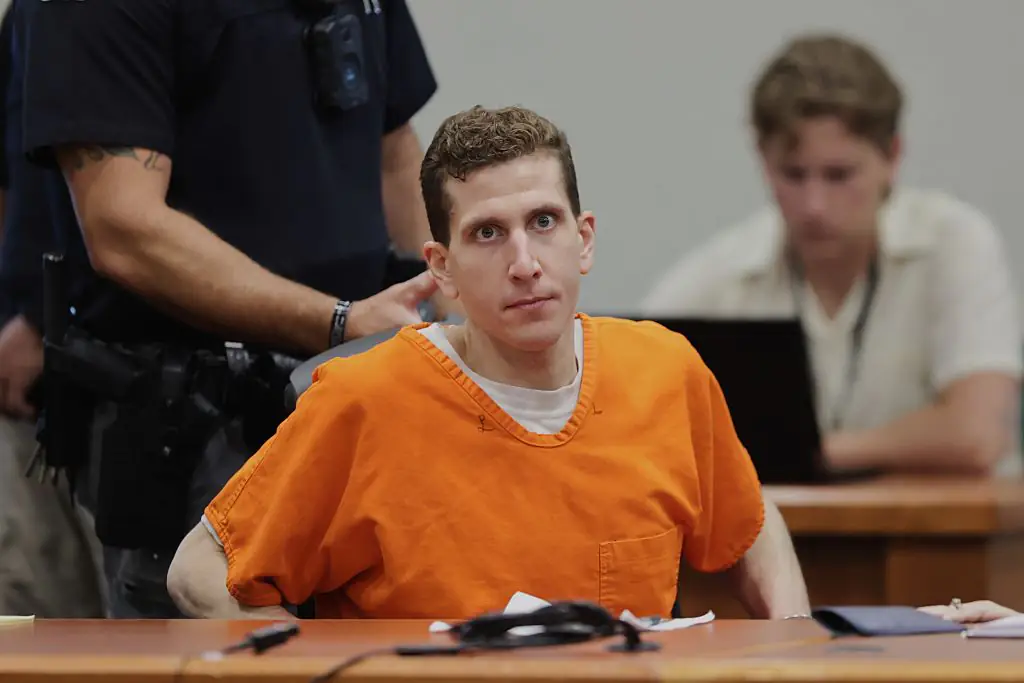
Bryan Kohberger, who is serving four life sentences for the crime, has been attempting to withdraw the guilty plea that spared him from standing trial, as well as the death penalty.
While he has claimed that key evidence proves that he is innocent, the convict is still behind bars after pleading guilty to one charge of burglary and four counts of first-degree murder in exchange for not facing the death penalty.
The students were stabbed at least 150 times in the early morning hours of November 13, 2022, in their off-campus property, according to a supplemental filing from prosecutors.
Despite the detail in the doc, here are eight things that weren't included in the final cut.
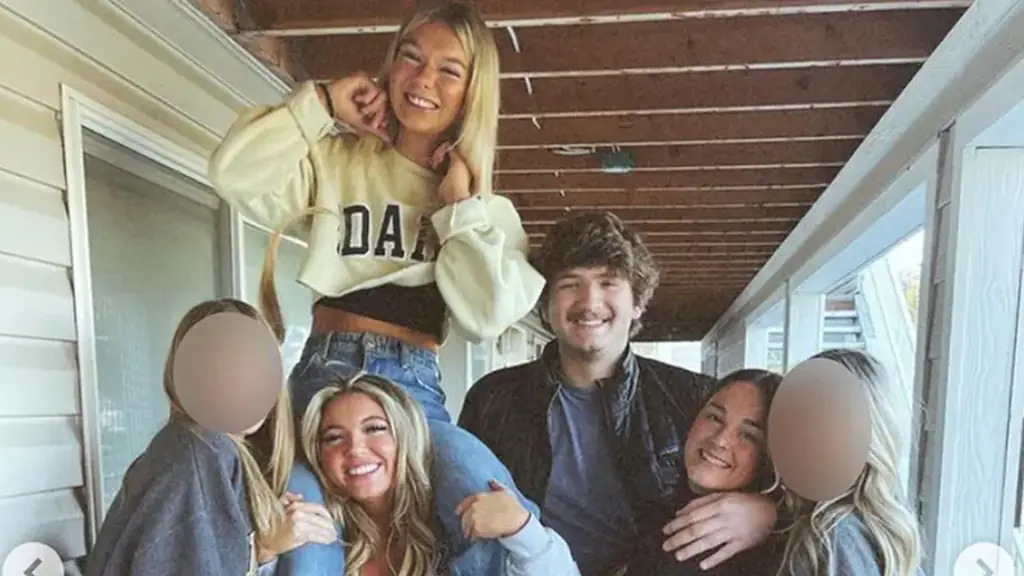
Speaking to Moscow Police Department, surviving roommate Dylan Mortensen admitted that Goncalves thought she was being followed for weeks before her death.
She remembered her late roommate seeing a dark figure while she was walking her dog a month prior.
While interviewees said that the convict's phone only had 18 contacts on it and few apps, a source close to the investigation claimed that Kohberger had photos of one of the female victims, while an account that appeared to belong to him followed Goncalves, Mogen and Kernodle on Instagram.
The source claimed: “He had more than one picture of her, it was clear that he was paying attention to her.”
It was also claimed by an ex-employee that he visited the restaurant Kernodle and Mogen worked at, while experts claimed that he had likely been in their home before the killings.
Mortensen said that two weeks before the incident, she and her roommates came home to find the front door open and their washing machine running.
While the documentary spoke about complaints against Kohberger, it did not mention the two women who accused him of stalking them at their homes and a third of following and harassing her at her job.
A police report obtained by PEOPLE revealed that an exotic dancer claimed a man who she thought was Kohberger came into the club where she worked, and made an unnerving comment.
She said that while she was performing on the main stage, she could hear Kohberger speak about “killing people.”
The dancer jokingly asked him who he would kill, and he replied, “Whoever I want.”
She added that during a private dance, he told her to look into his eyes while he asked her questions about where she lived and what car she drove.
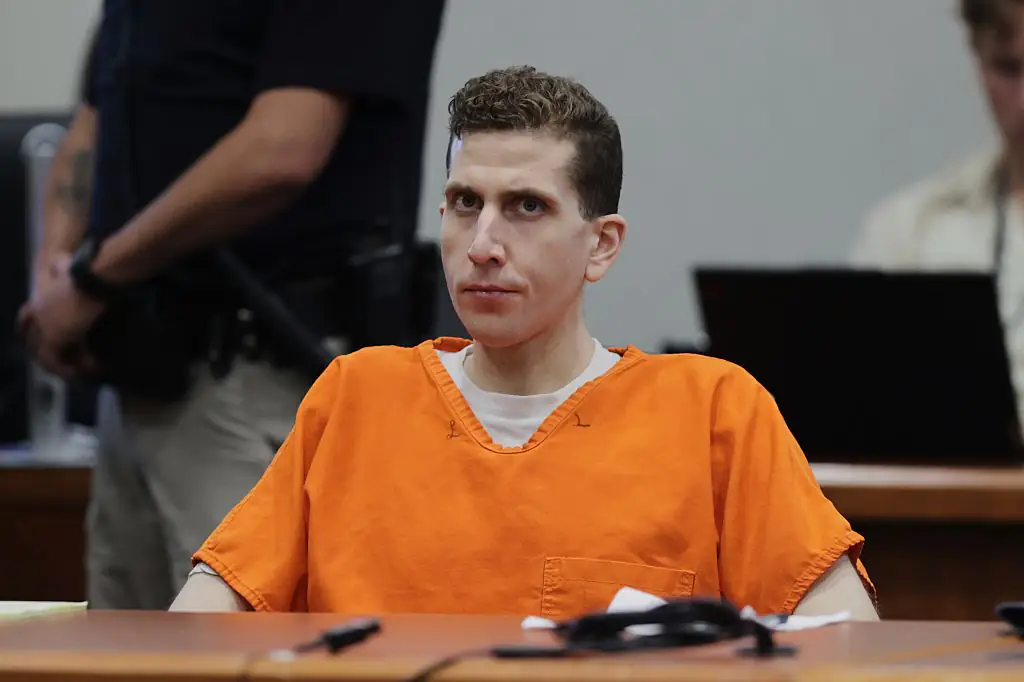
The Netflix doc spoke of his online posts about having visual snow syndrome, a condition that can impair vision, but there was nothing about his alleged mental health diagnoses.
In a June 2025 court filing, Kohberger wrote that he was diagnosed with autism spectrum disorder (level 1), attention deficit hyperactivity disorder (ADHD), obsessive compulsive disorder (OCD) and avoidant/restrictive food intake disorder (ARFID), as per the publication.
He noted that he was only taking levothyroxine as medication - a drug usually prescribed for hypothyroidism.
Kohberger's phone records showed that he didn't talk to anyone except his family, but the doc didn't detail that he called his mother less than two hours after stabbing Chapin, Goncalves, Kernodle and Mogen to death.
According to Heather Barnhart, the digital forensics expert who led the team that went through Kohberger's phone and hard drive, told People that Kohberger called mom Maryann from home, but she didn't pick up.
After he messaged his dad asking about this, his mother picked up at 6:17 AM and spoke for 36 minutes.
He called her again on 8:03 AM when he was on his way back to the crime scene, where they spoke for 54 minutes.
After 10 minutes at the property, he returned to his residence, calling his mom again at 9 AM, 4:05 PM, and then finally at 5:53 PM for 96 minutes, totalling over three hours of conversation on the day of the murders.
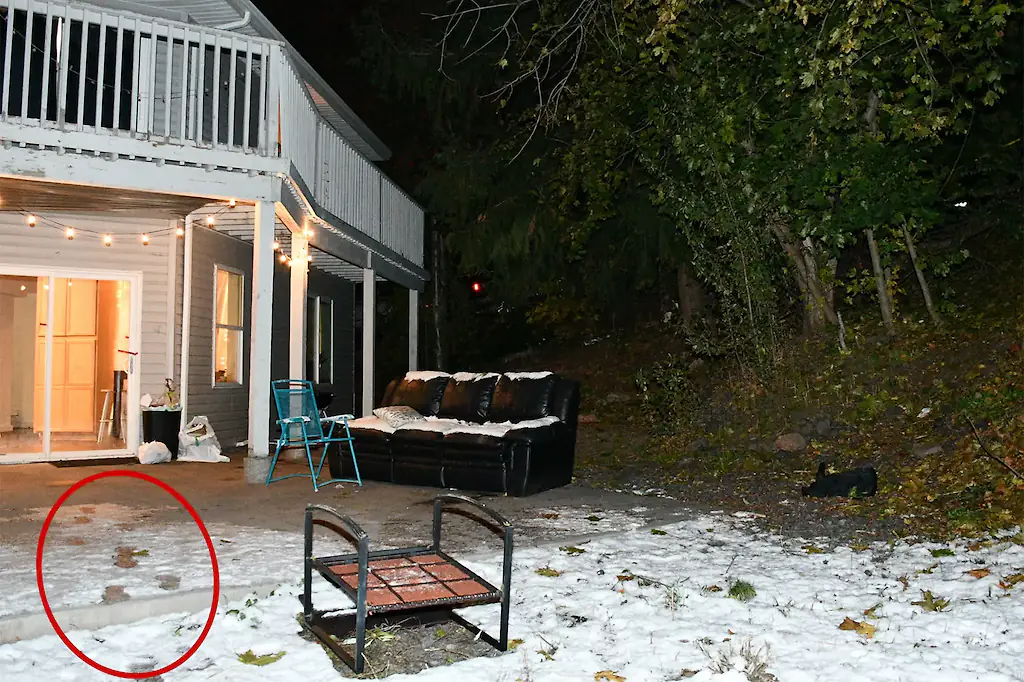
The killer switched his vehicle registration from Pennsylvania to Washington on Nov. 18, 2022, making his vehicle harder for investigators to link with the crime.
While reportedly speaking with a DMV employee while changing license plates, she said that she liked how safe and quiet the area was, but since the murders of the students, she didn't feel safe anymore.
Kohberger would remain quiet and change the subject, while other video footage shows him trying to shop at a Costco, though he was turned away as he didn't have a membership.
Days after the killings, Kohberger was late to one of his classes at WSU, emailing a professor about missing another.
Some of his WSU classmates noticed cuts on his hands, with students noting that he gave different excuses to explain the injuries, as he told one he was a boxer, another that he was in a car accident, and another that he suffered an “indoor accident.”
Idaho State Police said this was likely from Kernodle's struggle.
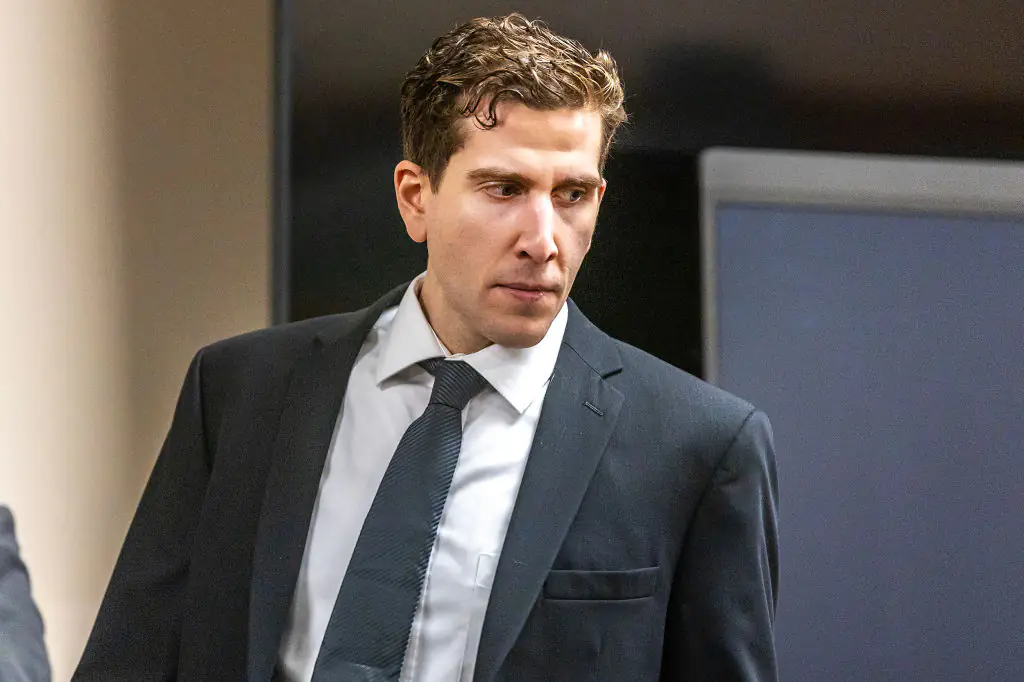
Before pleading guilty to aoid the death penalty, the convict allegedly planned to blame three friends of the victims and a relative stranger for the murders.
A court order from Ada County District Court Judge Steven Hippler detailed that three of the unnamed people "were each socially connected to one or more of the victims, interacted with one or more of the victims at social events in the hours prior to the homicide, lived within walking distance of the crime scene and were familiar with the layout of the victims’ home from prior social events."
It further detailed that the fourth person was a man who encountered one of the female victims while shopping around a month before the killings.
“He followed her briefly out the exit of the store while considering approaching her to talk. He turned away before ever speaking to her,” it read.
The order further stated that Kohberger was prohibited from naming the individuals as possible suspects as their proximity to the crime scene "is not probative evidence given that the perpetrator drove vehicle to the crime scene."
They also noted that "none of these individuals drove a vehicle matching the description of the suspected killer’s."
When police were surveilling Kohberger's parents' home in December 2022, his download and search history showed that he may have been feeling paranoid.
Barnhart said that her searched for 20 different serial killers on Christmas Day that year, and four days later, he read a New York Times article about the search for the owner of a 2011-2013 Hyundai Elantra.
He then looked up terms like "auto detailing shop" before searching for used cars in his area, before searching for “psychopaths paranoid” and “wiretapping.”
he also downloaded news articles about University of Idaho parking permits for Hyundai Elantras, in addition to daily updates from the Moscow Police Department.
Barnhart acknowledged that Kohberger was good at covering his online footprint and clearing data, but he hadn't scrubbed his phone before his arrest in the early hours of December 30, 2022.
us3 min(s) read
Published 16:24 29 Jul 2026 GMT
us3 min(s) read
us4 min(s) read
us2 min(s) read
us3 min(s) read
A new Netflix show has revealed chilling new details about the murders of four University of Idaho students, including why two surviving roommates didn't call police for hours and the lasting impact the case had on investigators.
The Idaho Murders: College Nightmare revisits the killings of four students, Kaylee Goncalves, Madison Mogen, Xana Kernodle, and Ethan Chapin, who were all stabbed to death in an off-campus home by PhD student Bryan Kohberger.
Kohberger later pleaded guilty and was sentenced to four consecutive life terms, although he has since attempted to withdraw his guilty plea.
Among the documentary's biggest revelations is the account of surviving roommate Dylan Mortensen, who recalled hearing one of her housemates say: "Someone's here," before locking herself in her bedroom because she was frightened.
"I locked my door, because I was so scared," she said, adding that she later heard a man say: "You're going to be OK. I'm gonna help." Mortensen said the words weren't reassuring, but delivered "in a weird way" and "in a weird tone".
The series also addresses why police weren't called until nearly eight hours later. Kaylee Goncalves' mother, Kristi, revealed she asked the coroner whether her daughter could have been saved if help had arrived sooner.
"The answer was no," she claimed.
The local Police Chief, Anthony Dahlinger, defended the surviving roommates, explaining: "People are in shock, it's traumatic. I mean, I can't imagine being of that age, and being able to comprehend that this horrific thing just occurred."
The documentary also explores Kohberger's interest in criminal psychology before the murders. Former classmate Lilly Karaban said he "adored" a serial killer course at university, while Kaylee's sister Alivea pointed to an alleged questionnaire Kohberger posted online asking convicted criminals questions including: "Why did you choose that victim or target over others?"
Looking back, she said it "almost seemed like preparation for the perfect crime."
The emotional toll extended beyond the victims' families. Dahlinger described the crime scene as "absolutely horrific" and admitted the investigation left him requiring therapy following the disturbing findings.
"It caused me a lot of trauma, to the point where I ended up having to get help and talk to a professional," he said, adding that seeking help is "a very difficult thing to do" for many law enforcement officers.
The show has been widely commended for its approach to detailing the events of the brutal murders, with the focus recognizing the impact it's had on the victims, rather than solely investigating Kohberger.
Published 11:49 29 Jul 2026 GMT
A new true crime show is revisiting one of America's most shocking murder cases in recent memory, which includes the haunting story of the two surviving housemates who remained inside the student home for hours after four University of Idaho students were fatally stabbed.
The Idaho Murders: College Nightmare explores the November 2022 killings of Madison Mogen, Kaylee Goncalves, Ethan Chapin and Xana Kernodle, who were murdered in an off-campus home in Moscow, Idaho.
The documentary joins Netflix's growing catalog of high-profile true crime releases, following documentaries covering cases involving Mackenzie Shirilla, Taylor Parker and 'Lilithistruth'.
Bryan Kohberger, then a 30-year-old PhD student, later admitted to carrying out the killings and was sentenced to four consecutive life terms in prison, but has recently launched an appeal, according to new court documents.
The documentary also examines the experiences of surviving roommates Bethany Funke and Dylan Mortensen, who were both inside the property during the attack.
According to Dylan, she woke after hearing noises upstairs and initially believed Kaylee Goncalves was playing with her dog after returning home from a night out.
She later recalled hearing what she believed was Kaylee shouting that there was a man inside the house.
Frightened, Dylan locked herself in her bedroom before hearing a male voice say: "It's okay. I'm going to help you."
When she later opened her bedroom door, she claims that she saw a man dressed entirely in black wearing a mask walking out of the house.
Investigators later identified him as Kohberger.
Dylan immediately began messaging Bethany, who was staying on the first floor, as the pair unsuccessfully attempted to contact Mogen, Goncalves, Kernodle and Chapin by phone.
With Dylan's phone battery running low, Bethany went upstairs to stay with her, and the two locked themselves inside the bedroom.
Several hours later, they called their friend Emily Alandt in a panic.
Emily arrived at the home alongside her boyfriend, Hunter Johnson, who discovered the bodies of Xana Kernodle and Ethan Chapin before contacting emergency services.
The documentary and previously unsealed court documents also shed light on why police were not called until around eight hours after the killings.
According to court records, Dylan later told investigators she didn't dial 911 because 'she was intoxicated and didn't want to believe what was going on.'
Bethany reportedly believed the disturbance may have been a prank involving members of Ethan Chapin's fraternity.
Addressing the students' delay in contact, Moscow Police Chief Anthony Dahlinger said: "We asked the question why did the roommates wait eight hours to call the police?"
He added: "There are so many reasons why you may not, people are in shock, it's traumatic - I mean I can't imagine, being of that age and being able to comprehend that this horrific thing just occurred."
Ahead of Kohberger's sentencing, both roommates delivered emotional victim impact statements in court.
Dylan told the court: "What happened that night changed everything. Because of him four beautiful, genuine, compassionate people were taken from this world for no reason."
She continued: "He didn't just take their lives. He took the light they carried into every room. He took away how they made everyone feel safe, loved, and full of joy."
Published 11:07 29 Jul 2026 GMT
Netflix has released a documentary on the gruesome Idaho student murders, and a survivor recalled what he heard killer Bryan Kohberger say during his attack.
The crime doc features never-before-seen evidence, which includes bodycam footage of one of the two survivors speaking to police about what happened.
It's titled The Idaho Murders: College Nightmare, and the title was officially released on the streaming platform today (July 29).
The doc follows Bryan Kohberger's murders of four University of Idaho students: Madison May Mogen, Kaylee Jade Goncalves, Xana Alexia Kernodle, and Ethan James Chapin in their home.
Kohberger, who is serving four life sentences for the crime, is now attempting to withdraw the guilty plea that spared him from standing trial, as well as the death penalty.
But now, two of the victims' housemates have spoken out about hearing Kohberger in their home and hearing him speak.
Dylan Mortensen and Bethany Funke survived the attack, where Kohberger stabbed four students to death.
The 30-year-old admitted to the killings in July 2025 as part of a plea agreement that avoided the possibility of being put to death and provided favorable living conditions.
In the new documentary, there is police bodycam footage of Dylan speaking to a police officer, speaking about a man dressed in black in the home.
She explained: "I was in my room, and I was trying to go to bed and I heard Kaylee go upstairs. Like ‘Ok, I’m going to go to sleep now. She’s going upstairs.’
"And then all of a sudden I heard her scream. And she ran downstairs cause she saw someone."
Dylan further recounted: “I called her name, but I jumped up and locked my door because I was so scared. And then I heard her go in... I think it was the bathroom. And I remember her sobbing.
"I remember hearing this guy’s voice that I didn’t recognise saying, ‘You’re going be ok, I’m gonna help,’” the survivor recalled.
Dylan then opened the door to look for her housemates, as they didn't respond to calls, remembering seeing a "guy pass by" who looked at her, but didn't say anything.
She told police in an affidavit that he was in a mask and black clothing, while being in "frozen shock phase" when he walked past.
Kohberger has filed a petition for post-conviction relief in Idaho's Ada County District Court, arguing that his conviction should now be overturned.
Court records now show Kohberger is representing himself in the filing.
According to documents obtained by NBC News, Kohberger claims his defense team provided "ineffective" legal representation and alleges he was "convinced to falsely confess" to murders he insists he did not commit.
He further argued that he was led to believe whether he was actually guilty was irrelevant when deciding whether to accept the plea agreement.
In the filing, Kohberger claimed he was "advised to lie" and told he would secure a "legal victory" by entering what he described as a "false plea".
The claims mirror remarks Kohberger recently made during an interview with The New York Times, where he again maintained his innocence and argued he had been manipulated into pleading guilty.
"My actual innocence is my truth, and the plea, hinged on by false promises and blatant disinformation, MUST be withdrawn," he said in a statement provided to the newspaper.
Kohberger also dismissed prosecutors' version of events, describing it as a "myopic narrative" and a "work of fiction."
Published 15:54 29 Jul 2026 GMT
The murders of four University of Idaho students have created headlines again following the release of the show The Idaho Murders: College Nightmare, four years after the brutal killings took place.
Bryan Kohberger, who was convicted of the murders of Kaylee Goncalves, Madison Mogen, Ethan Chapin, and Xana Kernodle and sentenced to four life terms back in July 2025, broke into their house and stabbed them to death, it was revealed last year.
The show, which is revisiting the tragic events, draws on evidence, including witness accounts and police interviews, to examine the case in all its gory and harrowing detail.
Kohberger, a mature PhD student at the same university, was 28 years old at the time of the murders, killing four of the six housemates who resided in their off-campus residence in Moscow, Idaho.
Kohberger pleaded guilty to all four counts of murder in a reported plea deal, which secured his conviction, ensuring that he would avoid the death penalty.
Following the release of the gruesome details of the case that shocked both the state and the country as a whole, and there are questions that remain unanswered, according to the families of the victims.
Kaylee’s aunt, Tami, claimed, “He got off, in a sense, in our eyes, easy,” because when the judge asked if he committed the crimes, all he had to say was, “Yes.”
“That’s not enough,” she added.
“The biggest answer I want is why. Why would you choose these kids, and this house.”
Another asked, “Tell all of us parents why he did it, if he was gonna get the plea.”
“What I want is for him to die. Justice would be if the kids came back … they’re never coming back, but I want him to die,” Kristi Goncalves, Kaylee’s mother, said.
As yet, the motive behind the fatal attacks has remained a mystery to investigators, but with Kohberger filing a petition to overturn his guilty plea on the grounds that it was a “false plea”, and claiming that he was “advised to lie”, the parents’ painstaking wait for answers is likely to carry on.
Published 10:31 06 Jun 2026 GMT
Further heartbreaking details have been revealed about the final moments of four University of Idaho students before they were killed by Bryan Kohberger.
In the early hours of November 13, 2022, Madison Mogen, Kaylee Goncalves, Xana Kernodle, and Ethan Chapin were killed when Kohberger broke into the property on King Road in Moscow, Idaho. Two roommates, Dylan Mortensen and Bethany Funke, were also in the property but were not harmed.
Now, almost a year after Kohberger pleaded guilty to the horrifying crimes as part of a deal to avoid the death penalty, further details have been shared from the students' autopsies.
The new documents, shared by CourtTV, reveal that Spokane County Chief Medical Examiner Dr. Veena Singh detailed that Mogen, Kernodle, and Goncalves "endured a high degree of pain and/or suffering prior to their deaths as a result of the injuries inflicted," and Chapin "also experienced a high degree of pain and/or suffering prior to his death as a result of the injuries inflicted but to a lesser degree than the other decedents.”
The report states that Mogen suffered 28 stab wounds, with 13 centered around her face and neck, with others injuring her lung and liver.
Chapin was also stabbed several times, with the report stating that while he had fewer injuries than the female victims, one stab wound to his neck reached a depth of 7 inches.
Kernodle's is the only autopsy that highlights that some of her injuries appeared to be defensive wounds, with they autopsy report stating that they "could be caused by Kernodle fighting and/or holding/touching the knife and/or hand that is holding the knife, causing the injury."
Goncalves' autopsy noted she not only suffered multiple sharp force injuries consistent with being stabbed in her scalp, face, neck, chest and upper extremities, similar to her three friends, but was also subjected to blunt force injuries and asphyxial injuries
She was the only one found with blunt force injuries, which caused bleeding around her brain and a nasal fracture, as well as bruises to her lower face, and one of her teeth was knocked out in the attack.
Singh also identified evidence that Goncalves had been suffocated, and that "an unidentified object was placed across Goncalves’ mouth."
The sharp force injuries were stated to be consistent with the Ka-Bar-style hunting knife that was found after Kohberger’s arrest, with the reports stating that Kohberger inflicted over 150 sharp-object injuries in less than 20 minutes.
Kohberger, who was a student at Washington State University at the time of the attack, is currently serving four consecutive life sentences in prison without the possibility of parole, plus 10 years for burglary.
He pleaded guilty as part of a plea deal which meant he avoided the death penalty, and also meant he was not required to reveal a motive for the murders.
The former criminology grad student is currently held at the Idaho Maximum Security Institution in Kuna, Idaho, where he is held in isolation for 23 hours a day, only being allowed out of his cell for an hour of exercise each day.