


US4 min(s) read
All of Baba Vanga's 2026 predictions that have come true so far

Bulgarian mystic Baba Vanga, who died in 1996, has lived on through her series of alleged predictions that continue to resurface whenever major global events unfold.
With 2026 already proving to be an extraordinary year, from unexpected political moments to war and rapid advances in AI, many believers have claimed some of her prophecies are playing out in real time.
However, because Baba Vanga rarely wrote down her predictions herself, many of the forecasts rely on followers' accounts rather than verified records, making it difficult to separate fact from myth.
Here's a look at the predictions people say she made for 2026, and how accurate they actually were...
Baba Vanga foresaw several accurate events
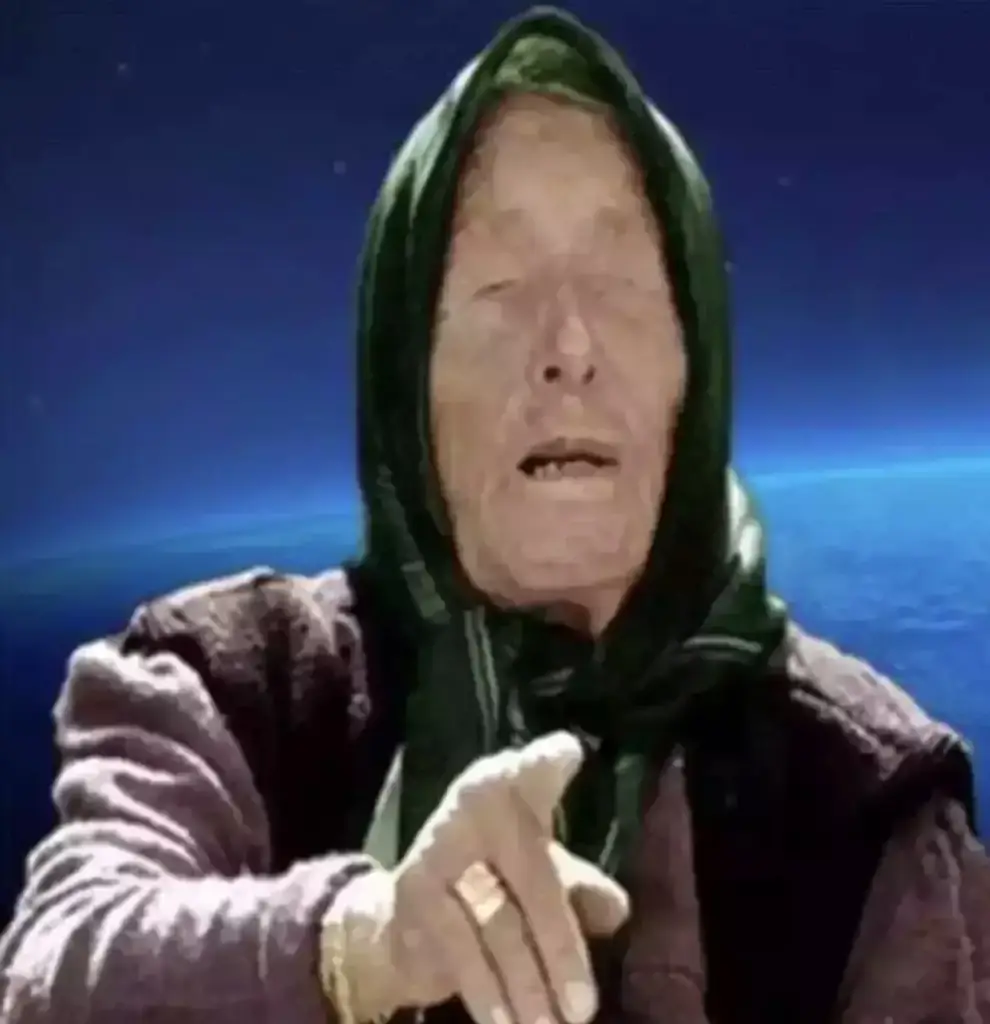
According to followers known in Russia as "Vangovats," Baba Vanga predicted that 2026 would bring a worldwide war.
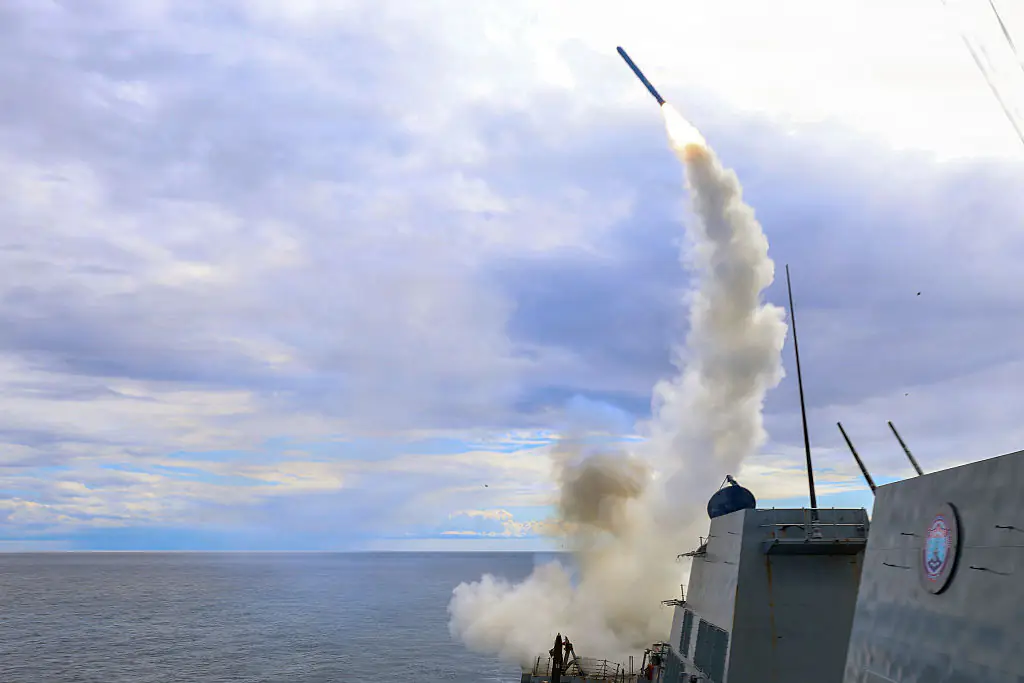
While her predictions didn’t explicitly foresee specific events, such as Iranian drone strikes, it has been argued that the prediction aligns with the growing instability seen across several regions this year.
War between the United States and Iran erupted during the first half of 2026, while wars in Eastern Europe and parts of Africa have continued. According to international conflict monitor War Watch, there are currently 34 active wars around the globe.
Despite this, military experts have rejected comparisons to previous world wars, pointing out that major powers are largely avoiding direct confrontation and instead engaging through proxy conflicts - drawing closer parallels to the Cold War than a third world war.
Another prophecy frequently linked to Baba Vanga suggests that natural disasters would become more severe during 2026.
However, the available data doesn't strongly support that claim.
Figures from the United States Geological Survey show there have been an average of 1,084 earthquakes each month this year. While that sounds significant, it would actually amount to around 13,008 earthquakes by year's end - more than 3,000 fewer than last year and the lowest annual total in over a decade if the trend continues.
Likewise, volcanic eruptions and major storms have not occurred at unusually high levels compared with previous years.
Although headlines recently focused on the second-largest megatsunami ever recorded in Alaska, the wave actually struck in the summer of 2025 and only came to light months later after researchers analysed the data.
Some of Baba Vanga's followers have also claimed she foresaw the emergence of artificial intelligence.
She has long been associated with references to "advanced technology faster than a human," a phrase many believe reflects today's AI systems capable of generating text, images and computer code.
However, researchers have questioned whether she ever actually made that statement, suggesting the quote may have originated from internet blogs rather than any credible historical source.
Interestingly, experts familiar with Baba Vanga's legacy say she reportedly anticipated that her own predictions would eventually be distorted.
Speaking to The Guardian, Ivan Dramov of the Bulgaria-based Baba Vanga Foundation said: "In general, she stated that her name would be misused. She said many times that people will use her name during her life and after her death."
Not every prophecy was correct

Not every event in 2026 appears to fit the prophecies attributed to Baba Vanga.
Despite often being linked to sporting predictions, she famously made an incorrect forecast about the finalists of the 1984 World Cup, there were no widely circulated predictions connected to this year's biggest sporting moments.
That includes Sebastian Sawe's historic sub-two-hour performance at the London Marathon and Arsenal finally ending years of disappointment by winning a major trophy.
As with many of Baba Vanga's alleged prophecies, believers continue to interpret her words through the lens of current events, while skeptics argue the predictions are often vague enough to be applied to almost any major news story after the fact.


.webp_lli6Ty?tr=cr-74.9.445.380,f-webp,q-70,w-100)


.webp_QQJmGo?tr=cr-345.0.1535.1190,f-webp,q-70,w-100)



.webp_lli6Ty?tr=cr-74.9.445.380,f-webp,q-70,w-1024)


.webp_QQJmGo?tr=cr-345.0.1535.1190,f-webp,q-70,w-1024)