


US4 min(s) read
Charlie Kirk case takes a huge twist as Tyler Robinson's defense fights the death penalty

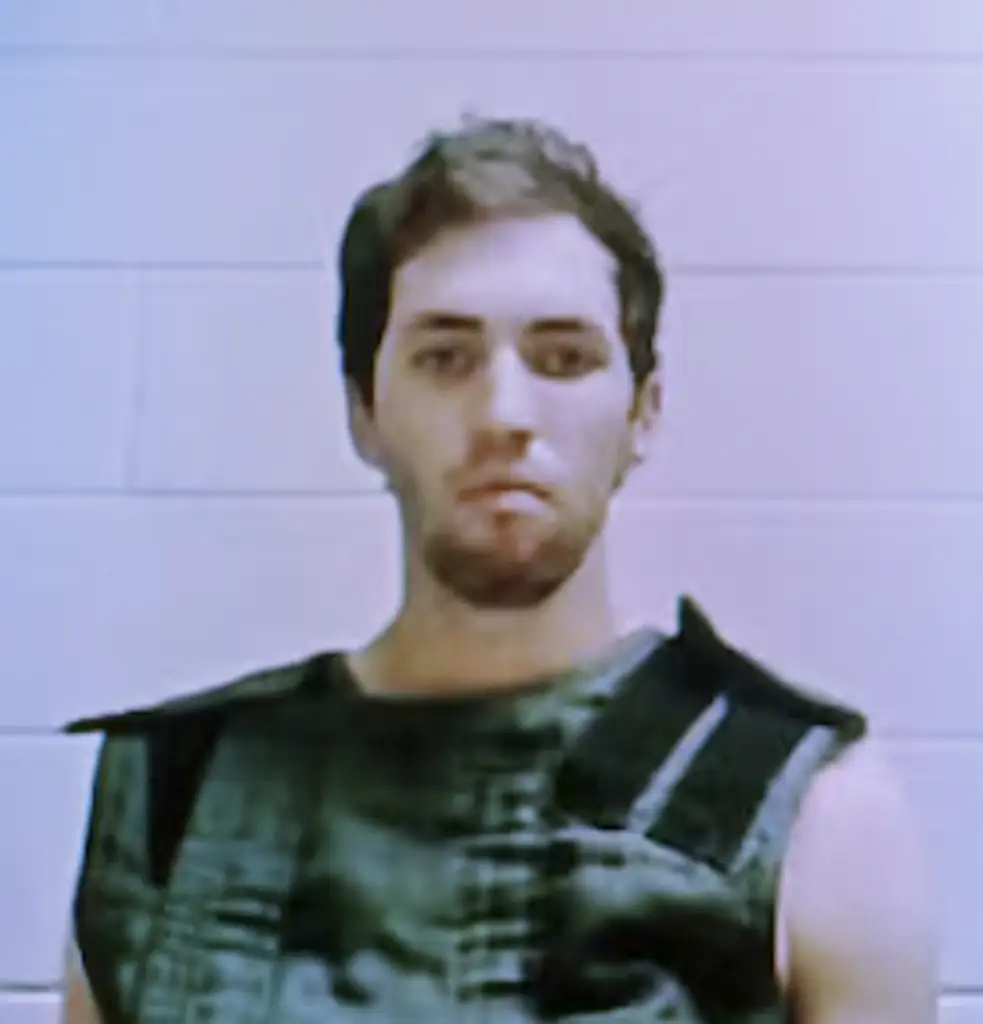
Defense attorneys for Tyler Robinson, the alleged murderer of Charlie Kirk, are urging a Utah judge to throw out prosecutors’ latest filing, escalating an ongoing dispute over whether the death penalty should remain an option in the case.
In a motion filed Thursday, Robinson’s legal team argued that prosecutors should face sanctions for allegedly violating a gag order by discussing the case publicly.
Request for capital punishment to be removed as possibility
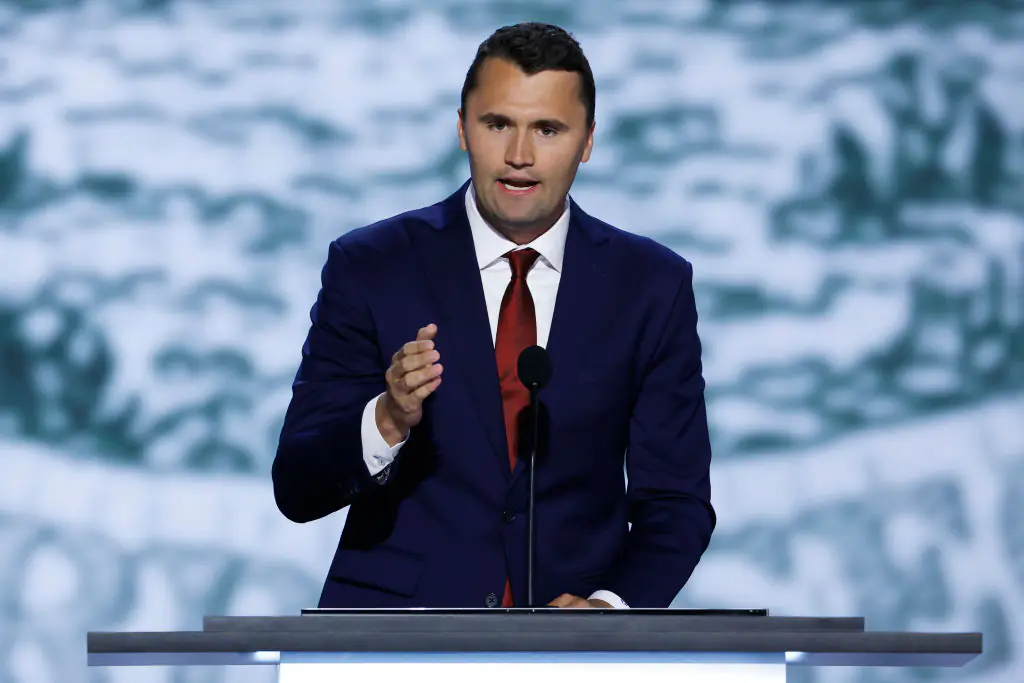
As a resolution, they are asking the court to remove the possibility of capital punishment.
“The only way that this Court can demonstrate that its orders, and the ethical rules that counsel must obey, are not optional when it comes to the State’s attorneys, even in this case, is to impose the sanction undersigned counsel have urged upon this Court: striking the State’s death notice,” the defense wrote in a filing signed by attorneys Kathryn Nester, Richard Novak, Michael Burt, and Staci Visser.
Prosecutors, however, deny any wrongdoing. They maintain they did not breach the gag order and say their public comments were necessary to “set the record straight” after what they described as a misleading defense claim gained widespread media attention.
At the center of the dispute is forensic evidence tied to the fatal shooting of Charlie Kirk. Defense filings suggested that the Bureau of Alcohol, Tobacco, Firearms and Explosives (ATF) could not link the fatal bullet to the suspected weapon — Robinson’s grandfather’s rifle.
According to court records, the ATF determined the tool mark analysis was inconclusive, meaning investigators could neither confirm nor rule out the rifle as the source of the bullet fragment. However, prosecutors note that the caliber matched and that a spent casing was linked to the weapon.
What has unfolded so far?
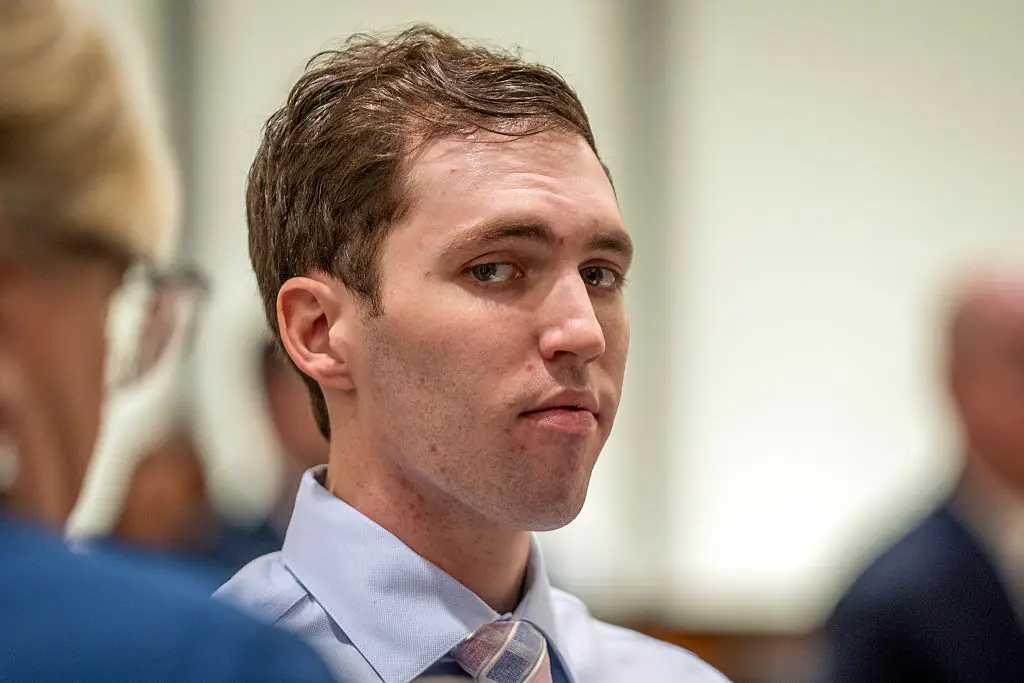
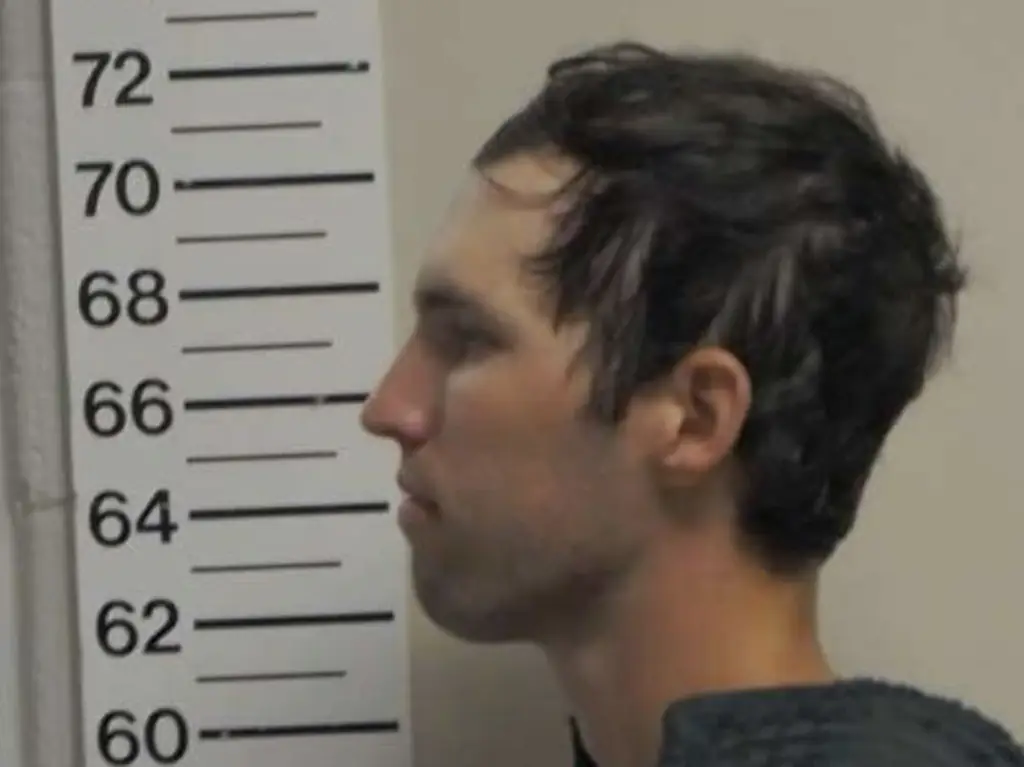
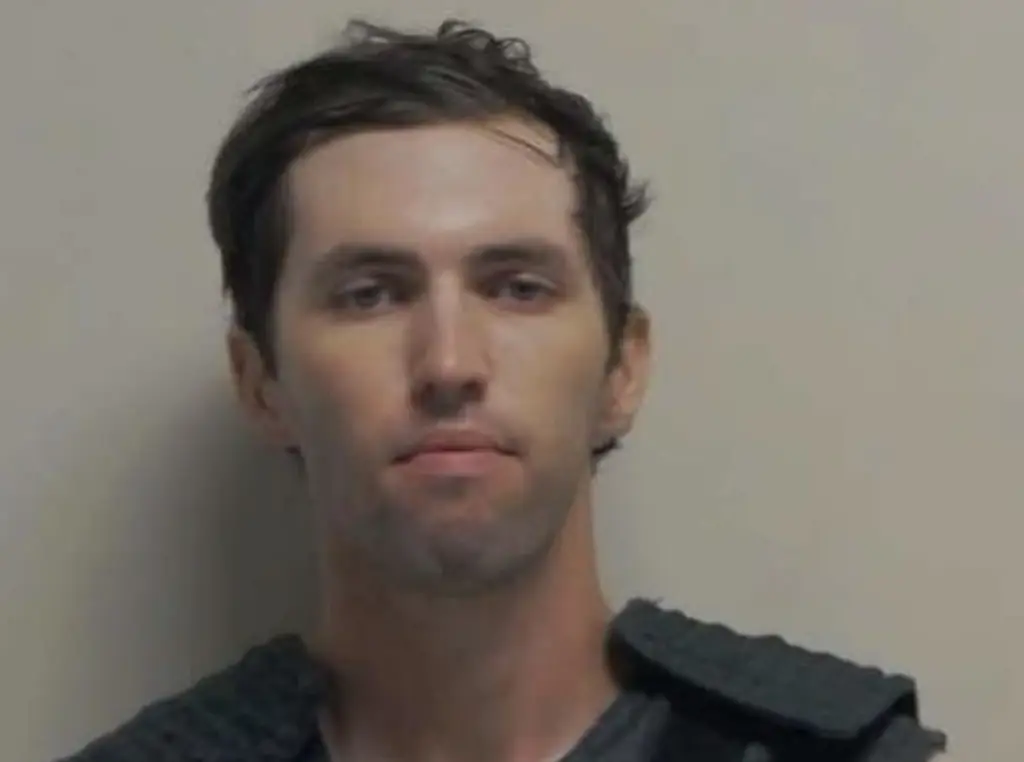
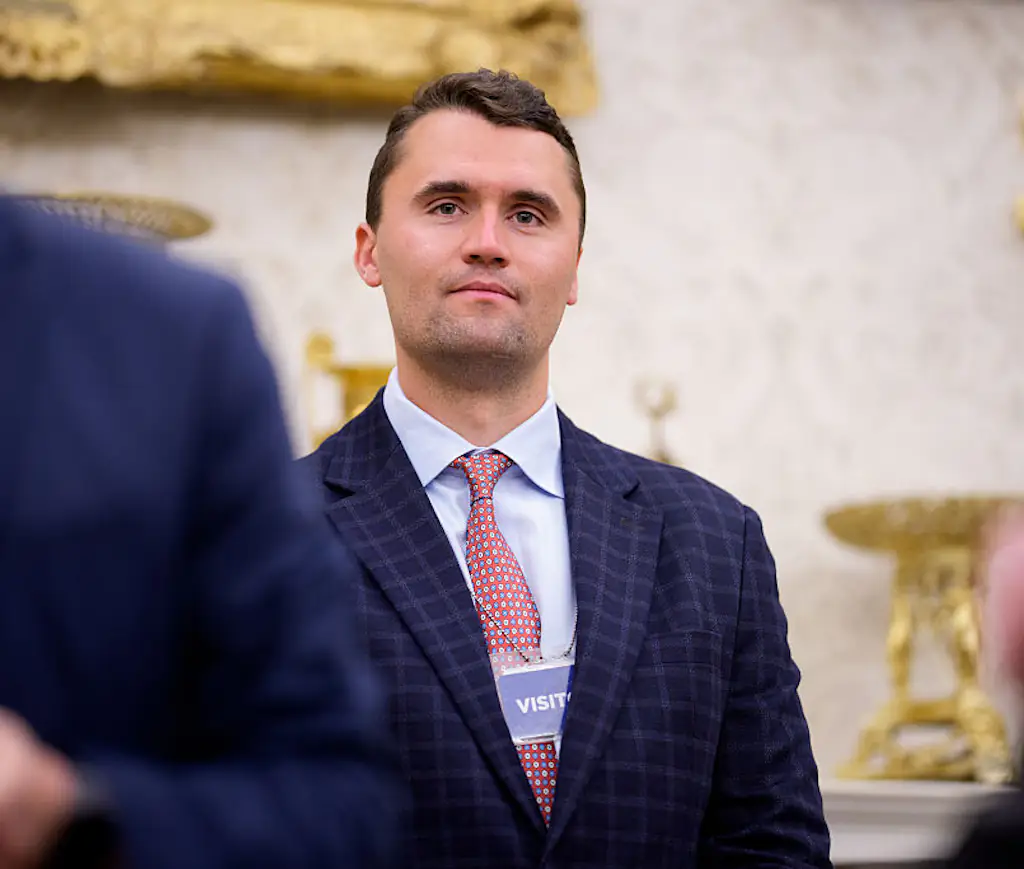
Robinson is accused of assassinating Kirk during a Turning Point USA event at Utah Valley University on September 10, 2025. Prosecutors have already indicated they intend to pursue the death penalty if he is convicted.
The disagreement between both sides has intensified into a broader legal and public battle. Prosecutors accuse the defense of spreading misleading information through court filings, while Robinson’s lawyers claim prosecutors acted with “hubris” by discussing the case in media interviews, allegedly violating the gag order.
The defense is also asking the judge to strike the prosecution’s written opposition entirely, arguing it was submitted without being requested.
They say that during a recent hearing, the court instructed both sides to address the contempt allegations orally, not through additional filings. They further claim prosecutors failed to coordinate with them before submitting their objection.
For Robinson’s legal team, removing the death penalty would be an appropriate consequence for what they describe as misconduct. Prosecutors strongly disagree, calling the proposed sanction excessive.
“A reduction in the aggravated-murder charge from a capital felony to a first-degree felony is dramatically disproportionate to the alleged misconduct,” wrote Deputy Utah County Attorney Ryan McBride.
He argued that neither the gag order nor court rules prevented prosecutors from responding to what they viewed as inaccurate claims, adding that state law “expressly allows attorneys to make ‘statements that a reasonable lawyer would believe is required to protect a client from the substantial undue prejudicial effect of recent publicity not initiated by the lawyer.’”
Prosecutors continue to insist they acted within their rights to clarify the record, particularly after the defense’s claims, which prosecutor Christopher Ballard called “misleading” and “misstated”, gained significant traction online and in the media.
Ballard also argued that the defense omitted key context in its filings. “The ATF was unable to identify or exclude the bullet as having been fired from the rifle,” he wrote, emphasizing the point.
He added that the defense compounded the issue by stating “the defense may very well decide to offer the testimony of the ATF firearm analyst as exculpatory evidence,” which he said reinforced a misleading narrative.
Judge Tony Graf Jr. is expected to rule on the dispute during a virtual hearing on Monday.
.jpg_I4Ebof?tr=cr-0.338.2730.3068,f-webp,q-70,w-100)
.webp_QQJmGo?tr=cr-345.0.1535.1190,f-webp,q-70,w-100)



.jpg_I4Ebof?tr=cr-0.338.2730.3068,f-webp,q-70,w-1024)
.webp_QQJmGo?tr=cr-345.0.1535.1190,f-webp,q-70,w-1024)


