


US2 min(s) read
Why Christa Pike's hair color could be the reason she survived her execution
.webp_SmgFsc?tr=cr-292.0.1244.952,f-webp,q-70,w-100)
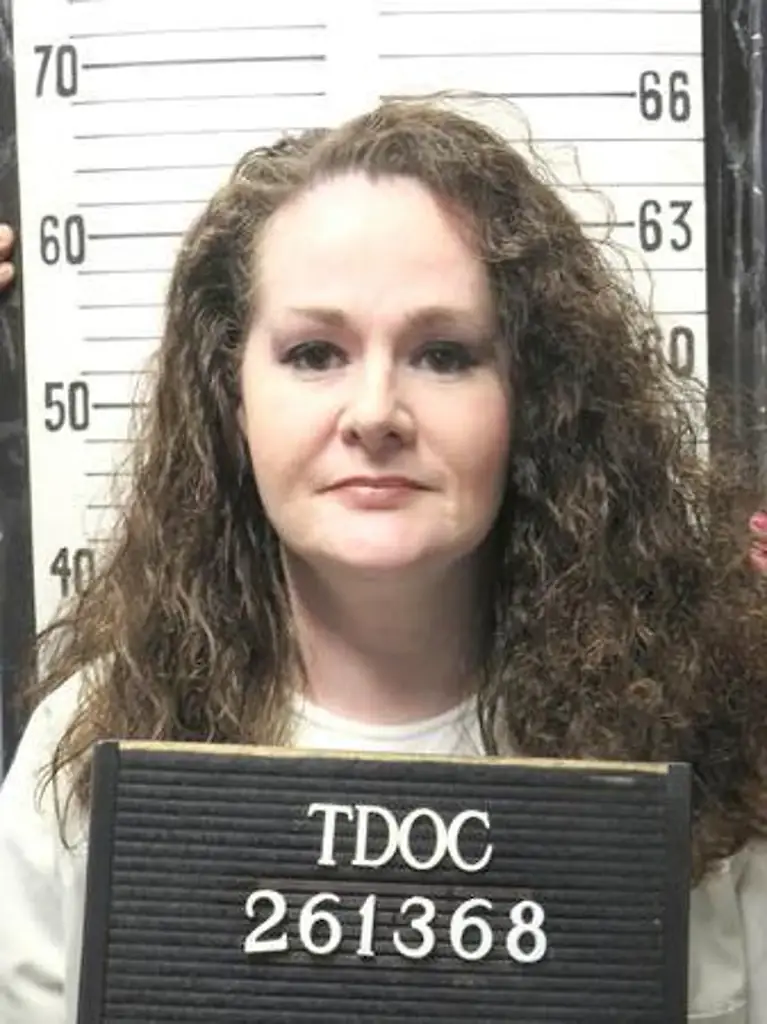
The state of Tennessee placed a temporary pause on all executions following a botched lethal injection procedure involving 50-year-old death row prisoner Christa Pike.
Despite receiving two lethal doses of pentobarbital, Pike survived, with witnesses reporting that she continued to speak, breathe, and snore.
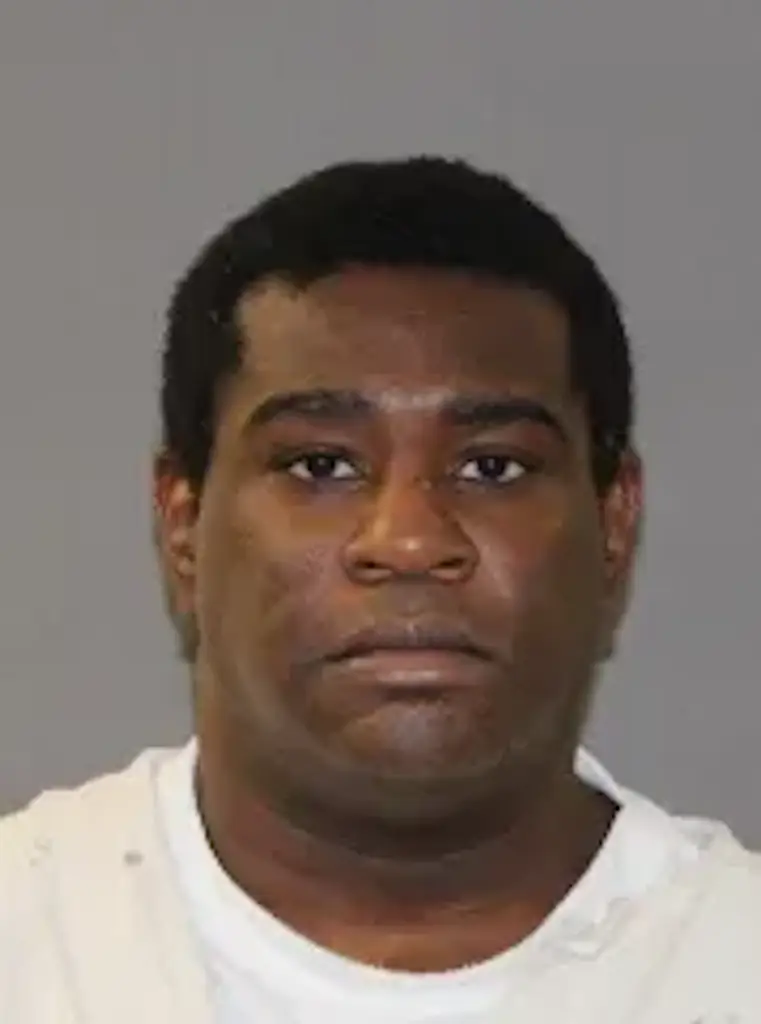
Just one week later, Texas executed 46-year-old Jamaal Howard using the same chemical compound, but Howard ceased moving within 30 seconds of administration.
Although initial reports raised fears that Pike might suffer permanent neurological damage, updates from her legal representatives confirm that she can walk and talk normally. Experts expect the pentobarbital to clear her system entirely within 7 to 10 days.
To understand why two executions using identical drugs yielded drastically different outcomes, medical specialists point toward both biological variations and potential physical delivery errors during the administration phase.
Genetic mutation
Dr. Elisha Peterson, a US board-certified anesthesiologist, highlighted Pike's natural red hair as a major physiological variable. Most natural redheads carry mutations in the MC1R gene, a genetic trait linked to higher resistance to sedatives and general anesthetics.
"Redhead patients require more medication to fall asleep and stay asleep," Peterson told LADbible, adding that the MC1R gene makes "certain receptors in the nervous system more resistant to anaesthetic medications."
Peterson noted that although pentobarbital is absent from modern surgical operating rooms, its sedation mechanisms closely resemble propofol, a standard general anesthetic that redheads often require in larger amounts.
"The problem with the protocol," Peterson said of state executions, "Is that it does not allow for any variability in the dosing given her physiology."
Technical failure
In addition to genetic tolerance, medical professionals and Pike's defense team suspect a breakdown in IV placement. Evidence indicates that the lethal dose may have leaked into surrounding soft tissue instead of entering directly into her bloodstream.
Pike reported that a vein in her arm felt like it was "about to bust", and reports indicate technicians made seven attempts with needles to establish access.
Dr. Peterson noted that by contrast, Howard's lethal injection proceeded without incident, allowing the full chemical dosage to enter his bloodstream immediately.