


World5 min(s) read
Hantavirus ship passenger makes disturbing admission about attending 'jam-packed wedding' after leaving cruise

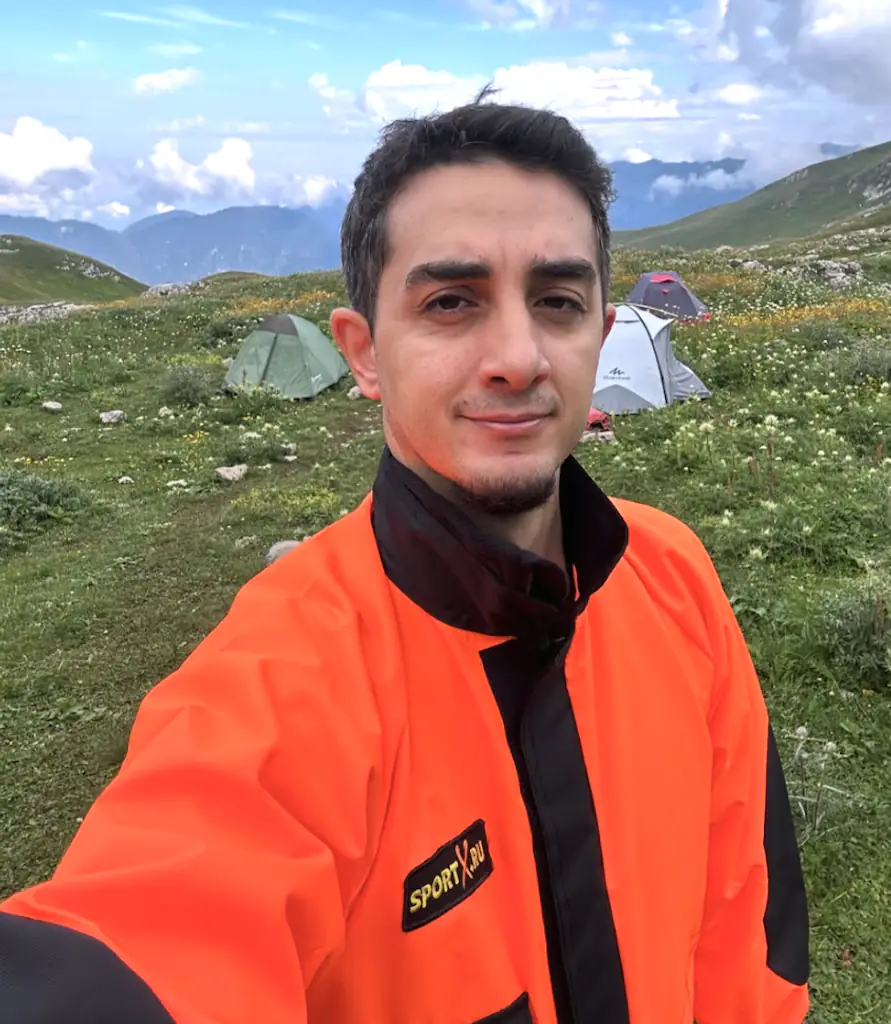
A passenger caught up in the deadly hantavirus outbreak linked to the MV Hondius ship has defended his decision to attend a crowded wedding shortly after leaving the cruise.
Ruhi Çenet, a YouTube influencer, was slammed after pictures surfaced showing him at a wedding in Istanbul on May 3 - the same day the World Health Organization (WHO) confirmed it was aware of the first laboratory-confirmed infection connected to the ship.
Passenger Addresses The Backlash
Çenet responded to the criticism in an Instagram post shared Friday (May 8).
He insisted that the situation had not yet been officially declared when he attended the event.
"On the date I attended the wedding, the Hantavirus epidemic was not announced by the World Health Organization," he wrote in Turkish.
The 35-year-old also confirmed he has since entered quarantine "just in case," though he said he is still showing no symptoms.
The outbreak linked to the expedition cruise has already resulted in three deaths and sparked an international contact tracing operation involving passengers and crew from multiple countries.
Cruise Passengers Say They Were Not Warned
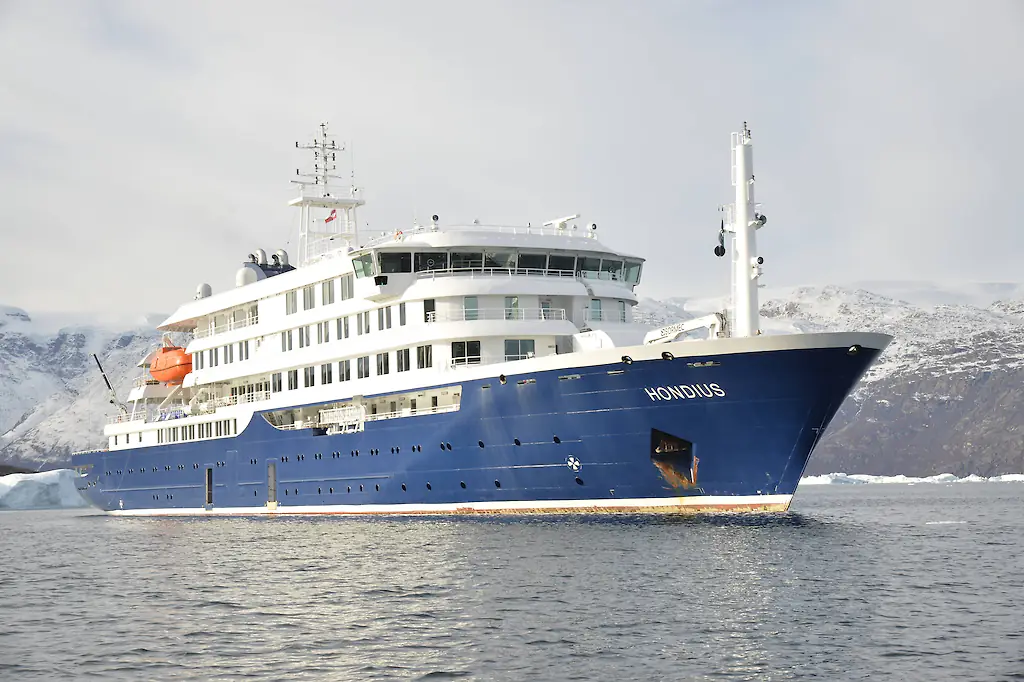
Çenet boarded the MV Hondius on April 1 in Ushuaia, Argentina, before the ship began its journey toward Cape Verde.
According to a video he recorded and later provided to NBC News, passengers were informed on April 12 that a 70-year-old Dutch man had died the previous day from what the captain described as "natural causes".
"Whatever health issues he was struggling with, I'm told by the doctor, were not infectious, so the ship is safe when it comes to that," the ship's captain announced the next day, Çenet claimed.
"The ship is safe. This gentleman, unfortunately, succumbed to natural causes. And like I say, we do what we can in order to continue in a safe and dignified way," the captain said, per the clip.
Çenet later told the publication that passengers were "not well informed" about the possible risk onboard. "It's very scary because it was nothing that we were ready for,” he added.
For the rest of the trip, the content creator said he and his cameraman isolated themselves inside their cabin. But he claimed normal life onboard continued for nearly two weeks after the first death.
Passengers reportedly continued eating together, skipped masks, and "didn't take any caution for a solid 12 days".
"I wish everyone was more mindful," he told NBC News.
The Dutch passenger's body was removed from the ship on April 24, the same day Çenet and other travelers disembarked in St. Helena.
"I wish we did not land there after the first casualty, because along with us, there were a hundred more passengers, and they were interacting with the islanders," Çenet told AFP.
"This is one of my regrets, because the island is the most remote one, and they don't have enough medical centres, enough doctors," he added.
The Dutchman's 69-year-old wife later became ill and left the ship. She boarded a flight to South Africa that Çenet was also on before dying on April 26.
What is Hantavirus?
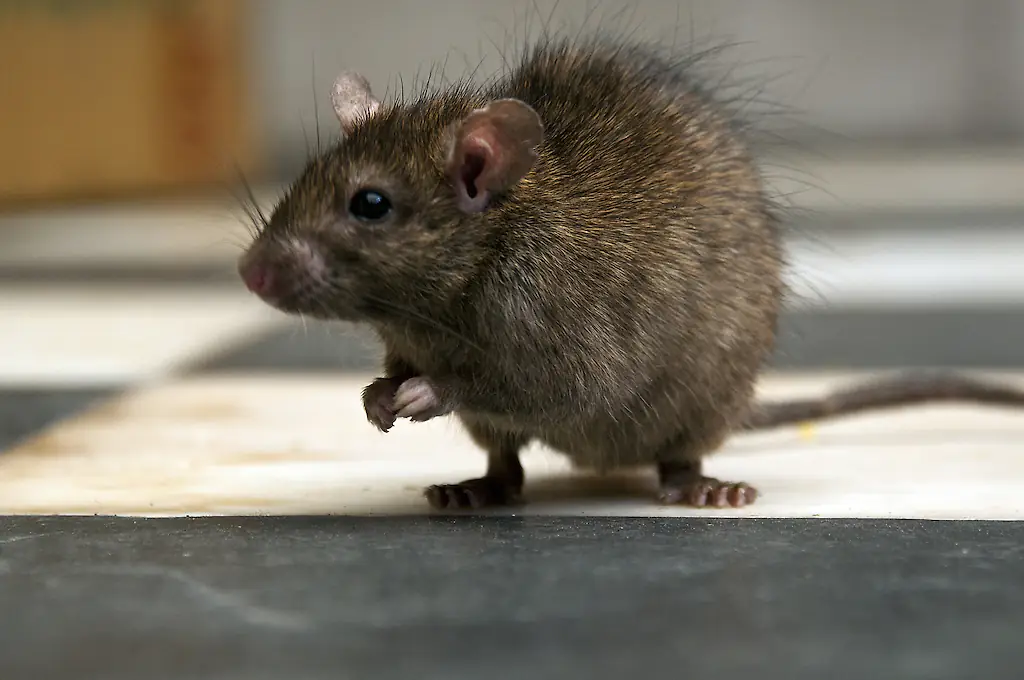
Hantavirus is a group of viruses carried by rodents such as mice and rats and spread through their urine, droppings, and saliva.
Symptoms can appear between one and eight weeks after exposure and may include fever, fatigue, muscle aches, coughing, shortness of breath, and fluid buildup in the lungs.
As of Friday (May 8), the WHO said there were eight suspected cases linked to the ship, including three deaths. Six cases have already been laboratory-confirmed as Andes virus infections.
WHO director-general Dr. Tedros Adhanom Ghebreyesus warned that the current strain is capable of spreading between humans under certain conditions.
"In previous outbreaks of Andes virus, transmission between people has been associated with close and prolonged contact, particularly among household members, intimate partners, and people providing medical care," he said during a May 7 briefing, cited by PEOPLE.
WHO Responds To Fears Of Another Pandemic
The outbreak has led to fears that hantavirus could become another global pandemic similar to COVID-19. However, WHO epidemiologist Maria Van Kerkhove said the situation is serious but should not trigger panic.
"This is not the next Covid, but it is a serious infectious disease. If people get infected, and infections are uncommon, they can die. People on the ship who are hearing this are very scared, rightly so," she said, per The Mirror.
"The general public might be scared as well. Accurate information is critical. Knowing what your actual exposure might be - most people will never be exposed to this," she added.
The MV Hondius departed Cape Verde on Wednesday (May 6) and is currently travelling toward Spain's Canary Islands, where it is expected to arrive in the early hours of Sunday (May 10).