ADVERT
World3 min(s) read
Published 09:35 18 Jun 2025 GMT
As the anniversary of the tragic Air India flight crash that claimed 241 lives of those onboard and a further 19 on the ground approaches, a simulation has shown how one man managed to survive.
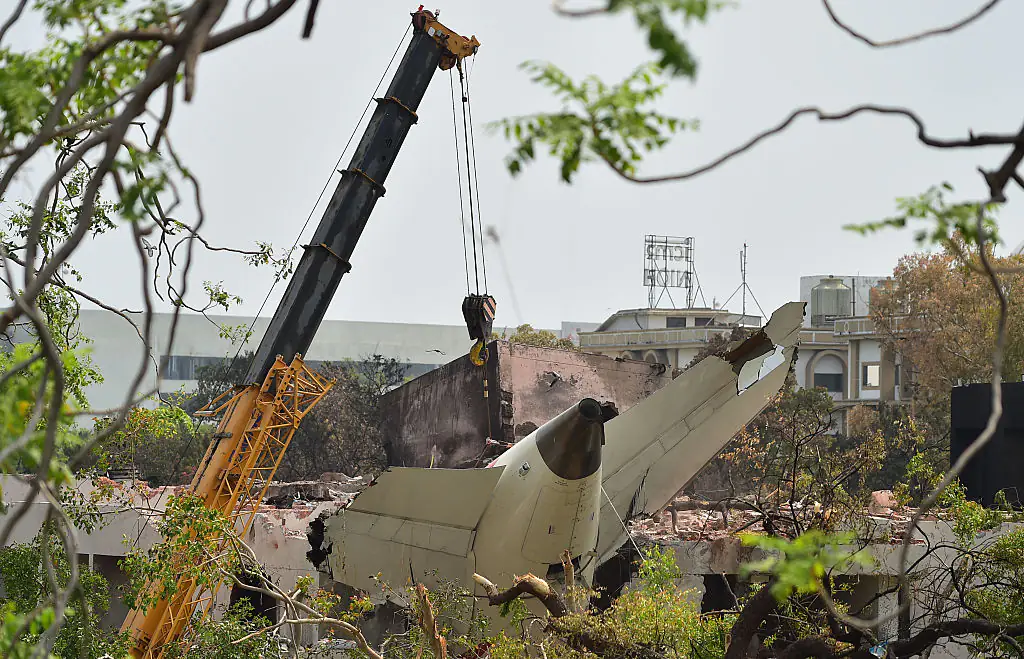
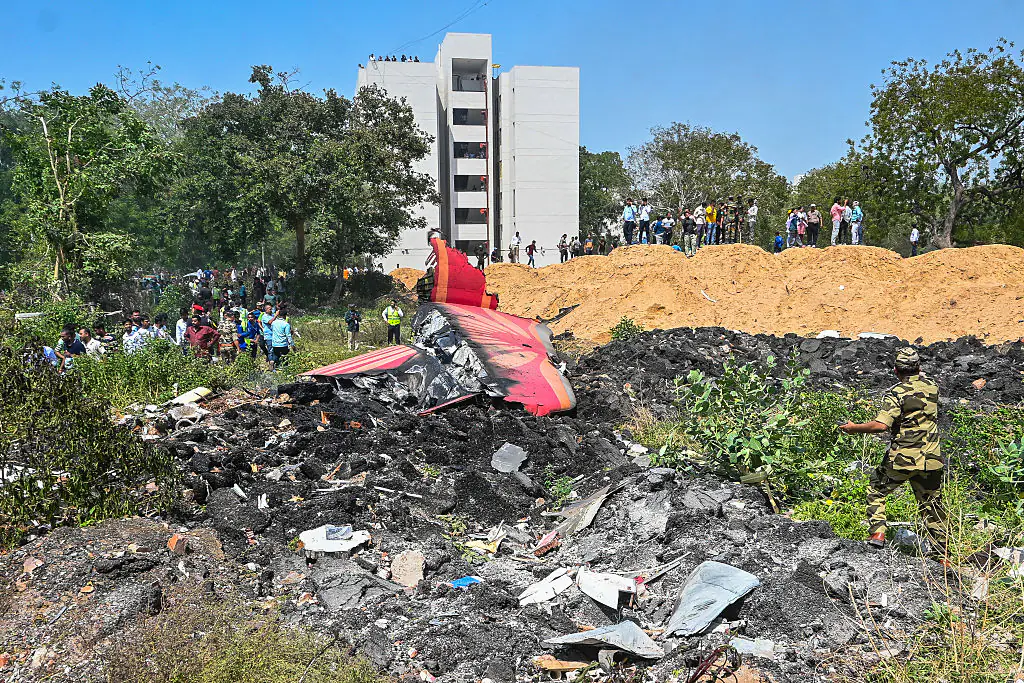
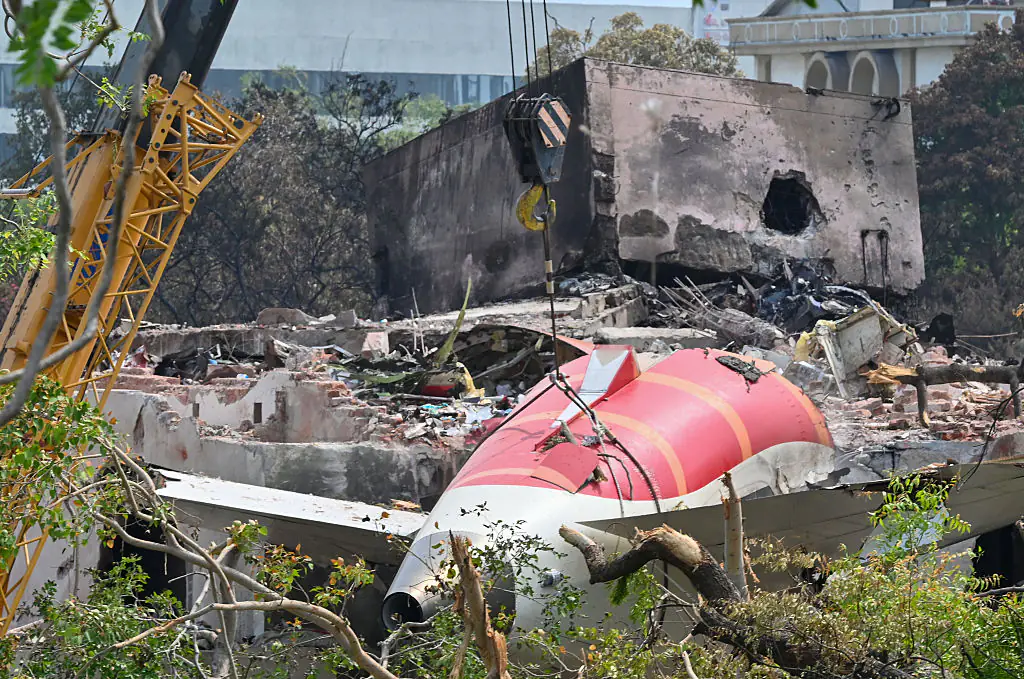
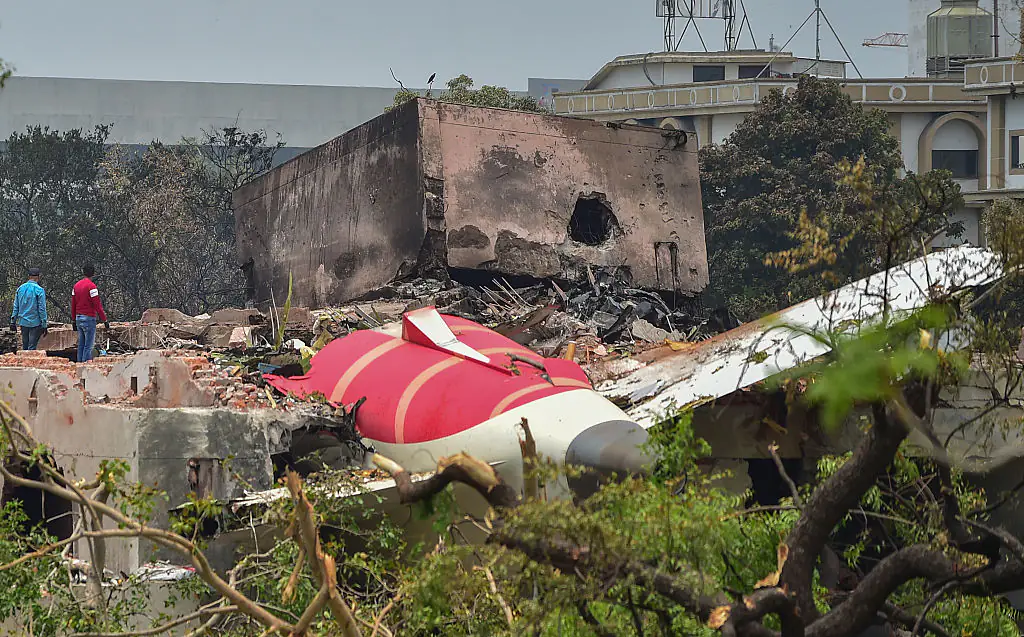
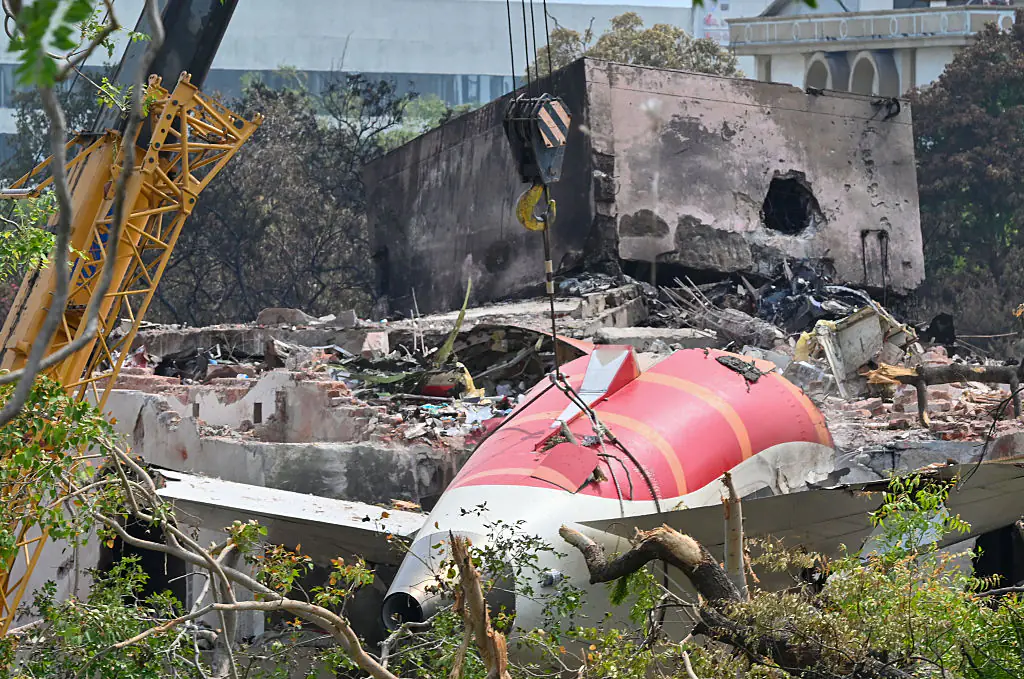
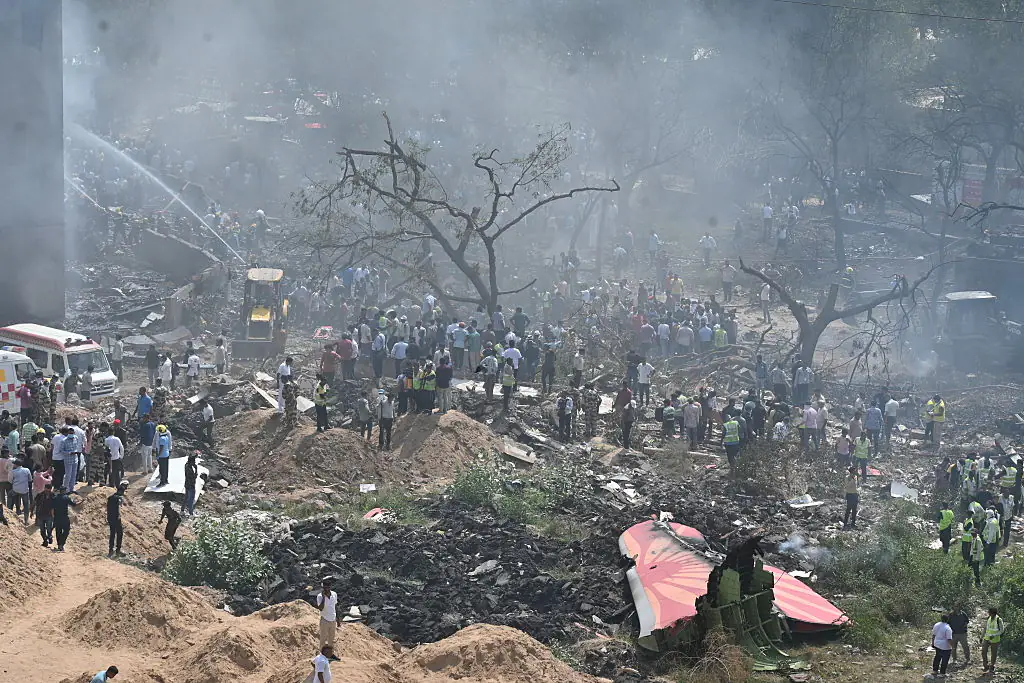
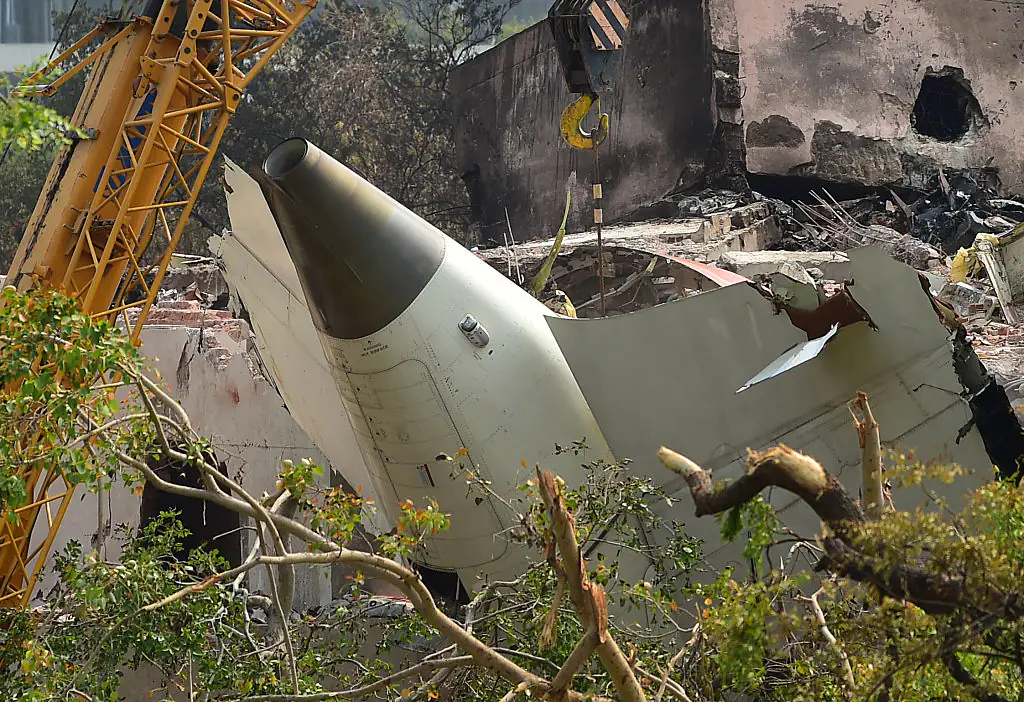
On Thursday, June 12, 2025, 241 people onboard Air India Flight AI-171 and 19 more on the ground were killed after a Boeing 787 Dreamliner slammed into a medical hostel just seconds after takeoff from Ahmedabad, India, en route to London Gatwick.
Vishwash Kumar Ramesh, a British passenger seated in 11A, was the sole person to walk away alive from the flaming crash site.
From his hospital bed, Vishwash recounted the nightmare: “I don’t believe how I survived. For some time I thought I was also going to die. But when I opened my eyes, I realised I was alive and I tried to unbuckle myself from the seat and escape from where I could.
"It was in front of my eyes that the air hostess and others died. The side of the plane I was in landed on the ground, and I could see that there was space outside the aircraft, so when my door broke I tried to escape through it and I did.”
He recalled the final seconds before impact: “When the flight took off, within five to 10 seconds it felt like it was stuck in the air.
"Suddenly, the lights started flickering - green and white. The aircraft wasn't gaining altitude and was just gliding before it suddenly slammed into a building and exploded.”
And finally, the chaos: “Thirty seconds after takeoff, there was a loud noise, and then we crashed. It all happened so fast.
"When I stood up, there were bodies everywhere. I just ran. I don’t even know how I got out of the plane.”
In the aftermath of the tragedy, AiTelly on YouTube shared a video of how Vishwash was so fortunate.
It explains that Vishwash was sitting in seat 11A, which is in the first row of the economy cabin and located next to an emergency exit.
The simulation shows the plane striking a building before coming to a complete stop on the ground.
We can then see Vishwash manage to push open the emergency exit door and flee the wreckage.
The simulation denies the claims that the lucky survivor opened the door while the plane was still in the air and jumped.
Though it explains that this was physically possible given the low altitude of the plane, Vishwash himself has explained that he walked away from the site after the plane crashed.
Paramedic Satinder Singh Sandhu, one of the first to reach the scene, recounted to the Sun: “The first person we spotted was the hostel guard who suffered primary burn injuries.
"Even as he was dispatched in an ambulance as the first patient from the site, we saw a man coming from out near the building.
"We started shouting at him as he was disorientated and tried to go back to the site, even as the fire and smoke billowed.
"We later got to know that his brother was on the flight and he was trying to go back to check on him. But the team on the spot escorted him and took him to Civil Hospital. His survival is unbelievable.”
Vishwash’s brother, Ajaykumar Ramesh, had been seated just five seats away - and did not survive.
world4 min(s) read
Published 12:07 15 Jun 2025 GMT
A small but significant detail revealed by the sole survivor of the Air India crash may hold the key to understanding why the flight ended in tragedy.
On June 12, a Boeing 787-8 Dreamliner operating as Flight AI171 took off from Ahmedabad bound for London Gatwick.
Less than a minute into the flight, the aircraft crashed into residential buildings near the Byramjee Jeejeebhoy Medical College and Civil Hospital, killing nearly everyone onboard, including 53 British nationals, 169 Indian nationals, and several others from Portugal and Canada, as well as dozens on the ground.
But one man named Vishwash Kumar Ramesh survived the tragedy.
Ramesh, 40, from Leicester, was seated in 11A - right next to the emergency door - when the plane struck a medical student hostel and exploded. Somehow, he escaped.
“I saw people dying in front of my eyes – the air hostesses, and two people I saw near me […] I walked out of the rubble,” he said from his hospital bed.
Investigators now believe that seat 11A may have saved him. A video shows a small object - possibly the emergency door - shooting out from the fuselage just before the fireball. Experts say the door may have blown off on impact, creating a narrow, split-second escape route.
“At first, I thought I was dead. Later, I realised I was still alive and saw an opening in the fuselage,” Vishwash recalled. “I managed to unbuckle myself, used my leg to push through that opening, and crawled out.”
Bloodied and dazed, he was filmed staggering through the wreckage before being bundled into an ambulance. His brother Ajay, who was also on the flight, didn’t make it.
Vishwash has no idea how he survived, but he does remember a detail that investigators now see as crucial.
“Suddenly, the lights started flickering – green and white,” he said, per News.com.au. “The aircraft wasn’t gaining altitude and was just gliding before it suddenly slammed into a building and exploded.”
That strange flickering, combined with previous reports from passengers about malfunctioning seat screens, has led experts to suggest a potential electrical fault, possibly a full power failure.
Theories under investigation include mechanical failure, engine thrust issues, flap or gear malfunctions, bird strike, and pilot error.
India's civil aviation minister confirmed that the plane’s black boxes have been recovered and are being analyzed. A team of British aviation experts has joined the investigation, expected to take at least three months.
The tragedy has triggered sweeping actions. India’s aviation regulator has ordered immediate safety checks across Air India’s Boeing 787 fleet. And now the focus is on determining whether this crash was an avoidable disaster or a catastrophic systems failure.
Air India’s CEO, Campbell Wilson, said the airline is devastated and committed to supporting affected families. “Air India will continue to do everything it can to care for those affected by this tragedy and to uphold the trust placed in us.”
Compensation of over ₹1.25 crore (approximately $133,000 USD) has been pledged for each victim, and the same amount for Vishwash. A ₹25 lakh ($21,000 USD) interim payment is also being processed for immediate support.
“The process of reuniting next of kin with their loved ones and personal effects has begun,” Wilson said. “Our teams are working closely with the families and the authorities to help the reunification process and, where appropriate, with repatriation.”
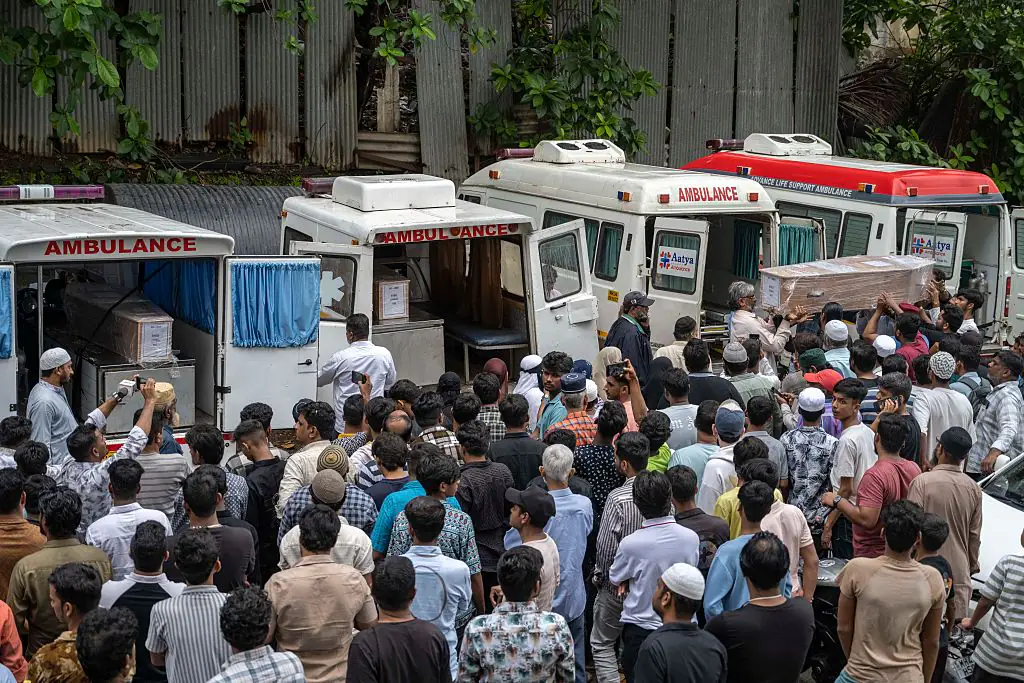
Grief-stricken families are still waiting to claim bodies from Ahmedabad Civil Hospital, where a painstaking DNA-matching process is underway.
“Even yesterday, when I was sitting outside the postmortem block, I could smell the stench of charred bodies from inside,” Anil Patel, who lost his son and daughter-in-law, said. “I just can’t bear the thought," cited by The Guardian.
Over 100 caregivers and 40 engineers have been deployed, and support centers have opened across India and London to assist families.
Dr Gameti at Ahmedabad Civil Hospital confirmed Vishwash is expected to be discharged soon. “He is doing very well,” the doctor said.
The sole survivor is recovering physically, but emotionally, his journey is just beginning. “My treatment is going well, and the people are very supportive,” he said.
world3 min(s) read
Published 12:04 19 Jun 2025 GMT
A haunting simulation of the fatal Air India crash reveals how the pilot may have saved thousands of people with his heroic final act.
The devastating crash occurred on July 12, when Air India Flight AI-171, a Boeing 787 Dreamliner, took off from Ahmedabad en route to London Gatwick.
Just moments after liftoff, the aircraft lost power and plunged into a hostel building at BJ Medical College in Meghani Nagar.
The crash claimed the lives of 241 out of the 242 people on board. The sole survivor was a British passenger, Vishwash Kumar Ramesh, who was seated in 11A.
It was reported that Captain Sabharwal, who had logged over 8,200 flight hours, and First Officer Clive Kunder issued a mayday call almost immediately after takeoff. But less than a minute into the journey, the aircraft crashed, erupting into flames.
Now, a simulation posted by the YouTube account @aircrashsimulation has visualized those final moments.
According to the clip, the aircraft “initiated rotation at approximately 1,860 metres and lifted off around 2,460 metres down the runway,” before losing power at an altitude of about 625 feet.
The simulation shows the plane descending rapidly - at a rate of 1,300 metres per minute - heading directly toward the Medical and Civil Hospital complex before ultimately crashing at an "estimated ground speed of 160 knots".
While the crash resulted in 270 fatalities, including those on board and on the ground, experts and observers believe it could have been far worse if not for the pilots' actions.
Online speculation, fueled by aviation observers and social media users, suggests that Sabharwal and Kunder may have intentionally steered the failing aircraft away from densely populated areas during its final descent.
Though the aircraft slammed into a hostel near the medical college, just 400 meters north is Civil Hospital Ahmedabad - a facility with over 3,000 beds.
South of the crash site is a tightly packed residential area near the airport wall. Nearby Asarva is home to over 5,000 residents.
“They crashed in a loosely populated zone surrounded by densely populated ones. It seems deliberate," the Daily Star reported.
The crash has already revealed heartbreaking stories among the victims. One of the passengers, Arjun Patoliya, was a father of two traveling to fulfill his late wife Bharti’s dying wish - scattering her ashes in her native Gujarat.
Bharti had died of cancer just two weeks earlier. Their two daughters, aged four and eight, are now orphaned.
In another tragic detail, couple Fiongal Greenlaw and Jamie Meek shared a video from the cabin just minutes before takeoff, unaware of the catastrophe to come.
While official conclusions are still pending, India’s Minister of Civil Aviation, Ram Mohan Naidu Kinjarapu, confirmed the aircraft’s black box was recovered the following day, calling it “an important step forward in the investigation.” He noted the data would be “crucial in aiding the inquiry".
Our thoughts continue to be with the families of all the victims.
world4 min(s) read
Published 15:36 13 Jun 2025 GMT
The only survivor of the devastating Air India Flight AI 171 crash has revealed how he survived in a new interview from his hospital bed in Ahmedabad.
Vishwash Kumar Ramesh was the only passenger to survive what is now one of the worst aviation disasters in recent memory.
In an extraordinary testimony, 40-year-old Ramesh, who lives in London with his wife and child, recalled how the aircraft carrying 242 passengers and crew members “split in two” before he “jumped out” just moments after it crashed into a building filled with medical students.
“For a while, I thought I was about to die. But when I opened my eyes, I saw I was alive. And I opened my seatbelt and got out of there," he said, per Doordarshan, cited by Daily Mail.
The passenger was sitting in 11A, which was beside an emergency exit that detached during impact.
“There was some space. When the door broke, I saw that space and I just jumped out,” he said, describing a narrow escape as his section of the plane collapsed onto the ground floor.
Ramesh recounted the terrifying moments just after takeoff, saying it felt like "the plane had got stuck," and revealing that he witnessed air hostesses and others die in front of his eyes. He also shared that he heard “a loud noise” before the jet plummeted into the building.
Fire broke out immediately, burning his arm. After freeing himself, he stood among debris and bodies. “I was scared. I stood up and ran," he continued. "There were pieces of the plane all around me. Someone grabbed hold of me and put me in an ambulance and brought me to the hospital."
Dr. Dhaval Gameti, who examined the sole surviving passenger, told AP that although he had suffered multiple injuries, he was now “out of danger".
Footage of the crash scene shows a large object flying from the aircraft just seconds before impact. Investigators believe this was the very emergency exit door next to seat 11A, which likely saved Ramesh’s life.
Experts note the proximity of the seat to the exit “greatly increases the chance of survival when there is a fire,” with historian Edwin Galea remarking: “You can't be any closer.”
Initial reports indicate the pilots issued a mayday call: “Mayday… no thrust, losing power, unable to lift.”
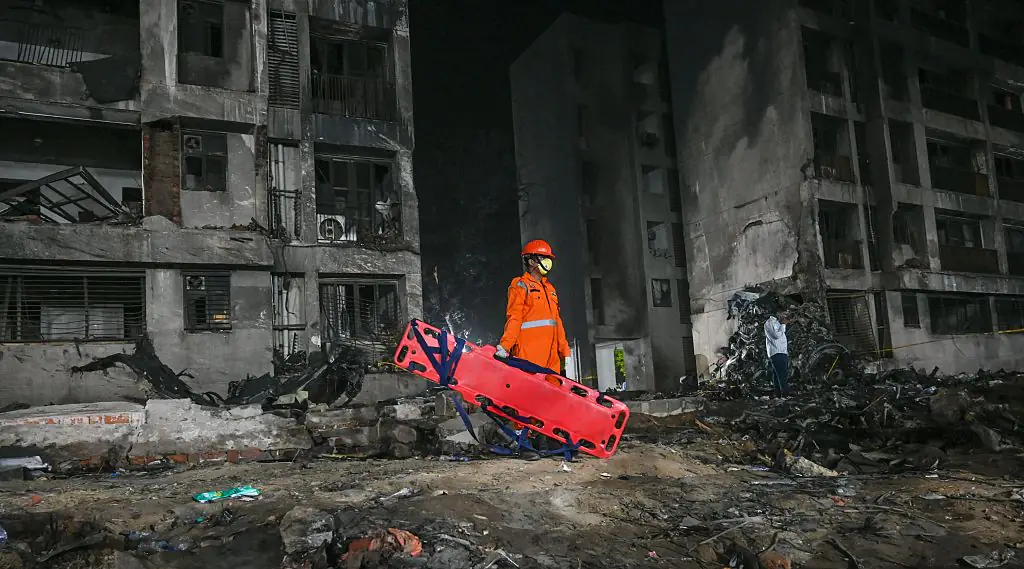
The plane lost power at around 400 feet and crashed into a multi-story medical student hostel, causing a massive inferno. Eyewitnesses and rescue teams worked through choking black smoke to recover more than 200 charred bodies, many unrecognizable.
Ahmedabad Police Commissioner G.S. Malik said most of the dead passengers were charred beyond recognition.
Ramesh’s older brother Ajay, 45, also boarded the flight but is believed to have died. The family remains devastated. “It’s a miracle Vishwash is alive. But we’ve lost Ajay. It’s devastating. I’m terrified to even fly now,” said a relative.
Two primary theories have emerged regarding the crash: a bird strike disabling both engines, and possibly misconfigured flaps. According to the Daily Mail, Captain Saurabh Bhatnagar noted early signs pointed toward bird hits, while another expert, Marco Chan, suggested flap malfunctions could explain the rapid descent.
The Indian Aircraft Accident Investigation Bureau has begun a full probe under International Civil Aviation Organization protocols, with investigations including flight data and cockpit voice recorder retrieval.
Teams from the US, NTSB, FAA, Boeing, and GE are expected to assist, Civil Aviation Minister Ram Mohan Naidu disclosed. DNA testing is underway to identify the victims.
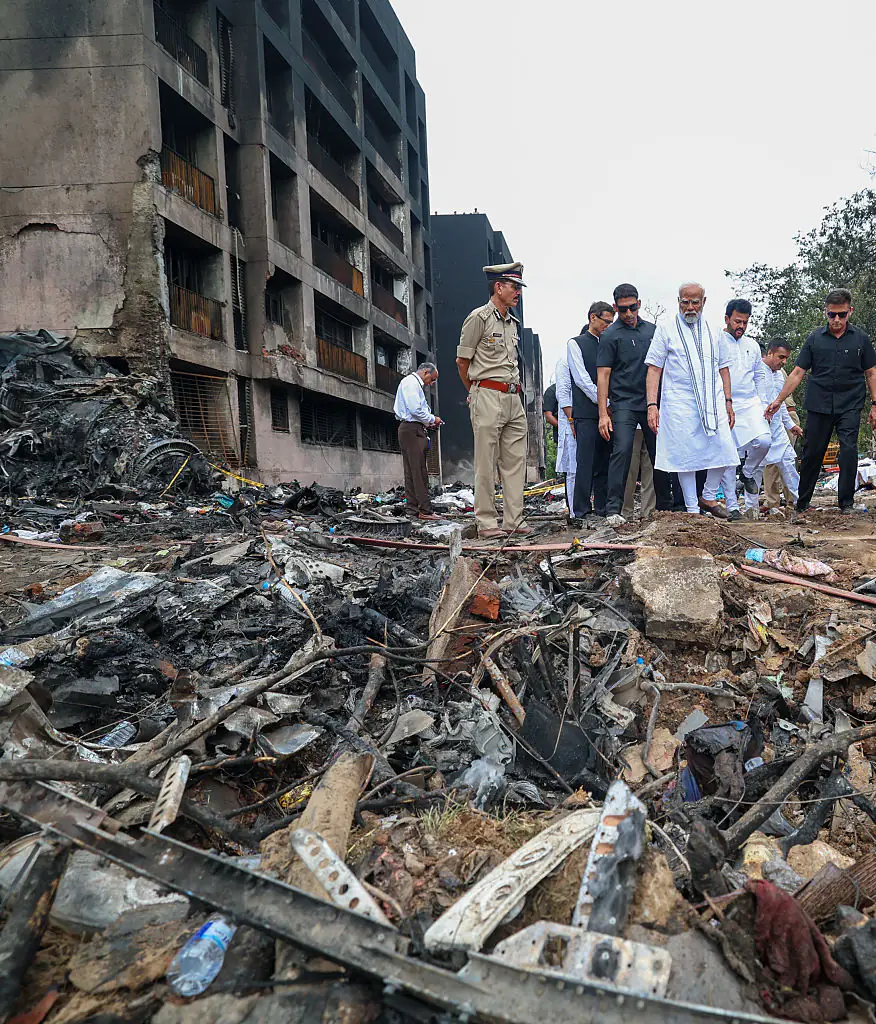
On Friday (June 13), Prime Minister Narendra Modi visited Ramesh in the hospital and also surveyed the wreckage.
“We are all devastated by the air tragedy in Ahmedabad,” Modi said on X. “The loss of so many lives in such a sudden and heartbreaking manner is beyond words. Condolences to all the bereaved families. We understand their pain and also know that the void left behind will be felt for years to come."
world3 min(s) read
Published 13:20 22 Jul 2025 GMT
The sole survivor of the Air India plane crash that claimed 260 lives is reportedly living a life of torment since the crash.
Flight AI171 was en route to Gatwick Airport in London on June 12 when it crashed into a hostel housing medical staff from the Byramjee Jeejeebhoy Medical College, less than a minute after takeoff.
The aircraft climbed to just 625 feet before it lost location data 50 seconds after takeoff.
British national Vishwash Kumar Ramesh, 40, was seated in 11A when the Boeing 787-8 Dreamliner plummeted just seconds after takeoff from Ahmedabad, killing 260 people, including 19 on the ground.
He walked away with facial cuts and chest injuries, but the emotional toll is ongoing.
“He can’t sleep at night,” his nephew, Krunal Keshave, told The Sunday Times. “He sleeps but doesn’t sleep properly. When he sleeps, he dreams he is on the flight. He remembers seeing everyone die in front of his eyes.”
Ramesh, who now remains in India with his wife and four-year-old son, is reportedly suffering from survivor’s guilt and intense grief over the loss of his younger brother, Ajay, 35, who perished in the crash.
The two siblings had run a fishing business together and were preparing to return to their UK homes after the season ended.
“He sees him (Ajay) everywhere,” said Keshave. “He speaks but he doesn’t speak about the crash. His wife and his son… are there with him, supporting him. He is trying to have a normal life, but he is not going out too much. He is spending time at home with the family.”
Another relative added: “He feels guilty that he is the only one to have lived when everybody else, including his brother, died. It’s a lot to live with.”
Ramesh had escaped through the emergency exit and was hailed as the “miracle man” and “God’s child” by locals. Reflecting on the horror, he said: “I don’t know how I came out of it alive. I saw people dying in front of my eyes.”
Now, investigators are zeroing in on what may have triggered the catastrophe.
A 15-page preliminary report by India's Aircraft Accident Investigation Bureau (AAIB) reveals that both of the aircraft’s engine fuel-control switches were flipped from “RUN” to “CUTOFF” just seconds after liftoff - instantly severing fuel to the engines.
The cockpit voice recorder captured one pilot asking: “Why did you do the cut-off?” to which the other responded: “I didn’t.”
Clive Kunder, 32, was flying the plane while Captain Sumeet Sabharwal, 56, was monitoring. US officials believe it was Sabharwal who activated the fuel switch, though investigations are ongoing.
Aviation experts say the act could not have been accidental. “They require absolute physical effort to lift the switch up, raise it over … and back down,” Captain Byron Bailey told Sky News.
“So it had to be done by one of the pilots. Three seconds after lift off is the perfect time to have done this.”
The AAIB timeline shows the aircraft reached 180 knots at 08:08:42 UTC. Just seconds later, the engines lost power.
Speculation about a deliberate act was quickly condemned, per News.com.au.
“There is absolutely no basis for such a claim at this stage,” said the Indian Commercial Pilots Association. “It is deeply insensitive to the individuals and families involved.
"To casually suggest pilot suicide without verified evidence is a gross violation of ethical reporting and a disservice to the dignity of the profession.”
world news3 min(s) read
Published 09:44 13 Jun 2025 GMT