


World4 min(s) read
‘World’s dirtiest man’ avoided washing for 60 years before a bizarre twist shortly before his death

Named the 'world’s dirtiest man ', Amou Haji deliberately avoided bathing, soap and water for more than 60 years before his death under unusual circumstances.
Haji, who hailed from Iran, eventually attracted international attention, with journalists and researchers fascinated by how he managed to live into his 90s despite shunning conventional hygiene and consuming food and water that most people would consider unsafe.
Yet, it was what happened after he eventually agreed to wash himself for the first time in decades that makes his story even more fascinating.
Amou refused to wash for over 60 years
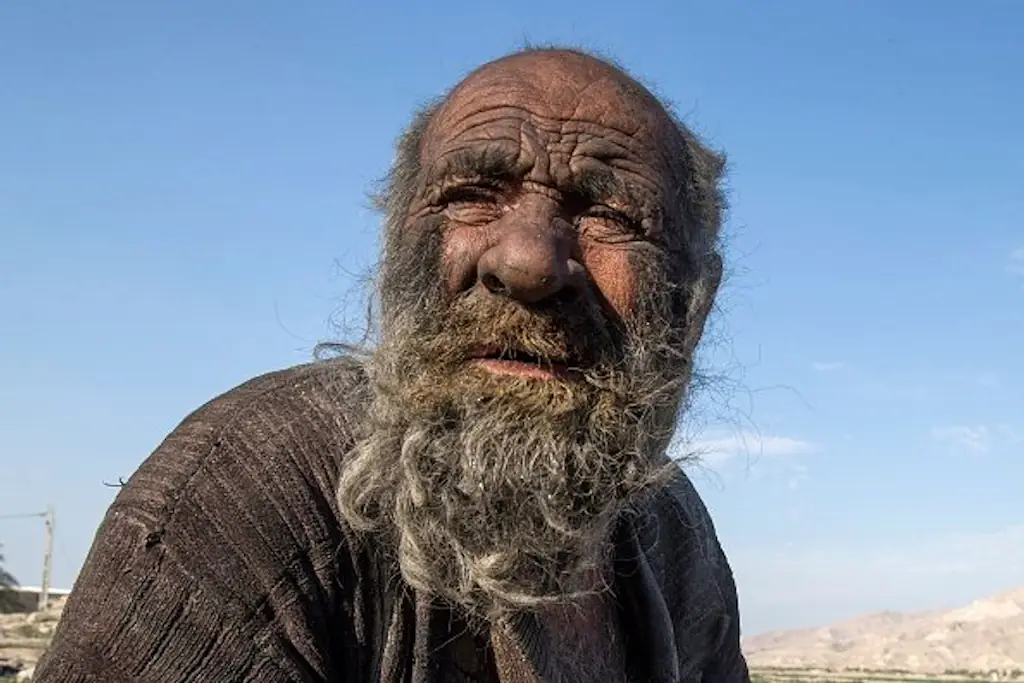
Born in August 1928, in Iran’s Fars province, local reports suggested Haji became increasingly isolated following emotional difficulties and heartbreak earlier in his life.
He eventually settled in the village of Dezh Gah, where locals occasionally provided him with food and other necessities.
However, despite accepting food supplies, Haji reportedly believed that exposing himself to soap and water would make him sick.
His aversion became so extreme that he even fled when villagers once attempted to force him to take a shower.
Over the years, layers of dirt, ash and soot accumulated on his skin.
Author Claudia Hammond reportedly observed that he could appear almost indistinguishable from the barren landscape when sitting motionless.
Rather than washing, Haji believed smoke helped keep him clean and would reportedly sit beside fires, allowing soot to cover his body.
His living arrangements were equally unconventional.
For years, he reportedly slept in a hole dug into the ground before villagers eventually built him a basic cinder-block shelter.
Haji's diet was another reason he became such a global curiosity.
Reports claimed he ate roadkill and carrion, with rotting porcupine said to be among his favourite foods. He also reportedly drank water from puddles and rusty containers.
Perhaps most unusually, he was known to smoke animal dung through an old pipe.
Images of Haji also frequently showed him smoking several cigarettes simultaneously.
When his hair grew too long, he reportedly avoided barbers and instead used an open flame to burn away the excess.
Haji's extreme habits eventually attracted the attention of medical researchers.
According to reports, in 2014, experts examined him in an attempt to understand how he had apparently avoided serious illness.
The medical examiners were left surprised when their findings at the time suggested he was generally healthy, intriguing researchers interested in immunity, hygiene and long-term health.
His unusual circumstances did not mean that scientists recommended abandoning normal hygiene practices, but his apparent resilience nevertheless made him an extraordinary medical curiosity.
As stories about Haji spread, he became something of a global celebrity.
Journalists travelled to rural Iran to meet him, while photographs of the heavily soiled hermit circulated around the world.
His life was also documented in the 2013 film The Strange Life of Amou Haji.
The peculiar events that led to his death
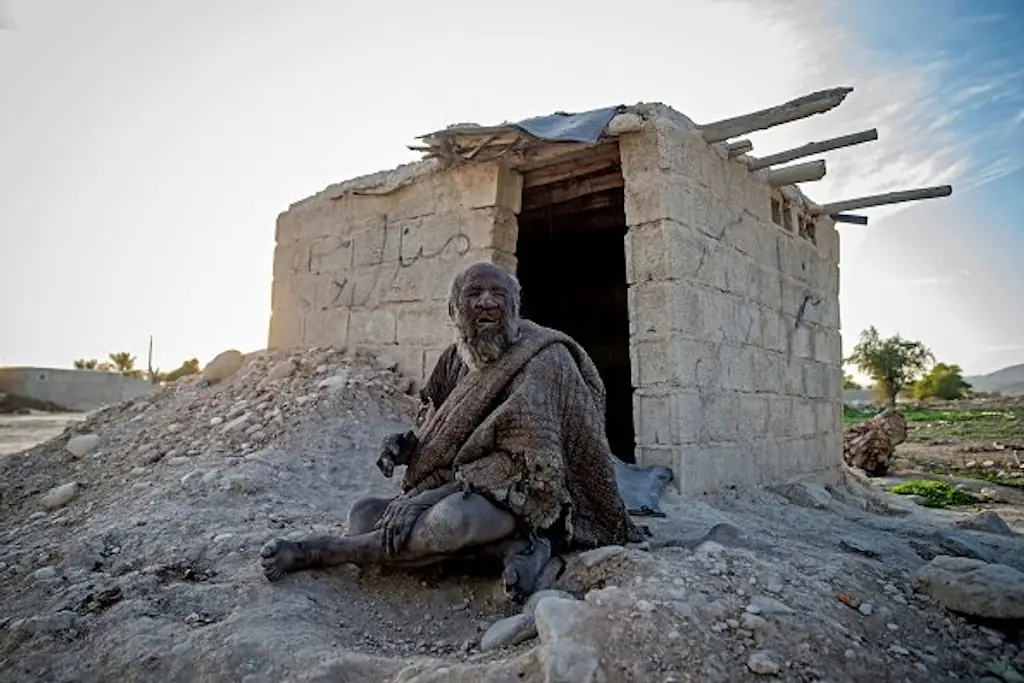
For decades, nothing appeared capable of changing Haji's mind about bathing.
Yet, that all changed in 2022, when villagers managed to persuade him to wash after more than 60 years without a proper bath.
But just months later, he became seriously ill.
Iran's state-run IRNA news agency reported that Haji died on October 23, 2022, aged 94, in Dezh Gah.
Reports said he became ill not long after taking his first bath, leading to widespread speculation about whether the two events could somehow have been connected.
However, there is no evidence that bathing caused his death.
At 94, Haji had already reached an advanced age, and the timing appears to have been a remarkable coincidence rather than proof of a connection.
Nevertheless, the strange sequence of events gave his extraordinary story one final twist: after spending more than six decades avoiding water and soap, the man known as the 'world’s dirtiest man' died only months after finally taking a bath.
.jpg_I4Ebof?tr=cr-0.338.2730.3068,f-webp,q-70,w-100)
.jpg_TDbLaC?tr=cr-0.0.1.0.67,f-webp,q-70,w-1024)








.webp_vBqgAR?tr=cr-242.0.1293.1051,f-webp,q-70,w-100)





.jpg_I4Ebof?tr=cr-0.338.2730.3068,f-webp,q-70,w-1024)


.webp_vBqgAR?tr=cr-242.0.1293.1051,f-webp,q-70,w-1024)
