


Innovation5 min(s) read
JD Vance responds to Pope Leo's chilling AI warning after sending him warning over anti-war comments

JD Vance has weighed in after Pope Leo XIV issued a stark warning about the rapid rise of AI.
As previously reported, the leader of the Catholic Church recently released a major document, Magnifica Humanitas (Latin for 'Magnificent Humanity').
The text sets out his concerns about AI's potential impact on society, human relationships, warfare, and the environment.
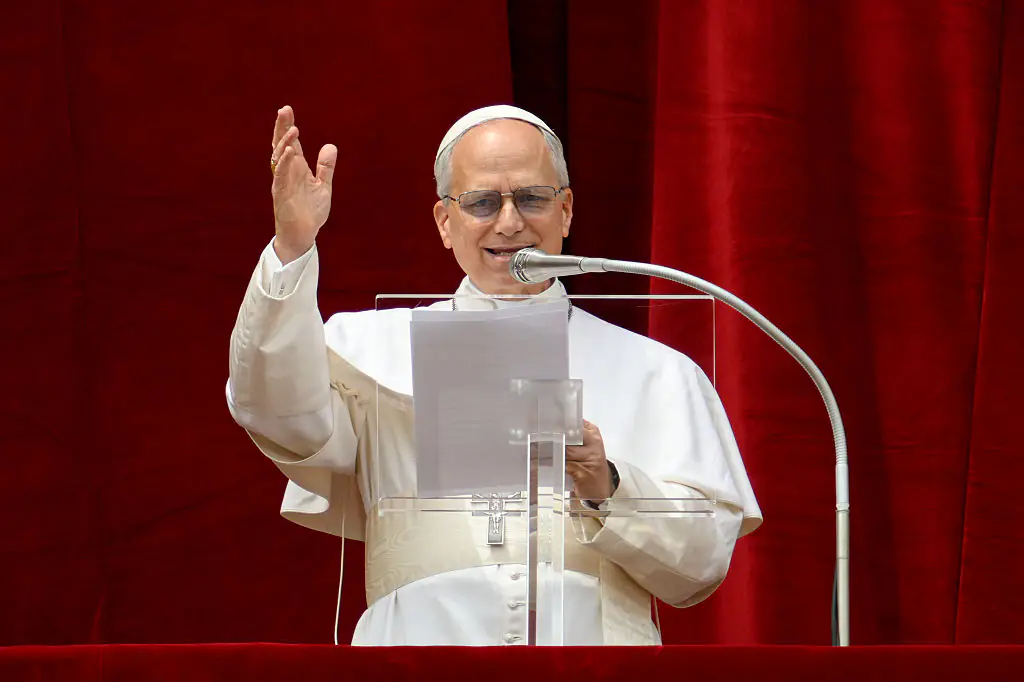
According to PC Mag, Pope Leo described AI as "a valuable tool that requires vigilance," provided it does not challenge human freedom and decision-making.
He drew on one of the Bible's most famous stories, comparing modern technological ambitions to the Tower of Babel, which was built as an act of human arrogance.
"Therefore, the primary choice is not between a ‘yes’ or ‘no’ to technology, but rather between constructing Babel or rebuilding Jerusalem; between a power that claims to dominate the heavens and a people who work together in the presence of God to rebuild the walls of fraternal coexistence," he penned.

Pope says AI cannot replace human wisdom
While Pope Leo acknowledged that technology is becoming more advanced, he rejected the idea that machines could ever truly match human intelligence.
"They may imitate language, behavior, and analytical skills, or even simulate empathy and understanding, but they do not understand what they produce, for they lack the affective, relational, and spiritual perspective through which human beings grow in wisdom," he said.
He also warned that AI could make it harder for people to tell the difference between real relationships and artificial ones.
"The artificial imitation of positive human communication - words of advice, empathy, friendship, and even love - can be engaging and at times genuinely helpful.
"However, for less discerning users, it can also be misleading, creating the illusion of a relationship with a real personal subject."
Furthermore, he raised concerns about the impact of technology on young people, pointing to research linking excessive and unsupervised screen time to mental health and developmental problems.
"In recent years, psychological and psychiatric literature has documented with growing insistence how early and unsupervised exposure to digital devices and social media can negatively impact sleep, attention span, control of emotions and relationships, especially during the most vulnerable stages of life, at times with tragic consequences."
JD Vance praises Pope's intervention
The Vice President, a Catholic convert who has generally supported AI innovation, welcomed the Pope's intervention despite not having fully read the document.
Speaking to NBC News, the 41-year-old said he had reviewed summaries and portions of the text and was impressed by what he saw.
"What I read of it sounds very profound, and the sort of thing that you would expect and hope from a leader of the church," he said. "The thing about morality is that the principles never change, but the way you apply those principles does, because the world changes, right?
"You have new technologies and warfare, so you have to update ‘Just War’ doctrine... New ways of human beings interacting with one another, so you have to kind of rethink the entire Catholic social teaching in light of the new world that we live in. And I think that’s exactly what the pope is trying to do. So I’m glad that he did it," he added.
Vance, whose views on AI have been shaped by both his Silicon Valley venture capital background and his Catholic faith, said the technology presents major questions about society's future.
"The technology, and I talked a little bit about this in the book, but it just raises such profound questions for how we interact with one another, what kind of skills we need in the workforce, the kind of wars that we’ll fight and how we’ll fight our wars," he said.
"I think we really need moral leadership to think through those questions, and that’s exactly what the church is the best leader to do," he added.
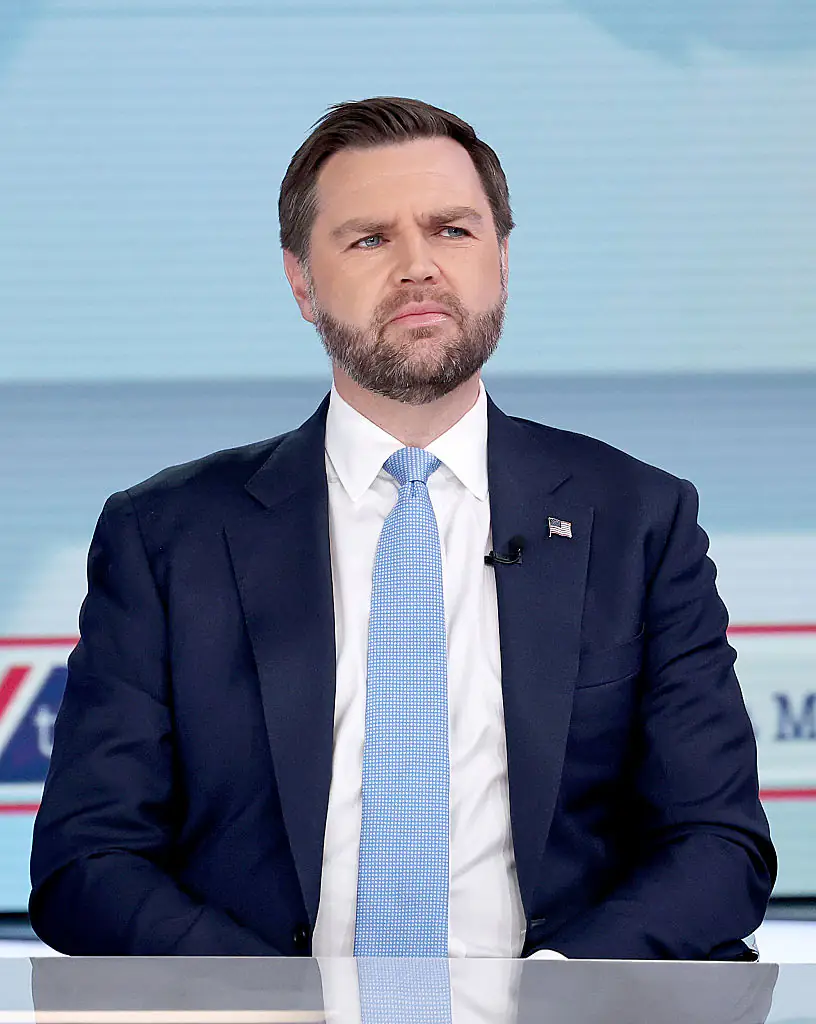
Vance's comments come after the Trump administration clashed with the pope over his criticism of the war in Iran.
In April, President Donald Trump called Pope Leo "WEAK on Crime, and terrible for Foreign Policy" in a Truth Social post.
The 79-year-old has also repeatedly claimed the Head of the Catholic Church supports Tehran having nuclear weapons, something the pope has never said.
Vance warned the pope to "be careful" when speaking about theological issues and pointed to the pope's anti-war comments.
"Now we can, of course, have disagreements about whether this or that conflict is just, but I think in the way that it’s important for the vice president of the United States to be careful when I talk about matters of public policy, I think it’s very, very important for the pope to be careful when he talks about matters of theology," he said.
"But I think one of the issues here is that if you’re going to opine on matters of theology, you’ve got to be careful. You’ve got to make sure it’s anchored in the truth, and that’s one of the things that I try to do, and it’s certainly something I would expect from the clergy, whether they’re Catholic or Protestant," he added.
In response, the U.S. Conference of Catholic Bishops said Leo’s views reflect the Church’s long-held position that war is only justified in "in self-defense, once all peace efforts have failed".