Uncategorised3 min(s) read
Footage released of two North Korean spies stealing missile plans from Ukraine in 2011

For over a decade, the nuclear armament of North Korea has been a consistent concern for all the nations making up the United Nations Security Council.
Since their first nuclear test back in 2006, many of the world's superpowers have condemned the weapons tests, and although China are North Korea's main ally, they have repeatedly urged the nation to stop their preparation of Weapons of Mass Destruction to little avail.
Now, new footage from the nation of Ukraine shows just how far North Korea is willing to go to stake its claim in the nuclear arms race. Ukrainian security services have released footage from the year 2011 depicting a small garage in Zhytomyr, where two North Korean spies can be seen gleefully photographing what they believe to be top-secret plans for a nuclear weapon.
This footage is part of a sting initiated by Ukrainian officials used to snare two North Korean spies six years ago, and it's been released in an attempt to clear Ukraine over alleged dealings with the East Asian peninsula in nuclear weapons technology.
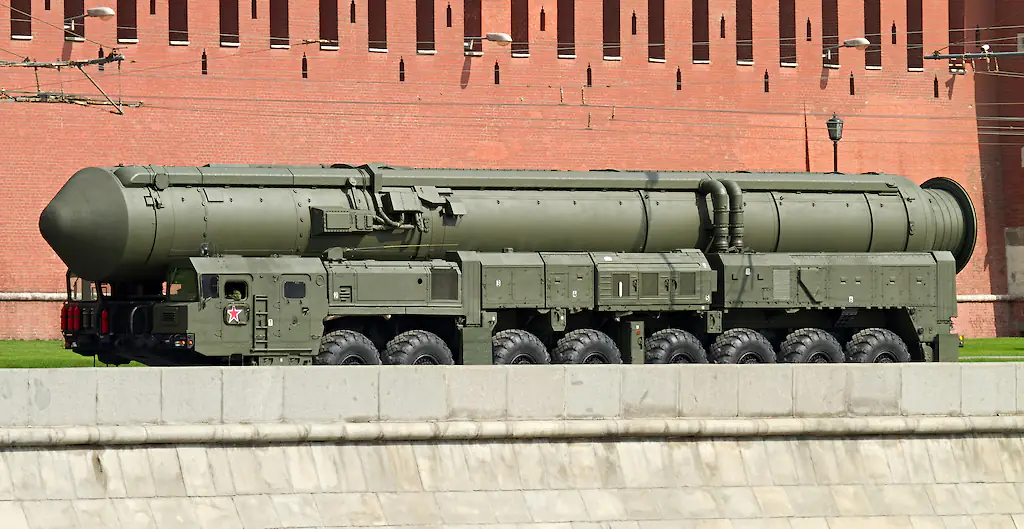
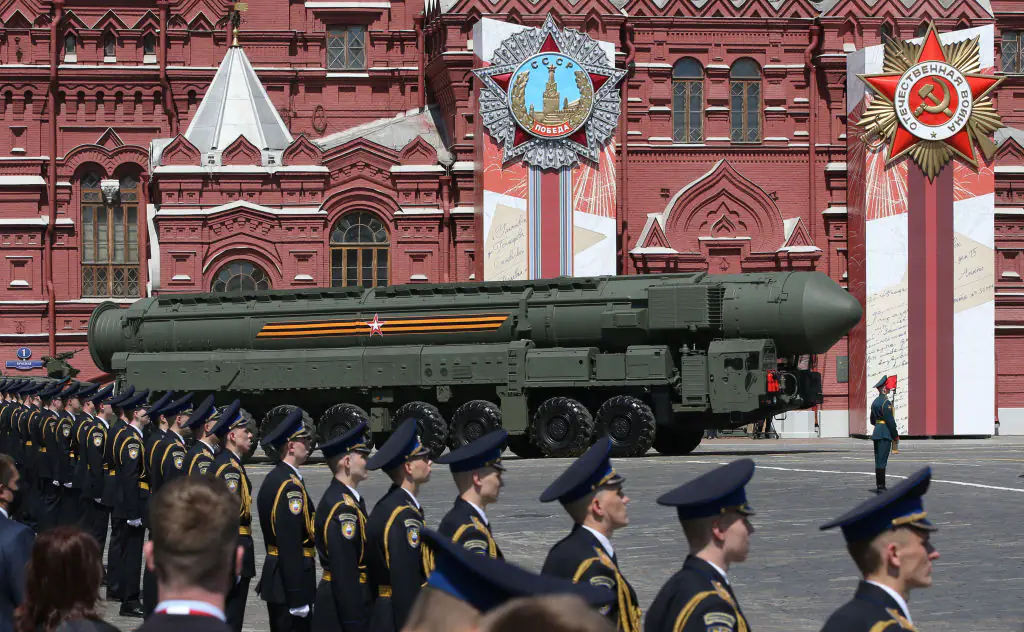
In recent times, the North Korean nuclear weapons projects has taken a significant leap forward. Their progress on a intercontinental ballistic missile has been especially curious, coming on leaps and bounds after a series of failed tests just last year.
US intelligence agencies suspect that North Korea were buying black market weapons from either Russia or the Ukraine, and a report released earlier this month by analysts at the International Institute of Strategic Studies (IISS) says that the technological changes would have to have been made to the RD-250 missiles in either of those countries.
"Rather, the technical skills needed to modify the existing RD-250 turbopump, or fashioning a new one capable of feeding propellant to a single chamber would reside with experts with a rich history of working with the RD-250. Such expertise is available at Russia’s Energomash concern and Ukraine’s KB Yuzhnoye. One has to conclude that the modified engines were made in those factories."
Ukraine, however, has strenuously denied such allegations, and have instead pointed the finger of blame at Russia, who also deny having worked with North Korea to build nuclear weapons.
An officer working in Ukraine's security service (who will remain anonymous due to his operational role) worked on this 2011 case, and said that it was "impossible" for North Korea to have received any missile plans from his country - he'd personally made sure of that.
Without going too much into detail, the officer also spoke of catching and deporting North Korean spies attempting to obtain "missile munitions, homing missile devices in particular for air-to-air class missiles", and as recently as 2015 he said that five North Koreans were deported for "assisting North Korea's intelligence work in Ukraine".
Ukraine's Deputy Minister for Justice Denys Chernyshov says the two men shown in the video were proven to be "well prepared, strong people", who had had very little contact with North Korea prior to their arrest.
Despite their efforts for their country, Chernyshov said their failure to obtain plans meant that "they cannot expect much of a hero's welcome on their return". They were both sentenced to eight years in prison.