


Health3 min(s) read
Doctor reveals sign that your stomach problems are actually bowel cancer

Bowel cancer is something that has been on the rise in young people in the US, but the symptoms are too easy to dismiss as being something minor.
According to the Colorectal Cancer Alliance, 158,850 people will be diagnosed with colon and rectal cancer this year, and 55,230 will die from the disease.
Known as the ‘deadliest cancer in people under 50,’ early intervention is life-saving when it comes to bowel cancer, as it can go undetected for years before treatment becomes ineffective.
Sadly, those symptoms that are often dismissed by patients and even doctors until it’s too late can mimic other less-serious illnesses.
Like irritable bowel syndrome (IBS), which impacts 15 per cent of the US, per John Hopkins Medicine.

IBS, per the site, usually causes symptoms such as diarrhea, constipation and abdominal pain, and it is usually triggered by stress or certain foods.
Because bowel cancer also presents the same symptoms, as well as bloating, changing bowel habits and blood in the stools, Dr Asiya Maula, a General Practitioner at The Health Suite, says there is one way to tell the two conditions apart.
And it may save someone’s life to know this.
She said the difference between IBS and cancer is the regular occurrence of 'incomplete' bowel movements.
Speaking with the Daily Mail, she said it is: “The sensation of needing to open your bowels even after you have just been to the toilet.”
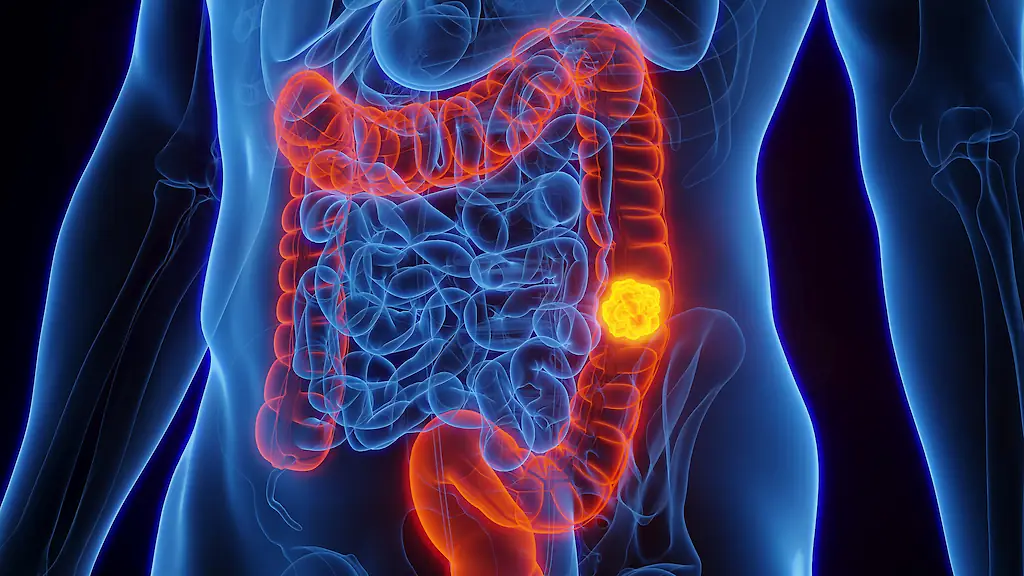
The expert explained that this is caused by a ‘growth’ in the anus, stating: “Medically, we call this incomplete bowel emptying.
"A growth in the bowel or rectum can sometimes cause a feeling of pressure or irritation, or partially obstruct the passage of stool, which can leave someone feeling as though they still need to go even after they have emptied their bowels.”
However, Dr Maula said there are more signs that can point to a tumor, such as developing anemia and feeling breathless as the blood isn’t able to carry oxygen as it should in your blood.
Of course, she also went on to discuss blood in the stool and warned younger people not to ignore this.
“Do not simply write it off because you are in your twenties, thirties or forties,” she said. “There is a tendency among younger people to wait and see if symptoms disappear, particularly when they are busy or think there is an obvious explanation.”
The expert added: “Your GP would much rather investigate a symptom that turns out to be harmless than have someone delay seeking help because they thought they were too young to have bowel cancer.”

This information follows a shocking study released this year, which found that 45 per cent of patients aged 21 and under at 34 US hospitals died of bowel cancer, and 37 per cent saw their cancer return within 12 months.
Abdominal pain was an early symptom in a third of the patients studied, and 45 per cent experienced a change in bowel habits.
According to Dr Maula, everyone needs to be vigilant, as she added: “It is important not to jump to conclusions about why rates are increasing while researchers are still investigating the causes.”



.webp_lli6Ty?tr=cr-74.9.445.380,f-webp,q-70,w-100)


.jpg_xKEaT0?tr=cr-0.328.2730.3058,f-webp,q-70,w-100)





.webp_lli6Ty?tr=cr-74.9.445.380,f-webp,q-70,w-1024)


.jpg_xKEaT0?tr=cr-0.328.2730.3058,f-webp,q-70,w-1024)
