


Relationships3 min(s) read
What is a ‘White Kiss’? Viral sex trend is increasing in popularity among couples
.webp_SmgFsc?tr=cr-292.0.1244.952,f-webp,q-70,w-100)
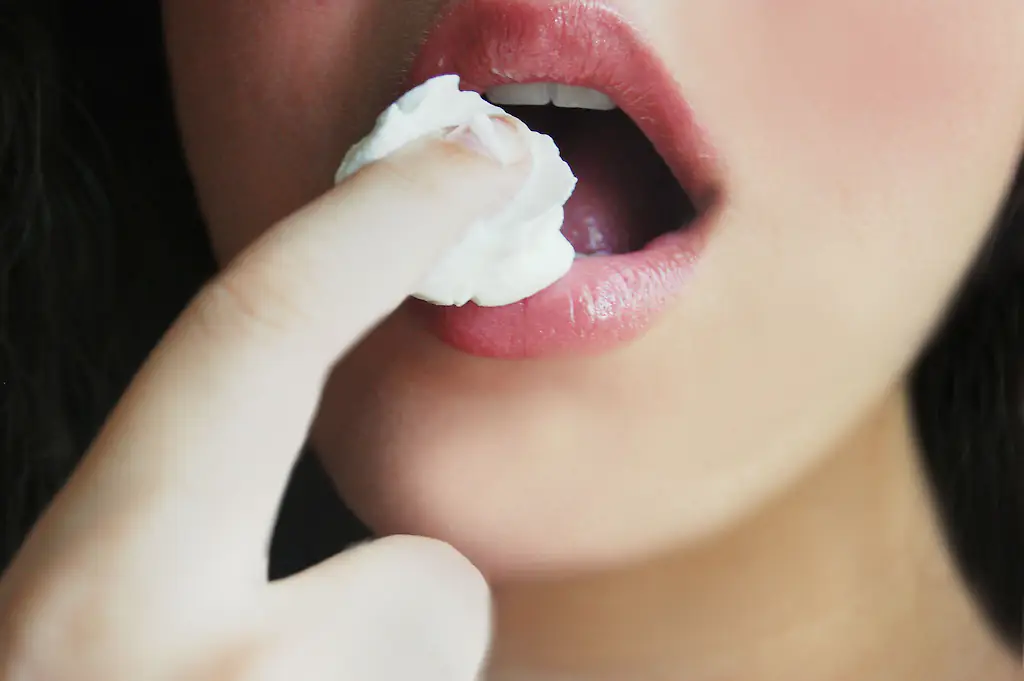
A new term for a post-oral sex kiss is circulating across social media platforms, sparking a broad conversation about intimacy, comfort, and the boundaries of sexual connection. Users online have dubbed the act a "white kiss," using it as a metric to judge a partner's security and mutual respect.
The practice, which involves kissing immediately after oral sex without cleaning up any bodily fluids first, has quickly become a modern relationship benchmark for many.
Those who view the trend positively argue that a willingness to share a post-oral kiss reflects a deeper level of comfort between partners. The prevailing sentiment online suggests that if a person is willing to perform oral sex, pulling away from a kiss afterward sends a negative message. For supporters, the act symbolizes total acceptance and removes any lingering shame often associated with bodily fluids.
However, the trend has also highlighted stark differences in how people react to the idea. While some view it as a genuine green flag for compatibility, others find the concept unappealing. The stark contrast in reactions comes down to how individual minds and bodies process arousal and aversion.
The science of arousal and disgust
The psychology behind why people react so differently to this trend is rooted in biology. Research published in PLOS ONE found a bidirectional relationship between sexual arousal and disgust toward bodily fluids.
This means that sexual excitement actively suppresses a person's natural disgust response, though this suppression is much stronger in individuals who already have a lower natural sensitivity to disgust.

For individuals with a higher sensitivity to bodily fluids, the disgust response that was temporarily turned off during sex returns almost immediately after the encounter ends. Because this shift happens so quickly, pulling away from a post-oral kiss is a predictable biological reaction rather than a sign of prudishness.
Gender differences and relationship health
Interestingly, resistance to the practice often comes from men. Sex researchers have noted that men carry a higher average disgust sensitivity toward their own bodily fluids. Some of this aversion stems from internalized discomfort around encountering those fluids in a sexual context.
How a person frames this boundary - whether they see it as a simple preference or a sexual hurdle - often reflects their overall comfort with their own body.
When partners are on the same page, however, kissing after sex offers distinct psychological benefits. Studies have found that frequent passionate kissing correlates with higher relationship and sexual satisfaction. A post-sex kiss reinforces emotional closeness in ways the act before it can leave unaddressed.
Health risks and communication
Before rushing to adopt the viral trend, couples should consider the medical realities. The risk of oral STI transmission from this specific kiss is comparable to the oral sex itself. Infections like gonorrhea and chlamydia can easily spread to the mouth and throat. If there is any uncertainty about a partner's sexual health status, getting tested first remains the safest choice.
Ultimately, navigating new trends requires open communication before entering the bedroom. Clear boundaries ensure that both partners remain comfortable, whether they choose to embrace the latest online phenomenon or opt out entirely.
.jpg_8tY7Or?tr=cr-0.0.1024.707,f-webp,q-70,w-1024)



.webp_QQJmGo?tr=cr-345.0.1535.1190,f-webp,q-70,w-100)







.jpg_MJ23zU?tr=cr-0.0.2309.1299,f-webp,q-70,w-1024)
.jpg_8tY7Or?tr=cr-0.0.1024.707,f-webp,q-70,w-525,h-200)
.webp_SmgFsc?tr=cr-292.0.1244.952,f-webp,q-70,w-1024)


.webp_QQJmGo?tr=cr-345.0.1535.1190,f-webp,q-70,w-1024)


.jpg_MJ23zU?tr=cr-0.0.2309.1299,f-webp,q-70,w-525,h-200)