ADVERT
US3 min(s) read
Published 15:57 09 Aug 2026 GMT
The chilling cause of death for nine skiiers killed in Tahoe has been revealed.
In February, nine people were killed in a catastrophic avalanche near Lake Tahoe in the Sierra Nevada mountains, which sits on the border between California and Nevada.
The avalanche in question, on February 17, struck a 15-person group near Castle Peak during what was deemed a historically intense blizzard.
The group included six clients and four guides who were killed. An extra four clients and one guide survived.
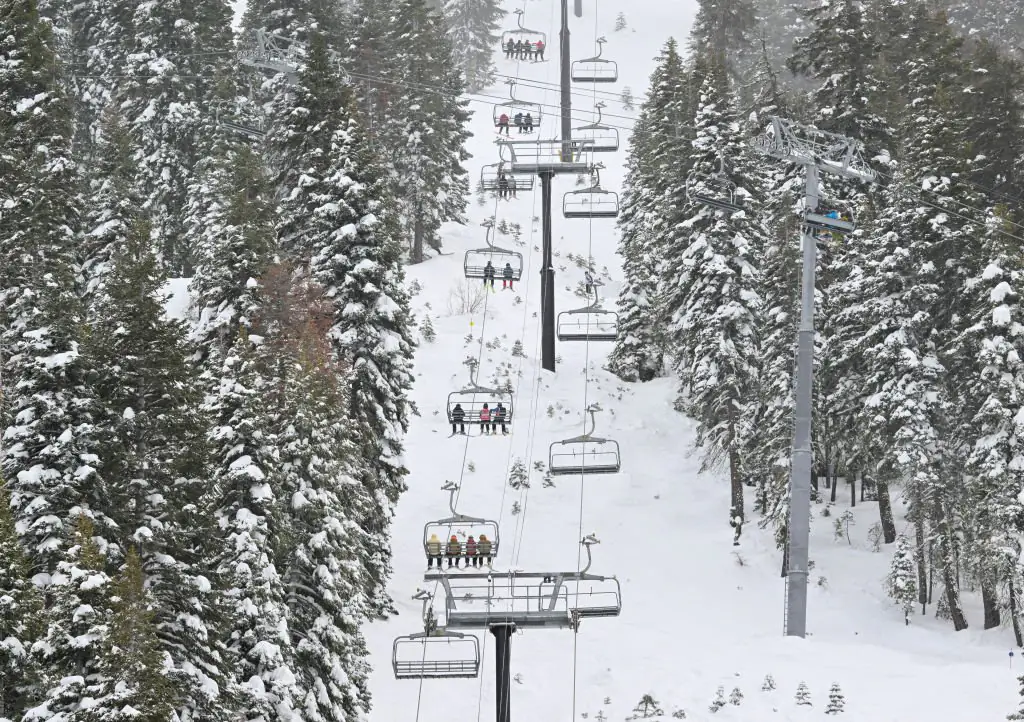
It was determined that the nine skiiers killed in Tahoe all died from suffocation, after being buried underneath five to six feet of snow.
Prior to the accident, there had been severe weather warnings issued for the area and people were advised to leave backcountry due to the extreme danger of an avalanche occurring.
Despite this, the group continued and got into trouble when they traveled too close to Perry's Peak, an area with rapidly falling snow.
At the time, a roughly 100-foot wide wall of snow broke loose and raced 400 feet down the mountain before burying all but two members of the group out on the slopes at the time.
The survivors dug through the debris to safety, rescuing four people, but could not save the rest.
Partially redacted coroner’s reports released Thursday list asphyxiation caused by snow burial as the cause of death for all nine victims, though the sections describing the conditions of the bodies were redacted.
An incident report filed by the Sierra Avalanche Center - who originally issued a warning for avalanches in the area - found that the group had violated avalanche protocols during its attempt to leave the backcountry.
The first search and rescue crews arrived at the scene of the avalanche at 5:36PM. Authorities first received notice of the avalanche at around 11:30AM that same day.
Those who had managed to climb out of the snow fall were, at that time, focused on keeping themselves and two people who were injured alive.
Once the rescue crews arrived, they dug eight of the nine bodies out of the snow, finishing their efforts at around 10PM.
Any further recovery efforts were halted by adverse weather for a further two days and on February 20, all nine of the victims' bodies were recovered and airlifted to Frog Lake Huts, the lodgings where the group had stayed before the tragedy struck.
The Nevada Sheriff County's Office has now closed its investigation into possible criminal negligence following the tragedy. Their findings now sit with prosecutors. This is just the next step in the legal investigation, and there's no guarantee charges will be filed.
us news2 min(s) read
Published 10:24 25 Jun 2025 GMT
world3 min(s) read
uk3 min(s) read
Published 11:34 19 Dec 2022 GMT
world2 min(s) read
Published 12:17 05 Feb 2020 GMT
As reported by BBC News, officials say at least eight rescuers have been killed by an avalanche during an attempt to rescue the victims of a previous avalanche that had hit a Turkish mountainside the day prior.
Approximately 300 rescue workers had taken to the mountainside in the Bahcesaray in Van province in Turkey (located near the eastern border with Iran), in an attempt to rescue survivors of an earlier avalanche that hit the area on Tuesday. The first avalanche claimed the lives of five people.
[[twitterwidget||https://twitter.com/CBSThisMorning/status/1225020656766586880]]
The alarm was initially raised by a construction worker who was caught in the snow on Tuesday evening, but thankfully managed to escape.
However, earlier today (Wednesday), a second avalanche hit, killing a further eight rescuers.
[[twitterwidget||https://twitter.com/Affanorhan/status/1224936332125974528]]
Now, more than 50 people are believed to be trapped in vehicles in the area, with The Independent reporting another 15 people still buried beneath the snow. Reports say 25 people have been rescued and transported to a local hospital for treatment.
Photographs taken at the scene show people being carried away on stretchers.
Per ITV News, NTV television has reported, adding that fog and heavy snow were hampering the rescue efforts.
Mehmet Emin Bilmezhe, the governor of Van province, confirmed that rescue teams - including specially trained dogs - had been sent to the region to help free those trapped and clear the area.
Published 12:35 02 Mar 2025 GMT
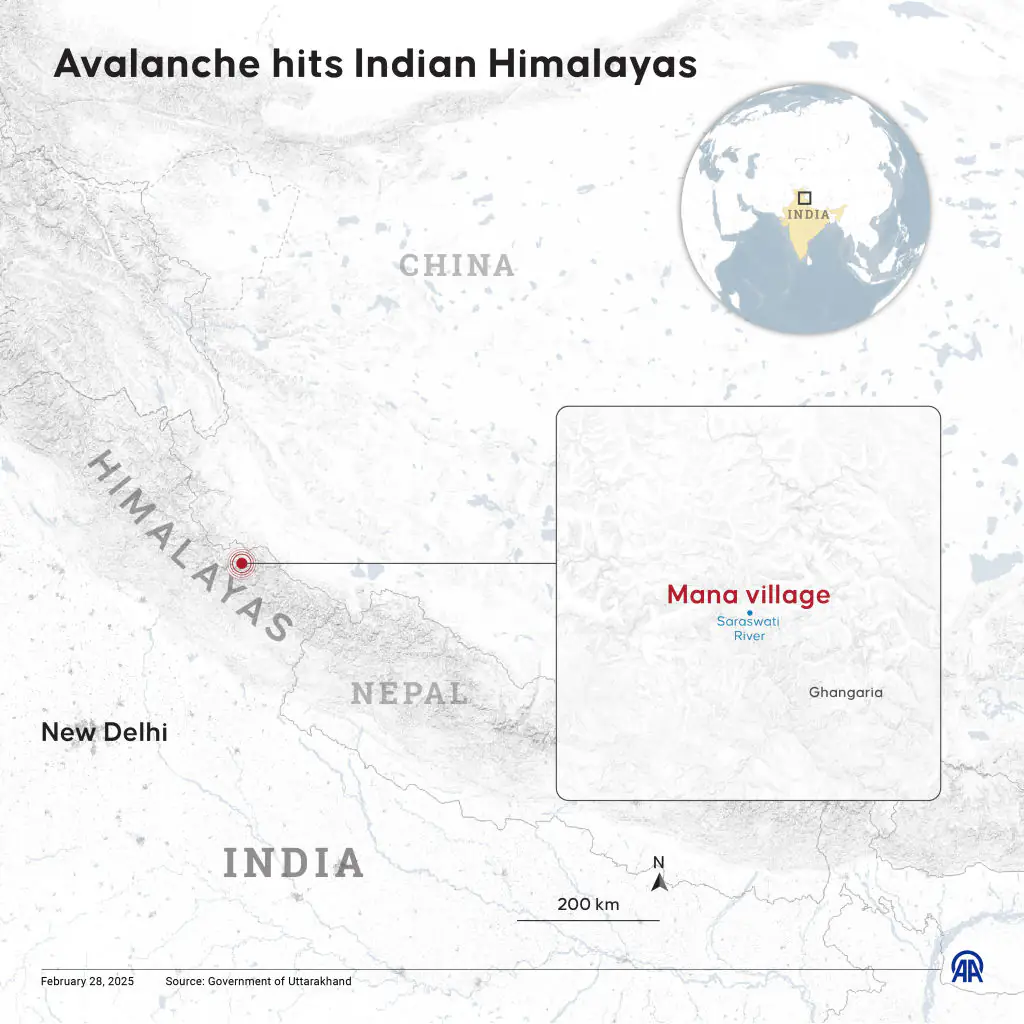
At least four people have died following a powerful avalanche in the village of Mana, in India’s northern state of Uttarakhand.
The tragic incident took place on Friday, February 28.
As well as killing at least four people, several others are still missing, per BBC News.
The avalanche, which hit a Border Roads Organisation (BRO) camp, buried dozens of road construction workers under snow and debris.
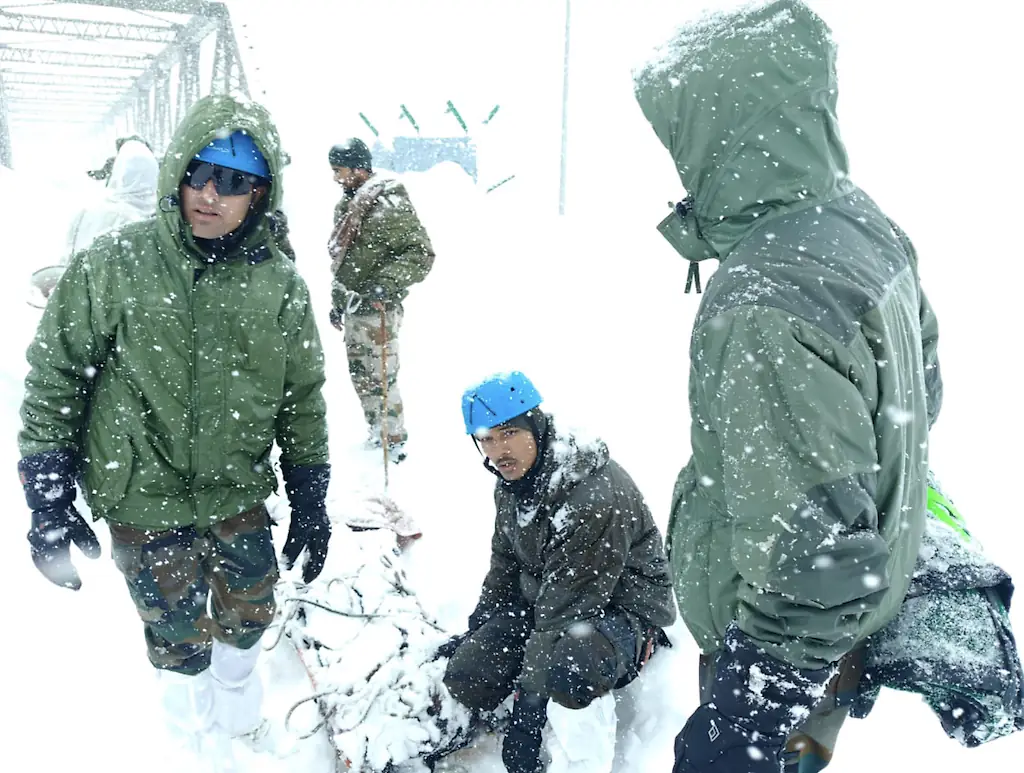
The Indian Army, Indo-Tibetan Border Police, and State Disaster Response Force (SDRF) launched a large-scale rescue operation, successfully pulling 50 people from the snow. However, four later died from their injuries, while five others remain missing (as of this writing).
The Indian Army has deployed helicopters, UAVs, and avalanche rescue dogs to assist in locating survivors.
In a statement shared on X (formerly Twitter), the army noted that “despite harsh weather conditions and continuing snow” teams were working around the clock to extricate the injured. Army doctors have been performing critical life-saving surgeries at the scene, treating those in serious condition.
Helicopters have been continuously evacuating the wounded, transporting them from the avalanche site to medical facilities.
Images shared by the Indian Army show rescuers trudging through thick snow, carrying injured workers on stretchers, and transferring them from helicopters to medical tents for treatment.
Authorities have been using specialized recco radars, UAVs, quadcopters, and avalanche rescue dogs to locate any remaining survivors.
Uttarakhand Chief Minister Pushkar Singh Dhami reassured the public that rescue teams were working tirelessly to save lives.
"The government is fully committed to providing all possible help to the affected people in this hour of crisis," Dhami said. "The safety of the affected workers is our top priority.
"The administration, army, and SDRF teams are continuously engaged in relief work."
Mana, the village where the avalanche struck, is a high-altitude area near the India-Tibet border.
Gaurav Kunwar, a former village council member, told BBC News that the affected area is a migratory region where only road workers and army personnel stay during the winter months.
"No one lives there permanently," Kunwar explained. "Only laborers working on border roads stay there in the winter. There's also some army presence there. We've heard that it has been raining in the area for two days. The road workers were in a camp when the avalanche hit."
AP has since reported that the four individuals who have died were all construction workers.
The India Meteorological Department (IMD) had previously issued heavy snowfall and rainfall warnings across northern India, with orange alerts for snowfall in:
Temperatures in the area at the time of the avalanche had dropped to 10°F (-12°C), creating treacherous conditions for both residents and rescue workers.
With five workers still missing, authorities remain on high alert for further avalanches or extreme weather events. Rescue teams are racing against time to locate any survivors before conditions worsen.
Despite the harsh environment and ongoing snowfall, the Indian Army and disaster response teams continue their search and rescue operations, vowing to do everything possible to find the missing.
Our thoughts go out to the rescue teams working to save lives and to every person impacted by this tragedy.
Four boys tragically lost their lives after falling into a frozen lake in the UK in December, and the causes of death have now been revealed by the coroner.
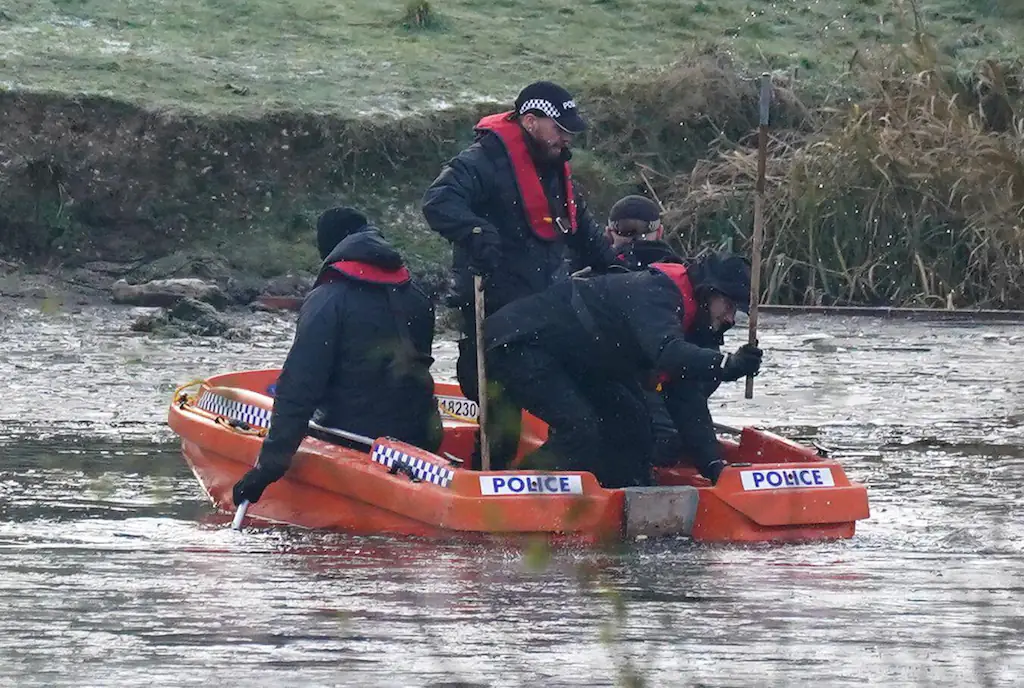
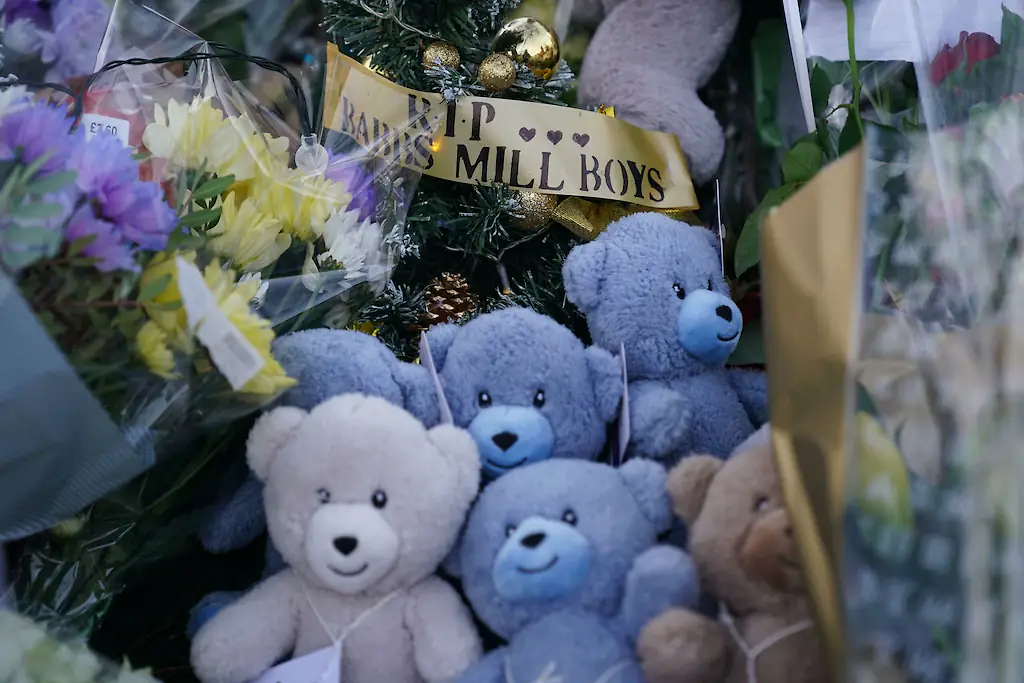
The tragic news broke last week (December 11) that three children lost their lives after falling into an icy lake in Babbs Mill Park in Solihull, UK, and a fourth was in critical condition, but later also died.
It was reported that the boys suffered a cardiac arrest after falling into the freezing cold water and were rushed to hospital before passing away. They have been named as Finlay Butler, eight, his brother Sam Butler, six, their cousin Thomas Stewart, 11, and Jack Johnson, 10.
Six-year-old Sam fought for his life in the hospital but died on December 14. Via a statement on the West Midlands Police Facebook account, Finlay and Sam's parents, Daniel Butler and Gemma Haran, as well as Thomas' parents, Rebecca and Richard Stewart shared a statement.
They thanked the emergency services for their efforts in saving the boys, and also offered their condolences to Jack's family while asking for privacy in their time of grief.
Senior Coroner for Birmingham and Solihull Louise Hunt has now revealed that all four boys died from drowning. She referred to the incident as a "devastating tragedy" and concluded: "I think, in respect, it is fair to say they very sadly died from the effect of drowning," per the Sun.
Jack Johnson, 10, was also hailed as a hero after he lost his life in the lake while attempting to rescue the other boys who had fallen in, despite reportedly not knowing them.
Jack's aunt paid tribute to her nephew on Facebook, writing: "My nephew seen (sic) one go through the ice and he ran and tried to save them. We are just broken over it and to find out he died trying to save three lads he didn't even know, that just sums him up, he was amazing," as cited by the Daily Mail.
Supt Richard Harris from the West Midland Police also previously revealed the heroics of an officer who attempted to punch through the ice to get to the boys.
Speaking to reporters via the BBC, he said: "One of my officers was trying to punch through the ice to actually rescue the children themselves."
The officer suffered mild hypothermia but was released from the hospital after being taken in as a precaution.
Our thoughts are with the four boys, their families, and their friends.
Published 09:45 09 Dec 2025 GMT
A woman has died after her partner allegedly left her on a mountain slope to freeze, and now faces criminal charges.
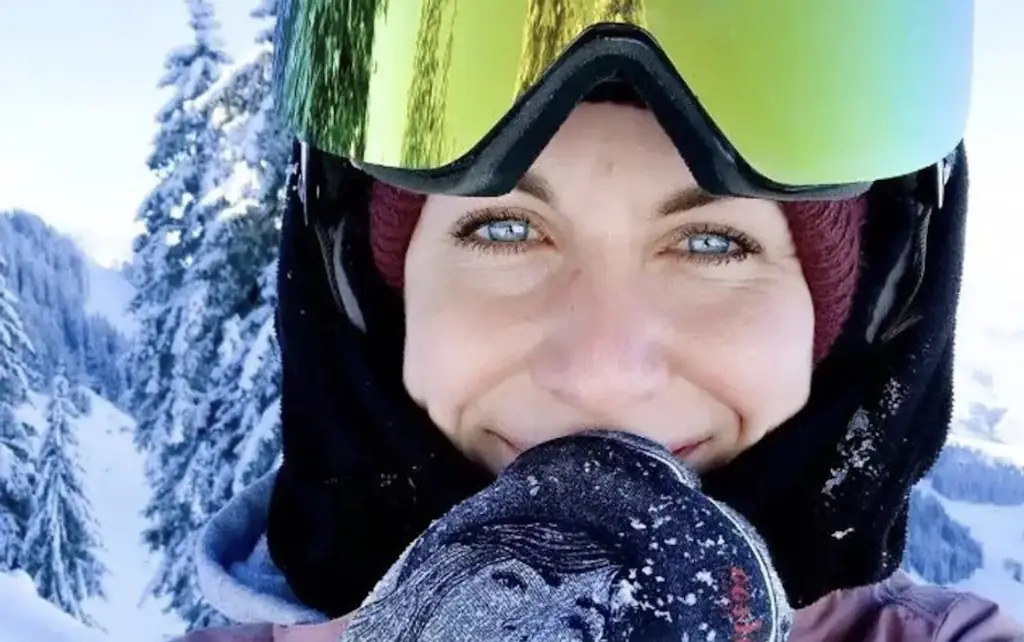
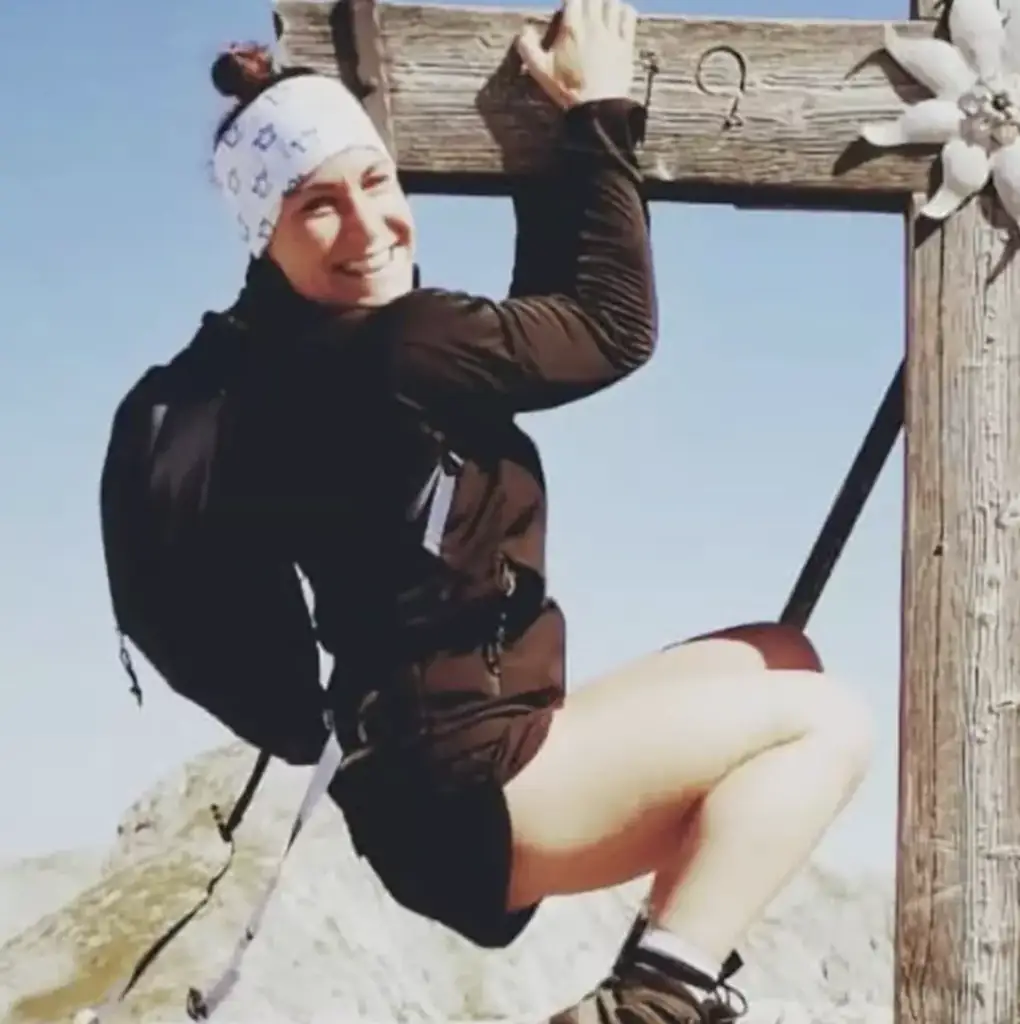
The incident occurred on 18 January 2024, when 33‑year-old hiker Kerstin Gurtner was climbing Grossglockner - Austria’s highest mountain - with her boyfriend, a seasoned mountaineer named Thomas Plamberger. The climb turned deadly when temperatures dropped to –20 °C.
According to prosecutors, Gurtner’s legs gave out roughly 150 feet below the summit at about 9:50PM. Plamberger left her on the mountainside at around 2:00AM to seek help. Roughly six hours later, she was found dead from exposure. The first helicopter rescue attempt was aborted at 7:00AM because of strong winds. A rescue team located her body three hours after that.
Per Heute, prosecutors describe Gurtner as having been left on the mountain “defenceless, exhausted, hypothermic and disorientated.” They say she was only about 50 metres below the summit cross when her partner decided to descend alone in search of assistance.
Plamberger had planned the tour and was experienced with high‑altitude alpine climbs. Gurtner, by contrast, had never attempted a winter climb of this difficulty, length, or altitude. Prosecutors argue that he assumed the role of de facto guide and bore responsibility for her safety.
Despite the severe winter conditions and Gurtner’s lack of mountaineering experience, Plamberger chose to undertake the climb to Grossglockner via the challenging Stüdlgrat route in winter.
Prosecutors say he failed to alert emergency services as darkness deepened, and did not attempt to signal a police helicopter that flew overhead at around 10:50PM. They also claim he neglected to move her to shelter or make use of a bivouac bag or foil blanket, leaving her vulnerable to freezing conditions.
Plamberger is now charged with manslaughter by gross negligence. If convicted, he faces up to three years in jail.
In a now‑deleted social media post following Gurtner’s death, he wrote a message to his girlfriend (via Bild): “I miss you so much. It hurts so incredibly much. Forever in my heart. Without you, time is meaningless.”
He disputes the charges, calling the case a “tragic, fateful accident,” and claims that leaving her was “by mutual agreement.” His trial is scheduled to begin in Innsbruck next February.