


US4 min(s) read
Could Christa Pike be saved from a second execution by 'Act of God'?
.jpg_I4Ebof?tr=cr-0.338.2730.3068,f-webp,q-70,w-100)
With Christa Pike’s future up in the air after her botched execution, a lot of people are interested to know where she might end up.
Could she face a second execution attempt, or will she have her sentence commuted to life without parole - and is there an argument that she was saved by an ‘act of God’ or not?
Christa Pike is the first survivor of the lethal injection
On September 30, Pike - now 50 - was due to be executed for the 1995 murder of Colleen Slemmer.
She was taken to the execution chamber where the witnesses - including the mother of her victim - were gathered, but the expected outcome never materialized.
Pike was given two doses of the controversial drug pentobarbital and initially seemed to be sinking off into unconsciousness and death.
Despite asking a question and then being heard to be ‘snoring’ she woke up and it became immediately clear that things had gone very wrong.
She was taken to hospital where she received emergency medical care and remained in a serious - potentially brain damaged - condition until yesterday.
Now, she is awake and speaking to her lawyers, who have argued that she should not be put through an ordeal that they called ‘chemical torture’ again.
But, is there an argument that she is the recipient of divine justice?
Some have certainly argued that an ‘act of God’ could be declared, meaning that she cannot be executed again.
Unfortunately, as is so often the case, things just aren’t that simple.
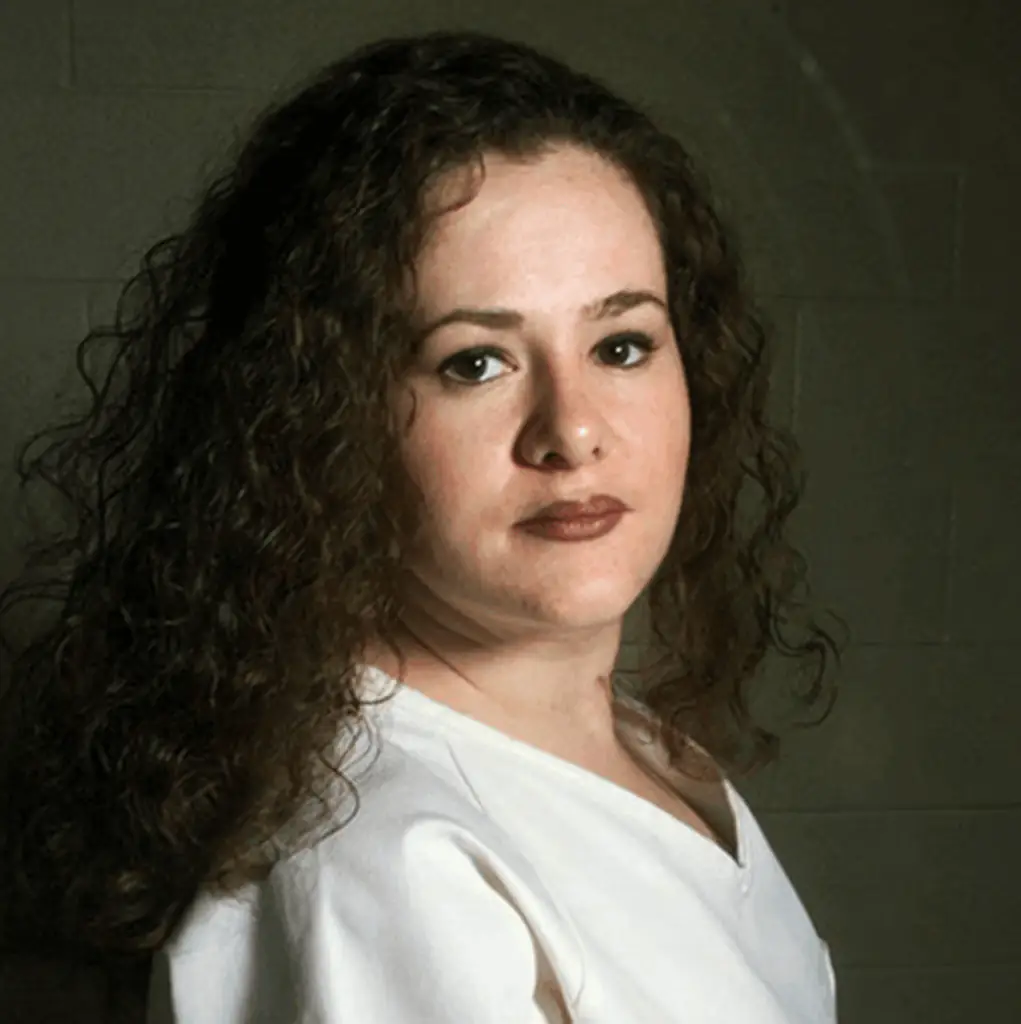
Is there an ‘act of God’ argument for Christa Pike?
Simply put, there are some obvious reasons why this might not apply to Pike.
In terms of what constitutes an act of God, the first criteria is widely to be something that has no human cause.
A tree falling on a car, a lightning strike - these are acts of God.
Surviving a lethal injection by its nature involves human cause - someone put the IV in - so this is unlikely to help Pike.
Other regular contributors to an act of God argument include things being unavoidable or unforseeable.
Moreover, the idea of an act of God tends to hold only in terms of liability or insurance, or contract law - although this is often called ‘force majeure’ instead.
Basically, it’s not the 1600s, and you can’t appeal to the idea that God decided that Pike must live, therefore her sentence is complete.
It’s not, and it likely will not be, whether she eventually ends up facing execution or life imprisonment in the end.
However, it’s a common misconception.
Why do people believe this?
Way back when, people believed that if a death sentence was ordered but was somehow stopped from being carried out or couldn’t be completed, it was the will of God that it didn’t happen, or that the person should live.
That old ‘habit’ has died hard.
While Pike may not be executed, it won’t be because of some divine mandate to keep her alive.
Interestingly, there was some religious context to the Christa Pike case, as the Bishops of Tennessee argued that her sentence be commuted after the failed execution.
In a joint statement, the Catholic and Episcopal Bishops of the state called on Governor Bill Lee to spare Pike’s life.
They acknowledged the horror and brutality of her crime, but added: "Yet accountability need not require another death.”
The religious leaders argued that ‘every human being bears the image of God’ and said that wrongdoing doesn’t exclude the potential for repentance or redemption.
Arguing for a change to her sentence, they said: "Such an act does not deny justice,
"It declares that justice need not become vengeance and that the State of Tennessee can choose restraint, human dignity, and mercy.”
Several popes, including the current Pope Leo XIV and his predecessor Pope Francis, have also argued against the death penalty.
However, even if the wishes of these esteemed religious leaders are heeded, it won’t be because of an act of God that Pike is spared.