


US4 min(s) read
Crucial $152 'mistake' investigators made that may have cost Nancy Guthrie her life

Investigators searching for answers in the disappearance of Nancy Guthrie continue to focus on one key piece of evidence that has been available since the beginning of the case, a Bitcoin wallet provided by the people behind a ransom demand.
According to cryptocurrency specialists, the ransom communications and the wallet itself suggest the perpetrators may have been inexperienced.
Some investigators are also reportedly questioning whether a decision made early in the investigation may have cost them a valuable lead.
What was the decision that may prevented progress?

The case centers around a ransom email sent to Guthrie’s family demanding $4 million in cryptocurrency in exchange for her safe return.
The message reportedly included details about Guthrie’s home and an Apple Watch that had not been made public. A second email, sent from the same IP address, later claimed that Guthrie had died.
Sources familiar with the investigation told Air Mail that detectives from the FBI and the Pima County Sheriff's Department are now reconsidering their decision not to send the full ransom payment.
Instead of transferring $4 million, the FBI reportedly deposited just $152 worth of Bitcoin into the wallet. The goal was to see whether the suspects would move the funds, creating a digital trail that investigators could follow.
However, the money remains untouched.
What have experts said?
Crypto experts say criminals seeking a large ransom would normally try to move the funds quickly.
"[The suspects] would want to get those $4 million off chain as fast as they can," said Ari Redbord, global head of policy at TRM Labs.
He explained that criminals often use mainstream cryptocurrency exchanges, adding: "They are typically using mainstream exchanges like Coinbase or Kraken that have that user information. … Law enforcement can then subpoena them for that information."
Instead, authorities chose a tactic known as "tickling the wire," which involves sending a small amount of money in the hope of triggering movement within the account.
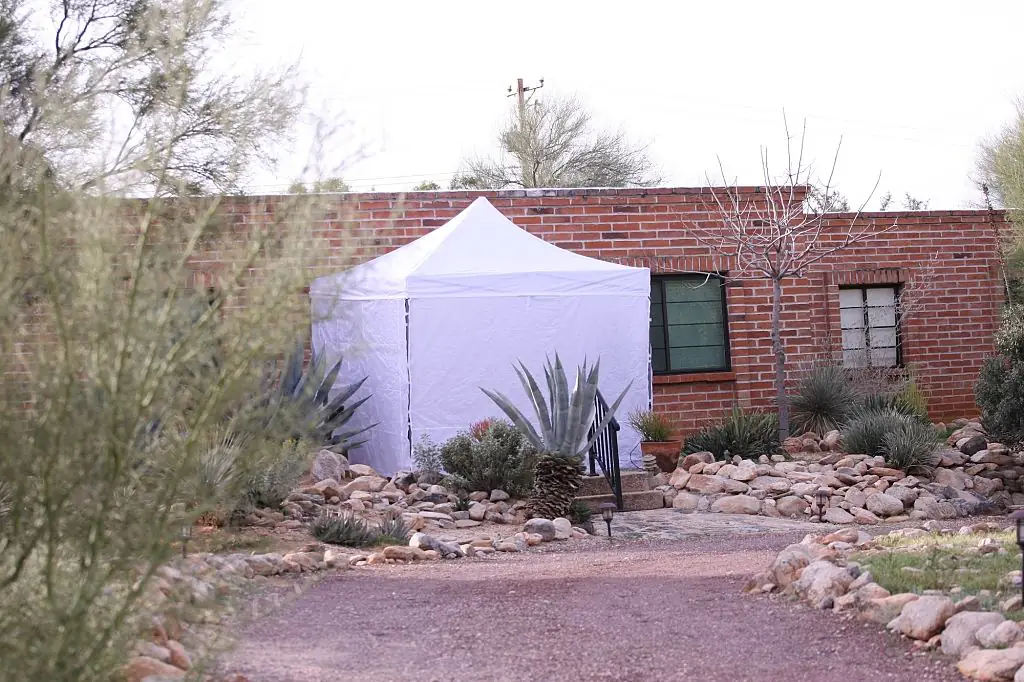
Some experts believe the approach may have worked given what appears to be the amateur nature of the alleged kidnappers.
Attorney Todd Spodek, who specialises in cybercrime cases, argued that the circumstances suggest a lack of sophistication.
"An actual, sophisticated operation wouldn't have gotten involved in a kidnapping conspiracy turned homicide. That alone says it's rookie s**t," he said.
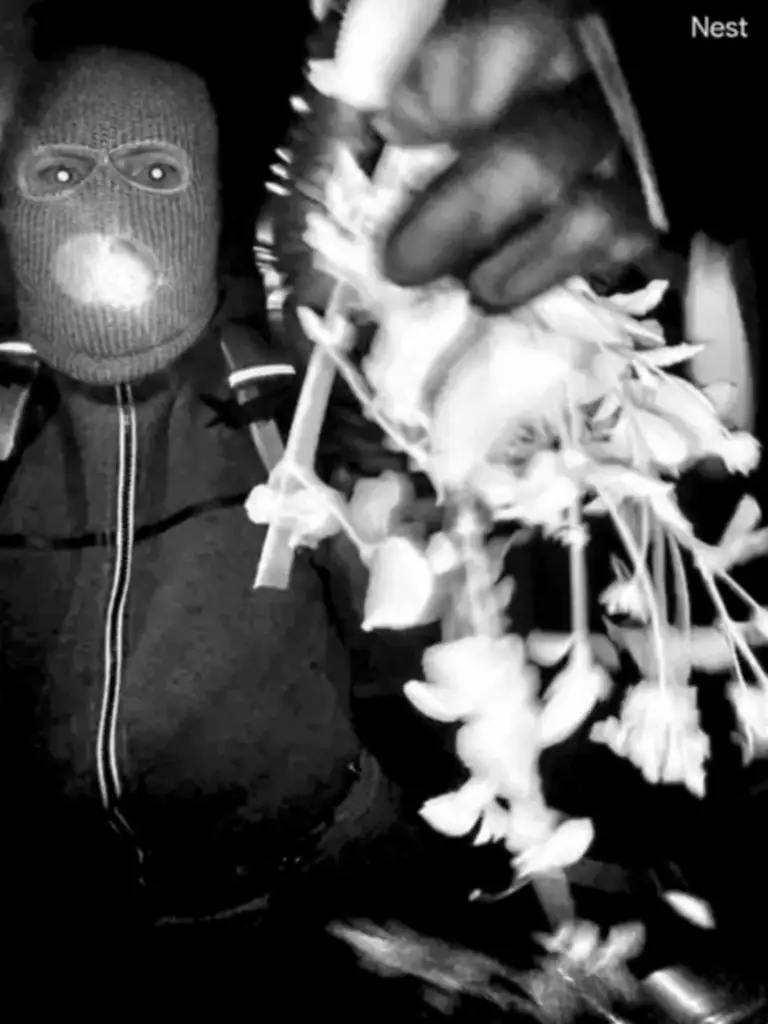
The investigation has already revealed footage of a suspect wearing what was described as a makeshift disguise consisting of Walmart-bought items, including gloves and a mask, while attempting unsuccessfully to disable Guthrie's doorbell camera. The individual was also reportedly carrying a firearm awkwardly tucked into their waistband.
Even if someone more technically skilled was involved, Spodek remained sceptical, describing the alleged scheme as "some f**king, and I don't know any other word than the yiddish, but some farkakte plan."
Despite the debate over the ransom strategy, both Redbord and Spodek said there were legitimate reasons for authorities not to send millions of dollars.
"Law enforcement is often placed in a Catch-22 situation, damned if they do, damned if they don't," Spodek explained.
He added that there was no guarantee the suspects would have moved the money even if the ransom had been paid.
"They could have sent a large sum of money, and it could have gone nowhere. The suspects might have panicked and left it sitting in the wallet for 10 years. Or forever. It's hard to negotiate with a terrorist. These are not rational people."

Meanwhile, investigators continue working to identify the person or people behind the emails by tracing a network of proxy servers allegedly used to conceal their identities.
Authorities have also continued to pursue several other leads, including questioning and releasing multiple persons of interest, visiting gun stores in the Tucson area, and even examining possible DNA evidence.
Despite efforts from investigators, the investigation still remains unresolved as it enters its fifth month, with detectives still searching for the breakthrough that could identify those responsible.


.jpg_I4Ebof?tr=cr-0.338.2730.3068,f-webp,q-70,w-100)

.webp_lli6Ty?tr=cr-74.9.445.380,f-webp,q-70,w-100)




.jpg_I4Ebof?tr=cr-0.338.2730.3068,f-webp,q-70,w-1024)


.webp_lli6Ty?tr=cr-74.9.445.380,f-webp,q-70,w-1024)

