


US5 min(s) read
Death Row guard reveals disturbing moment changed how he saw people and still haunts him decades later

A former Death Row prison officer has opened up about the experiences that continue to haunt him decades after leaving the job, including one disturbing incident that permanently changed the way he viewed other people.
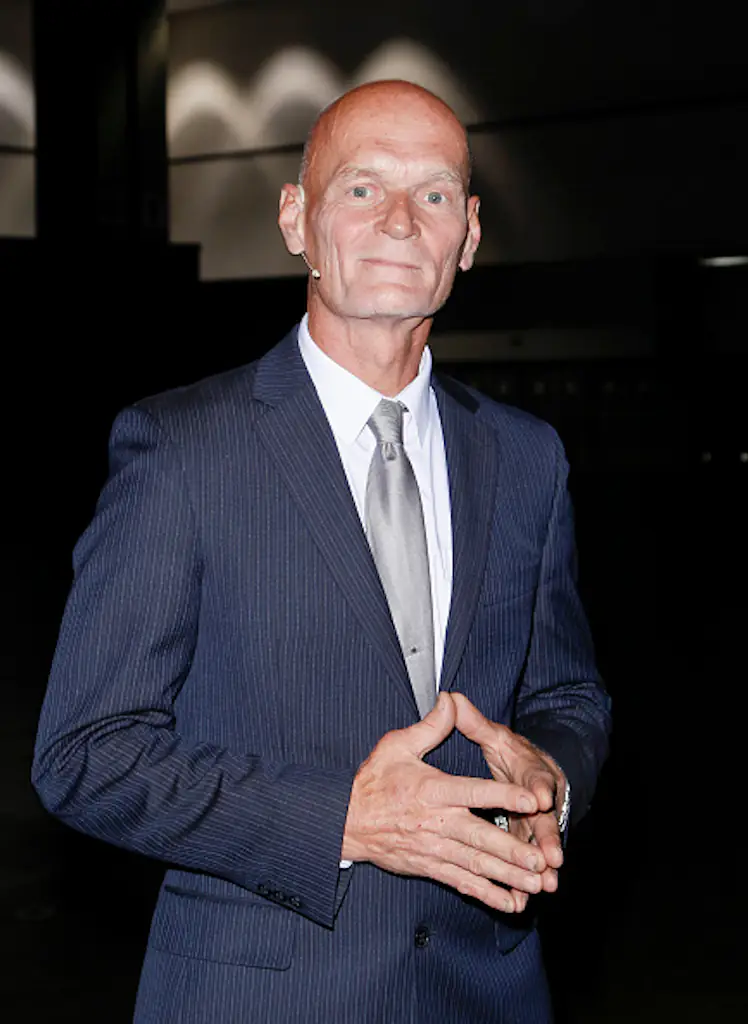
David Beechy grew up in an Amish community before leaving to build a different life. He eventually trained as a correctional officer and spent 14 months working inside a Tennessee prison housing Death Row inmates.
Death Row guard discusses the job
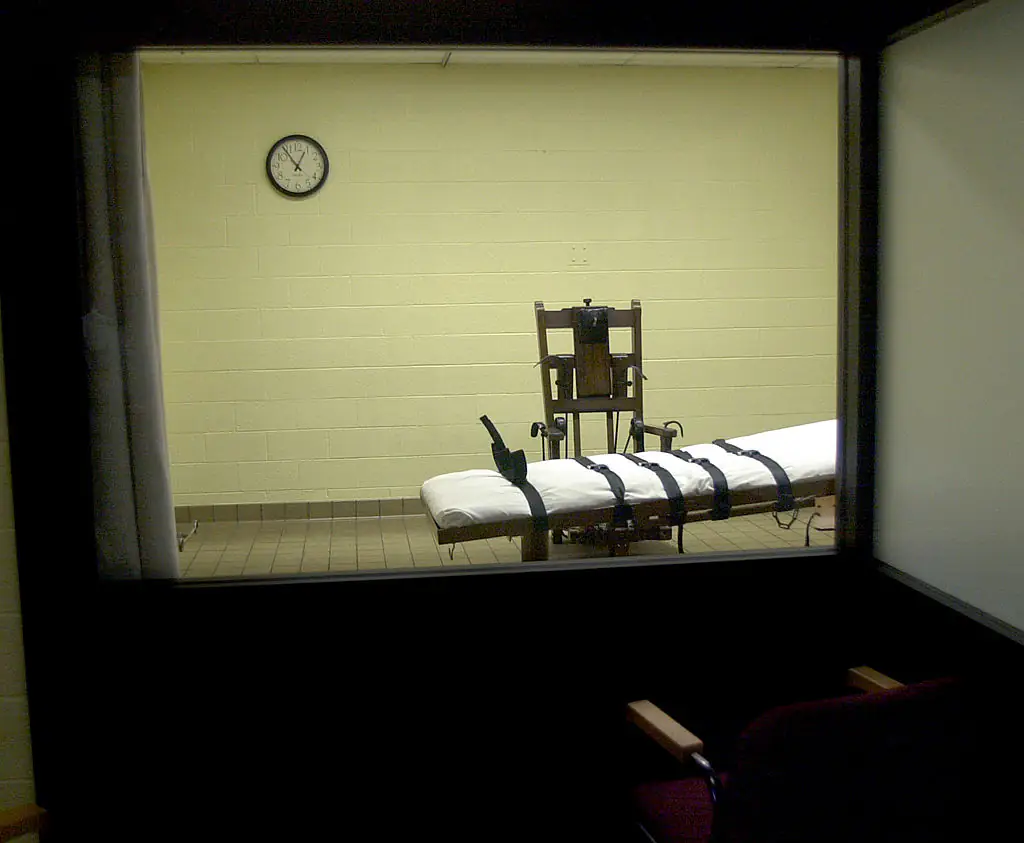
Although he initially viewed the role as simply a job, the experiences he witnessed had a lasting psychological impact and ultimately convinced him that working in law enforcement wasn't for him.
Speaking to Rise Above with Kevin Lanning, David described the job as "a crazy adrenaline rush that never happened because you're always on guard, you're always watching."
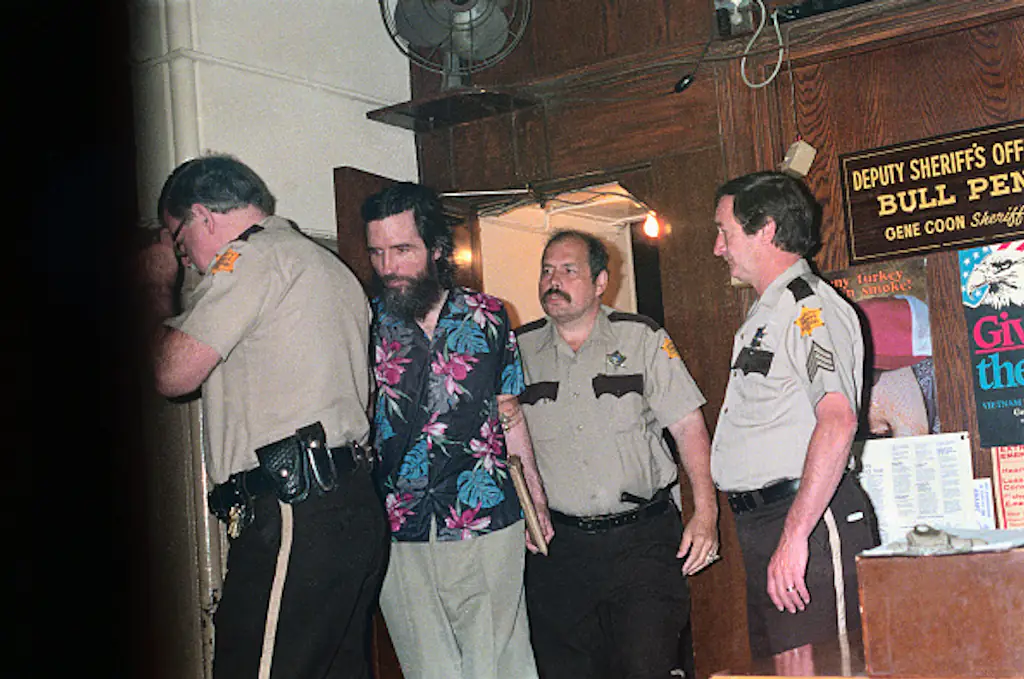
Conditions varied considerably between prisoners. Some were permitted just an hour of recreation and a 15-minute walk, while others could spend up to eight hours outside their cells without handcuffs. Despite their circumstances, David said many inmates behaved themselves.
"A lot of guys had been there 15, 20, 30 years – that's a lot of time to get that young vinegar out of your system and realize you're there for the long haul," he explained.
Officers were also expected to maintain extremely high standards because prisoners' lawyers could potentially challenge their conduct.
"You had to behave well as a CO because their lawyers were looking for a reason to sue you. You were held at a very high standard," David said.
He added that the prison captain carefully selected officers who were unlikely to constantly provoke confrontations with inmates.
"He would try to choose guys who he knew weren't coming in to pick a fight every other day," he said.

How one moment changed David's perception
Over time, however, David's perception of Death Row inmates changed significantly.
"I've thought a lot more about death row people since I've not worked there," he admitted.
One prisoner was only around two years older than David, prompting him to consider how little separated the two men in age.
"Man, there's not that much difference between you and me," he recalled thinking.
David also believes the public can struggle to understand how dramatically someone can change during decades on Death Row.
"Some of those guys that have been on Death Row for 20 years are not the same person," he said.
While acknowledging that they should still face punishment, David added: "They're no longer that kid chopped up on drugs going around killing people for 60 bucks to get their next hit."
But one event in particular remains firmly lodged in his memory: witnessing an execution.
David said the atmosphere inside the entire prison changed in the weeks surrounding it.
"They executed one inmate during my time there and the whole unit changed. In the few weeks leading up to it and about a week afterward everything was just quiet, just eerily quiet."
He recalled prisoners refusing to attend recreation and described the period as an "extremely high stress situation."
David also remembered conducting a strip search on a prisoner after the man was informed that his execution date had been set and his appeals had been exhausted.
"It was like he had just left. His body was there but he had just checked out," David recalled.
The prisoner began giving away belongings during the following day because he knew he would no longer need them.
"For me now it's so crazy to see someone you know is completely healthy see that date come along," David said.
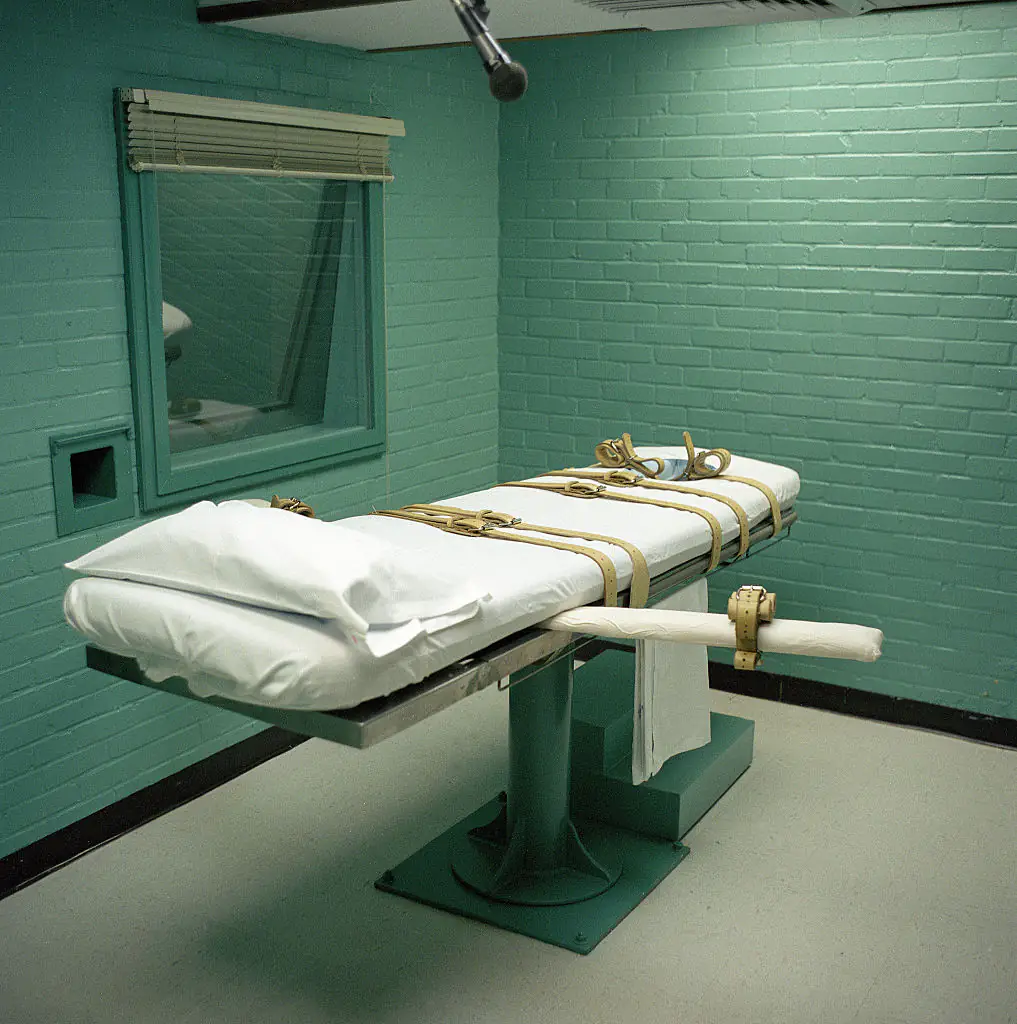
Another incident was considerably more graphic. David recalled an inmate experiencing a psychotic episode in which he seriously injured himself.
"One of the inmates tried to cut his own penis off. That was probably the craziest and grossest things," he said.
According to David, the prisoner was hearing voices and repeatedly cutting himself.
"This guy was cutting at an angle and cutting back in towards his stomach and cutting several inches deep. He was having a psychotic episode."
The man was subsequently treated and placed on medication.
The experiences have continued to affect David long after leaving the prison. He says he still prefers sitting with his back against a wall and instinctively watches people's body language and behavior.
Now a husband and father, he believes becoming a parent has made him reflect on his former career differently.
"Now looking back and realizing what I was in the middle of – it's just you doing your job and you don't think about it that much," he said.
"I would say it affects me more now more than it ever has, maybe it's because I have kids."
Ultimately, David realized that the environment was not something he wanted to remain in.
"I just realized it wasn't for me," he explained. "At that point I kind of knew law enforcement wasn't for me."
Having grown up Amish before entering such an intense environment, he said the experience changed the way he viewed humanity - something he didn't want to carry with him permanently.
"Growing up Amish and moving into such a high stress environment I just realized I don't want to see people the way that makes you see people."
David said some former colleagues managed to maintain a healthier balance between work and their personal lives, while others became completely consumed by the job.
"They go through four marriages and their kids don't talk to them because they live this crazy not normal life," he said.
"The way you see humans is not the same."
.jpg_I4Ebof?tr=cr-0.338.2730.3068,f-webp,q-70,w-100)
.jpg_xKEaT0?tr=cr-0.328.2730.3058,f-webp,q-70,w-100)


.jpg_u2Mc6g?tr=cr-0.0.4032.3024,f-webp,q-70,w-1024)






.jpg_I4Ebof?tr=cr-0.338.2730.3068,f-webp,q-70,w-1024)

.jpg_xKEaT0?tr=cr-0.328.2730.3058,f-webp,q-70,w-1024)


