


US4 min(s) read
Iran issues warning to US after Trump’s revenge strikes over downed helicopter

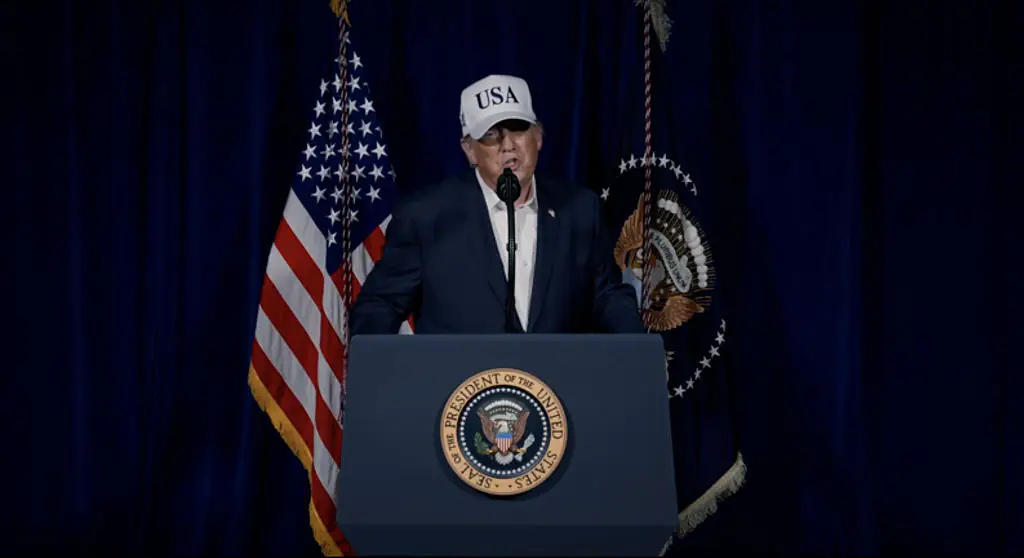
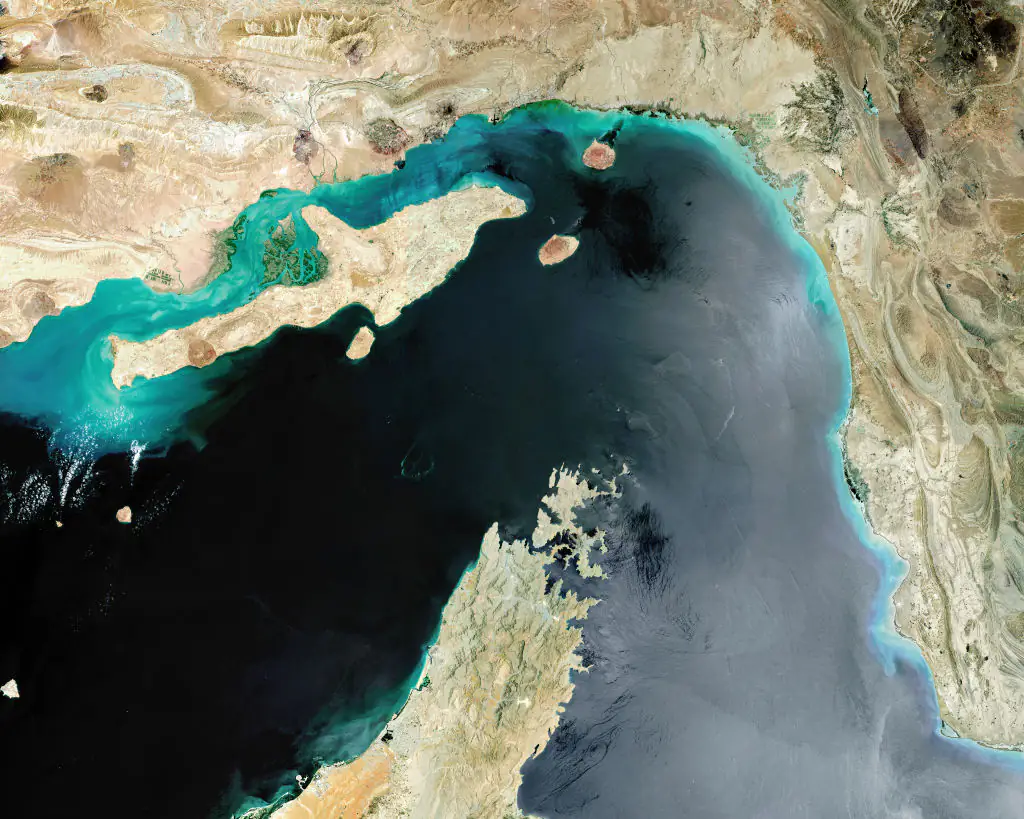
Iran has warned that US forces face a "dire fate" after Donald Trump ordered military strikes in response to the downing of an American helicopter near the Strait of Hormuz.
The 79-year-old accused Tehran of shooting down a US Army Apache helicopter that had been patrolling the waterway, which is one of the world’s most important oil shipping routes.
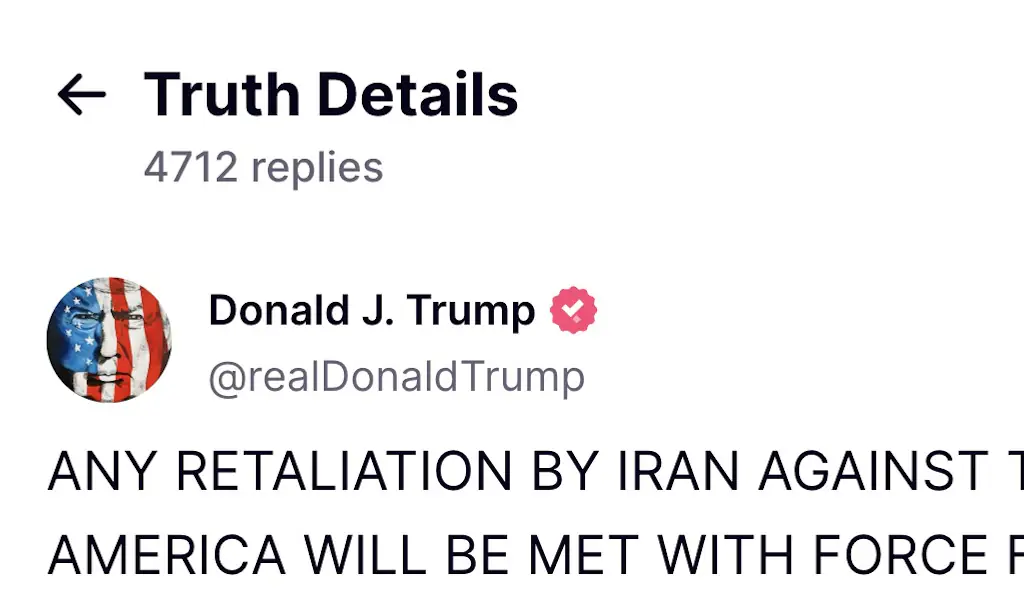
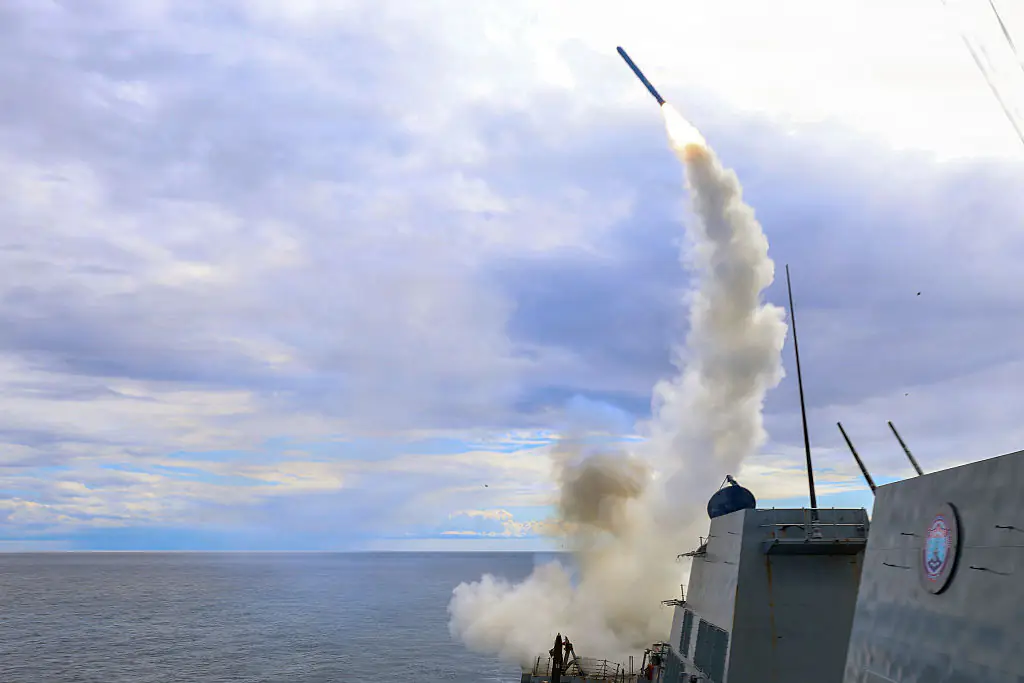
The president vowed a "very strong and powerful" response, which materialized on Tuesday evening (June 9).
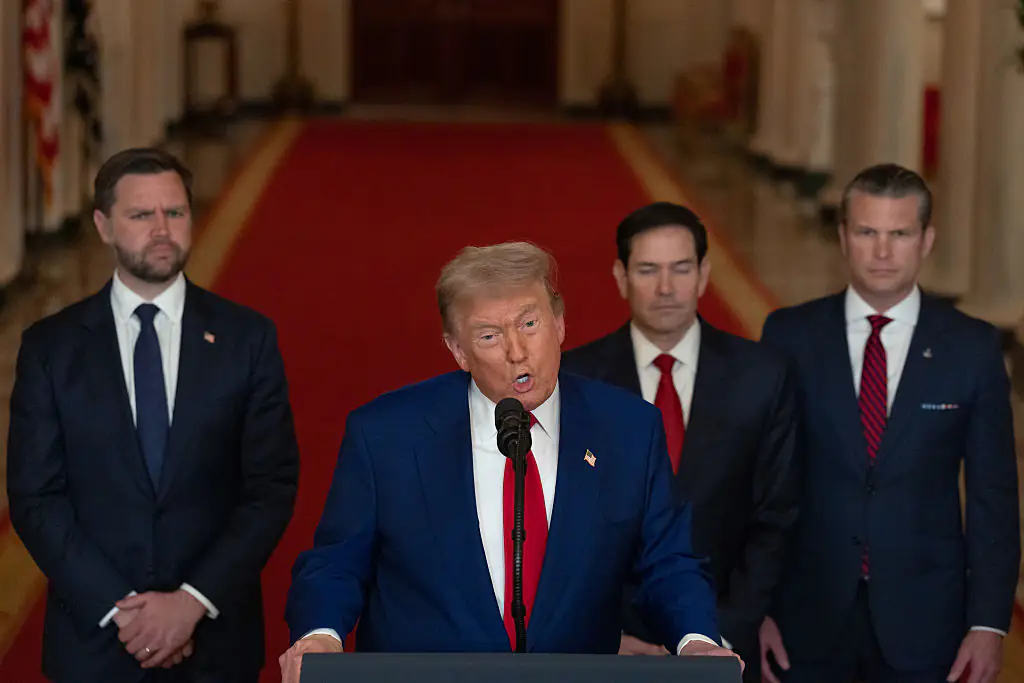
"I think it's very important to respond. They shot down a helicopter, and we are responding as we speak," Trump reportedly said. "This is a response to what they did with our helicopter last night, and I believe the response should be very strong, very powerful, and that's what this one is."
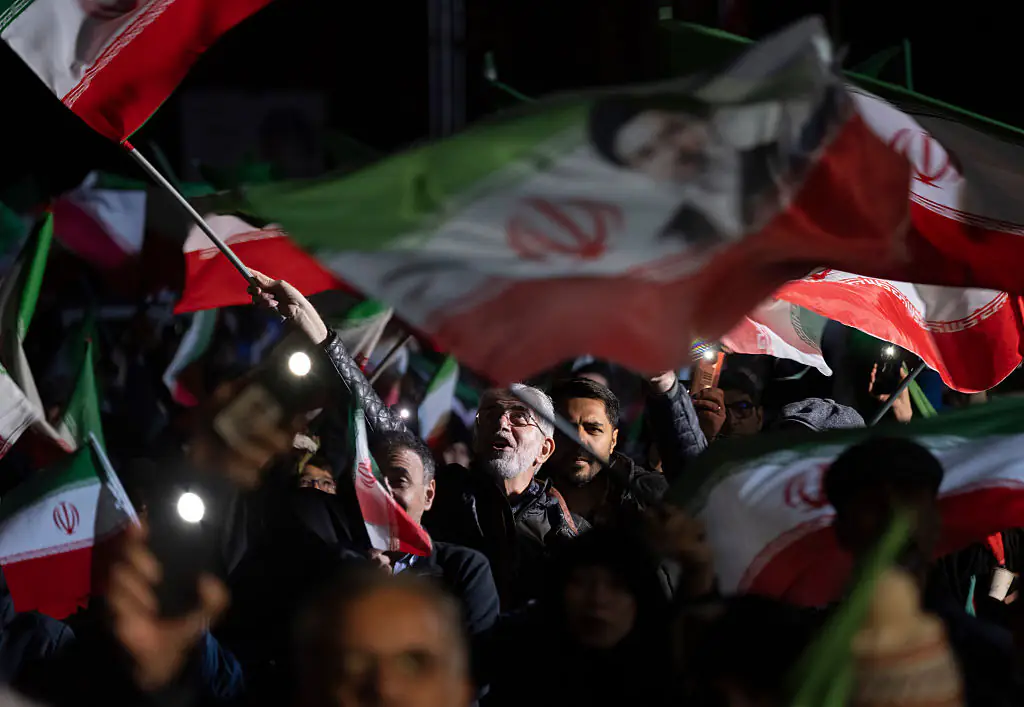
According to reports, the Iranian port city of Sirik, located near the entrance to the Strait of Hormuz, was among the areas targeted.
US forces are believed to have focused on air-defence systems and radar installations, while sources suggested that sites used to launch or store weapons were also key objectives.
The US Central Command confirmed the operation on X, stating: "U.S. Central Command (CENTCOM) forces began launching self-defense strikes against Iran at 5 p.m. ET today at the Commander in Chief’s direction, in response to yesterday’s downing of a U.S. Army Apache helicopter. The mission is a proportional response to unjustified Iranian aggression."
Iran's warning after the US attack
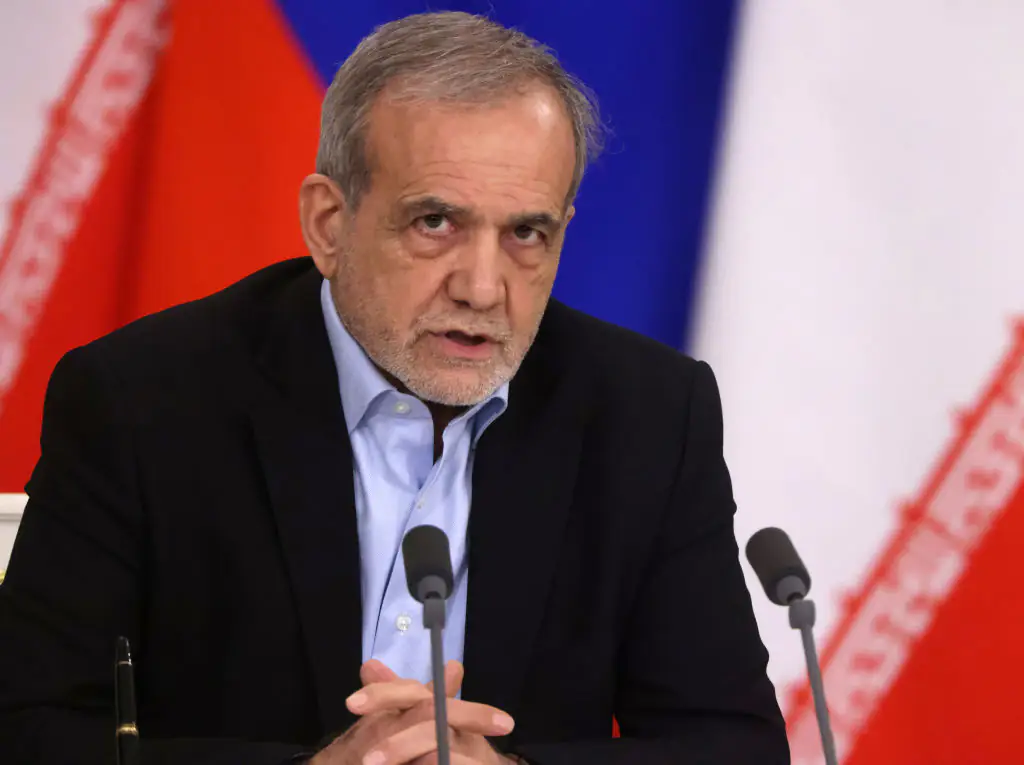
Before the strikes took place, Iranian Foreign Minister Abbas Araghchi had issued a warning on social media, suggesting foreign military forces operating near Iran faced risks simply by remaining in the region.
"Foreign forces in proximity to our territory are at constant risk on account of their own human errors, plain accidents, or potentially being caught in crossfire," he posted to X. "To reduce risk, best solution is for them to leave. We prefer language of diplomacy but speak other languages too."
However, after the US operation began, Araghchi returned to the social media platform with a far stronger message directed at Washington.
"Despite its defeats on the battlefield, the US opted to test our determination," the foreign minister wrote. "Our Powerful Armed Forces will leave no attack or threat unanswered.
"Leave our region if you want to be safe. History of the Persian Gulf has many chapters on dire fates of intruding outsiders," he added.
More attacks reported across the region
Iran subsequently launched strikes on Jordan and Kuwait targeting US assets, while attacks were also reported in Bahrain.
The Khatam al Anbiya Central Headquarters, which oversees Iran's armed forces, also warned about the consequences of any future American military action.
"The criminal US military should know that if aggression against the Islamic Republic of Iran is repeated, even more severe and widespread attacks will be carried out against the designated target bank in the region," the statement said.
Experts say all-out war remains unlikely
Despite the exchange of military action and threats, some experts believe the latest developments do not necessarily signal a return to full-scale conflict.
Firas Maksad, managing director for the Middle East and North Africa at Eurasia Group, described the strikes as part of a controlled cycle of retaliation rather than the beginning of a wider war.
"I don't think that there is an immediate risk of this war really starting up again," he told BBC News, characterizing the US response as "carefully choreographed".
"[The US] struck radar targets. Military facilities along the Iranian coastline, around the Strait of Hormuz, nothing beyond that," Maksad said. "This is a managed conflict. Both sides don't want to see the return to all-out hostilities as we had last month."
According to the analyst, leaders in Tehran appear to believe Trump has limited military options available. At the same time, the US president continues to maintain that a deal could be reached within days.
"What's clear is that President Trump is not in a hurry as he pursues this strategy of economic strangulation, letting the blockade set in," Maksad said. "The Iranians are playing the long game as they always do, hoping to test American patience and that the Americans will make concessions along the way."
.webp_QQJmGo?tr=cr-345.0.1535.1190,f-webp,q-70,w-100)
.jpg_I4Ebof?tr=cr-0.338.2730.3068,f-webp,q-70,w-100)


.webp_QQJmGo?tr=cr-345.0.1535.1190,f-webp,q-70,w-1024)

.jpg_I4Ebof?tr=cr-0.338.2730.3068,f-webp,q-70,w-1024)

