


US2 min(s) read
Could Donald Trump fulfill his $2,000 tariff dividend check promise for America's 250th birthday?

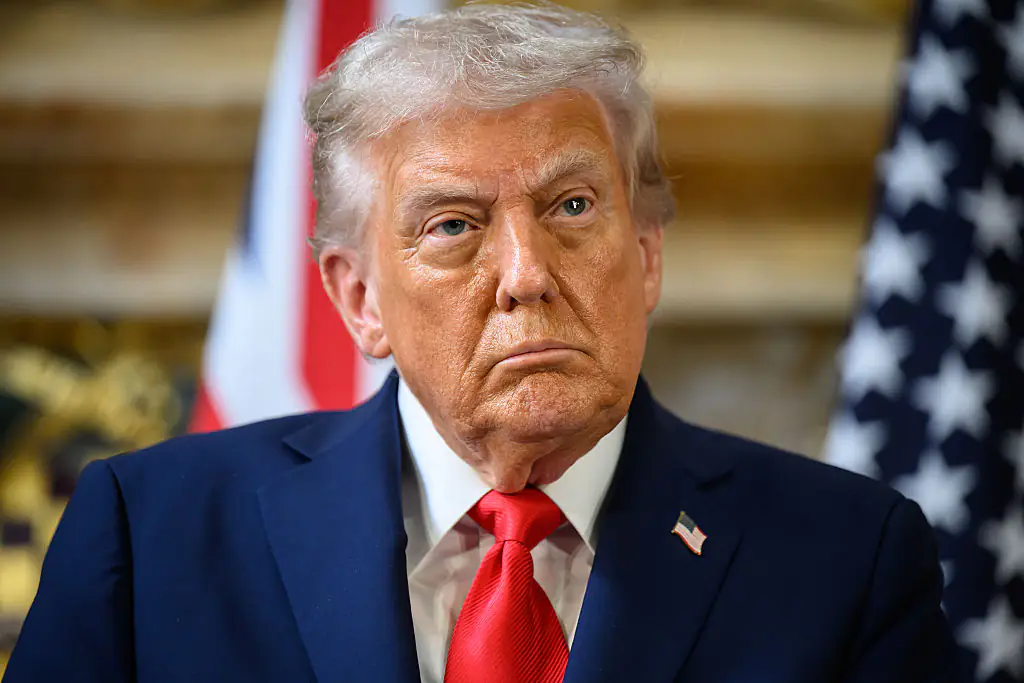
Since President Donald Trump promised millions of Americans a payout of up to $2000 as a part of his “tariff dividend,” no federal payment has been approved, and people have been left wondering if the proposed payments will happen in time for the US’s 250th birthday.
The widespread rumors stem from a policy proposal floated by Donald Trump, which would see lower- and middle-income Americans receiving a federal payment.
Under the proposed plan, Americans who paid too much tax on imported goods would be compensated.
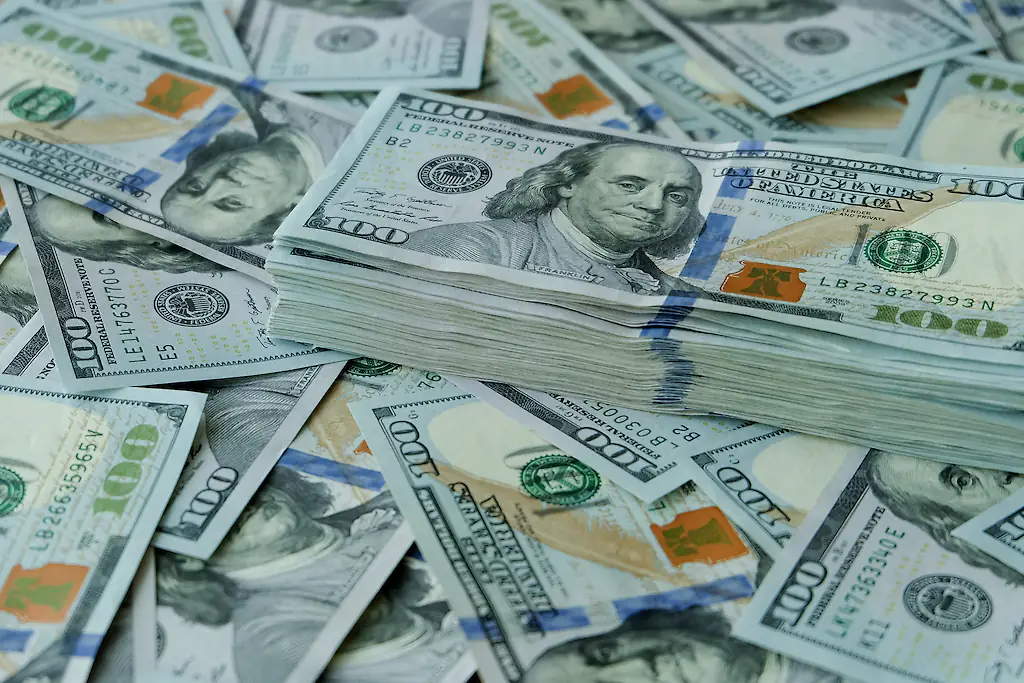
However, there are understandably funding issues with the plan. Paying millions of Americans $2,000 each could cost the administration billions, and financial analysts have warned that tariff revenue may not be enough to cover checks at that scale without dipping into the federal budget.
Because no such legislation has passed, authorities and financial bodies are urging the public to remain vigilant against phishing scams and fraudulent websites, phone calls, or text messages encouraging people to apply for a payment claim, as it is likely a scam.
Reportedly, the Internal Revenue Service (IRS) has not launched a "tariff refund portal." No one needs to apply for a payment, pay a processing fee, or share private banking details with third-party sites to claim these non-existent funds.
When will the public be able to apply for the payout?
The IRS and Treasury Department have declared that they would release official guidance on how to do so.
However, this would only happen if Congress passes a law approving the $2000 stimulus check and the government announces an official payment plan.
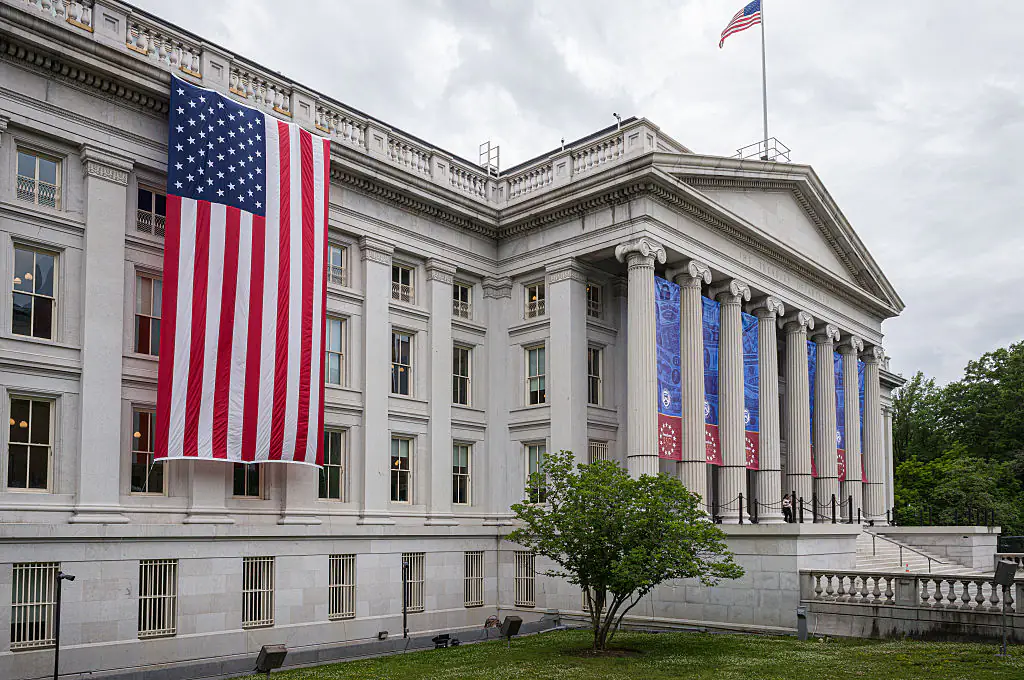
Until then, sadly, the $2000 payout remains a proposal and not a confirmed benefit, so Americans can’t expect a cash injection in time for July 4th celebrations.
This is not the first time the government has offered one-off payments
The stimulus checks scheme is similar to the pandemic-era payouts in which the CARES Act, passed in March 2020, allocated $2.2 trillion in economic relief, including $300 billion in one-time cash payments to eligible individuals, with most receiving $1,200.
A second scheme, the American Rescue Plan Act, launched in 2021, provided an additional $1.9 trillion in support, including $300 billion in direct payments to individual taxpayers with incomes of $75,000 or less.



.webp_QQJmGo?tr=cr-345.0.1535.1190,f-webp,q-70,w-100)
.jpg_9MdBvK?tr=cr-0.0.1024.768,f-webp,q-70,w-1024)

.jpg_70qiuU?tr=cr-0.0.1024.683,f-webp,q-70,w-1024)



.webp_QQJmGo?tr=cr-345.0.1535.1190,f-webp,q-70,w-1024)


.jpg_KxNZRz?tr=cr-0.0.1024.576,f-webp,q-70,w-525,h-200)