


World3 min(s) read
Vladimir Putin has just made a worrying nuclear move that’s prompting WW3 fears
.jpg_xKEaT0?tr=cr-0.328.2730.3058,f-webp,q-70,w-100)
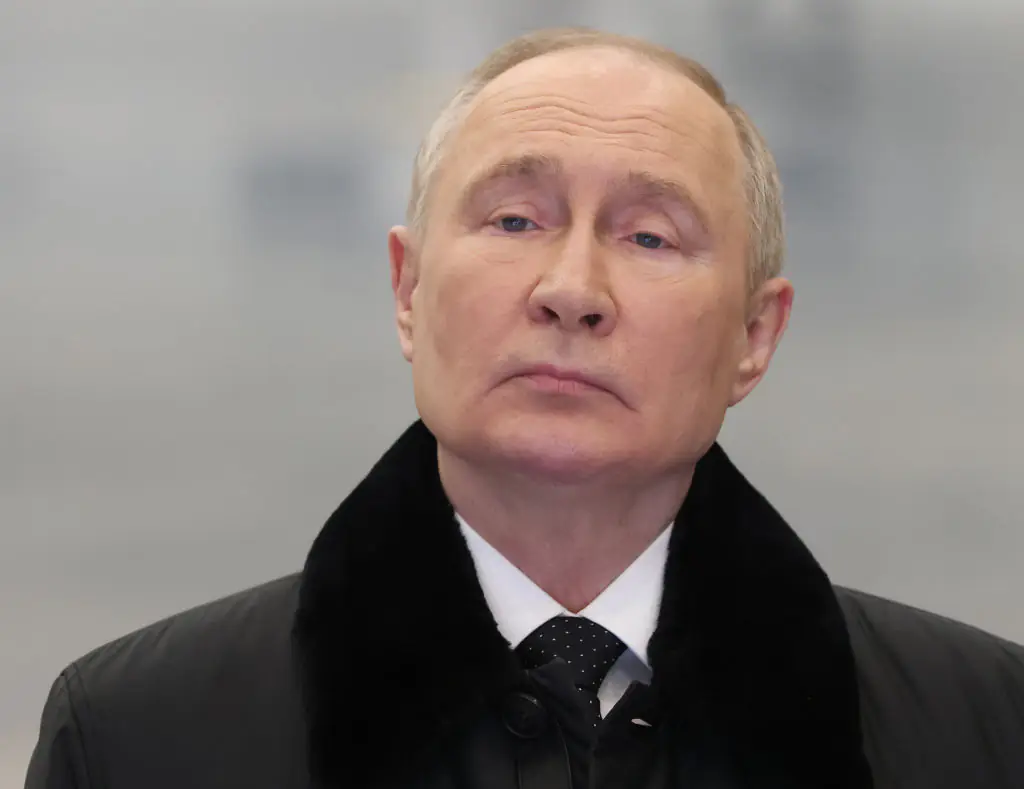
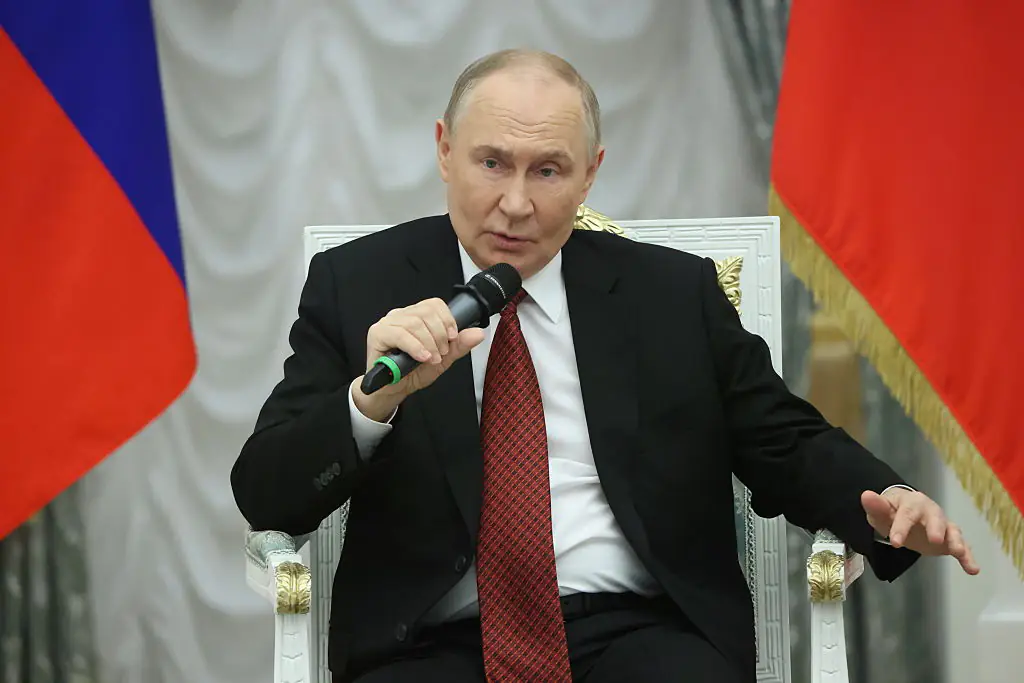
Russian leader Vladimir Putin has made a huge move regarding his nuclear weapons, which could be a signal of intent.
When it comes to Putin, fear is not a word many would use to describe him.
The Russian President warned the Baltic states about potential upcoming invasions earlier this year, but he has now shot a warning out to nations around the world.
According to Putin's aide Patrushev, the nation has transferred its naval nuclear forces to a state of full combat readiness.
He also called the Northern European nations, Ukraine, and the AUKUS bloc (Australia, the UK and the US), threats to Russia.
Apparently, Putin ordered this to be done, with his aide informing the Kremlin media of the decision.
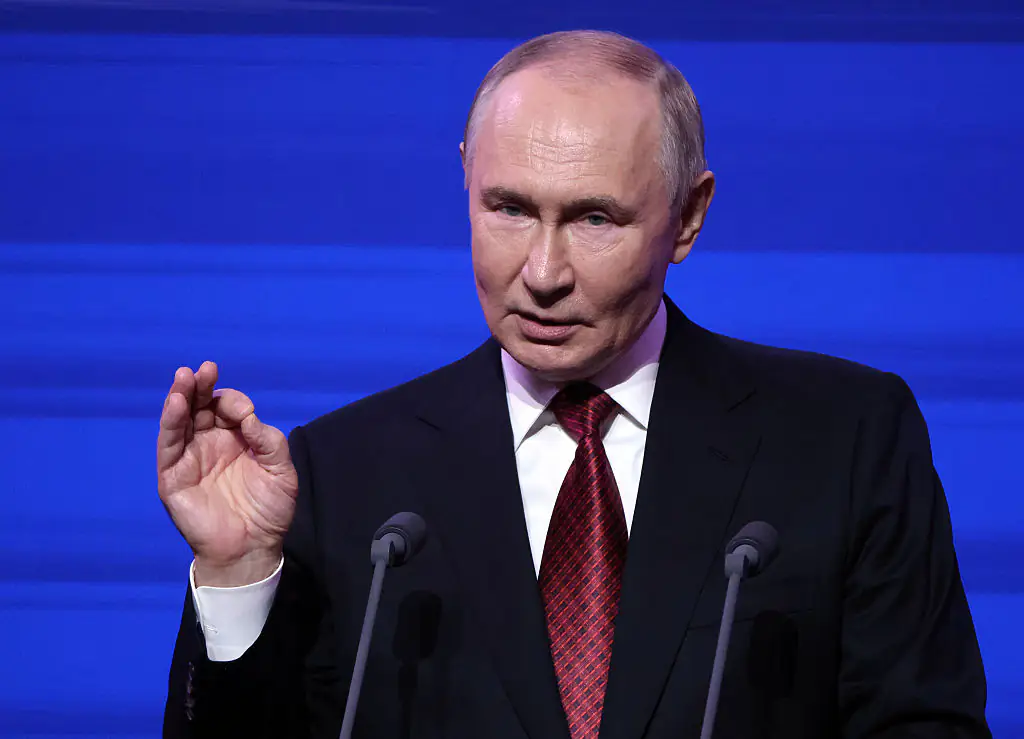
Putin chooses to respond to "threats"
His aide stated that "the creation of a naval alliance of Northern European countries and Ukraine must be taken into account in the list of military threats to Russia," as per UNN.
By specifically naming the threats to the nation, he brought attention to the apparent activities of the AUKUS bloc, which involves the reported buildup of Australian naval capabilities.
The nation has been upping its efforts to control shipping in the Pacific and Indian Oceans.
"All threats emanating from potential adversaries are taken into account in the development plans of the Navy, in particular in the Strategy for the Development of the Navy until 2050," Patrushev's statement read.
Russia even claimed that they have footage of the delivery of their nuclear warheads to the likes of Belarus, as part of its continued wide-scale nuclear exercises.
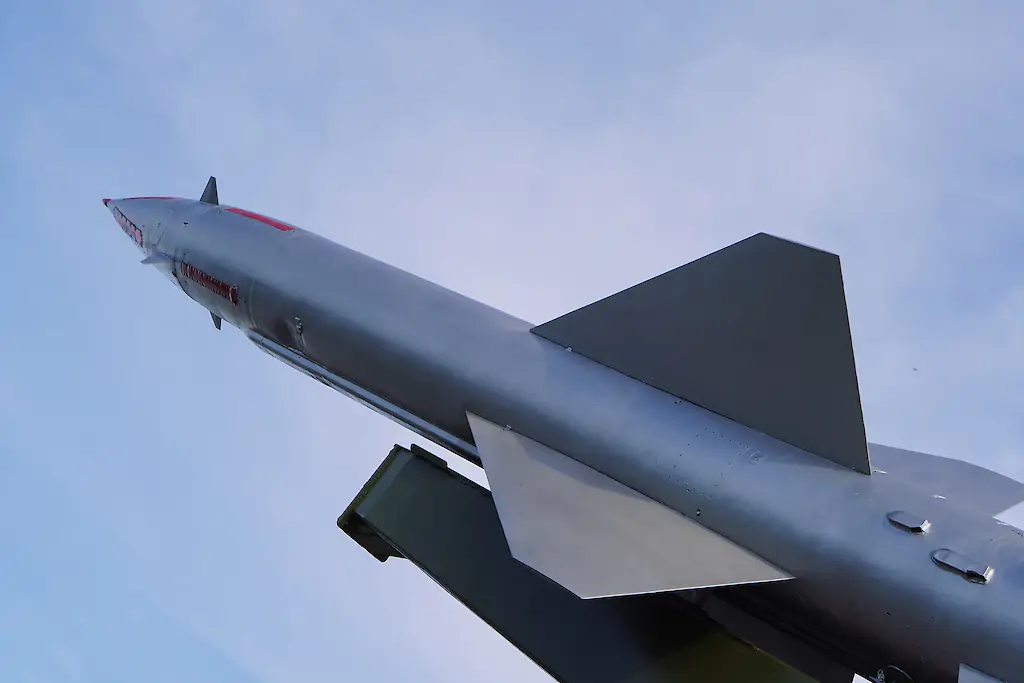
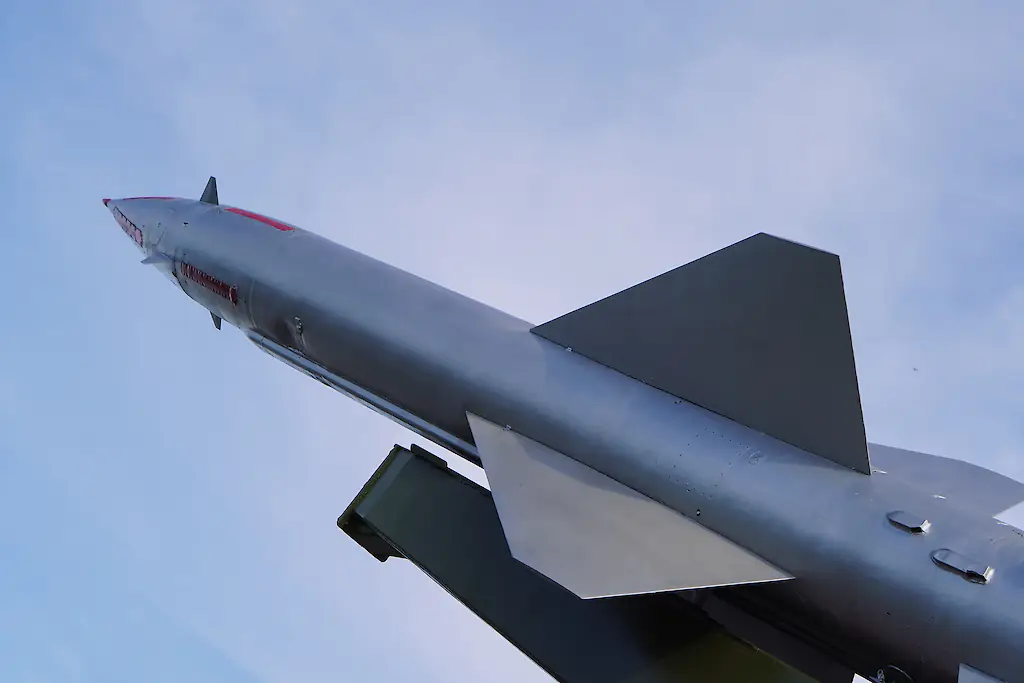
It doesn't sound too wide of the mark, as video footage circulated online earlier this year, revealing Russia's successful launch of the Samrat missile.
The warhead is the latest and 'most powerful' missile in the nation's arsenal.
Russia had test-fired its newest intercontinental ballistic missile, as President Vladimir Putin further flexed his muscles at his perceived adversaries.
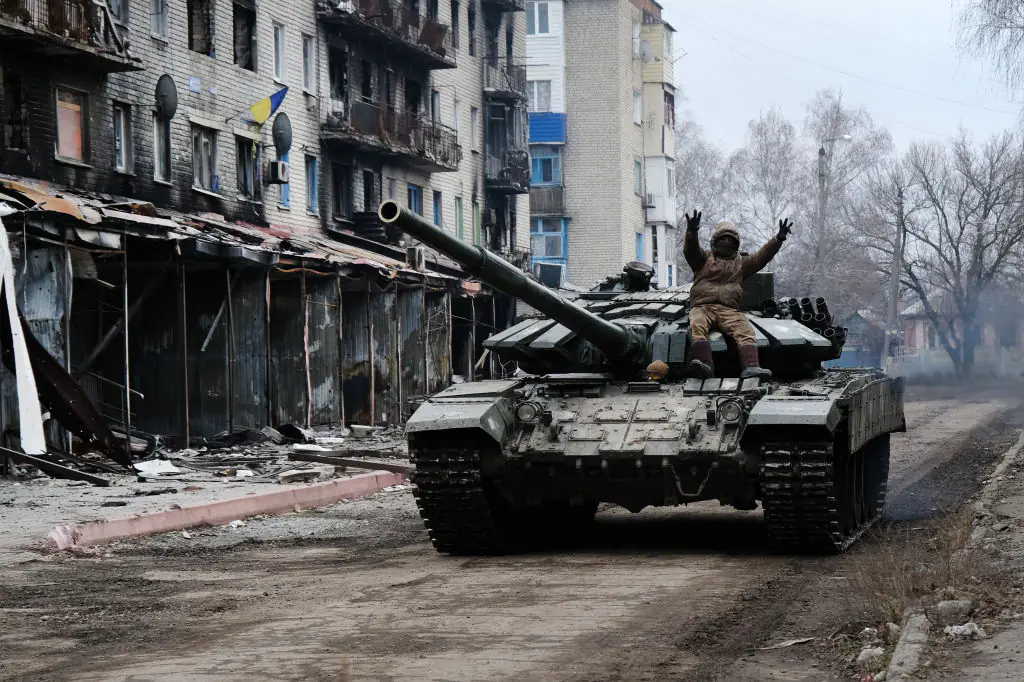
Previous warning to Baltic states
Ukrainian internal affairs minister Anton Gerashchenko claimed in May that Moscow is looking to appeal to the International Court of Justice over the 'suppression of the rights of Russian speakers' in Latvia, Lithuania, and Estonia.
Gerashchenko explained on X: "The foreign ministry pretends that negotiations 'have yielded no results' and that complaints submitted to the UN and OSCE have been ignored — therefore, the Kremlin is allegedly forced to go to court."
The former minister said that every refusal to follow Russia's orders will be considered as 'Western bias,' resulting in 'extrajudicial actions.'
Gerashchenko further wrote: "The scheme is not new. Before the 2008 war in Georgia, Russia spent years talking about the 'genocide of Ossetians,' distributing passports to residents of Abkhazia and South Ossetia, and then used the claim of 'protecting Russian citizens' as a formal justification for invasion."
After this war, the Russian President at the time was Dmitry Medvedev, and he signed amendments to Russia's Law on Defense.
This meant that the military could be utilized overseas to protect Russian citizens.
He highlighted: "The Kremlin then moved the concept of 'protecting compatriots' from propaganda into formal law."


.webp_SmgFsc?tr=cr-292.0.1244.952,f-webp,q-70,w-100)


.jpg_xKEaT0?tr=cr-0.328.2730.3058,f-webp,q-70,w-1024)


.webp_SmgFsc?tr=cr-292.0.1244.952,f-webp,q-70,w-1024)