A doctor has shared a simulation explaining what happens to the body after starting Ozempic, including when users may begin to notice changes and what to do if they miss a dose.
Emergency physician Perry Lee, who is certified in obesity and lifestyle medicine, posted the video on his YouTube channel. The clip was titled Ozempic: How To Inject and When You'll See Results and walks viewers through the process of taking the medication.
The simulation focuses on how the weekly injection is administered, how doses are typically increased over time, and when users may start seeing results, while also highlighting some of the side effects that can occur during treatment.
The simulation explains how Ozempic is taken
In the video, Lee explains: "Ozempic is given once a week as an injection. It's usually done in the stomach or thigh."
He also says that patients generally begin with a lower amount before gradually increasing it.
"And most people start with a low dose and slowly increase it over time, which helps reduce side effects like nausea."
When users may start noticing changes
According to the simulation, people should not expect immediate results after starting the medication.
"You might not notice appetite changes in the first few weeks or two. Invisible weight loss often starts after several weeks depending on your dose, your body, and your habits."
The video suggests that the timing of any changes can vary depending on several factors, including the dose being taken and individual lifestyle habits.
What happens if you miss a dose?
Lee also addresses a common concern for users who forget to take their injection.
"And if you ever miss a dose, no stress. You have up to 5 days to take it. But if more time has passed than that, then skip that dose and take your next one as scheduled."
The simulation outlines the guidance for missed doses and advises users to continue with their next planned injection if more than five days have passed.
Why Ozempic use has surged in recent years
Ozempic has become hugely popular in recent years, particularly because of its effectiveness in helping people lose weight and manage blood sugar levels.
However, the drug has also sparked debate, with critics raising concerns about side effects, supply shortages affecting diabetes patients, and the growing trend of people using the medication primarily for weight loss.
Its rise in popularity has led to widespread discussion among healthcare professionals, celebrities, and social media users about both its benefits and potential risks.
Featured image credit: Steve Christo - Corbis / Getty
A simulation has revealed what happens to your body when you take Ozempic, as more and more people are using the drug.
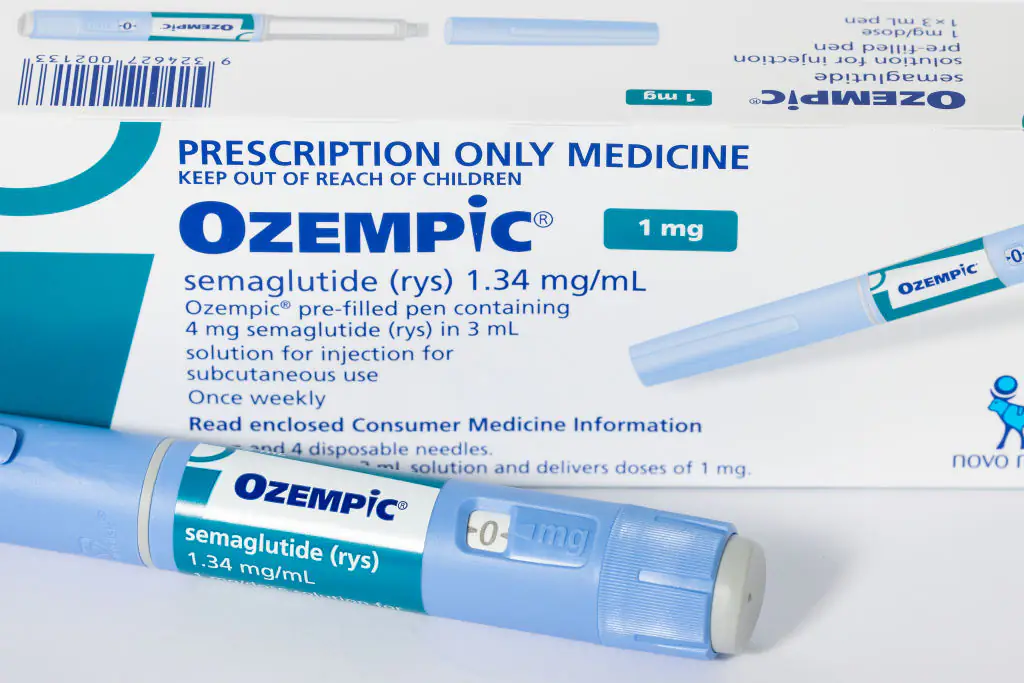
Ozempic is approved to treat type 2 diabetes. Credit: Steve Christo - Corbis/Getty
While Ozempic has blown up on social media for its dramatic slimming effects, it’s worth remembering that the drug wasn’t actually designed to help people fit into smaller jeans.
According to the official Ozempic website, it "is not a weight loss drug" and is actually "a medicine for adults with type 2 diabetes."
Ozempic is an injectable prescription medication that's meant to be used “along with diet and exercise to improve blood sugar (glucose) in adults with type 2 diabetes.”
It’s also prescribed to “reduce the risk of major cardiovascular events such as heart attack, stroke, or death in adults with type 2 diabetes with known heart disease.”
But the real magic — or misery — happens because of how it interacts with the body.
The drug curbs your appetite, makes you feel full faster, and slows down digestion, which leads to fewer calories consumed. Pair that with exercise and voilà — a calorie deficit, and you start shedding pounds.
Still, that doesn’t mean the ride is smooth.
Users of Ozempic are using it to lose weight. Credit: Mario Tama/Getty Images
That's where Zack D. Films comes in.
He recently released a graphic simulation video showing exactly what Ozempic does once it’s in your body — and it’s going viral for all the wrong (and right?) reasons.
"Once Ozempic is in your bloodstream, it activates the parts of the brain that make you feel full, reducing your appetite," Zack explains in the video.
"It also stabilises your blood sugar, stopping sudden cravings. Then it slows down how fast your stomach empties food, which keeps you feeling full for longer after a meal.
"This causes you to lose weight as you eat less. But it can make some people feel sick and even give them diarrhoea."
The final scene of Zack’s simulation takes a turn — showing a disturbingly realistic visual of the Ozempic user soiling themselves.
Lovely.
People, as usual, were pretty disgusted.
"Last scene was NOT NEEDED Zack," one person wrote, as a second added: "Watching Zack’s animations make me lose my appetite more than Ozempic."
A third person added: "Zack’s never ending love for poop or diarrhea never ends."
As Ozempic becomes more popular, even celebrities have opened up about using it.
“I tried Ozempic almost three years ago and I was like, bedridden,” she said. “I was like, vomiting — and then you have no energy. But other people take it and they’re all good.”
Undeterred, Schumer gave similar drugs another shot and recently revealed in an Instagram video that she’s having a better experience this time around with Mounjaro.
“Three years ago, I tried Wegovy,” she shared. “I was puking, I couldn’t handle it. I don’t know if they’ve changed the formula, whatever.”
She went on to describe her virtual health referral through the online midlife clinic Midi Health, and revealed she’s also been prescribed estrogen and progesterone to manage perimenopause symptoms.
“So that’s been great and Mounjaro’s been great,” she said.
Though she acknowledged that Mounjaro isn’t fully covered by insurance in the U.S. unless you have diabetes or severe obesity, she joked: “Which most of the internet thinks I have, but I’m having a really good experience with it."
Featured image credit: Steve Christo - Corbis/Getty
Ozempic might be all the rage among celebrities and social media users trying to slim down fast — but a viral simulation has revealed what the weight-loss drug really does to your body, and it has raised some eyebrows.
Originally designed for people with Type-2 diabetes, Ozempic (semaglutide) has exploded in popularity thanks to its unexpected weight-loss benefits.
But what was meant to be a prescription-only treatment to help regulate blood sugar is now being used off-label by people desperate to shed pounds — despite the long list of side effects.
Users of Ozempic are using it to lose weight. Credit: Mario Tama/Getty Images
What actually happens to your body on Ozempic?
YouTuber Zack D. Films recently broke down the process in a now-viral simulation video, and let’s just say the final scene is not for the faint-hearted.
“Once Ozempic is in your bloodstream, it activates the parts of the brain that make you feel full, reducing your appetite,” he explains in the clip. “It also stabilises your blood sugar, stopping sudden cravings. Then it slows down how fast your stomach empties food, which keeps you feeling full for longer after a meal. This causes you to lose weight as you eat less.
"But it can make some people feel sick and even give them diarrhoea.”
In fact, the simulation ends with a disturbingly realistic image of an Ozempic user soiling themselves — sparking horror across the comment section.
“Last scene was NOT NEEDED Zack,” one person wrote. Another added: “Watching Zack’s animations make me lose my appetite more than Ozempic.” And a third said: “Zack’s never ending love for poop or diarrhea never ends.”
It’s not a weight loss drug — officially
Despite its cult following as a miracle slimming shot, the Ozempic website is very clear: it “is not a weight loss drug.”
Instead, it’s an injectable prescription medication for adults with Type-2 diabetes, meant to be used “along with diet and exercise to improve blood sugar (glucose).”
It’s also used to “reduce the risk of major cardiovascular events such as heart attack, stroke, or death in adults with type 2 diabetes with known heart disease,” and to help lower the risk of kidney disease and cardiovascular-related death in people with chronic conditions.
So what are the actual side effects?
While Ozempic might make you lose weight, it can also have an unexpected impact on your body in several ways, per Healthline. The most common side effects include:
Nausea
Diarrhoea
Stomach pain
Vomiting
Constipation
Other milder — but still unpleasant — symptoms may include:
Burping
Dizziness
Headaches
Fatigue
Indigestion or acid reflux
Gassiness
A change in how things taste
Injection site reactions like discoloration or discomfort
A slight rise in heart rate
And then there are the more serious risks: thyroid tumors, pancreatitis, changes in vision, severe stomach issues, dehydration-related kidney problems, allergic reactions, low blood sugar, and gallbladder problems such as gallstones or cholecystitis.
Celebs speak out: “I was like, vomiting”
While many stars have jumped on the Ozempic bandwagon, some have spoken candidly about how bad the side effects got.
Ozempic is approved to treat type 2 diabetes. Credit: Steve Christo - Corbis/Getty
Amy Schumer didn’t hold back: “I was like, vomiting — and then you have no energy,” she revealed, saying the drug left her “bedridden.” While others she knew had no issues, she personally switched to Mounjaro and called it “great.”
Jeremy Clarkson compared the experience to “living a minibar existence.”
“My body lost the ability to deal with gluttony but once the initial enthusiasm had worn off, my mind still wanted to breakfast on Cadbury Fruit & Nut,” he wrote in The Times. “This meant I was sick a lot.”
Stephen Fry said the drug initially made him “not want to eat” — but that quickly turned. “And I started feeling sicker and sicker and sicker,” he said on the River Café Table 4 podcast. “I was literally throwing up four, five times a day and I thought, 'I can't do this'. So that's it.”
“I tried Ozempic almost three years ago and I was like, bedridden,” she said. “I was like, vomiting — and then you have no energy. But other people take it and they’re all good.”
Undeterred, Schumer gave similar drugs another shot and recently revealed in an Instagram video that she’s having a better experience this time around with Mounjaro.
“Three years ago, I tried Wegovy,” she shared. “I was puking, I couldn’t handle it. I don’t know if they’ve changed the formula, whatever.”
She went on to describe her virtual health referral through the online midlife clinic Midi Health, and revealed she’s also been prescribed estrogen and progesterone to manage perimenopause symptoms.
“So that’s been great and Mounjaro’s been great,” she said.
Though she acknowledged that Mounjaro isn’t fully covered by insurance in the U.S. unless you have diabetes or severe obesity, she joked: “Which most of the internet thinks I have, but I’m having a really good experience with it."
How it compares to Mounjaro
In the UK, Ozempic isn’t even available for weight-loss use.
The NHS currently only prescribes it for diabetes treatment. Brits looking for weight loss support are instead turning to Mounjaro, which contains a different active ingredient, tirzepatide.
Mounjaro is approved for weight loss, while Ozempic is not. And there are key differences. Ozempic has a maximum dosage of 2mg, whereas Mounjaro can go up to 15mg. Both drugs help regulate blood sugar and reduce appetite, but Mounjaro follows a different dosage schedule and is officially backed for slimming down.
At the end of the day, if you're hoping to lose weight by using one of these options, make sure you're fully aware of the risks and potential side effects.
Featured image credit: Steve Christo - Corbis/GettyYoutube/ZackDFilms
A woman who experimented with micro-dosing Ozempic has opened up about what the trend actually did to her body, and while it helped her lose weight, she says the experience came with serious downsides.
Ozempic is designed to treat Type-2 diabetes, but the drug has become widely known for another effect. Its active ingredient, semaglutide, suppresses appetite and reduces cravings, which has led many people to use it in hopes of losing weight.
Recently, some patients have begun experimenting with a new approach known as micro-dosing. The idea involves stretching out the medication by taking smaller amounts more often or spacing doses further apart.
The micro-dosing trend explained
Ozempic typically comes in a pre-filled injector pen that contains four doses. Treatment often starts at 0.25mg and increases gradually up to a maximum of 2mg, with injections usually taken once a week.
But some users have taken to social media to share how they stretch the medication from four doses to five or even six. Supporters claim it allows them to make the drug last longer while still experiencing weight loss.
One advocate of the method is Madison Burgess, who said the approach helped her lose 60lbs over two years.
However, others who tried the same idea have shared very different experiences.
Journalist tests the theory
Writing in The Independent, journalist Charlotte Cripps revealed she tried micro-dosing herself. She said she split her 1mg dose into 0.50mg and took the injections every two weeks instead of weekly.
Cripps said the approach helped save money and still seemed to "do the trick" while also helping her avoid some common side effects linked to Ozempic, including nausea and fatigue.
Credit: coldsnowstorm / Getty
"The idea behind microdosing is that you may be able to get the same benefits with less of the drug. There are no specific studies to compare microdosing regimes with approved dosages, so nobody has a clue about how safe it is," Cripps wrote.
"But take it from me, it’s not. Counting the clicks is no way to live," she continued.
The unexpected downsides
Despite losing up to a fifth of her body weight within a year and restoring her cholesterol levels to normal, Cripps said the experience left her feeling miserable.
She explained that the drug made her worry about nutritional deficiencies and muscle loss.
As a vegetarian, maintaining a high-protein diet proved difficult.
"I ended up eating so much high-protein yoghurt with nuts and blueberries that I couldn’t go on. I lost the will to live. I had no social life."
Cripps said the routine even led her to skip dinners with friends and her children so she could stick to a high-calorie protein drink instead.
According to Medical News Today, it is not currently known whether micro-dosing semaglutide is safe or effective, particularly when Ozempic is prescribed to reduce other health risks, such as cardiovascular problems.
Supporters of the trend argue that smaller doses can help avoid side effects like vomiting, nausea, and constipation.
For Burgess, the symptoms were so severe on a full dose that she struggled to eat until her doctor suggested the micro-dosing method.
"I’m a big advocate now of microdosing," she said. "Going slow and staying low is my motto nowadays, and I think it’s better for long-term results."
As for Cripps, she ultimately decided the approach was not worth continuing. While she said it helped her reset her eating habits and lose weight, she now considers herself "free from the hell of micro-dosing."
Ozempic and other GLP-1 medications have boomed in recent years after it was discovered that they can aid weight loss as well as helping control blood sugar.
While they were first developed to treat type-2 diabetes, their weight-loss benefits have meant that they are increasingly used for this purpose instead.
Though some people see it as a holy grail to being able to shift pounds that were seemingly impossible to budge before, the medication isn't without its side effects.
A simulation video made by Zack D Film has shown the horrific side-effects some people can experience when taking GLP-1s.
Ozempic can cause several side-effects. Credit: Mario Tama/Getty Images
In the clip, he first explained how the drugs work: "Once Ozempic is in your bloodstream, it activates the parts of the brain that make you feel full, reducing your appetite.
"It also stabilizes your blood sugar, stopping sudden cravings. Then it slows down how fast your stomach empties food, which keeps you feeling full for longer after a meal. This causes you to lose weight as you eat less."
He revealed some of the side effects that many people experience, adding: "But it can make some people feel sick and even give them diarrhea."
According to WebMD, there are other common potential side-effects people can experience, including nausea, vomiting, diarrhea, stomach pain, and constipation.
Some users can also experience pancreatitis, an inflammation of the pancreas which causes vomiting or severe pain in the upper part of your belly that travels to your back.
Other less common side-effect include issues with the gallbladder, low blood sugar, severe stomach pains, vision changes, and there is even the potential for thyroid tumors.
It goes without saying that using Ozempic and other GLP-1s should never be as a quick fix to lose a few pounds, unless you have been prescribed it by a doctor.
It is primarily used to treat type 2 diabetes and to lower the risk of a heart attack, stroke, or death in people who also have heart disease, as well as to help lower blood sugar levels in people with type 2 diabetes.
Ozempic and other GLP-1s are usually administered by injection once a week, with the dose being gradually increased over time.
As well as the immediate physical side-effects, some users are noting longer-term changes such as Ozempic face and Ozempic butt - where the skin or the buttocks appear to sag due to the rapid loss of fat from beneath.
As if we as a species did not have enough body hang-ups to worry about, the latest thing stressing some people out before bikini season is 'Ozempic butt'.
The relatively new phenomenon has come about since the rise in popularity of the diabetes drug Ozemic (semaglutide), which came into circulation to help people with type 2 diabetes lose weight by curbing their appetite.
The drug is injected once a week and works by helping the pancreas make more insulin, decreasing the amount of glucose made by the liver, and slowing the rate food passes through the body, making the patient feel full longer, according to Drugs.com.
However, many people who have been using Ozempic and similar semaglutide injections for weight loss have discovered one side-effect they weren't prepared for - Ozempic butt.
Users of Ozempic are noticing an unwanted side effect on their butts. Credit: Mario Tama/Getty Images
Alongside the weight loss achieved by taking Ozempic, many patients are finding it has had a less-than-desirable effect on their backsides, leaving them flat and droopy.
Jess Loren, 39, who lost over 75lb after starting Ozempic when she weighed 227lb, told the New York Post of her experience, explaining: "My dad said, 'You don’t have a butt anymore.'
"I try on bathing suits and I’ve got 'ghost a**,' or what people online call 'Ozempic butt.'"
While there are many official side-effects that can occur from Ozempic, such as nausea or vomiting, and even pancreatitis among others, 'Ozempic butt' is not officially listed as a side-effect in the medication's guidelines.
However, rapid weight loss can often cause formerly full areas of the body to sag - and it's not just the butts that are being affected.
Celebrities such as Jessica Simpson and Scott Disick have been accused of ending up with 'Ozempic face', which is where the rapid weight loss causes the cheeks to appear gaunt and the eyes to sink in.
Dr. Iman Saleh, Northwell Health Clinical Assistant Professor, OB/GYN Department and Director of Obesity Medicine, South Shore University Hospital, told People: "The faces are saggy, they lose their fat content in their face, there are increased wrinkles.
"Some people look a little bit more aged. People have noticed that there's more hollowing around their eyes because of the loss of the texture or the fat content that is in the face."
People are finding they're losing the shape in their buttocks due to the rapid weight loss. Credit: LumiNola/Getty Images
'Ozempic face' and 'Ozempic butt' is also not down to the drug itself, but the method of weight loss, with rapid and significant changes in weight causing the skin to sag, which can only be avoided by losing weight slowly rather than all at once.
Others have also reported the same effect on their cleavage, with 'Ozempic breasts' also becoming a side-effect of the fast weight loss these medications can sometimes create.
Saleh explained: "People who have had weight-loss surgeries will have the same effect. So, it's not the medications itself that are causing this.
"It's the rapid weight loss that is occurring with the use of these medications that are giving those the Ozempic face and the Ozempic breast and the Ozempic butt."
The average recommended weight loss is around "1 to 2 pounds a week", which will allow the skin to bounce back as the body gradually shrinks.
To avoid a saggy butt, Saleh recommended: "Increase of protein in their diet is very important. Increase of exercise, resistance bands.
"In terms of the buttocks, [do] more squats, more to increase muscle to compensate really for the fat loss."
And it's not just the aesthetics that Ozempic can have an effect on, as some women who were previously struggling to conceive have found they have fallen pregnant after taking Ozempic.
Saleh explained that there is a scientific reason for it, revealing: "Even if it's a 5- or 10-pound weight loss, this can actually have patients resume ovulation and be able to get pregnant.
"Our fat cells produce estrogen and estrogen can have a negative effect on our ovaries in terms of decreased or dysfunction of ovulation. It can also have negative effects on our endometrial lining."
And while the weight loss can aid conception, Ozempic is not a fertility drug and should also not be used during pregnancy, with manufacturer Novo Nordisk (which creates a similar product named Wegovy), recommending it's stopped "at least 2 months before a planned pregnancy due to the long washout period for semaglutide."
And, as with most 'quick fixes' for weight loss, there's a high chance of a person regaining all the weight they lost once they stop taking it, if they haven't changed their eating or exercise habits alongside it.


.webp_SmgFsc?tr=cr-292.0.1244.952,f-webp,q-70,w-100)

.webp_QQJmGo?tr=cr-345.0.1535.1190,f-webp,q-70,w-100)


.webp_vBqgAR?tr=cr-242.0.1293.1051,f-webp,q-70,w-100)
.jpg_RxMwyI?tr=cr-0.0.724.483,f-webp,q-70,w-1024)
.webp_lli6Ty?tr=cr-74.9.445.380,f-webp,q-70,w-100)




.webp_QQJmGo?tr=cr-345.0.1535.1190,f-webp,q-70,w-1024)

.webp_vBqgAR?tr=cr-242.0.1293.1051,f-webp,q-70,w-1024)
.jpg_RxMwyI?tr=cr-0.0.724.407,f-webp,q-70,w-525,h-200)
.webp_SmgFsc?tr=cr-292.0.1244.952,f-webp,q-70,w-1024)

.webp_lli6Ty?tr=cr-74.9.445.380,f-webp,q-70,w-1024)
