


US3 min(s) read
Expert explains the devastating effect growing up in the Ohio 'house of horrors' could have on the 16 children's brains

As more details emerge about the alleged "house of horrors" in Ohio where 16 children were rescued, child psychologists are warning that the emotional and developmental impact could last a lifetime.
The children, who ranged in age from 18 months to 18 years old, were allegedly kept inside a single 12-by-12-foot room for years in what authorities described as horrific conditions. Experts now say recovering from that level of neglect will potentially require years of specialist support.
Expert discusses impact on children's brains
Child psychologist Dr. Patrice Berry explained that the case highlights just how critical a child's early years are for healthy brain development.
"We have research," she said. "We know that certain milestones need to be met. Children need to be exposed to things by a certain time in order to have typical language development."
Berry said she wanted to discuss "the effects of severe deprivation on a child's brain" while also offering guidance to foster, adoptive and kinship carers who may eventually look after children who have experienced similar trauma.
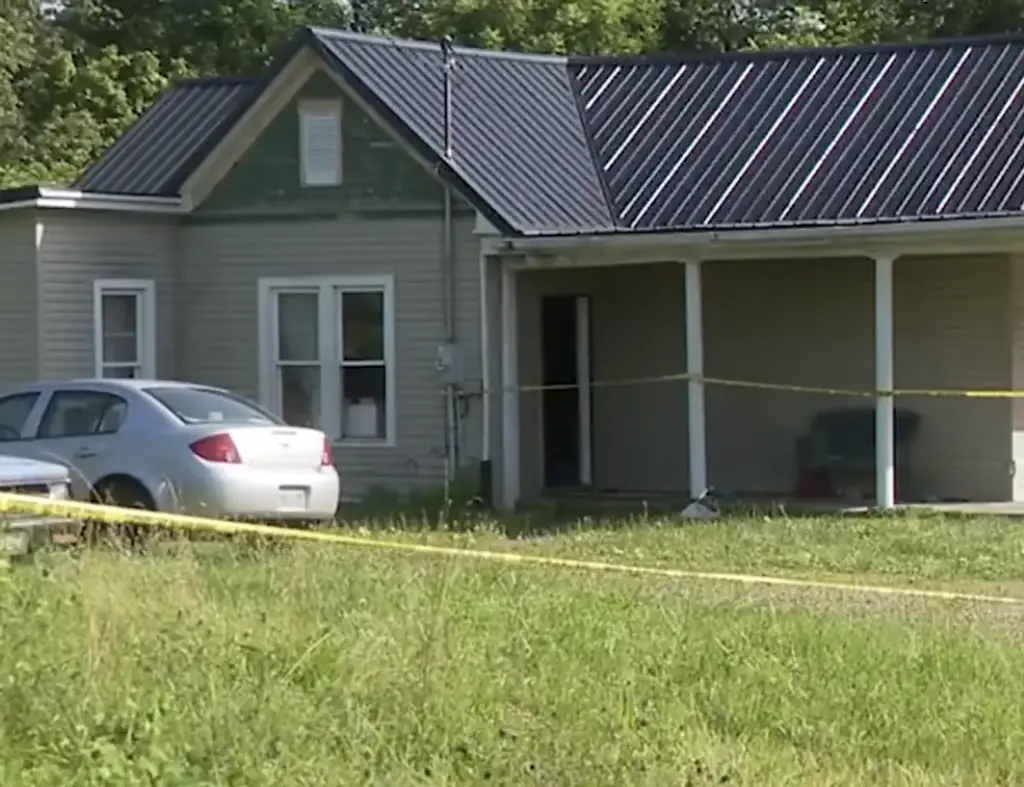
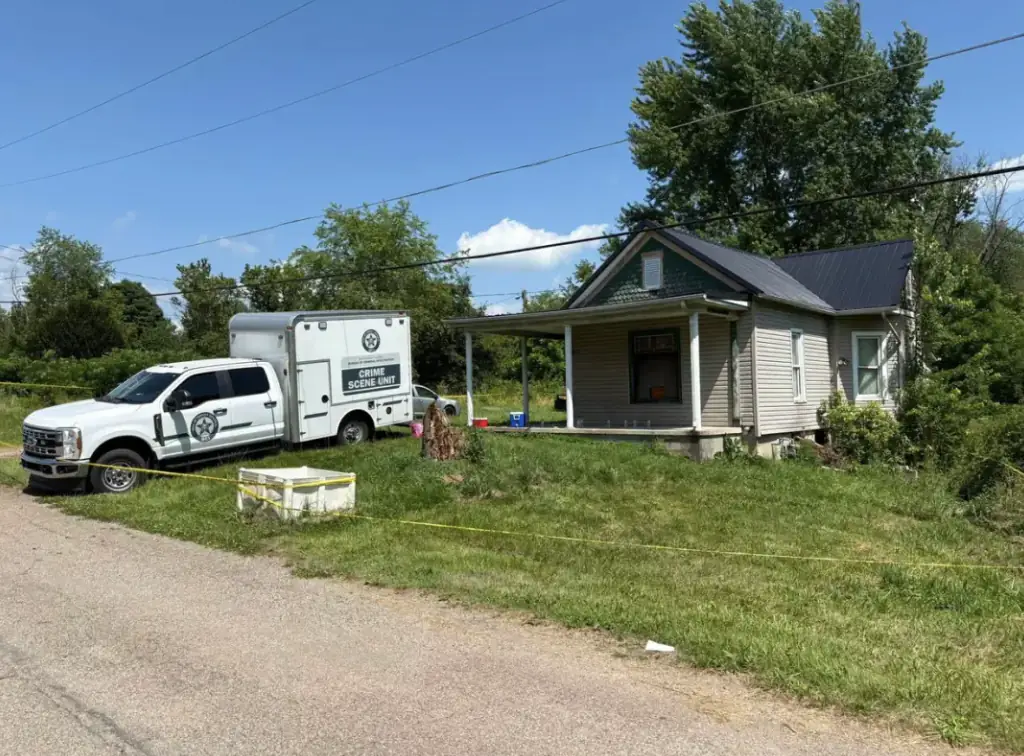
According to Berry, authorities found 16 children living in a cramped space after police arrived at the property to execute an unrelated search warrant.
"There were 16 children that were found in about a 12 by 12 space," she explained. "It's our understanding that for the past four years, these children... spent most of their time in that 12 by 12 space."
She added that the children ranged "from 18 years old until about maybe one, maybe one-and-a-half years old," with some of the youngest reportedly lacking basic documentation such as birth certificates or medical records.
Berry also described the appalling conditions investigators allegedly encountered.
"It's an extreme hoarding situation," she said, adding that the home was reportedly filled with waste and unsafe for officers to enter. She noted that one or two children were in such poor condition they reportedly had to be airlifted to specialist medical facilities.
The psychologist said the children's removal from the home, while necessary, will likely be traumatic in itself because the neglectful environment was all they had ever known.
"The condition they were living in, that was their normal," Berry explained.
"For these children, a clean environment is actually less normal for them."
She warned that many children raised in those circumstances may never have learned basic hygiene, self-care or even what regular meals look like.
"They do not know how to clean up after themselves. They do not have proper hygiene," she said, speaking generally about children who experience severe neglect.
Berry also pointed to reports suggesting the oldest child may have significant developmental delays, saying the 18-year-old was reportedly unable to write her own name.
Other psychologists offer their perspective

Meanwhile, psychologist Dr. David Lowenstein told ABC6 that the children now face years of recovery.
"This is going to affect them the rest of their life. It's a major trauma," he said.
Lowenstein believes the youngest children may have one advantage because they are less likely to consciously remember the abuse.
"The younger the age... there won't be as much of a memory because their minds are pretty young," he explained.
"But anybody who's like three or four years old and older... those kids are going to need long-term treatment."
He stressed that before therapy can truly begin, the children must first learn to trust the adults now caring for them.
"A lot of treatment," Lowenstein said when asked what lies ahead. "There's a lot of work to be done before they know what direction to even go in."
He also urged members of the public never to ignore warning signs if they suspect a child may be in danger.
"I'd rather you be wrong than miss something as serious as this," claimed Lowenstein.



.jpeg_6QIGTP?tr=cr-0.0.638.480,f-webp,q-70,w-1024)


.webp_SmgFsc?tr=cr-292.0.1244.952,f-webp,q-70,w-100)



.webp_SmgFsc?tr=cr-292.0.1244.952,f-webp,q-70,w-1024)
.jpg_6CktXX?tr=cr-0.0.2121.1193,f-webp,q-70,w-525,h-200)