


US7 min(s) read
Forensic psychologist reveals the Charlie Kirk courtroom detail everyone missed during a critical moment in the hearing
.jpg_I4Ebof?tr=cr-0.338.2730.3068,f-webp,q-70,w-100)
A forensic psychologist has broken down the moment Judge Tony Graf was shown previously unseen footage of Charlie Kirk's death during Tyler Robinson's preliminary hearing.
He says the judge's body language reveals far more than most viewers realized.
Dr G, a forensic psychologist and body language expert who has previously analysed Robinson's own courtroom reactions, published a detailed video breakdown of the judge's behaviour while watching graphic evidence from the bench.
What he found was a man trying to remain composed while his body told a very different story.
What did the judge see?
On the first day of Robinson's five-day preliminary hearing at Provo's Fourth District Court, prosecutors submitted three videos of Kirk being shot at Utah Valley University on September 10, 2025.
One was filmed from directly behind Kirk at close range.
Judge Graf agreed with both prosecution and defence that the footage was too graphic to be shown to the full courtroom or on the public livestream.
It was played only on his monitor at the bench and on shielded screens at the attorneys' desks.
The audio, including a loud crack followed by screaming, could be heard throughout the courtroom.
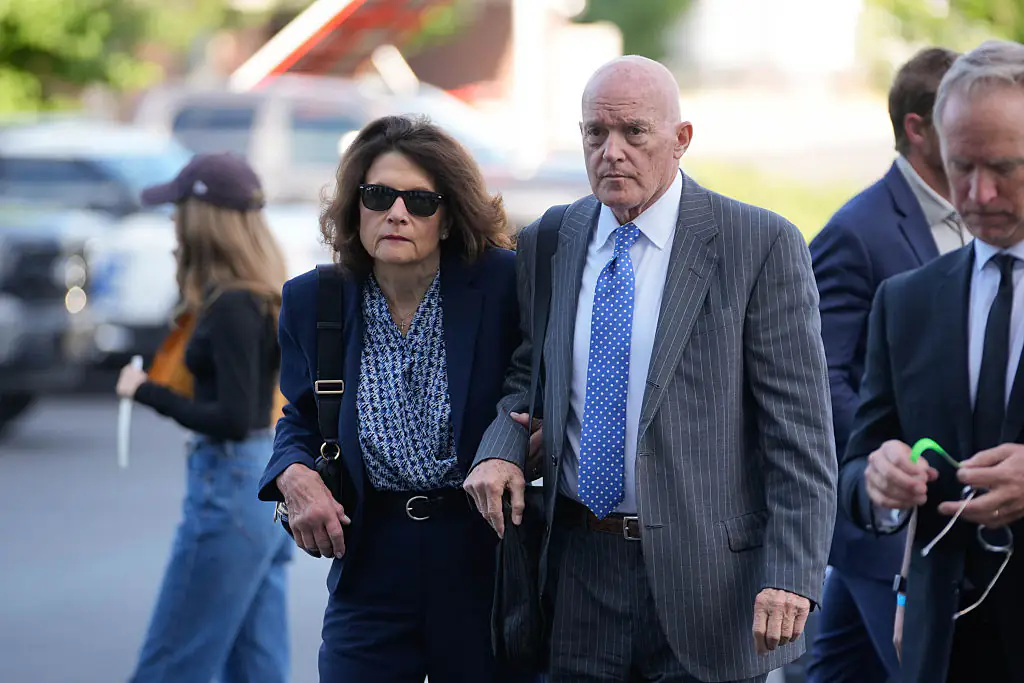
Kirk's widow Erika and his parents Robert and Kathryn voluntarily left the room before the footage was played.
Robinson's own monitor appeared to be turned off.
Donald Trump Jr., who attended the hearing alongside far-right influencer Jack Posobiec, remained in the gallery.
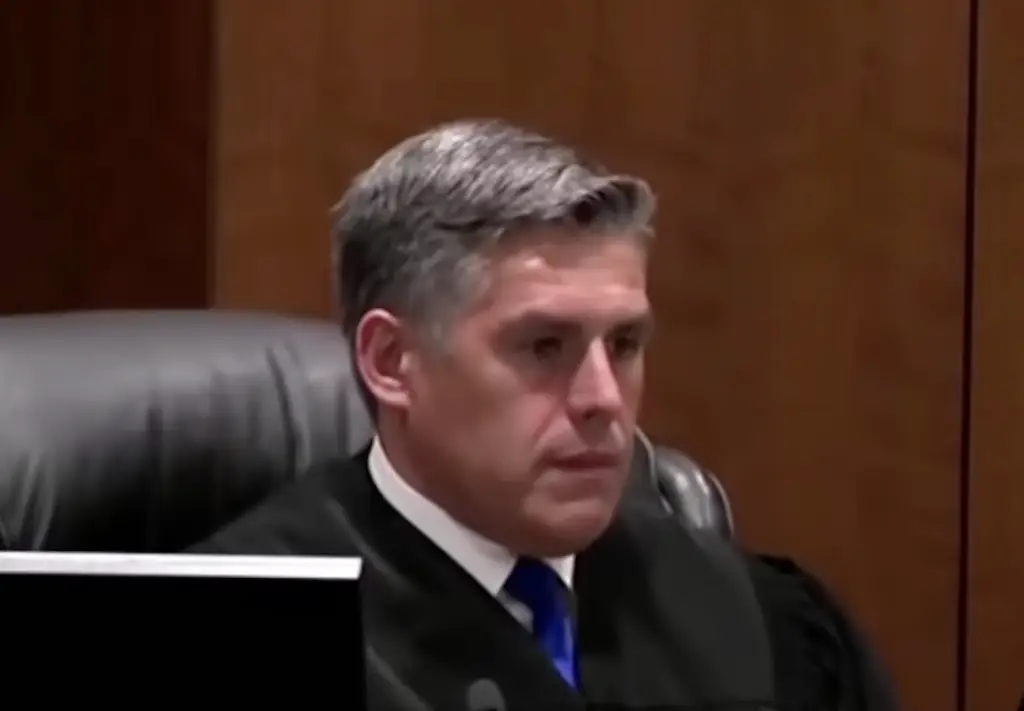
Graf was the only person in the courtroom watching the full footage, and the camera was on him the entire time.
What did the forensic psychologist spot?
Dr G's analysis focuses on a sequence lasting roughly three and a half minutes during which the judge watches the most graphic portion of the evidence.
The first thing he picks up on is the judge's initial physical reaction.
As the critical moment in the footage arrives, Graf's body shifts noticeably.
He moves away from the screen. Not dramatically, but enough that Dr G describes it as an involuntary distancing response.
The body's way of creating space between itself and something it perceives as threatening.
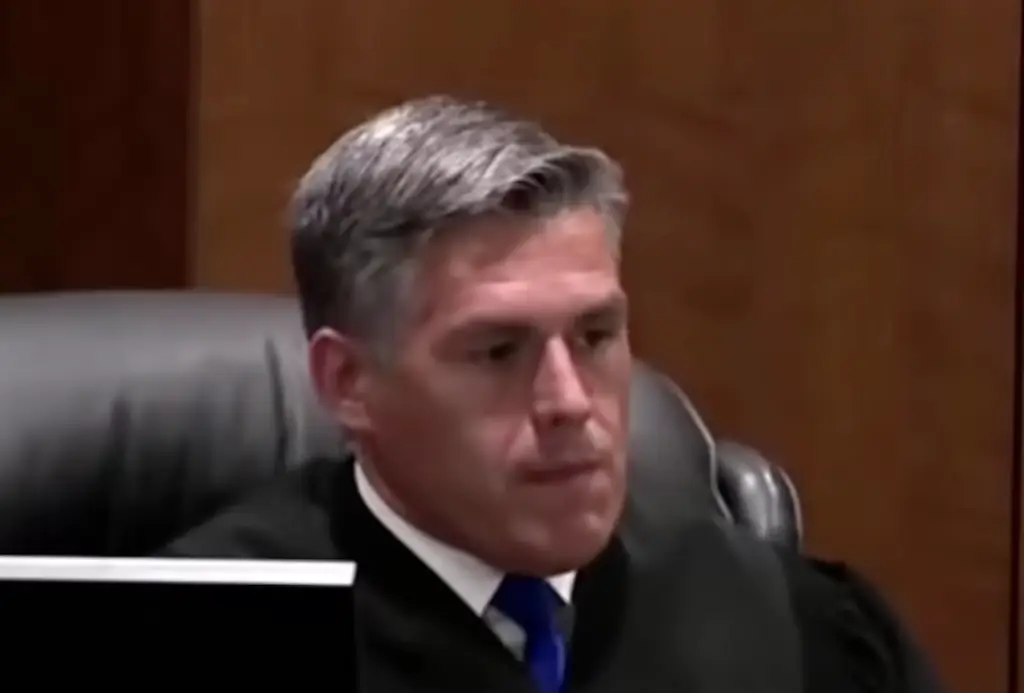
Within seconds, the judge touches his face.
Dr G flags this as a classic self-soothing behaviour, a subconscious attempt to regulate an emotional response.
Graf also adjusts his position in his chair, shifting his weight in what Dr G identifies as a startle response. Brief and controlled, but there.
What happened next?
As the footage continues, Graf leans back.
Dr G reads this as a continuation of the distancing behaviour.
The judge is physically pulling himself further from the source of distress without standing up or looking away.
At the same time, several secondary indicators appear.
The judge's blink rate picks up, which is a well-documented physiological response to stress. His breathing pattern appears to change.
There is visible tension across his face, particularly around the jaw and forehead, which Dr G says is consistent with someone suppressing a strong emotional reaction in a professional setting.
None of it would jump out to someone casually watching the courtroom feed.
These are subtle, controlled movements that happen within a matter of seconds.
But taken together, Dr G says they paint a clear picture.
What was the psychologist's conclusion?
Dr G's overall reading is that Judge Graf experienced a serious emotional reaction to the footage while still maintaining professional composure.
He did not break character. He did not say anything. He did not look away.
But his body responded in ways that suggest what he saw on that screen was deeply disturbing, even for someone whose job involves reviewing graphic evidence on a regular basis.
When the footage ended, Graf paused, gathered himself, and calmly stated: "And that concludes state's Exhibit 8."
That gap between the visible physical reaction and the measured verbal response is what Dr G describes as the most telling detail of the entire hearing.
A judge processing something profoundly distressing and choosing, in real time, to hold the room together.
What is Tyler Robinson accused of?
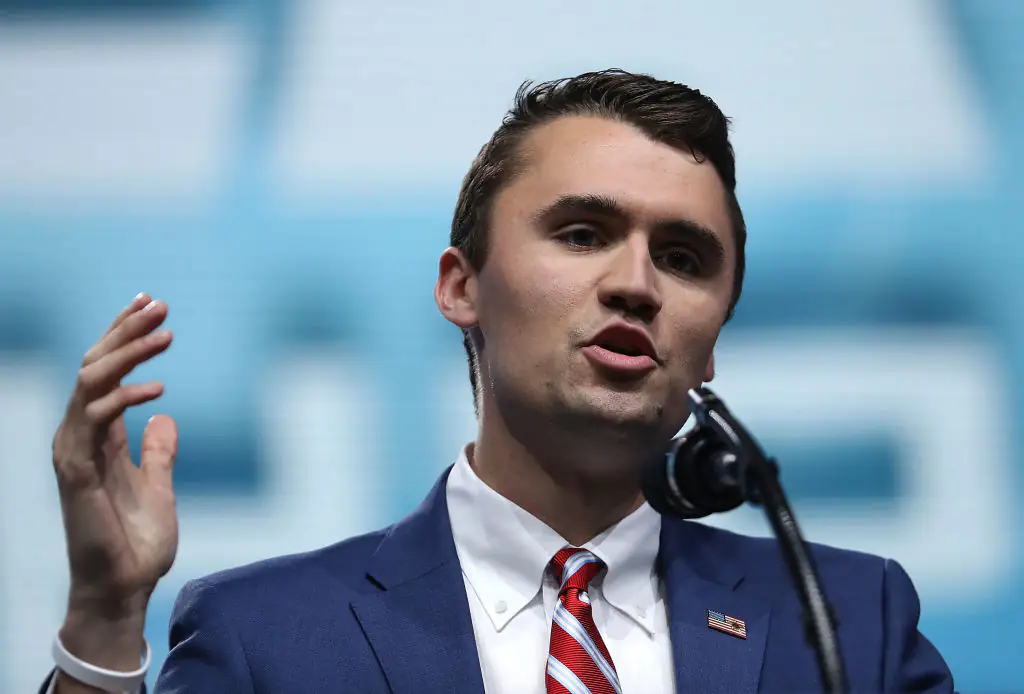
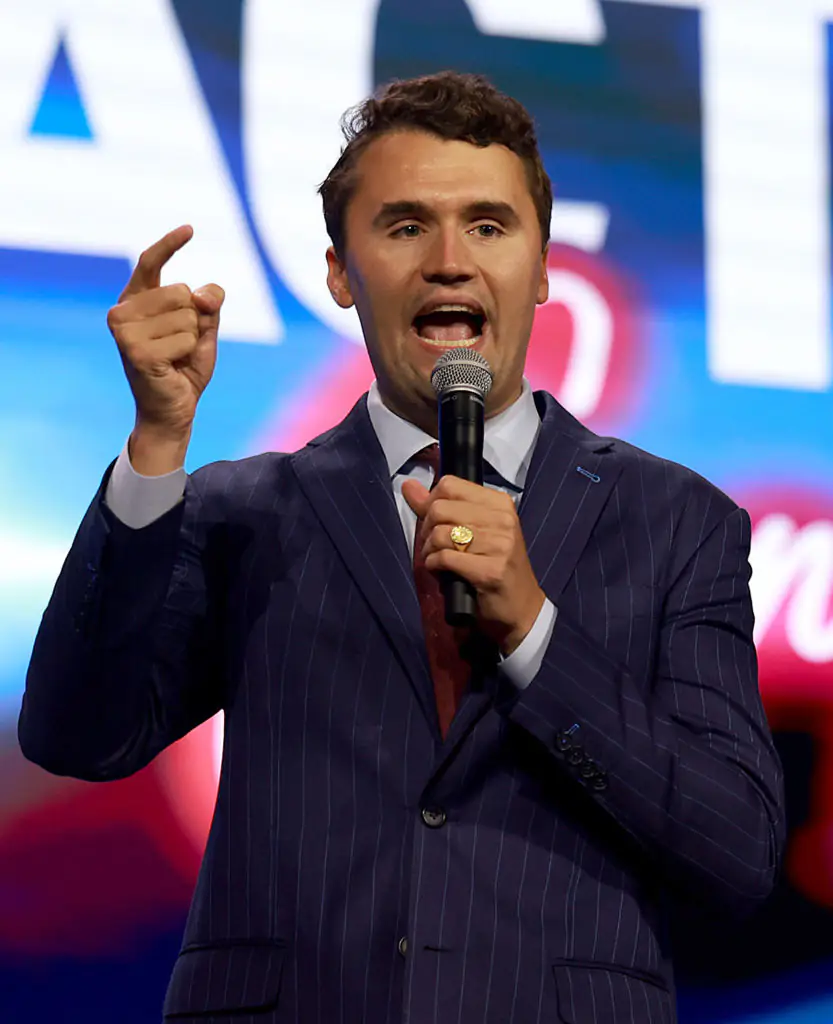
Robinson, 23, from St George, Utah, is charged with the aggravated murder of Charlie Kirk, the 31-year-old co-founder of Turning Point USA and a close ally of President Donald Trump.
Kirk was shot in the neck by a single bullet while addressing students at Utah Valley University on September 10, 2025.
He was rushed to a local hospital and later pronounced dead.
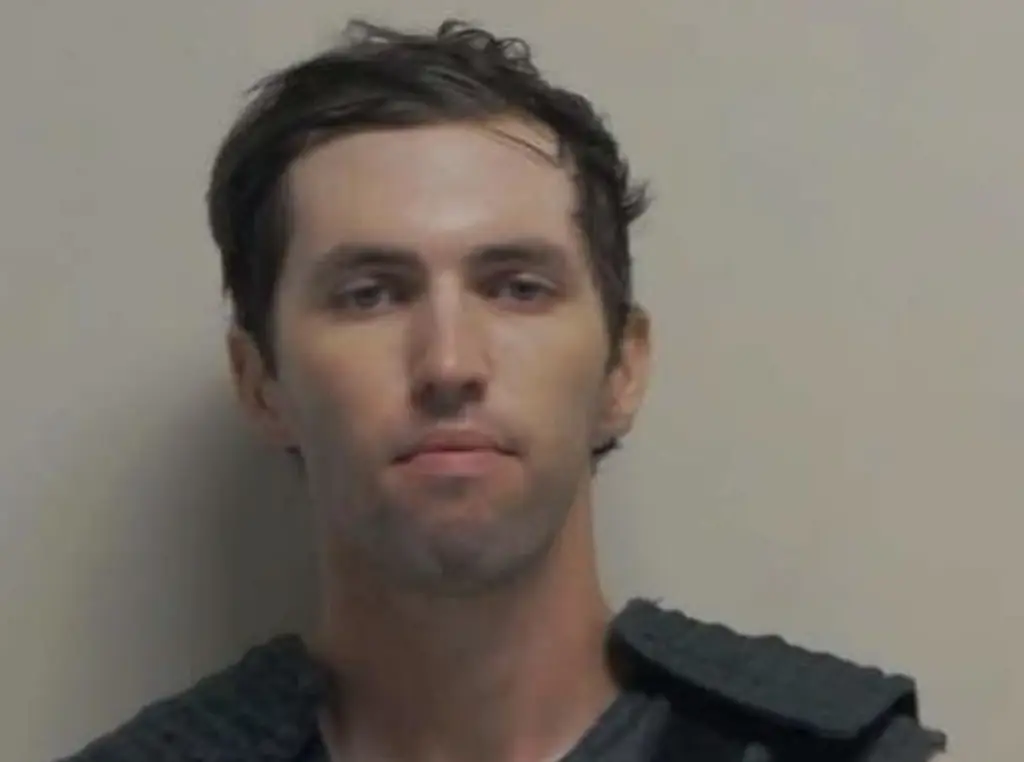
Robinson turned himself in at a sheriff's office in southwest Utah the following day, reportedly driven there by his father.
His mugshot was released shortly after.
Prosecutors allege Robinson planned the attack, tracked Kirk's movements on campus using stairwells and rooftop positions, and confessed to the killing in text messages sent to his roommate and partner Lance Twiggs.
One message reportedly read: "I had the opportunity to take out Charlie Kirk, and I took it."
Investigators recovered a bolt-action rifle wrapped in a towel near the scene.
Shell casings found at the site were engraved with disturbing messages including internet memes, anti-fascist slogans, and the phrase "Hey fascist! Catch!"
Robinson faces aggravated murder, obstruction of justice, felony discharge of a firearm causing serious bodily injury, two counts of witness tampering, and committing a violent offence in the presence of a child.
Prosecutors are seeking the death penalty.
How has Robinson behaved in court?
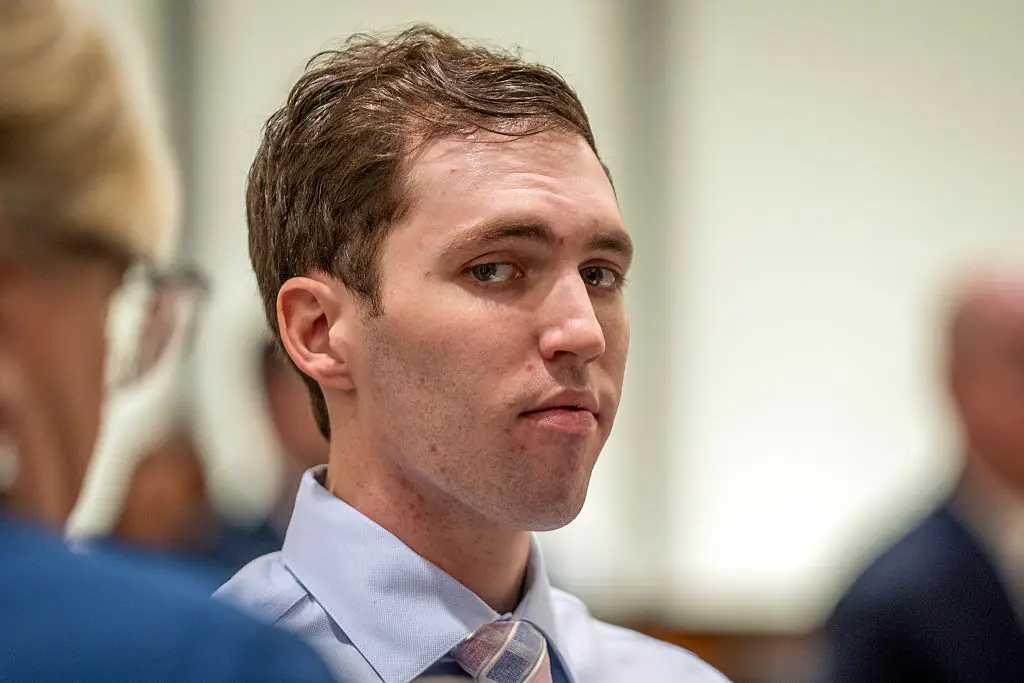
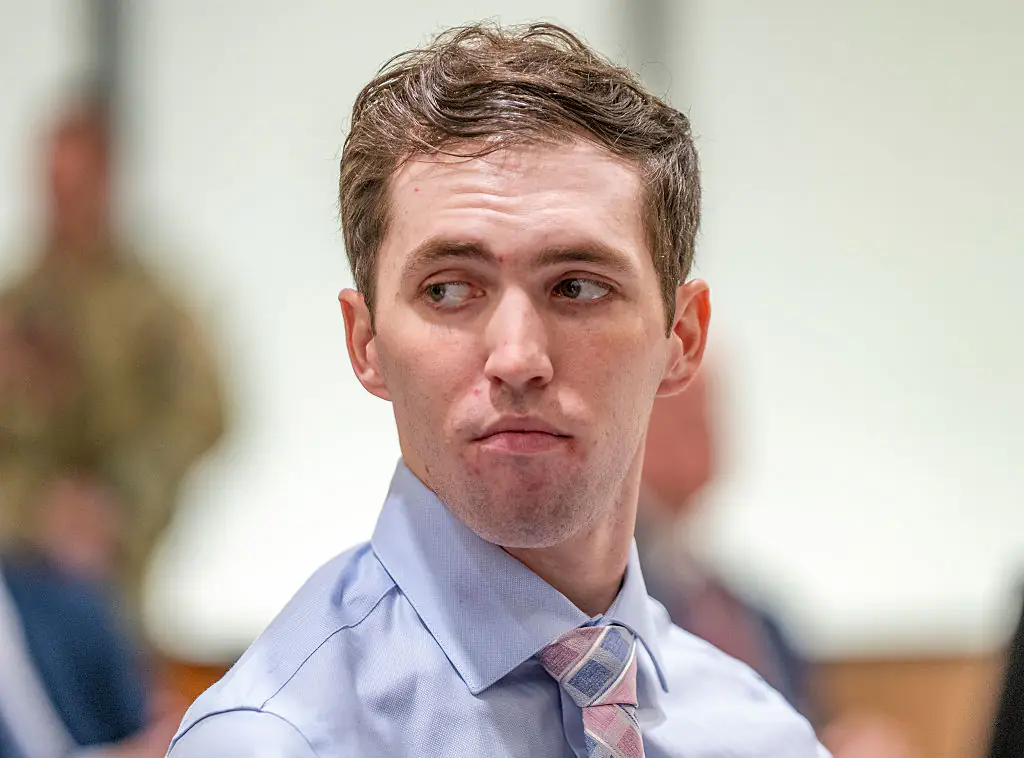
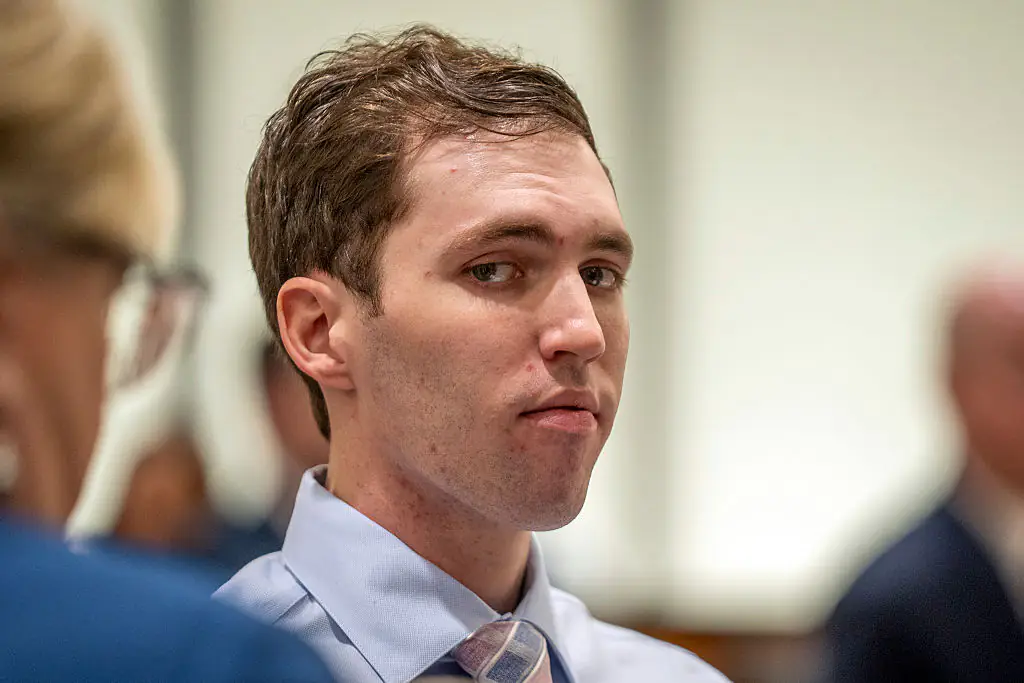
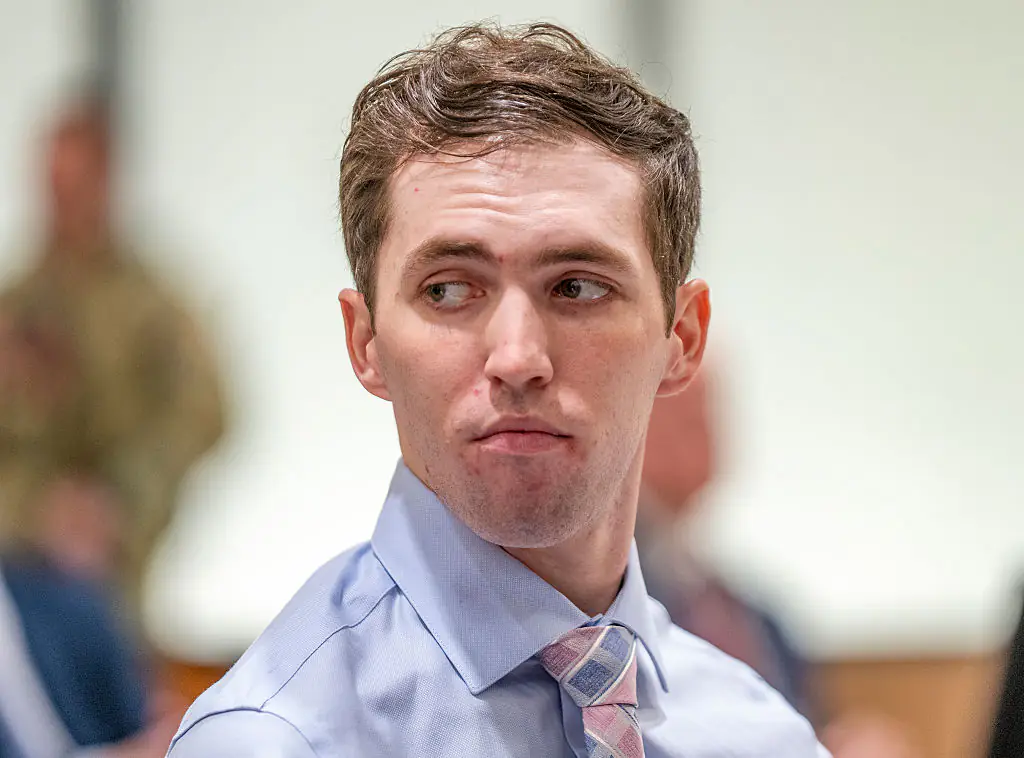
Robinson's own courtroom demeanor has drawn significant attention throughout the case.
During his first in-person appearance in December, he was seen smirking and whispering with his legal team.
He was granted permission to wear civilian clothing rather than a jail-issued jumpsuit, mirroring rulings in other high-profile cases including those of Bryan Kohberger and Luigi Mangione.
During this week's preliminary hearing, the Daily Mail reported that Robinson was seen laughing at one point.
His monitor appeared to be switched off while the shooting footage was played.
The contrast between Robinson's apparent calm and the judge's visible distress while watching the same evidence has not gone unnoticed.
What happens next in the Charlie Kirk case?
The five-day preliminary hearing is expected to conclude on Friday.
Judge Graf must then decide whether there is sufficient probable cause for the case to proceed to a full trial.
The bar at this stage is relatively low. Prosecutors need only show a reasonable belief that the charges are supported by evidence, not prove guilt beyond reasonable doubt.
Erika Kirk, who attended the hearing dressed in black alongside Kirk's parents, has pushed for full public transparency in the proceedings.
Robinson's defence team has argued the opposite, citing the risk of prejudicing potential jurors.
If Graf finds probable cause, Robinson could enter a plea during an arraignment that may take place the same day.
For now, it is the judge's reaction, not the defendant's, that has become the defining image of the hearing.
A forensic psychologist saw it in the blink rate, the face touching, the chair shifting, and the three seconds of silence before Graf spoke.
Most people watching the livestream missed it entirely.

.webp_QQJmGo?tr=cr-345.0.1535.1190,f-webp,q-70,w-100)

.webp_SmgFsc?tr=cr-292.0.1244.952,f-webp,q-70,w-100)


.webp_QQJmGo?tr=cr-345.0.1535.1190,f-webp,q-70,w-1024)


.webp_SmgFsc?tr=cr-292.0.1244.952,f-webp,q-70,w-1024)
