ADVERT
US4 min(s) read
Published 18:27 18 Jun 2026 GMT
President Donald Trump has left viewers baffled after suggesting it would be "unfair" to prevent Iran from retaining some ballistic missiles under the new peace agreement.
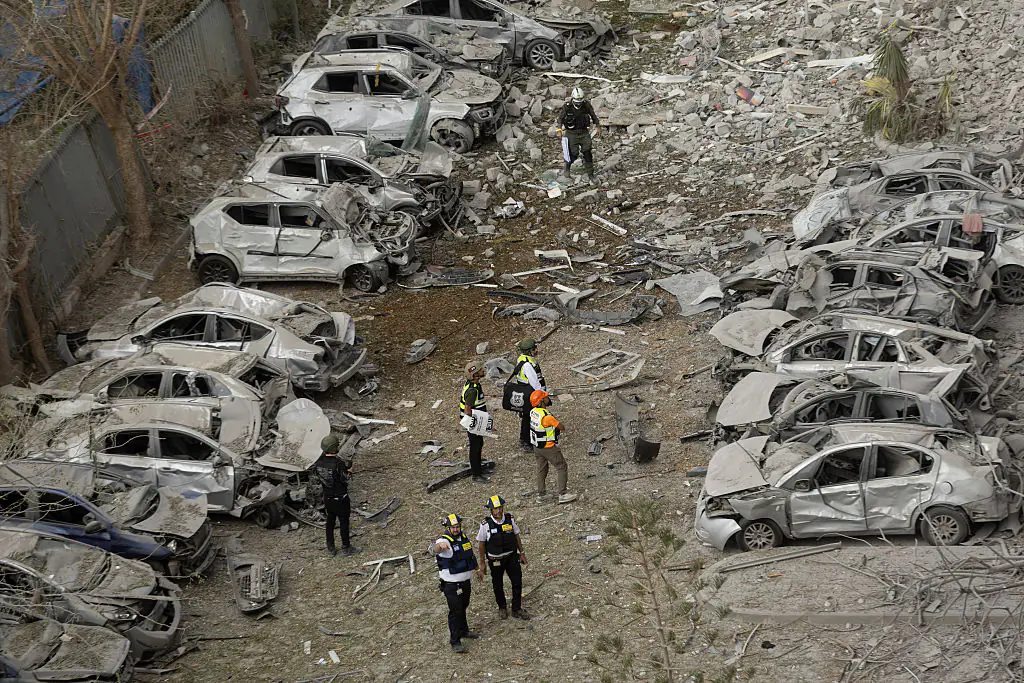
The war, which began on February 28 after the 80-year-old joined Israel in military action against Tehran without congressional approval, dominated international headlines for months.
Throughout the conflict, Trump administration officials shared their objectives for the conflict, which included regime change, weakening Iran's missile capabilities, and ending their nuclear ambitions.
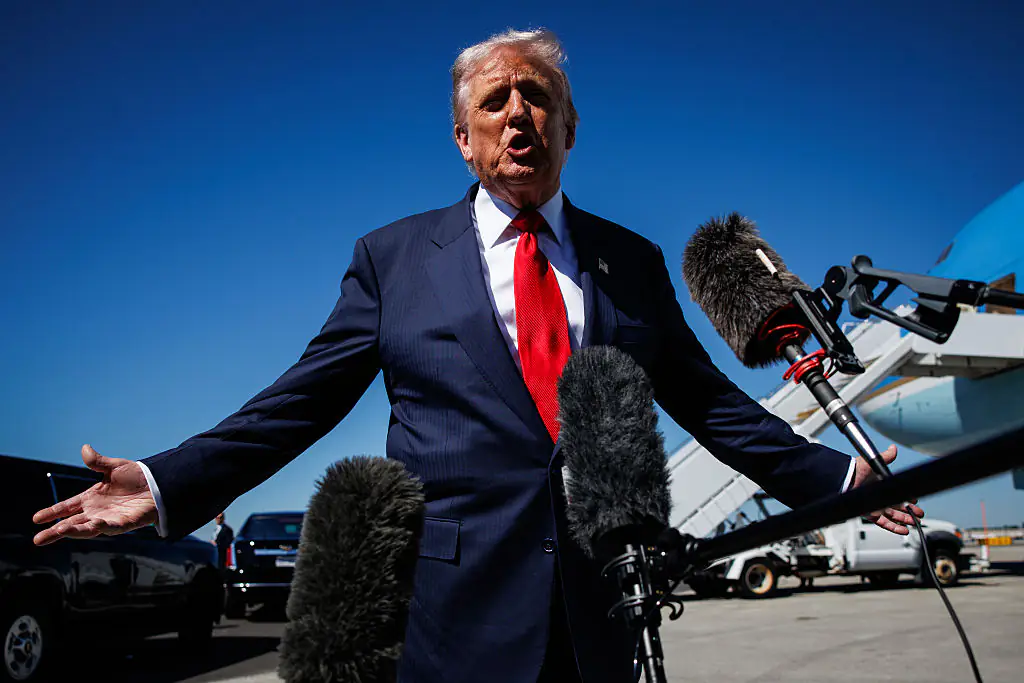
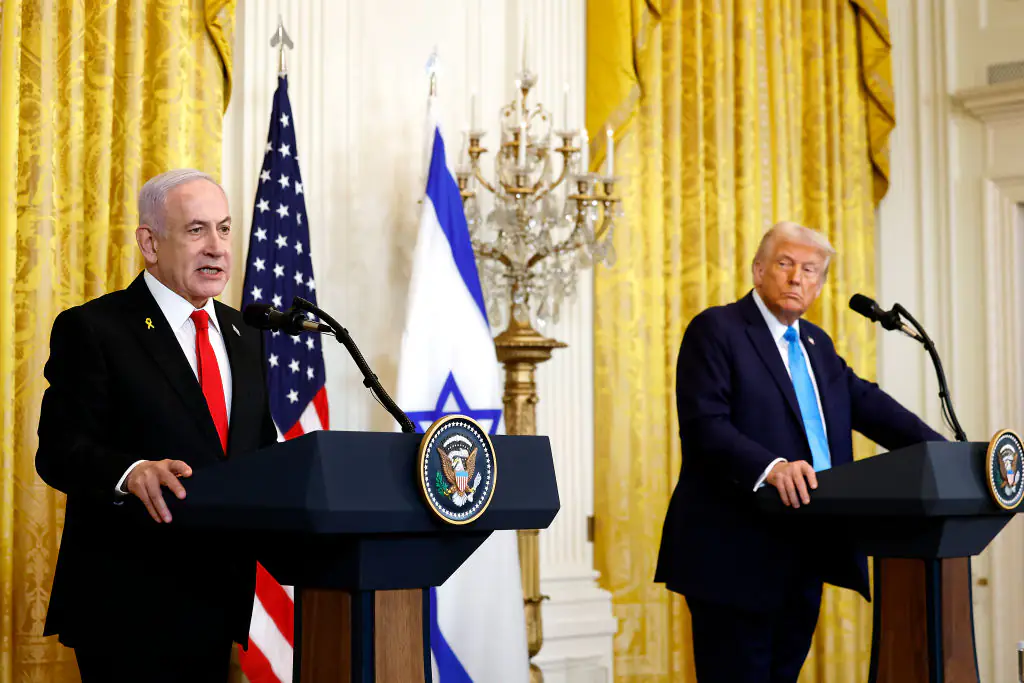
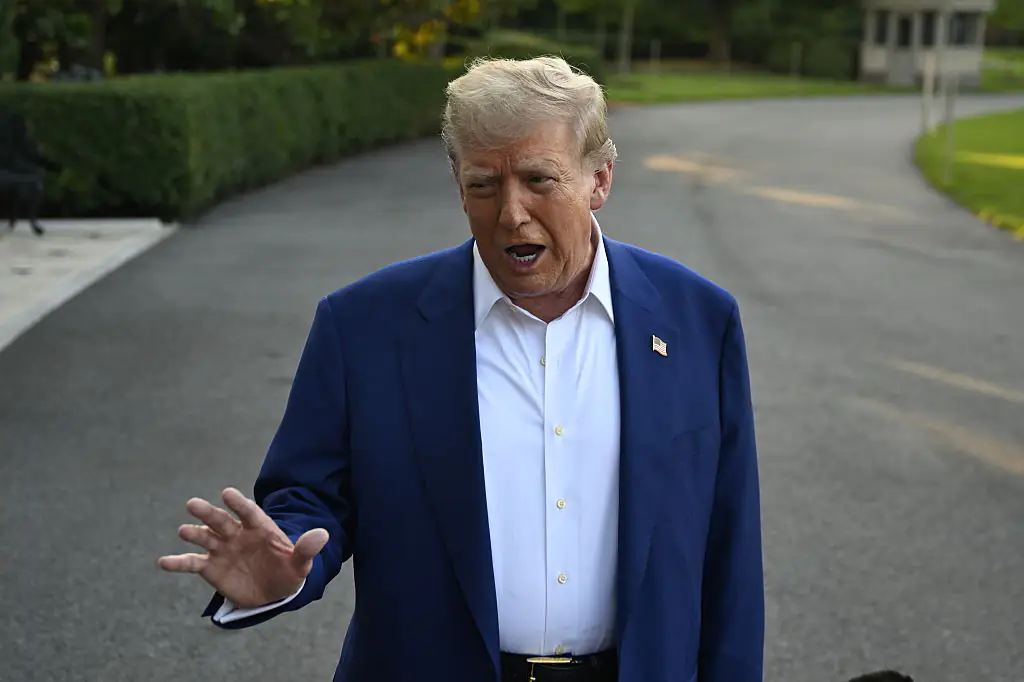
During a G7 press conference in France, Trump appeared to soften his stance on Iran's missile program as he proposed that they should be allowed to keep part of their ballistic missile arsenal.
When asked to clarify his comment, he replied: "I'm saying that if other countries have them, it's a little bit unfair for them not to have some. A ballistic missile is not the same thing as what we’re talking about."
The president also dismissed concerns from advisers who reportedly argued that Iran should be stripped of all missile capabilities.
"I like some of these guys, but I… don't think they're smart. 'Sir, you shouldn't let them have any missile,'" he said, per The Hill. "I said, 'Well, what am I going to do? Am I going to let Saudi Arabia have missiles, but they can't have them?' 'Yes, sir.'"
"Doesn't work that way, you know, it doesn't work that way, and missiles aren't the problem," he continued. "Missiles, they hurt a little location, but they don't blow up the planet."
The president's remarks immediately drew backlash from online users who argued that reducing Iran's missile threat had been presented as one of the central aims of the war.
Congresswoman Yassamin Ansari wrote on X: "This war was literally for nothing. None of the alleged objectives - regime change, destroying nuclear or missile programs - were met."
"We murdered thousands of Iranian civilians and 13 Americans died for NOTHING. A catastrophic, senseless tragedy at the hands of an evil moron," she added.
Senator Chris Murphy was equally critical, writing: "He took America to war - killing 13 soldiers, thousands of Iranian civilians and costing taxpayers $60 billion - to get rid of Iran's missile program. And now that he's lost the war, he pretends like it's no big deal. Just unforgivable. What a charlatan."
Others on social media were similarly perplexed by his statement. "The scariest thing about this is that there's no way to know whether he's even aware that he spent the last 4 months saying exactly the opposite," one person said.
"Remember when Trump said he would accept nothing less from Iran than unconditional surrender?" a user asked, while a third chimed in: "He went from 'destroy their missiles' to 'sharing is caring' in 12 seconds."
Despite the criticism, the president insisted Tehran's military powers have already been weakened by the war.
"We knocked out probably 84-85 percent of their missiles. The rest of them are underground; they can't even get them out, you know," he told reporters. "They don't want to be firing missiles right now. They're going to have a hard time rebuilding."
Defense Secretary Pete Hegseth also claimed earlier this year that every Iranian company responsible for producing ballistic missile components "has been defeated, has been destroyed".
However, assessments from US intelligence agencies reportedly suggested Iran retained around 70 percent of both its mobile missile launchers and pre-war missile stockpile as recently as May.
us3 min(s) read
Published 12:24 24 Jun 2025 GMT
us2 min(s) read
Published 13:34 01 Apr 2026 GMT
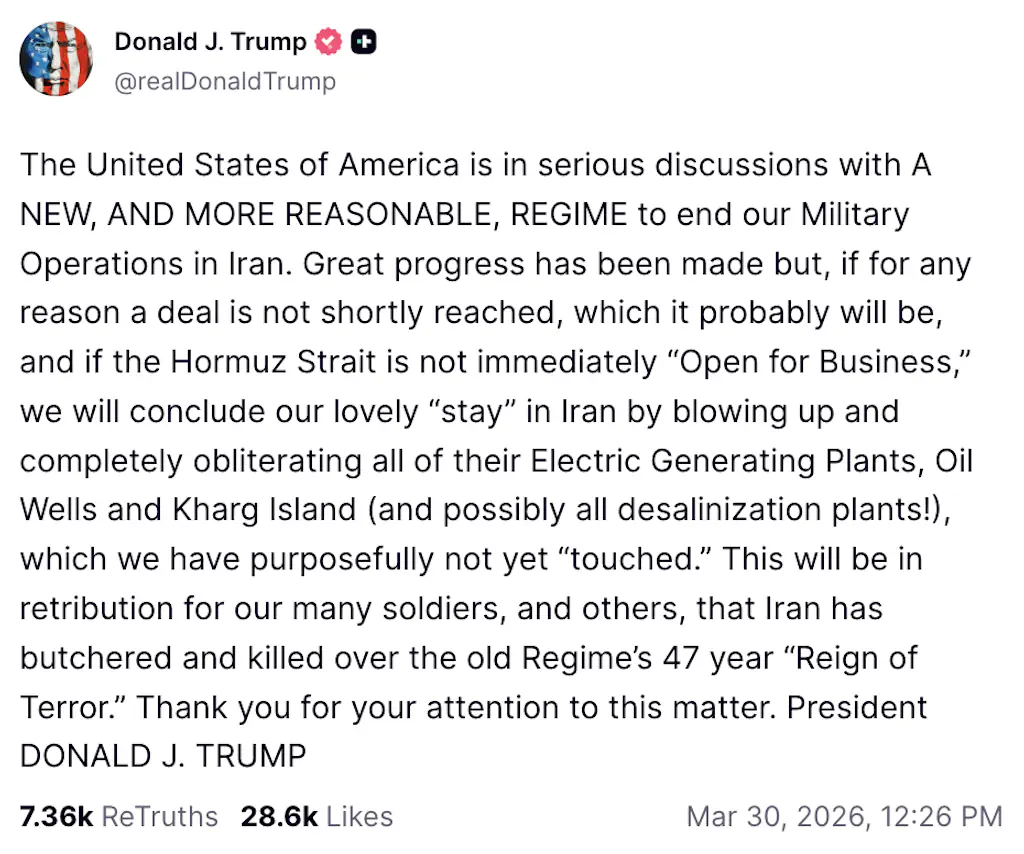
In a new revelation shared on Truth Social, President Donald Trump claimed that Iran's new president has requested a ceasefire in the ongoing conflict. According to Trump, the request came from the new regime leader, who he describes as "much less radicalized and far more intelligent than his predecessors."
Despite the appeal, Trump made it clear that the U.S. would not consider the ceasefire unless the Strait of Hormuz is "open, free, and clear." He further asserted that the U.S. would continue its military operations in Iran until that condition is met.
The Strait of Hormuz, a crucial waterway for global oil shipments, has been a focal point of the conflict. The U.S. has been pushing to free the strait from Iranian control, which is seen as vital for stabilizing global oil markets and preventing a worldwide recession.
Trump's recent comments reflect his continued tough stance on Iran, reiterating that the conflict would not end until the waterway is fully operational and free from Iranian interference.
Trump's claim comes after several significant military actions. Just earlier this week, U.S. forces launched a devastating attack on an Iranian ammunition factory, further escalating the ongoing hostilities. Trump made it clear that the U.S. was "blasting Iran into oblivion" and would not back down until the region’s key shipping lane is reopened.
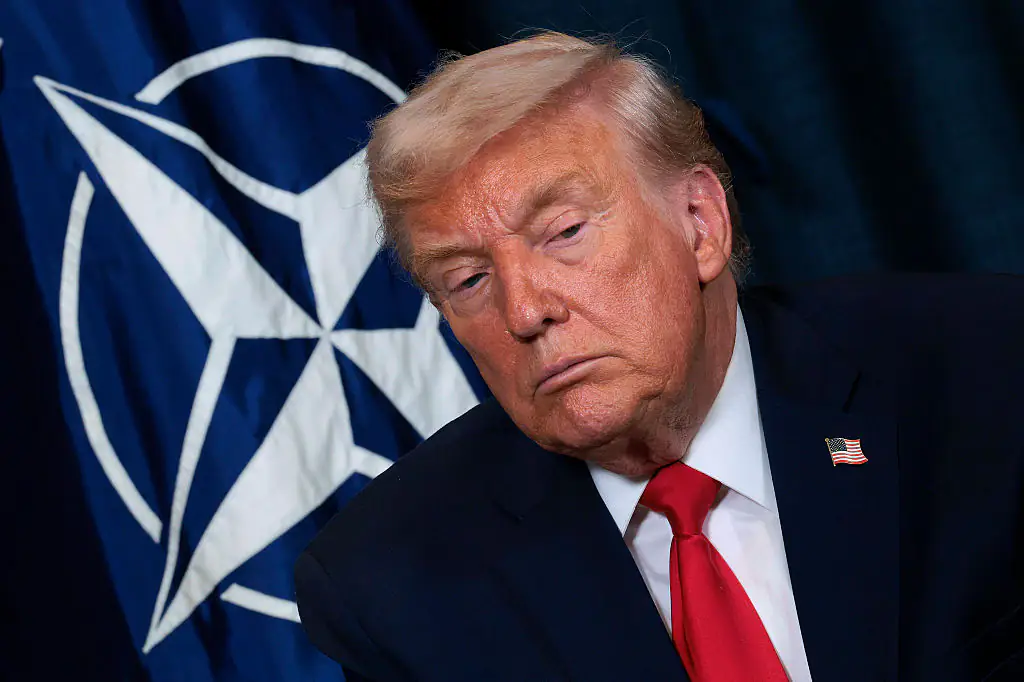
While the U.S. has been active in pressuring Iran, Trump expressed disappointment with NATO allies, accusing them of failing to provide adequate support by not sending warships to the region.
In his post, Trump claimed that regime change in Iran has already been achieved and that the U.S. is now "finishing the job." This statement aligns with his previous remarks about a need to end the conflict decisively, even if a deal with Iran is not reached.
Trump also hinted that the U.S. might reconsider its role within NATO after the conflict concludes, signaling potential shifts in international alliances.
As tensions continue to rise, all eyes are on Trump's upcoming address to the world. His speech is expected to outline a timeline for ending the war, though details remain unclear.
Despite ongoing negotiations, Trump's insistence on the reopening of the Strait of Hormuz as a condition for any ceasefire continues to be the central issue in the U.S.-Iran standoff. The global community waits in anticipation of further developments as the situation remains volatile.
us2 min(s) read
Published 17:29 25 Mar 2026 GMT
Iran has rejected the 15-point peace plan put forward by US President Donald Trump, calling the proposal "excessive."
Per CBS News, this rejection comes as both countries continue to offer conflicting accounts about the status of peace negotiations. Trump has insisted that the talks are progressing, describing them as "very good and productive," even claiming that Iran had sent him a significant gift.
However, Iran has accused Trump of "negotiating with himself" and sending "backstabbing" emissaries.
According to the US plan, key conditions include a 30-day ceasefire, reopening the Strait of Hormuz, limitations on Iran's missile capabilities, and an end to Iran's support for regional groups like Hezbollah and Hamas. Iran, however, has firmly rejected these terms, and instead, outlined its own conditions for peace.
A senior Iranian official, speaking to Press TV, outlined five conditions that Tehran requires before agreeing to end the war:
A complete halt to "aggression and assassinations" by the enemy.
The establishment of mechanisms to ensure that the war is not reinstated on Iran.
Clear guarantees for the payment of war damages and reparations.
The conclusion of the war across all fronts, including for all resistance groups involved.
Iran’s sovereignty over the Strait of Hormuz must be recognized, and this is seen as a guarantee for the implementation of the other party's commitments.
The official emphasized that Tehran would continue to "inflict heavy blows" on the enemy until its demands are met and reiterated that any ceasefire would only be considered if all of Iran's conditions were accepted.
The official also made it clear that no negotiations would take place before Iran's terms were met, stating via BBC News, "No negotiations will be held prior to that." Iran insisted that the war would end when it decided, not according to Trump's timeline or vision.
The ongoing conflict has already led to over 3,000 Iranian casualties, and the situation remains tense as both sides continue to push their demands.
us2 min(s) read
Published 12:30 23 Mar 2026 GMT
President Donald Trump has shared a major update on when the war in Iran could end.
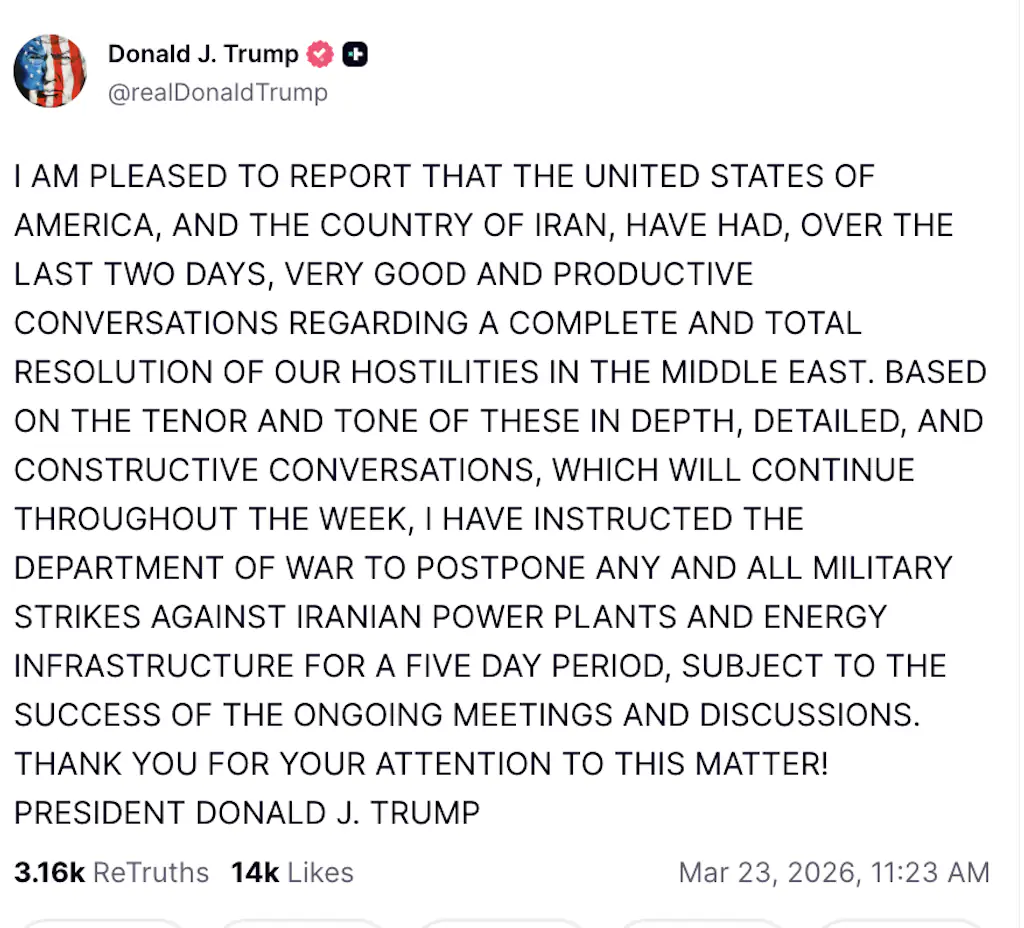
As the Iran war enters its fourth week, Trump took to Truth Social on Monday (March 22) to announce the US has engaged in diplomatic talks with Tehran and will pause strikes on Iranian power plants and energy infrastructure for five days.
“I am pleased to report that the United States of America, and the country of Iran, have had, over the last two days, very good and productive conversations regarding a complete and total resolution of our hostilities in the Middle East,” the 79-year-old wrote in an all-caps message.
He continued: "Based on the tenor and tone of these in depth, detailed, and constructive conversations, which will continue throughout the week, I have instructed the Department of War to postpone any and all military strikes against Iranian power plants and energy infrastructure for a five day period, subject to the success of the ongoing meeting and discussions."
Iran has pushed back on Trump’s claims that Washington and Tehran had held "productive conversations".
According to reports, the Iranian Foreign Ministry said his comments were aimed at lowering global energy prices and buying time for military plans. They also stressed that Iran did not start the war, saying "responsibility for the conflict lies elsewhere."
Iranian state-linked media outlets Fars and Tasnim alleged that there were no talks with Trump, and added that the US stepped back after Iran issued credible threats, including warnings about targeting energy facilities across the region.
"Amid [Trump’s] psychological warfare, the Strait of Hormuz would not return to its pre-conflict state and that stability in energy markets would not be restored under current conditions," Tasnim quoted a security official.
So far, thirteen US service members have been killed and at least 200 others wounded since the US and Israel launched strikes against Iran on February 28.
Iranian officials say more than 1,500 people have been killed in Iran, while Lebanon’s Ministry of Health reports at least 1,000 deaths in Lebanon.
This is a developing story.
us3 min(s) read
Published 12:40 31 Mar 2026 GMT
US President Donald Trump recently stated that he had achieved a regime change in Iran, expressing confidence that a deal to end the ongoing war would be struck soon.
On March 29, 2026, Trump said, “I think we’ll make a deal with them, pretty sure… but we’ve had regime change. We’re dealing with different people than anybody’s dealt with before. It’s a whole different group of people. So I would consider that regime change.”
This statement came as Trump faces significant pressure to bring the costly war to an end. The conflict, which has strained the United States and its Gulf allies, has also led to rising oil and gas prices, causing economic challenges for American citizens ahead of the upcoming mid-term elections.
Despite Trump’s assertion of regime change, Iran’s political system continues to function with little disruption. After the assassination of Supreme Leader Ayatollah Ali Khamenei, Iran appointed his son, Mojtaba Khamenei, as the new Supreme Leader.
Key government figures from the elected administration, the Islamic Revolutionary Guards Corps (IRGC), and the military have been killed, but replacements have been made, and the war, as well as diplomacy, have continued.
Although Trump’s claim of regime change does not reflect the reality in Iran, mediation efforts to resolve the conflict are ongoing. Pakistan is leading efforts to facilitate direct talks between the US and Iran, with Egypt and Turkey also involved in the diplomatic process.
This comes as Prime Minister Albanese addressed the situation in Canberra, voicing his concern and calling for clarity from the U.S. regarding its goals in Iran. Albanese acknowledged the importance of preventing Iran from developing nuclear weapons and changing its leadership, but emphasized the need for a de-escalation of the conflict.
He stated, "I want to see more certainty in what the objectives of the war are, and I want to see a de-escalation." Albanese further commented, "A de-escalation is in the global economy's interest. I have nothing but contempt for the Iranian regime."
Despite his support for regime change in Iran, Albanese cautioned that achieving this goal through external intervention would be extremely difficult. Reflecting on the initial objectives of the war, Albanese noted, "At the beginning of the conflict the objectives were outlined as one: stopping Iran from getting a nuclear weapon, which has been clearly achieved."