The parents of Milou Verhoof, a 17-year-old Dutch girl who received legal euthanasia due to severe psychological distress, shared the final message they gave to their daughter.
Verhoof, who passed away in October 2023, suffered from severe mental illnesses, including borderline personality disorder and deep trauma. These difficulties followed major traumas earlier in her childhood, leaving her in what her doctor described as a mentally terminal state.
Her family exhausted years of psychiatric treatments, clinical care, and specialized therapy programs. Despite the extensive medical efforts, Verhoof felt her mental pain was constant and impossible to fix. She applied for legal euthanasia under Dutch law, a process that evaluates whether a person’s suffering is unbearable and lacks any realistic prospect of improvement.
As the medical procedure was about to take place in her family home, her parents accompanied her to her bedroom. To reassure their daughter and grant her peace, her mother, Mireille Verhoof, and her father provided their blessing. The last words they said to her were, "It is okay," as reported by Ben Brabant Zeeland.
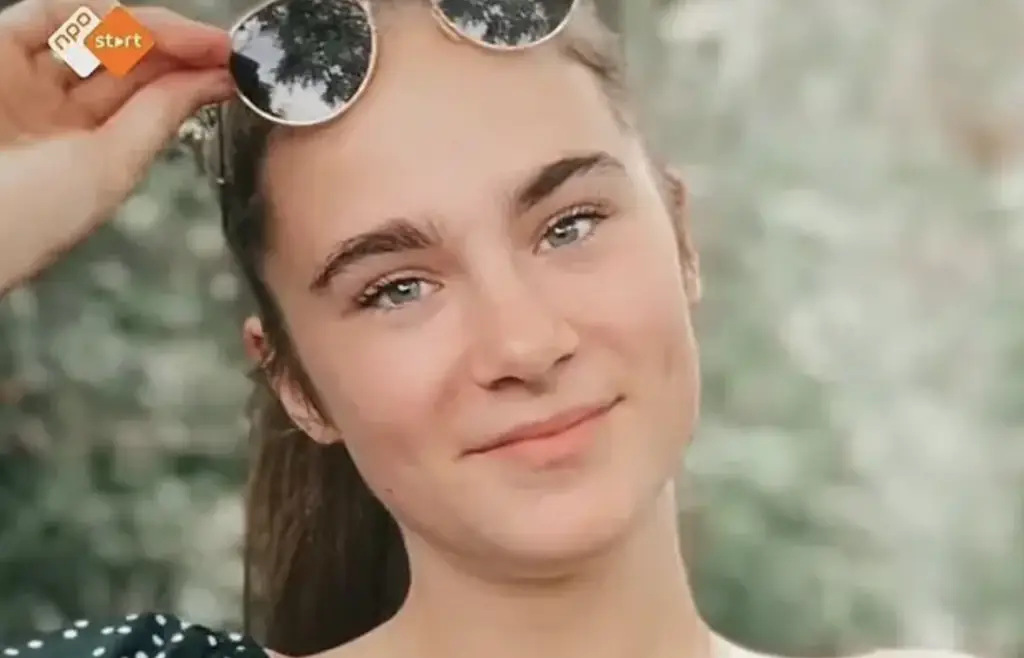
Milou Verhoof died by euthanasia at the age of 17. Credit: NPO
The medical and legal path
Under the rules of the Dutch Euthanasia Act, individuals do not need a terminal physical diagnosis to qualify for assisted dying. Legal criteria focus heavily on the nature of the distress itself.
Psychiatrist Menno Oosterhoff evaluated Verhoof and determined that her psychiatric condition met the rigid legal standards for unbearable suffering with no remaining treatment options.
The decision caused significant public discussion regarding whether young individuals can legally make permanent end-of-life choices. Critics question whether teenagers possess the emotional development to decide their conditions are truly incurable.
However, her parents explained that their greatest fear was finding their daughter dead by a lonely, traumatic suicide, which led them to support her wish for a structured, medical exit.
A message left for others
Before her death, Verhoof communicated a specific final wish to her parents regarding how society should handle youth mental healthcare. She asked her family to share her experiences publicly to help other struggling youth. Her final message to her mother was, "I want others after me to be listened to".
Her family co-operated with filmmakers to release a documentary detailing her psychiatric history and her ultimate decision.
Her mother stated that looking back at the journey, she believes allowing a proper farewell is a profound expression of parental care.
Mireille Verhoof remarked, "You can not more of your child love than together on way go to a beautiful farewell."
If you or someone you know is struggling or in crisis, help is available. Call or text 988 or visit 988lifeline.org.
A prominent Dutch psychiatrist is facing intense public scrutiny following revelations regarding his practice of administering lethal injections to patients suffering from severe mental health issues, including teenagers.
Dr. Menno Oosterhoff, who specializes in child and adolescent psychiatry, has assisted patients with terminating their lives for several years, The Atlantic reports.
While the procedure is legal under specific guidelines in the Netherlands, his actions have sparked a fierce debate across Europe regarding the ethics of psychiatric euthanasia.
The legal framework for medically assisted suicide in the Netherlands was established by lawmakers in 2002. Under this law, physicians are permitted to grant euthanasia requests provided they are voluntary, well-considered, and stem from unbearable suffering with no prospect of improvement or reasonable alternative solutions.
Dr. Oosterhoff primarily handles individuals who do not possess physical disabilities, operating under the belief that providing an authorized path for those with terminal mental diagnoses helps prevent unassisted suicide and shortens prolonged suffering.
Public opinion on the matter remains deeply divided. While some supporters view the psychiatrist as a compassionate figure who helps individuals facing desperate circumstances, critics have raised significant alarms.
The conversation intensified nationwide following a public television broadcast titled Milou's Battle Continues, which detailed the experience of a 17-year-old girl who sought out Dr. Oosterhoff to end her life.
Milou Verhoof died by euthanasia at the age of 17. Credit: NPO
The doctor's last words to the teen
The teenager, Milou Verhoof, sought assistance after experiencing years of severe trauma, including a sexual assault at age 13 and a near-fatal illness affecting her brother.
Following multiple suicide attempts and lengthy delays from other medical professionals, she met with Dr. Oosterhoff. On October 2, 2023, the procedure was carried out in her childhood bedroom.
Before administering the injection, Dr. Oosterhoff said (per The Manchester Evening News) to Milou, "Girl, have a good trip," in front of her parents. At her funeral, he later noted, "You've been through so much," to express sympathy for her long struggles.
Her mother, Mireille Verhoof, defended the decision in an email correspondence, stating, "Because of Dr. Oosterhoff's extremely careful and cautious approach, we as parents trusted that his conclusion-that Milou truly could not go on and that the days were unliveable for her-was the only correct one and confirmed what we as parents had long seen in our child."
This case highlights a broader statistical shift in the country of 18 million people. Though the vast majority of the 9,958 euthanasia cases in 2024 involved terminal physical ailments, psychiatric euthanasia instances grew from 88 in 2020 to 219 in 2024.
Legal challenges and debate in Spain
The discussion surrounding medically assisted death has also intensified in other parts of Europe, notably following a high-profile case in Spain involving a 25-year-old woman named Noelia Castillo Ramos.
She became quadriplegic in 2024 after jumping from a building following a gang rape. Before her scheduled procedure, she gave a final television interview, declaring, "I have four days left because on the 26 they will perform euthanasia on me," which brought widespread attention to the legal battle over her choice.
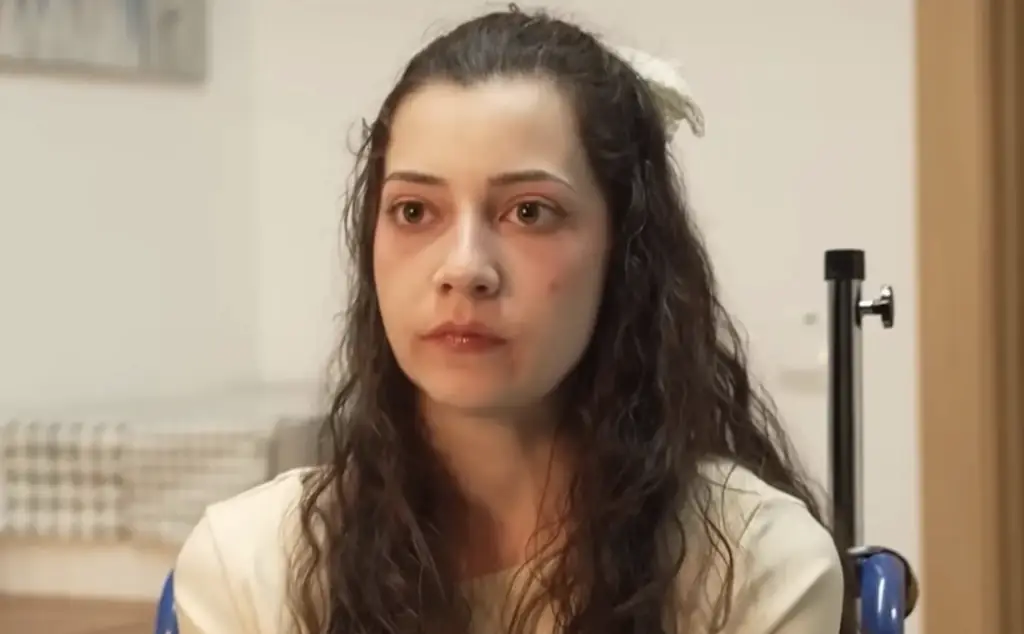
Noelia Castillo Ramos. Credit: Antena 3
Her father strongly fought the decision in court, arguing that his daughter suffered from a personality disorder and was dependent on the state mental healthcare system prior to her assault.
Castillo Ramos expressed that the legal opposition from her family increased her emotional pain, noting that none of her relatives supported her path.
She defended her autonomy by asking, "None of my family is in favor of euthanasia. I am a pillar of the family. I leave them suffering. But what about my suffering?"
She further argued that "the happiness of a father, a mother, or a sister should not be more important than that of a daughter or the life of a daughter," before her legal termination was ultimately carried out.
If you or someone you know is struggling or in crisis, help is available. Call or text 988 or visit 988lifeline.org.
A mother has broken her silence on why she allowed a prominent psychiatrist to end her teenage daughter’s life in her childhood bedroom.
Dr. Menno Oosterhoff, who specializes in child and adolescent psychiatry, has assisted patients with terminating their lives for several years, The Atlantic reports.
While the procedure is legal under specific guidelines in the Netherlands, his actions have sparked a fierce debate across Europe regarding the ethics of psychiatric euthanasia.
The legal framework for medically assisted suicide in the Netherlands was established by lawmakers in 2002. Under this law, physicians are permitted to grant euthanasia requests provided they are voluntary, well-considered, and stem from unbearable suffering with no prospect of improvement or reasonable alternative solutions.
Dr. Oosterhoff primarily handles individuals who do not possess physical disabilities, operating under the belief that providing an authorized path for those with terminal mental diagnoses helps prevent unassisted suicide and shortens prolonged suffering.
Public opinion on the matter remains deeply divided. While some supporters view the psychiatrist as a compassionate figure who helps individuals facing desperate circumstances, critics have raised significant alarms.
The conversation intensified nationwide following a public television broadcast titled Milou's Battle Continues, which detailed the experience of a 17-year-old girl who sought out Dr. Oosterhoff to end her life.
Milou Verhoof died by euthanasia at the age of 17. Credit: NPO
The doctor's last words to the teen
The teenager, Milou Verhoof, sought assistance after experiencing years of severe trauma, including a sexual assault at age 13 and a near-fatal illness affecting her brother.
Following multiple suicide attempts and lengthy delays from other medical professionals, she met with Dr. Oosterhoff. On October 2, 2023, the procedure was carried out in her childhood bedroom.
Before administering the injection, Dr. Oosterhoff said (per The Manchester Evening News) to Milou, "Girl, have a good trip," in front of her parents. At her funeral, he later noted, "You've been through so much," to express sympathy for her long struggles.
Her mother, Mireille Verhoof, defended the decision in an email correspondence, stating, "Because of Dr. Oosterhoff's extremely careful and cautious approach, we as parents trusted that his conclusion-that Milou truly could not go on and that the days were unliveable for her-was the only correct one and confirmed what we as parents had long seen in our child."
This case highlights a broader statistical shift in the country of 18 million people. Though the vast majority of the 9,958 euthanasia cases in 2024 involved terminal physical ailments, psychiatric euthanasia instances grew from 88 in 2020 to 219 in 2024.
Legal challenges and debate in Spain
The discussion surrounding medically assisted death has also intensified in other parts of Europe, notably following a high-profile case in Spain involving a 25-year-old woman named Noelia Castillo Ramos.
She became quadriplegic in 2024 after jumping from a building following a gang rape. Before her scheduled procedure, she gave a final television interview, declaring, "I have four days left because on the 26 they will perform euthanasia on me," which brought widespread attention to the legal battle over her choice.
Noelia Castillo Ramos. Credit: Antena 3
Her father strongly fought the decision in court, arguing that his daughter suffered from a personality disorder and was dependent on the state mental healthcare system prior to her assault.
Castillo Ramos expressed that the legal opposition from her family increased her emotional pain, noting that none of her relatives supported her path.
She defended her autonomy by asking, "None of my family is in favour of euthanasia. I am a pillar of the family. I leave them suffering. But what about my suffering?"
She further argued that "The happiness of a father, a mother, or a sister should not be more important than that of a daughter or the life of a daughter," before her legal termination was ultimately carried out.
If you or someone you know is struggling or in crisis, help is available. Call or text 988 or visit 988lifeline.org.
The parents of a woman who chose to be euthanized at the age of 33 have spoken out about why they supported her difficult decision.
Assisted dying remains a divisive topic, with some believing that people with terminal conditions should have the choice to end their life before losing their quality of life, while others believe that nature should always take its course.
However, the debate gets even more complicated when the person choosing euthanasia is not considered terminally ill.
One family has revealed why they decided to support their 33-year-old daughter in ending her life with assisted dying.
Esther Beukema died on December 10, 2021, having chosen to pass away in bed in her childhood bedroom, wearing a Mickey Mouse jumper and odd socks, with one belonging to her mom and one to her dad.
She was surrounded by her family - her mom, dad, and younger brother, as a nurse administered a lethal dose of medication to allow her to slip away, which she did just five minutes later.
Esther had campaigned for the right to be euthanized for over a decade, due to her struggles after being diagnosed with anorexia nervosa at the age of 18.
Though it is not considered a terminal illness, anorexia can often be fatal for the patient, and has the highest mortality rate of any psychological disorder, whether that is through complications such as heart conditions and organ failure, or through patients taking their own life.
Tragically, Esther had often told her mother, Ellen, that she did not want to be here, saying: "I don’t want to exist."
She had made multiple attempts to take her own life, and had fought for the right to die with dignity by being euthanized.
While it is not a decision any parent ever wants to make, her mother and father have revealed why they chose to support Esther in ending her suffering, despite it meaning them losing their daughter.
Ellen explained to the Telegraph that she believed a medically assisted death was more "humane" than the thought of Esther dying by suicide, her husband Rob found it much harder to accept.
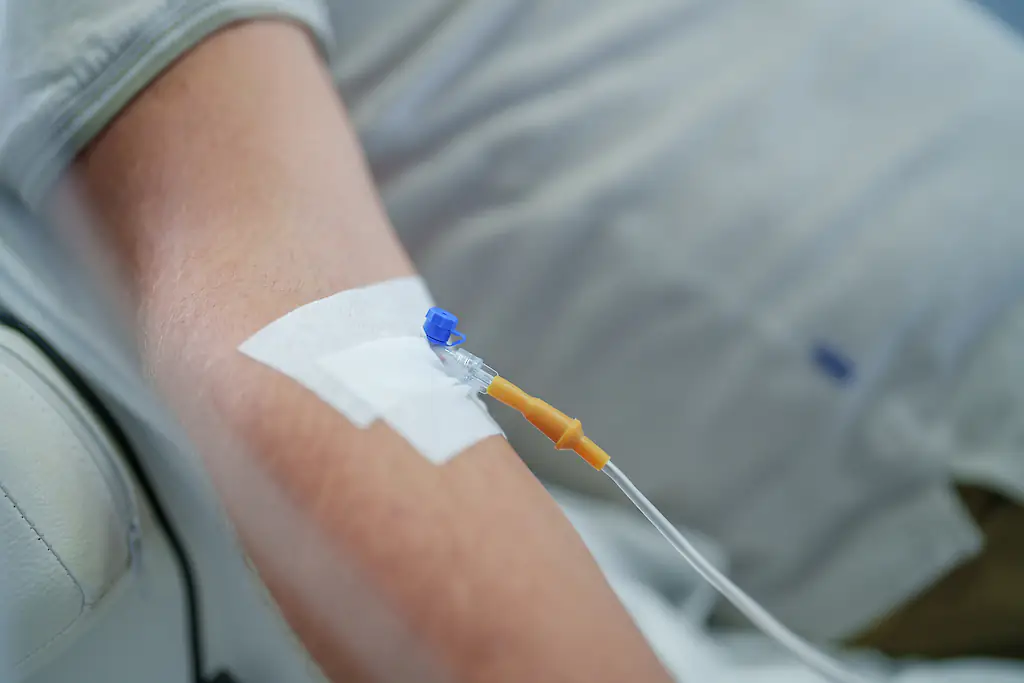
A lethal dose of medication was administered by a nurse to help Esther slip away. Credit: ZeynepKaya/Getty Images
He had suggested that there may be a therapy or treatment that hadn't yet tried that could help Esther see a way through her eating disorder, explaining: "As a dad, I tried to show Esther a little bit of blue sky… that there’s always hope. That tomorrow, perhaps it will be better."
Their differing opinions put a strain on the couple's marriage, but Rob admits that after having therapy of his own, by the time Esther died he was "at peace" with her decision to end her life on her own terms.
Euthanasia for people with a mental illness has been a reality in the Netherlands, where the Beukemas live, for over 20 years, as under the Dutch Termination of Life on Request and Assisted Suicide (Review Procedures) Act of 2002, euthanasia is legal for psychiatric as well as physical conditions, provided doctors believe there is "no reasonable alternative" and that the patient's suffering is "unbearable with no prospect of improvement".
Ellen revealed that she chose to support her daughter so that she could be surrounded by love in her final moments, explaining: "She didn’t have to die alone, she was with the people she loved. And that is what you want for everyone."
She added that as Christians, she and Rob believe Esther is "in a better place" after "always struggling here in this life."
They added that Esther had had a happy childhood in a loving family with siblings close to her own age, and always did well in school and her extracurricular activities, including gymnastics and piano lessons.
The first signs of her illness came when she hit adolscence, struggling with the move to secondary school where she found it hard to make friends and struggled with perfectionism.
Esther first said she wanted to start eating more "healthily" but her diaries, which she shared with her psychiatrist, revealed that she had started calorie counting at just 17 years old in 2005.
Just a year later, she was diagnosed with anorexia and was later told she also had some symptoms of borderline personality disorder, and doctors believed she likely also had autism.
By 2007 she was severely malnourished and required hospitalization, beginning a cycle of force-feeding to help her gain weight, before she would lose it all again, leaving her more traumatized and depressed after each hospital stay.
Throughout her many admissions, Esther continued to keep her diaries, where one heartbreaking entry from April 2011 reads: "I just want to die. I don’t want to live any more. There’s nothing to it. Nowhere."
She first requested euthanasia in 2012 but her request was denied because she was not considered psychologically competent.
Her parents had a glimmer of hope that things may improve after Esther fell in love with a fellow patient on a psychiatric ward in 2017, with the couple quickly moving in together on her release, where they planed to get married and even got a cat together.
The pair had a few months where things improved, but Esther ended up calling off the wedding two weeks before they were due to tie the knot.
Just two years later, after turning 30, Esther began pursuing her mission to get approved for euthanasia again and was eventually approved.
Her family says that the weeks that followed were the "most beautiful" since Esther had begun to get ill, and she chose to move back home with her parents and spend time laughing and talking with her family, as well as planning her own funeral.
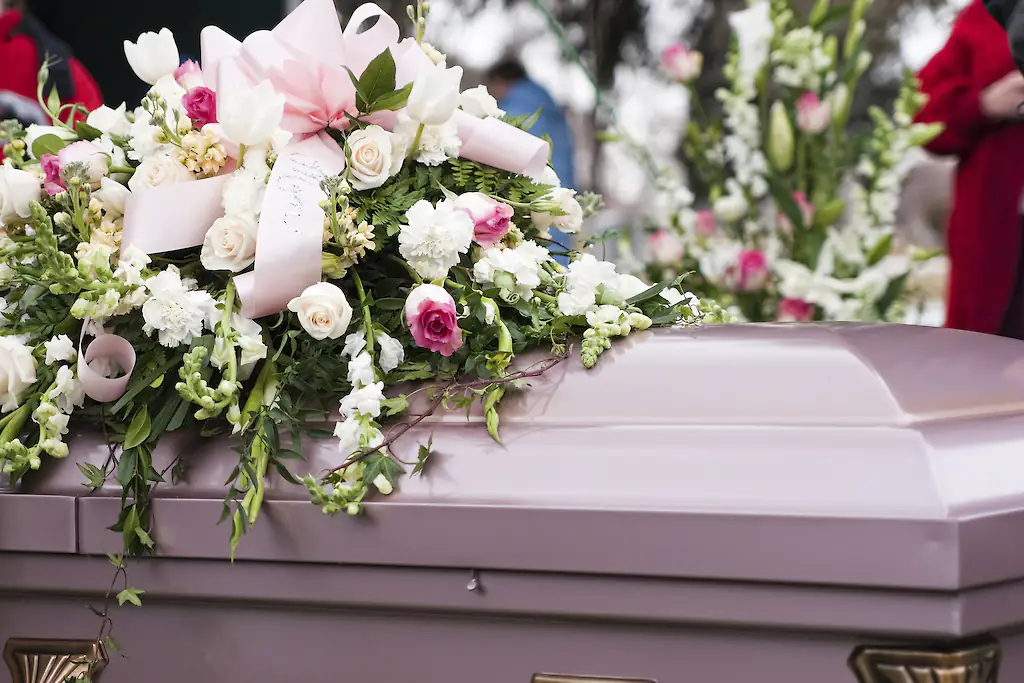
Esther had planned her own funeral in the weeks before her death. Credit: DarrenMower/Getty Images
When her final moments came, Ellen sang a bedtime prayer to her as she had done when she was a child, and Rob added that Esther's death was peaceful, explaining: "I saw her face. No anger. Very happy."
Ellen added: "We are at peace with it, I think. For us, I think it’s the feeling that there is a life before, and a life after. It’s not that the life after is very bad, but you have to discover how to start again. You have to learn to see the good things and to enjoy them."
The couple shared their daughter's story in the hopes of ending the secrecy around end of life decisions, as well as to keep her memory alive, explaining: "If you don’t talk about her, then she doesn’t exist any more. Then she is really dead."
A physically health woman who is set to die via euthanasia has opened up about how her final moments will play out.
Zoraya ter Beek, a 29-year-old Dutch woman has chosen to end her life legally, citing her enduring battle with depression, autism, and other mental health issues.
Speaking to The Free Press, she candidly shared her reasoning, saying: "I was always very clear that if it doesn’t get better, I can’t do this anymore."
Her case sparked a debate about euthanasia being used for mental suffering rather than the traditional view that it is used for those with terminal illnesses.
After a rigorous three-and-a-half-year process under a law enacted in the Netherlands in 2002, ter Beek received final approval last week for assisted dying, per the Guardian.
The process of obtaining approval for assisted dying proved lengthy and intricate, involving assessments, multiple medical opinions, and reviews. Despite facing guilt and fear, ter Beek remains resolute in her decision.
After experiencing backlash following media coverage of her case, ter Beek opted to deactivate her social media accounts.
It took over three years of assessments with medical professionals for her case to be approved. Credit: Javi Sanz/Getty Images
The 29-year-old has been very open about her plans and has given insight into how her final day will go.
"They’ll start by giving me a sedative, and won’t give me the drugs that stop my heart until I’m in a coma. For me, it will be like falling asleep," she said. "My partner will be there, but I’ve told him it’s OK if he needs to leave the room before the moment of death."
She added: "Now the point has come, we’re ready for it and we’re finding a certain peace. I feel guilty too. But sometimes when you love someone, you have to let them go."
Ter Beek's decision has sparked controversy, as assisted dying for individuals with psychiatric illnesses remains uncommon in the Netherlands, despite a growing number of cases.
In 2010, there were only two instances, compared to 138 in 2023, constituting 1.5% of the 9,068 euthanasia deaths.
Reflecting on the controversy, ter Beek acknowledged the contentious nature of cases like hers and the broader debate on the legality of assisted dying.
In response to her critics, the 29-year-old said: "People think that when you’re mentally ill, you can’t think straight, which is insulting.
"I understand the fears that some disabled people have about assisted dying, and worries about people being under pressure to die. But in the Netherlands, we’ve had this law for more than 20 years. There are really strict rules, and it’s really safe."
Under Dutch law, eligibility for assisted death necessitates experiencing "unbearable suffering with no prospect of improvement," coupled with full informed consent and competency to make such a decision.
If you or someone you know is struggling or in crisis, help is available. Call or text 988 or visit 988lifeline.org.
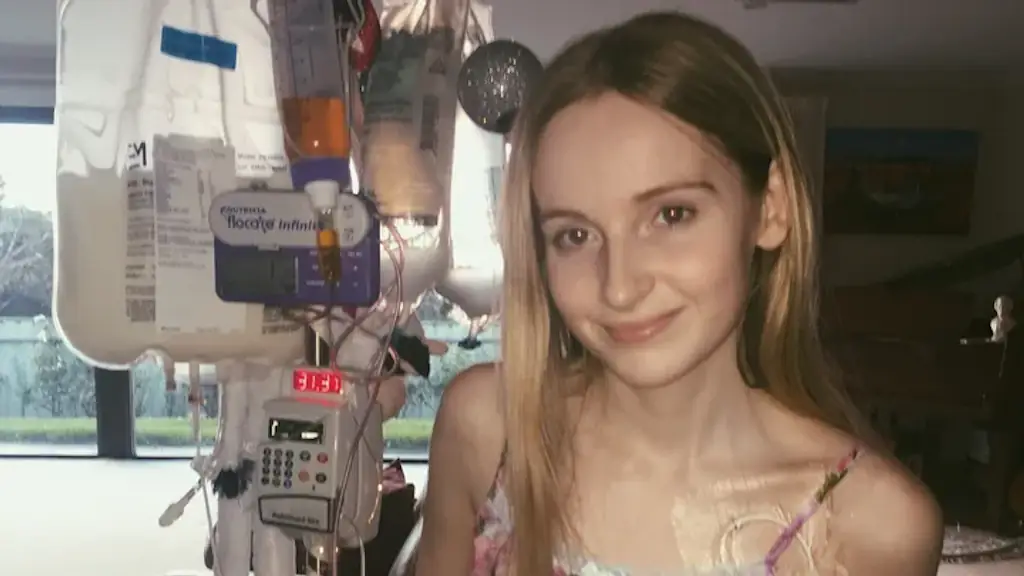
A woman made an emotional plea to her father as she shared the heartbreaking reason behind her decision to end her life at the age of 25.
Annaliese Holland, from Adelaide, South Australia, has opened up about her devastating decision to pursue voluntary assisted dying (VAD) after enduring a life filled with chronic pain, illness, and hospital stays.
Diagnosed with autoimmune autonomic ganglionopathy, a rare and terminal neurological disease, Holland has faced years of excruciating symptoms, including nausea, vomiting, and the inability to digest food properly.
For the past decade, she has relied on total parenteral nutrition (TPN), a method that delivers nutrition directly into her bloodstream via an IV.
Her disease, which causes the body to attack its own autonomic nervous system, left her unable to digest food and battling severe complications, including repeated life-threatening infections that led to sepsis 25 times.
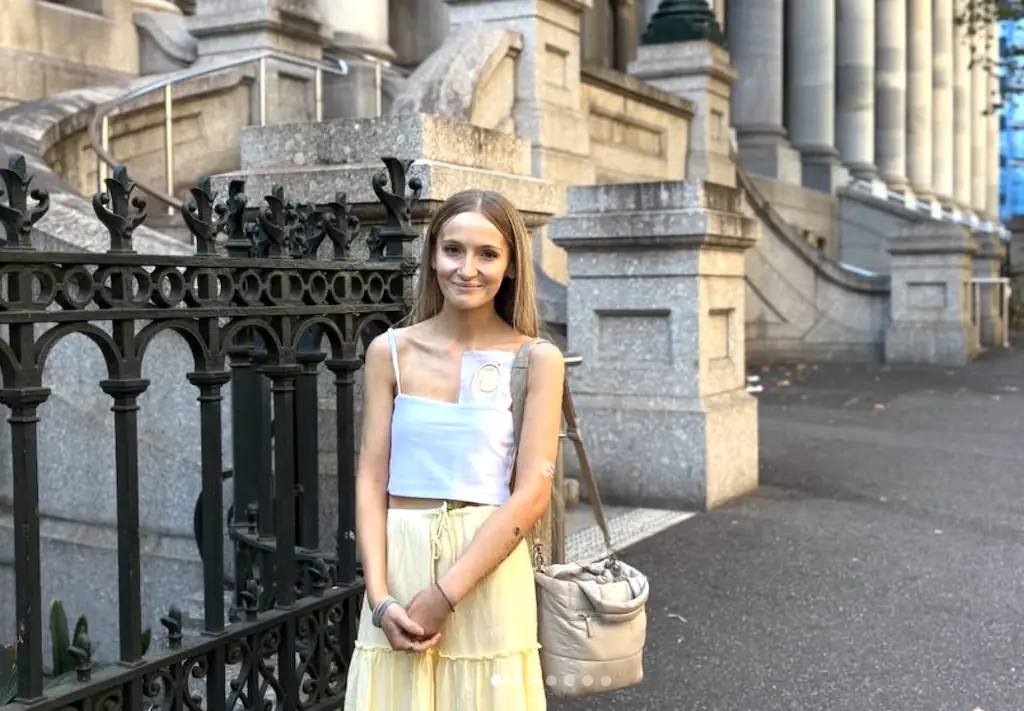
Annaliese Holland chose to die at age 25. Credit: GoFundMe
A rare diagnosis and terminal prognosis
Holland’s battle to understand her illness culminated when she turned 18 and transitioned from pediatric care to an adult hospital.
It was only then that doctors diagnosed her with autoimmune autonomic ganglionopathy. At the age of 22, she received the devastating news that her condition was terminal.
The medications made her bones so fragile that she's had multiple fractures, and she struggled with necrosis, where blood flow to her bones has been compromised, leading to discolored teeth and tooth loss.
Despite these severe physical tolls, the pain has remained a constant presence in her life.
"You can’t change it, so you have to just deal with it, really. Even though there are beautiful moments in my days, they are exhausting and long. I’m in chronic debilitating pain," she said, cited by The New York Post.
“Everyone’s life is moving, and I’m just stuck. I’m not living. I’m surviving every day, which is tough,” she added.
A heartbreaking decision to end it all
After spending her 18th and 21st birthdays in the hospital, Holland reached a breaking point.
At 25, she made the painful decision to end her life on her own terms through voluntary assisted dying, a legal option in Australia for those with terminal illnesses who wish to end their lives on their own terms.
“Life for me now is getting up each day, doing what I need to do medically, taking the painkillers, trying to get through the day, just to go to bed and do it all again,” she said. “I have the most incredible team of doctors and nurses who have watched what I have been through, and I told them I don’t want this anymore.”
Her choice to pursue VAD is not without its emotional toll on her family. While her mother, Armanda, still holds out hope for a miracle, she knows the reality of her daughter’s condition.
However, it was her father, Patrick, who struggled the most with her decision.
A father’s heartbreaking acceptance
Holland recalled a moment with her father in the kitchen where she said: “Dad, I’ve had enough.”
Her father’s immediate response was: “So you’re giving up?” But the turning point came when Holland was revived by doctors after a close brush with death.
“Dad, please let me go. I won’t hate you if you do,” she pleaded through tears. “I told him, ‘If this happens again, I don’t want anything. Please know that in my heart, you letting me go and saying no to treatment… I’m happy with and that’s what I want.’”
Patrick, who has watched his daughter fight through every medical crisis, finally understood. “I don’t know how you do it, but I totally understand that you’ve had enough,” he told her.
Annaliese Holland has multiple organ failure as a result of the condition. Credit: Instagram/Annaliese Holland
After undergoing a three-week evaluation process, Holland was approved for VAD. Though she acknowledged the complex emotions surrounding her choice, she expressed relief.
"It’s one of the bravest things you could ever do, to say I want VAD. It’s not giving up. You’ve had enough and you fought bloody hard,” Holland said.
For the 25-year-old, the decision to end her life offers her a sense of control and peace in the face of constant suffering.
"Knowing I can go when the time is right is just a huge relief. I feel so lucky that I do have this choice," she explained.


.webp_SmgFsc?tr=cr-292.0.1244.952,f-webp,q-70,w-100)
.webp_lli6Ty?tr=cr-74.9.445.380,f-webp,q-70,w-100)
.webp_QQJmGo?tr=cr-345.0.1535.1190,f-webp,q-70,w-100)


.jpg_MvNIPx?tr=cr-0.0.2124.1195,f-webp,q-70,w-525,h-200)
.webp_SmgFsc?tr=cr-292.0.1244.952,f-webp,q-70,w-1024)

.webp_lli6Ty?tr=cr-74.9.445.380,f-webp,q-70,w-1024)

.webp_QQJmGo?tr=cr-345.0.1535.1190,f-webp,q-70,w-1024)

