


World3 min(s) read
'End of the world' town makes shocking claim about hantavirus after allegations it originated there

Fears grow over the deadly rat-borne virus that has already killed three people as a world health chief has warned that more cases are inevitable, while the tourist hotspot at the centre of the outbreak has denied any responsibility for causing the outbreak.
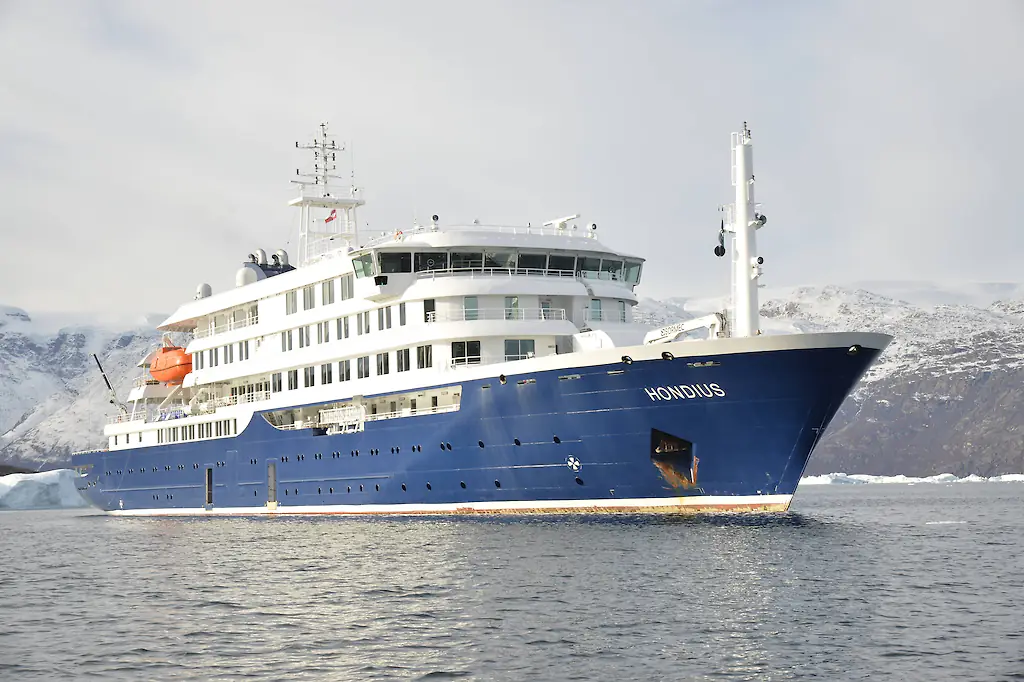
After doctors on board the MV Hondius initially blamed her symptoms on anxiety, a French woman is now fighting for her life against hantavirus.
Since the ship was evacuated a few days ago and passengers have returned to their home countries across the globe to receive treatment or quarantine, the director general of the World Health Organization has announced that we can expect more people to be diagnosed with the killer disease.

What has WHO official said?
Tedros Adhanom Ghebreyesus said, “We would expect more cases, because the first case was on April 6, and until the report was confirmed as infectious around April 24/25, there was a lot of interaction of the passengers.
“As you know, the incubation period is six to eight weeks. Because of the interaction, while they were still on the ship, even as they were taking some preventative measures… we would expect more cases.”
While investigations are ongoing, it is currently believed that the alarming outbreak was sparked by a bird-watching trip at a landfill site in Ushuaia, Argentina.
The first two victims of the virus, Leo Schilperoord, 70, an ornithologist, and his wife Mirjam, visited a landfill site four miles south of Ushuaia on March 27, where it is suspected they inhaled fumes from infected rodent feces that carried the virus.
However, a local health chief has vehemently denied the link to the Argentine city.
How did local officials respond to the allegations?
The province’s Director General of Epidemiology and Environmental Health, Juan Facundo Petrina, told the BBC, “In Tierra del Fuego, we have no record of hantavirus cases in our history.
“And specifically, since 1996 – when the National Surveillance System included it among mandatory reporting diseases – we haven’t had a single case in Tierra del Fuego.”
Petrina pointed out that the disease’s endemic zone is almost 1,000 miles north of the suggested source site.
He said: “To begin with, we do not have the subspecies of the long-tailed mouse [which transmits the disease], nor do we share the same climatic conditions as northern Patagonia.
“And if rodents were to start moving, since they don’t respect geographical boundaries, it’s important to remember that we are an island.
“They would face the limitation of crossing the Strait of Magellan in order to infect local species, so that is an additional difficulty, beyond the climate.”